
You know that moment when you finally park, step out, and realize you can actually hear the place you came to visit – wind in the trees, water against the shore, maybe live music that is not competing with a crowd. That is the real luxury of a trip, and it is getting harder to find in the usual headline destinations.
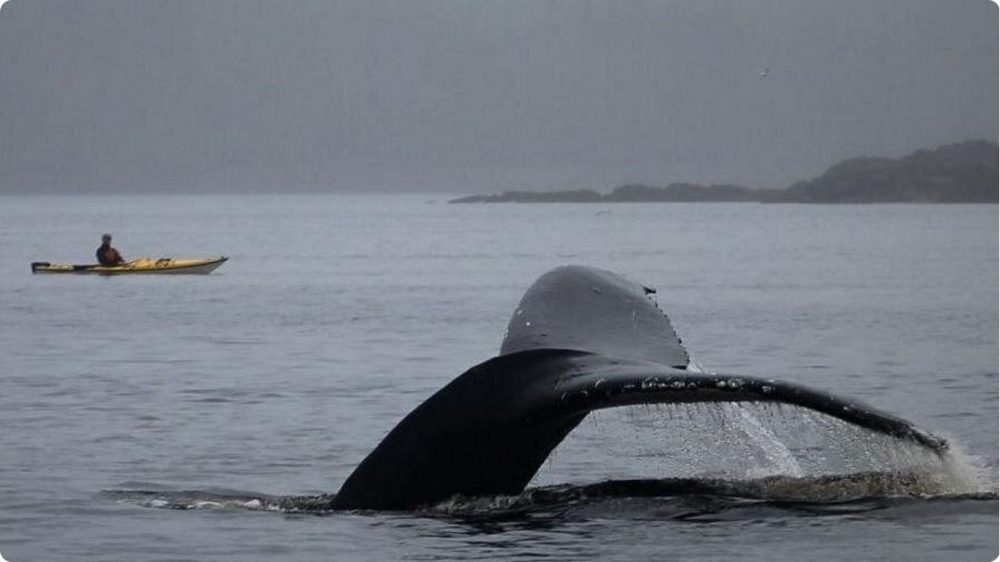
This guide is for travelers who want that quieter kind of magic without sacrificing things to do. These hidden vacation spots in USA are not “secret” in a gatekeeping way – they are simply overlooked, slightly out of the way, or overshadowed by a bigger neighbor. Each one comes with a practical planning angle: what it feels like, what to do, the best time to go, and the trade-offs so you can choose a destination that fits your style.
How to choose among hidden vacation spots in USA
Start with your non-negotiable. If you need easy flights and short drives, aim for underrated small cities near major airports. If you want true solitude, pick places with limited lodging or seasonal access and book earlier.
Also be honest about what “hidden” means to you. Some places are quiet on weekdays but lively on weekends. Others are calm most of the year but spike during one festival or a short peak season. If you travel with kids or a group, a destination that is “sleepy” can be perfect – or it can mean fewer dining options and earlier closing times.
1) Apostle Islands, Wisconsin
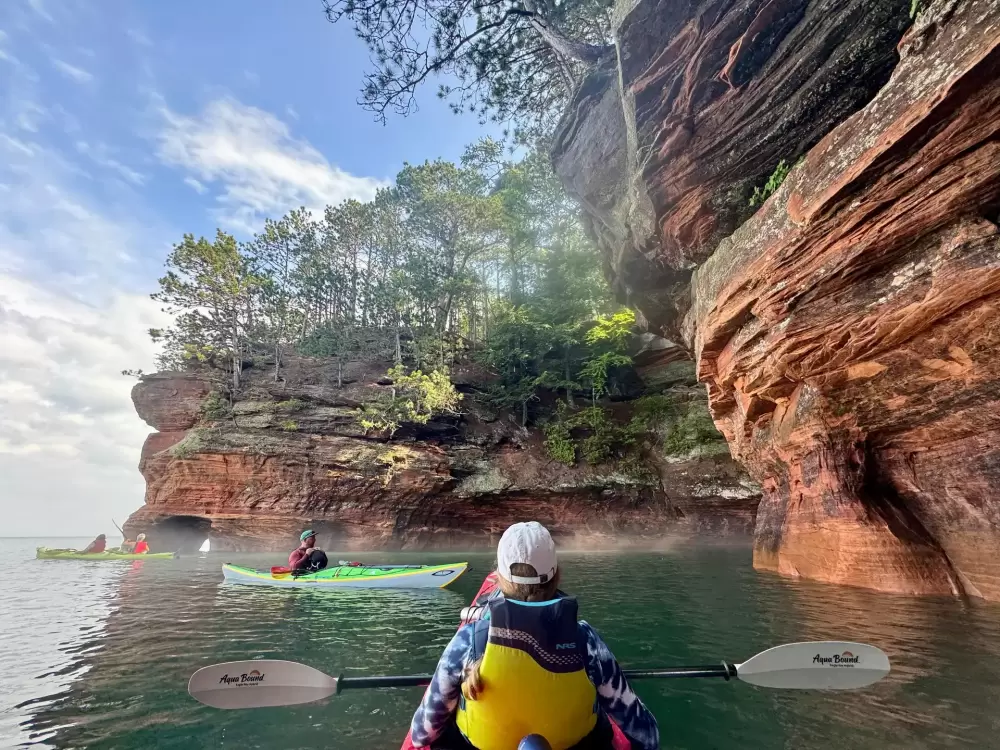
Lake Superior changes your expectations fast. The Apostle Islands feel like a freshwater coast with sea caves, beaches, and that clear, cold-blue horizon that makes you forget you are in the Midwest.
The signature experience is getting out on the water: kayak routes around the mainland sea caves near Bayfield in summer, and the famous ice caves when winter conditions allow (not every year). On land, you can hike in the national lakeshore and build your day around viewpoints and quiet beaches.
Best time to go: late June through September for kayaking and sailing. Winter is a high-risk, high-reward trip that depends on ice conditions.
Trade-off: weather on Superior is unpredictable. Pack layers even in July and build buffer time into your itinerary.
2) Cumberland Island, Georgia
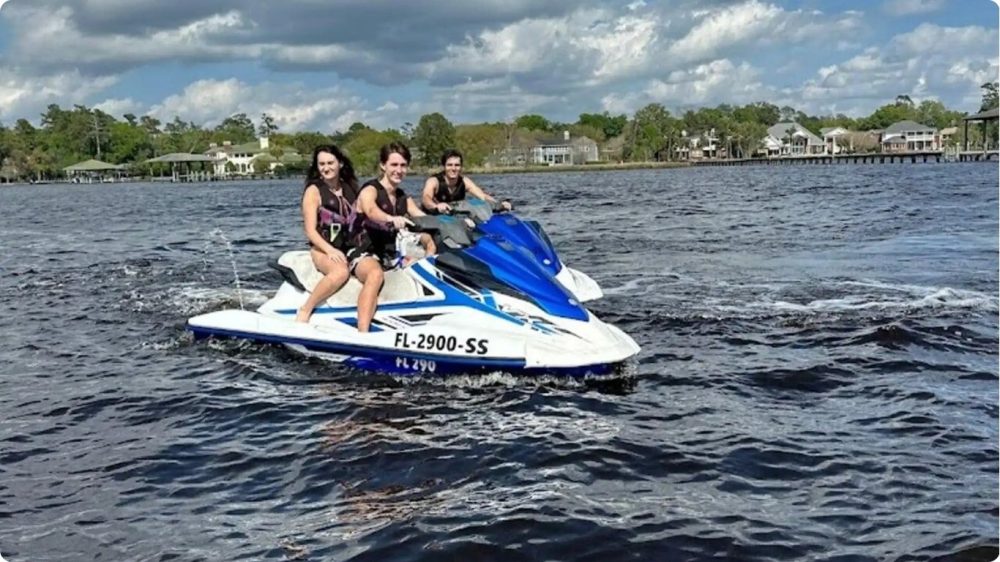
If you want a beach trip that feels like you found a different decade, Cumberland Island delivers. Think wide, empty shoreline, maritime forests, and wild horses that make every walk feel slightly surreal.
You will take a ferry from St. Marys, then explore by foot or bike. The ruins of Dungeness Mansion are haunting in the best way, and the island’s trails are made for slow travel: picnic lunches, long photo stops, and zero rush.
Best time to go: spring and fall for fewer bugs and comfortable temperatures.
Trade-off: amenities are limited. Bring what you need, and if you want to camp or stay overnight, plan and reserve early.
3) Driftless Area, Wisconsin and Iowa
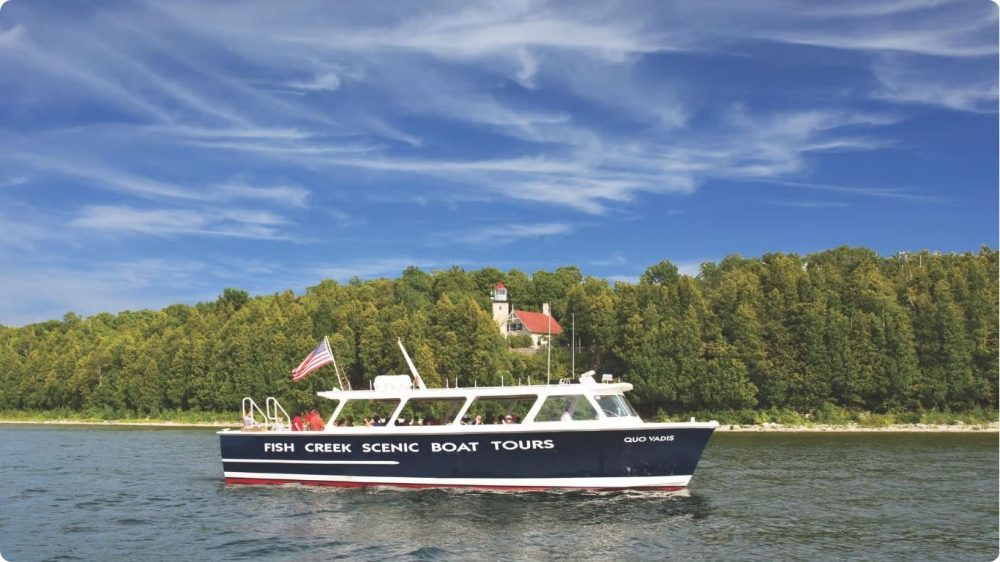
The Driftless Area is a whole landscape that most people cannot place on a map, which is exactly why it works. It is a region of bluffs, trout streams, rolling farmland, and small river towns that feel like a reset button.
Base yourself near places like Viroqua, Wisconsin, or towns along the Mississippi River in Iowa and Wisconsin. The pace is gentle: scenic drives, farm-to-table meals, easy hikes, fly fishing, and cozy stays that lean more “local inn” than “big resort.”
Best time to go: September and October for fall color, or late spring for wildflowers.
Trade-off: nightlife is not the point here. If you want late-night energy, pair it with a city stop before or after.
4) San Juan Islands, Washington (outside peak summer)
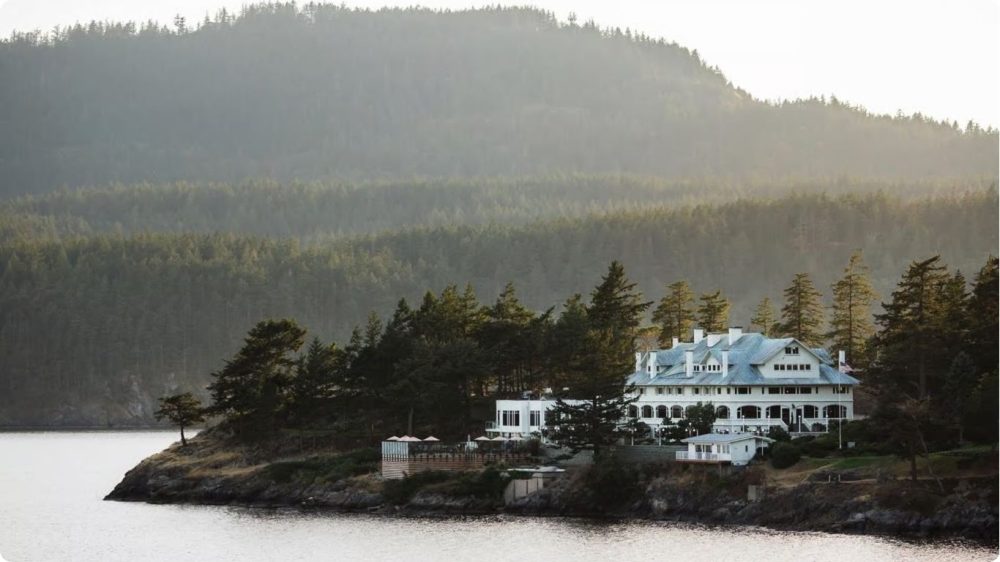
The San Juans are not unknown, but most travelers only consider them in July and August. Go in the shoulder seasons and they become a different experience – misty mornings, empty roads, and that calm, salt-air feeling that makes you slow down.
Friday Harbor is an easy base, and the islands reward simple days: lighthouse views, tide pooling, farm stands, and whale watching depending on timing. You can drive onto some ferries or go car-free and bike.
Best time to go: May and early June, or September for better availability and fewer crowds.
Trade-off: ferry logistics require flexibility. Weekends book up, and weather can affect plans, so confirm schedules and keep your itinerary loose.
5) Great Basin National Park, Nevada
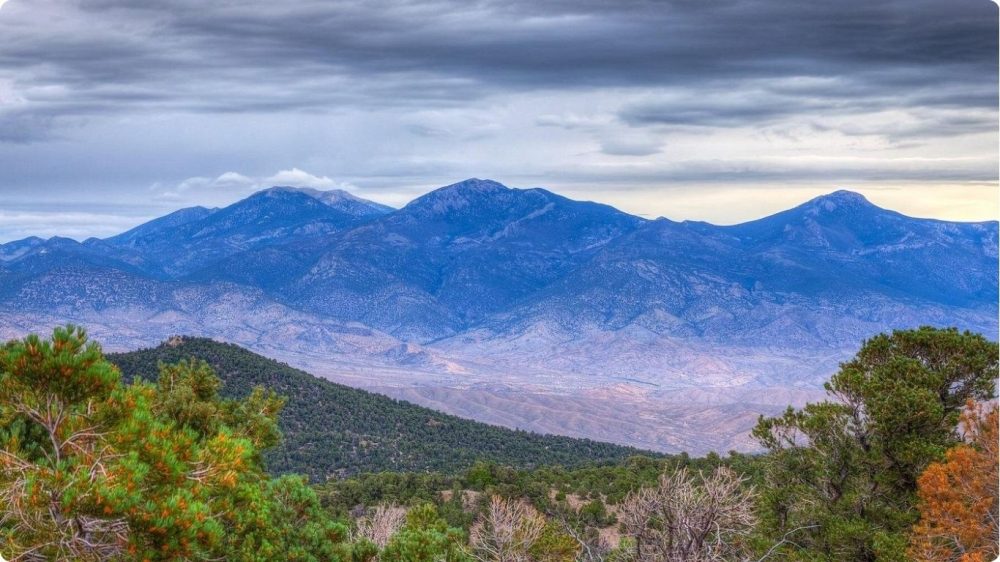
This is one of the most satisfying “why is no one here?” parks in the country. Great Basin has alpine scenery, ancient bristlecone pines, and Lehman Caves, all wrapped in big, quiet skies.
You can hike to lakes and ridgelines, tour the caves, and at night, experience truly dark skies. If you have ever wanted to see the Milky Way without trying too hard, this is your park.
Best time to go: late June through September for accessible trails. Nights can still be cold.
Trade-off: services are minimal and distances are real. Fuel up, pack food, and do not underestimate drive times.
6) Point Reyes National Seashore, California (midweek)
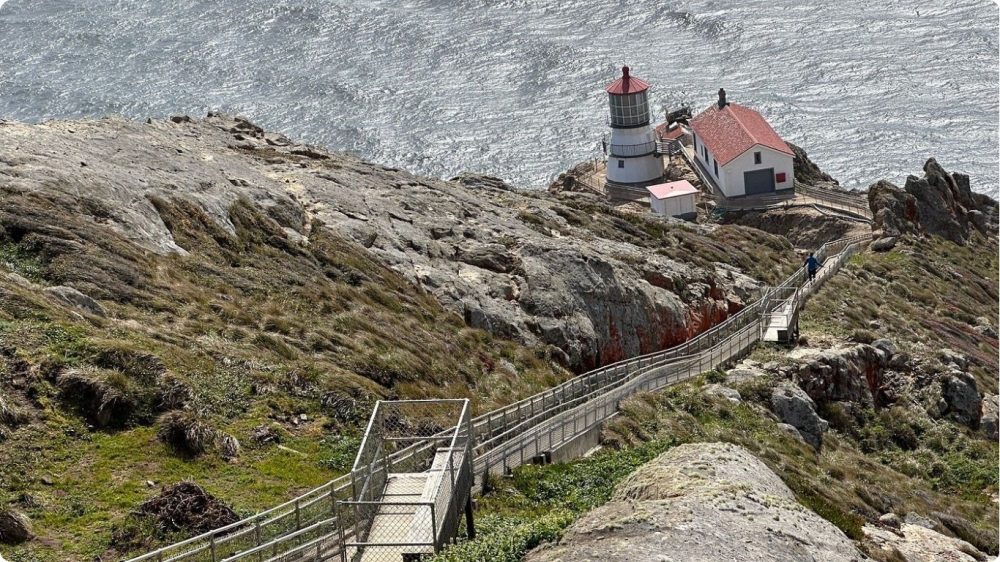
Point Reyes is the antidote to a packed California itinerary. It is close enough to San Francisco for convenience but feels removed – cliffs, fog, cypress trees, and beaches that can be wild rather than sunbather-busy.
Plan a day around the lighthouse, a hike with ocean views, and a stop for local oysters. Wildlife sightings are common, and the whole place has that coastal Northern California mood that photographers chase.
Best time to go: September and October often bring clearer days after summer fog, but any season has its own charm.
Trade-off: parking and weekend crowds can be frustrating. If you can swing it, go midweek and start early.
7) Door County, Wisconsin (late spring)
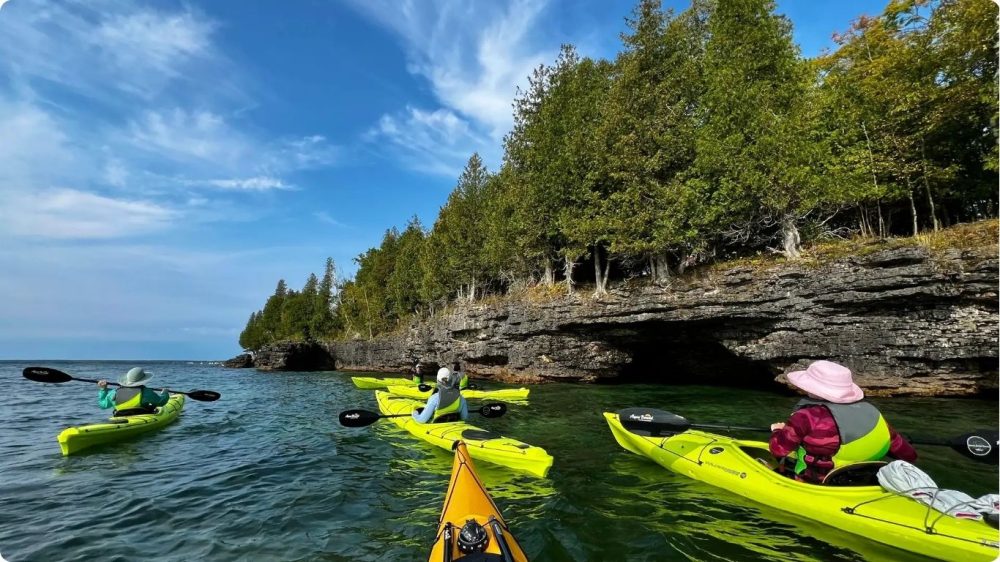
Door County gets compared to Cape Cod for a reason, but it still feels like an under-the-radar Great Lakes escape if you time it right. Late spring brings blooming orchards, quiet shoreline drives, and easier restaurant reservations.
Your days can be as active or relaxed as you want: state parks, lighthouses, beach walks, and small towns with galleries and bakeries. It is ideal for couples and families because it is easy to plan without overplanning.
Best time to go: May to mid-June, or September for pleasant weather and lighter crowds.
Trade-off: peak summer fills fast and costs more. If budget matters, shoulder season is your friend.
8) Marfa, Texas (and the Big Bend triangle)
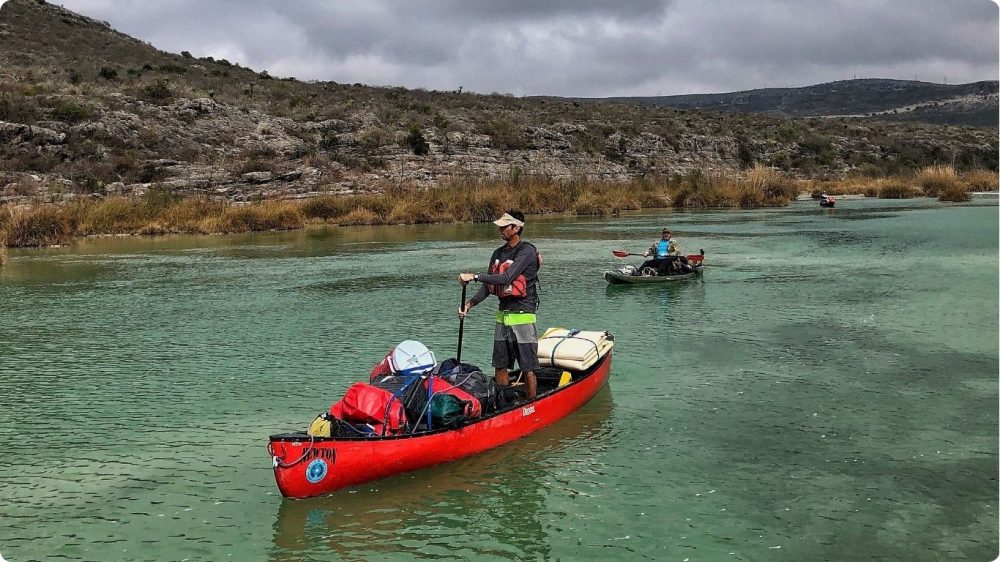
Marfa is small, artsy, and a little strange – the good kind of strange that wakes up your curiosity. Most travelers come for the art installations and stay for the wide-open West Texas vibe.
Pair Marfa with nearby stops like Alpine or a longer loop down toward Big Bend for desert hikes and epic sunsets. Nights are made for stargazing and slow dinners, not packed itineraries.
Best time to go: March to April and October to early November for comfortable temperatures.
Trade-off: it is remote. Lodging can be limited, and you will need a car and a realistic sense of drive times.
9) The Berkshires, Massachusetts (after leaf-peeping)
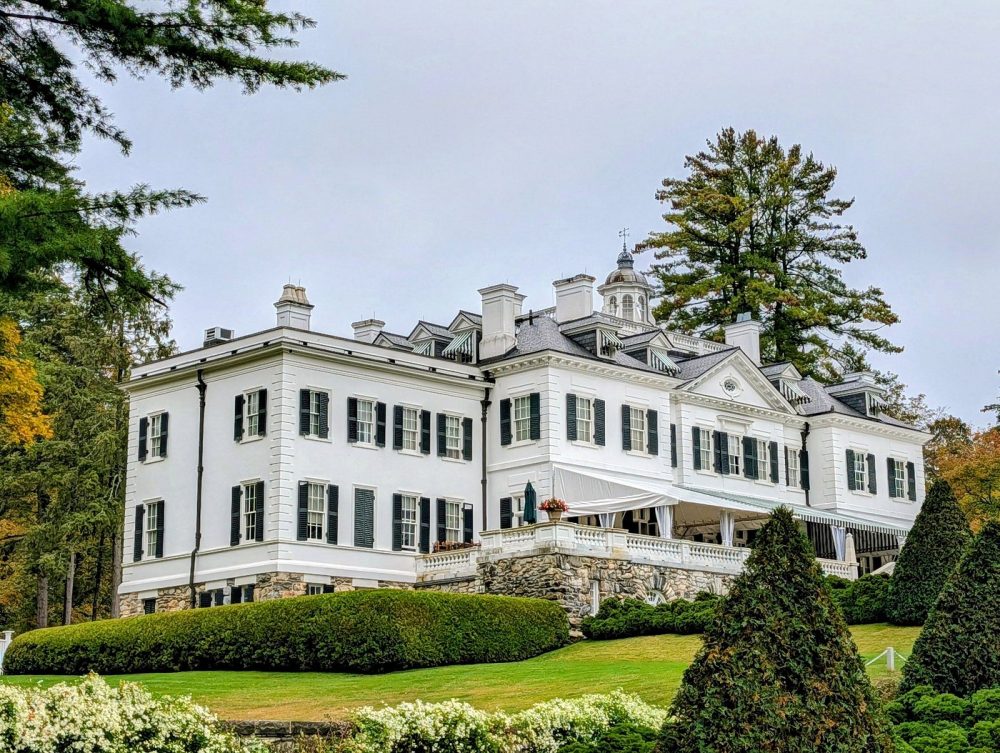
The Berkshires are known for fall foliage, but they are quietly wonderful right after the peak. Crowds thin, rates often soften, and you still get crisp air, scenic drives, and that classic New England coziness.
This is a choose-your-own-adventure getaway: hikes, small museums, live performances, farm stands, and boutique inns. It works for a romantic weekend or a friend trip where everyone wants something slightly different.
Best time to go: late October through November, and again in winter if you like snow and fireplaces.
Trade-off: some seasonal spots reduce hours after peak fall. Check schedules before you build your must-do list.
10) Blue Ridge, Georgia (weekdays, not weekends)
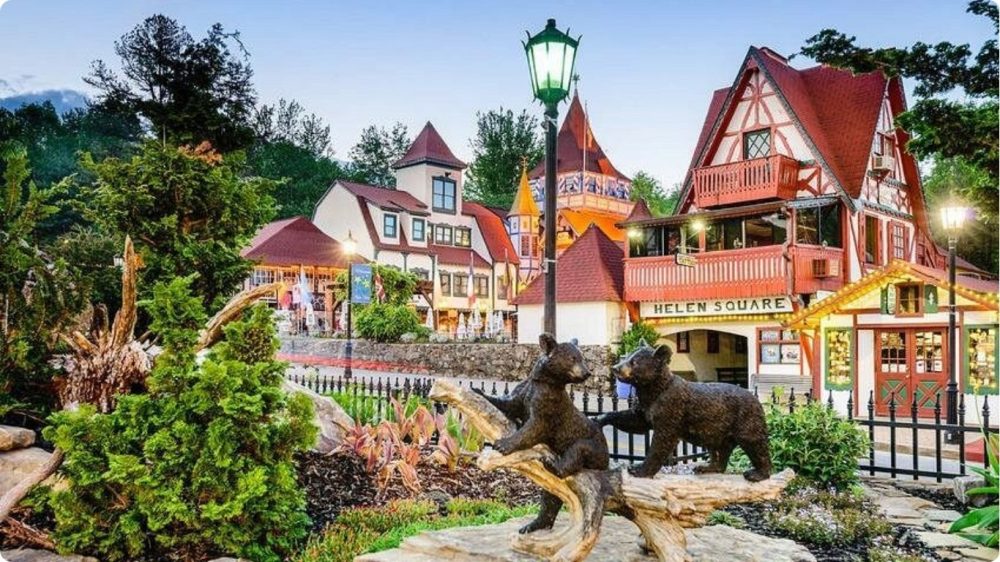
Blue Ridge hits the sweet spot for an easy cabin escape: mountains, lake days, and a walkable small-town center with breweries and shops. On weekends, it can feel busy. On weekdays, it feels like you got ahead of the secret.
Hike in the Chattahoochee National Forest, take a scenic train ride if you want something low-effort, and build in time for porch sitting. This is the kind of trip that actually lowers your shoulders.
Best time to go: April to May, or September to early November.
Trade-off: popular fall weekends book far in advance. If your dates are fixed, reserve lodging first and plan activities second.
11) Ketchikan, Alaska (the rainforest side)
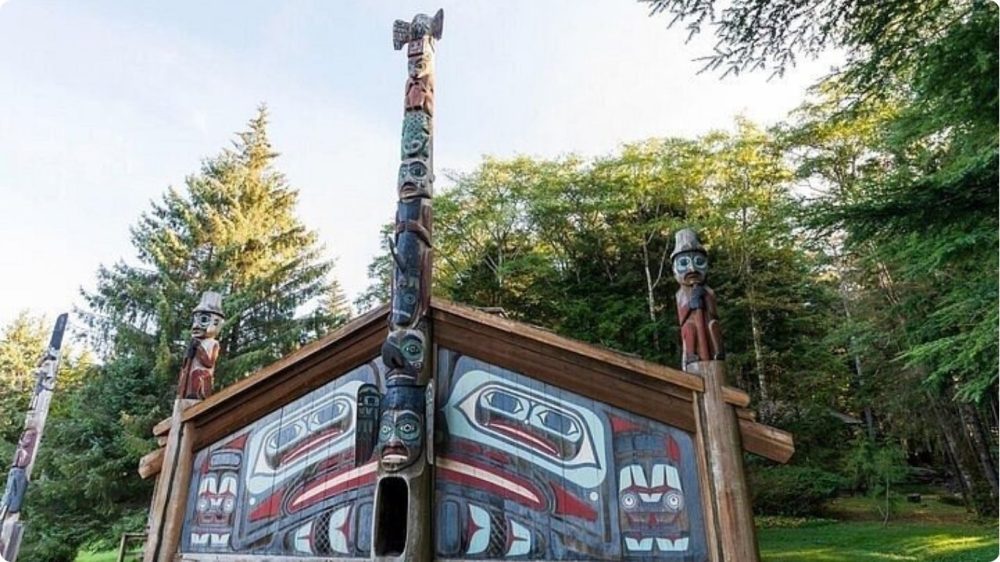
Most Alaska itineraries lean Denali or glaciers. Ketchikan gives you a different Alaska: temperate rainforest, coastal culture, and wildlife right at the edge of town.
It is a strong pick if you want a shorter Alaska trip that still feels big. You can focus on hiking, fishing, and learning about Indigenous art and history, then end the day with the kind of seafood dinner that makes you rethink your usual vacation meals.
Best time to go: June through August for milder weather, or May and September for fewer crowds.
Trade-off: rain is part of the deal. Pack a real rain jacket and plan activities that still feel fun in drizzle.
12) North Shore, Minnesota (beyond Duluth)
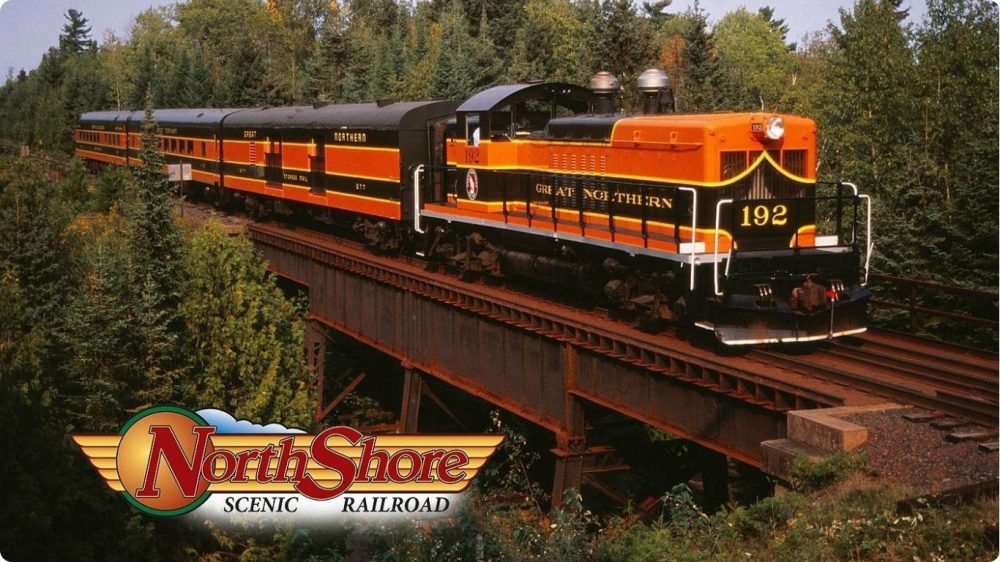
Drive north from Duluth and the shoreline turns dramatic – rocky beaches, waterfalls, and Lake Superior stretching out like an ocean. Towns like Grand Marais have a creative, outdoorsy feel that makes it easy to settle in.
This is a destination that supports both short and long trips. You can do a weekend of scenic stops, or build a full week around hiking, kayaking, and day trips along the coast.
Best time to go: late summer for warmest water temps (still cool) and stable weather, or September for color.
Trade-off: distances add up quickly. Map your days so you are not constantly packing and unpacking.
A simple way to plan your trip without overthinking it
If decision fatigue is creeping in, pick your “trip type” first: water-and-coast (Apostle Islands, Point Reyes, North Shore), small-town charm (Door County, Berkshires, Blue Ridge), or wide-open adventure (Great Basin, Marfa, Ketchikan). Then choose your season and work backward to lodging.
If you want more destination ideas and planning help that gets you from dreaming to booking faster, you can keep building your itinerary library at TravelInnTour.com.
The best hidden trips are not the ones nobody has heard of – they are the ones that match your timing, your pace, and your tolerance for a little extra effort. Pick the place that feels doable, commit to it, and leave enough open space for the moment you came for: the one where the noise drops and the vacation finally starts.
Save It On Pinterest






Leave a Comment