
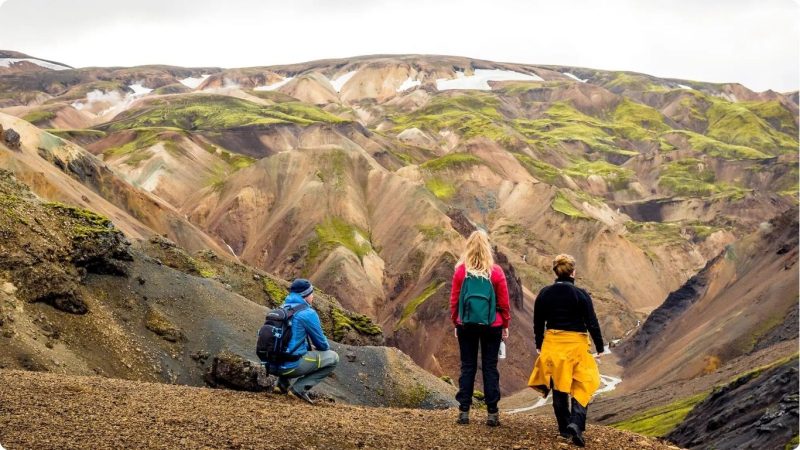
Exploring the best hiking destinations in the USA is a journey through diverse landscapes, each offering its own unique set of adventures. Whether you’re a seasoned hiker or someone looking to enjoy a leisurely stroll through nature, these top hiking spots promise experiences that will leave you in awe. From rugged mountain trails to serene coastal paths, the USA boasts a multitude of hiking adventures that cater to every kind of outdoor enthusiast. Here are the best hiking destinations in the USA for 2026.
Key Takeaways:
- Diverse landscapes across the U.S.-Pacific Northwest rainforests, Sierra and Rocky alpine routes, Southwest canyons, coastal paths, and Alaska backcountry-offer trails for all skill levels.
- Hiking is a year-round activity with seasonal highlights (spring wildflowers, summer high-country, fall foliage, winter snow); always check trail conditions, weather, and elevation-specific hazards before heading out.
- Top 2026 destinations and bucket-list routes include Yosemite (Mist Trail, Half Dome), Grand Canyon (Bright Angel), Zion (Angel’s Landing), the Appalachian Trail, and Alaska’s Tongass-plan permits, trailhead access, and guided options as needed.
Best Hiking Destinations USA
Pacific Northwest Trails Hiking
Temperate rainforests and waterfall-choked corridors define this region: Olympic National Park’s Hoh River Trail (≈17 miles to Blue Glacier) and the Columbia River Gorge’s Eagle Creek and Multnomah Falls deliver classic scenery. Hikers should note heavy rainfall and slippery, moss-covered routes can turn easy miles into technical footing, while the payoff is old-growth forest, multi-tiered falls, and cool summer temps that attract he, she, and they seeking verdant routes.

Rocky Mountain Ranges Hiking Destinations
High-alpine terrain dominates: Colorado’s Longs Peak (14,259 ft) and Emerald Lake Trail (≈3.6 miles round trip) are emblematic, alongside Maroon Bells and the San Juan Range. Trail conditions vary rapidly; altitude illness is a real risk above 10,000 ft, so he, she, and they should pace ascents, carry extra layers, and aim for July-September for the most reliable snow-free access.
Seasonal timing matters: many classic routes remain snowbound into June and early July, while fall delivers spectacular aspen color across 8,000-12,000 ft ridgelines. Day-hike options range from short lake circuits to multi-day traverses; technical climbs include several Colorado 14ers (about 58 peaks) appealing to experienced mountaineers. For planning other prime-park windows and alternate spring options, consult resources like 10 Best US National Parks to Visit in March 2026.
Southwest Canyons Hiking
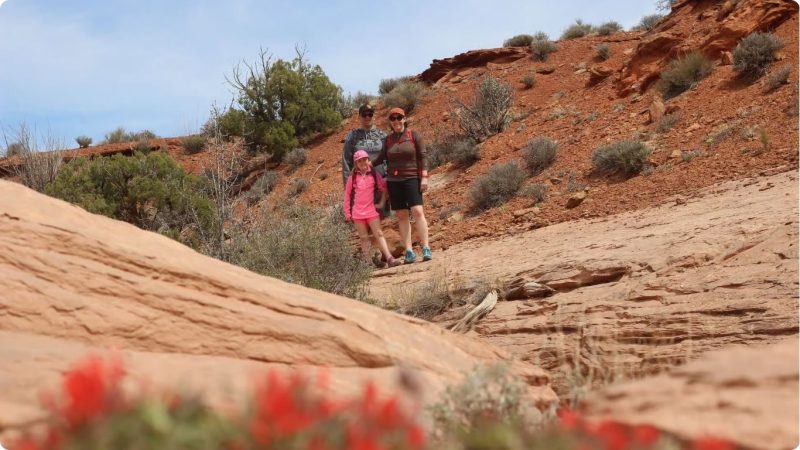
Deep canyons and sandstone monoliths define the Southwest: Bright Angel Trail in Grand Canyon, Angel’s Landing in Zion, and Bryce’s Navajo Loop showcase dramatic elevation change and exposed ridge-lines. He, she, and they must respect extreme heat and sudden flash-flood risks in slot canyons; still, the region rewards with otherworldly redrock vistas and slot-carved corridors unmatched elsewhere in the U.S.
Permit systems and timing are necessary: Angel’s Landing now requires a permit, The Wave and some Antelope Canyon tours run via lottery or Navajo-guided access, and shoulder seasons (March-May, Sept-Nov) offer the safest temps and best light for photography. Hikers should carry extra water, start before peak heat, and monitor local canyon flash-flood forecasts when entering narrow washes or slots.

Iconic National Parks for Hiking
Yosemite National Park
On trails like the Mist Trail to Vernal Falls (about a 4-mile round trip), he, she, and they encounter towering granite walls and thundering waterfalls; Half Dome remains the signature challenge at roughly 14-16 miles round trip with ~4,800 ft elevation gain. Hikers should note exposed granite slabs and sudden afternoon storms; carrying layers and approaching cables with caution separates a memorable summit from a hazardous scramble.
Yellowstone National Park
Spanning primarily in Wyoming with over 1,000 miles of trails, he, she, and they traverse geyser basins, colorful hot springs, and high plateau routes; routes range from short boardwalk hikes to multi-day backcountry treks. The presence of wildlife – especially bears – and fragile thermal ground makes staying on designated paths and observing posted warnings vital.
For deeper exploration, trails such as Mount Washburn (summit ~10,243 ft, about a 6-mile round trip) offer panoramic views and seasonal wildflower displays; Upper Geyser Basin provides concentrated geothermal sightings around Old Faithful. Backcountry camping requires a permit, and he, she, and they should plan for rapid weather swings, pack bear-aware food storage, and expect trail closures near thermal features-thermal scalding and wildlife encounters are the park’s principal hazards.
Grand Canyon National Park
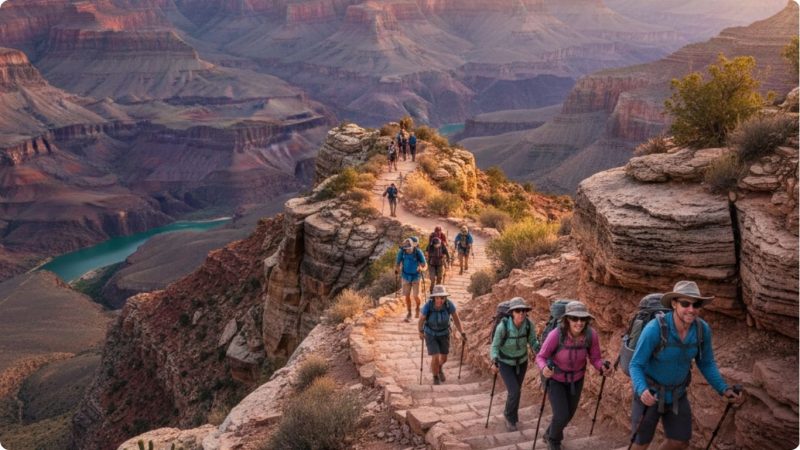
The Bright Angel Trail gives direct access into the canyon with options for short descents or full rim-to-river ventures; hikers encounter layered sandstone vistas and steep gradients where heat and dehydration present the biggest risks. Favor early starts, measured pacing, and an appreciation that descending is easy but the climb out is strenuous.

More precisely, Bright Angel to the river is roughly 9.5 miles one-way with an elevation change near 4,380 ft from South Rim to Colorado River; rim-to-rim routes commonly exceed 20 miles. Permits are required for overnight river or backcountry camps, and he, she, and they must plan water resupply, avoid mid-day summer exertion when temperatures often exceed 100°F, and respect trail signage on steep, exposed sections.
Coastal Hikes and Seaside Trails
California Coastal Trails
He, she, and they can tackle the 38.5‑mile Trans‑Catalina Trail for multi‑day coastal backpacking or pick shorter routes near Big Sur and Point Reyes for dramatic ocean overlooks; many sections feature exposed cliffs and sneaker‑wave risk, limited shade, and variable water sources, so hikers should plan daily mileage and permits in advance.
Maine’s Atlantic Pathways
He, she, and they will find Acadia National Park’s Ocean Path (~2 miles from Sand Beach to Otter Point) and Schoodic Peninsula loops offering raw sea vistas, rocky ledges, and tidal shelves; watch for steep cliffs, sudden fog, and strong rip currents that make timing and footwear important.
He, she, and they should note Acadia’s more technical routes-like the Precipice and Beehive Trails-deliver exposed scrambling and iron rungs over granite; seasonal highlights include fall foliage and seabird colonies, while practical details matter: many coastal trailheads have limited cell reception, pay parking, and variable trail signage, so consult tide tables and park maps before heading out.
Florida’s Tropical Hikes
He, she, and they can enjoy Canaveral National Seashore and the 5‑mile Castle Windy Trail through coastal hammock and dunes; trails are low‑elevation and accessible but carry high heat, humidity, and heavy insect activity in summer, so early starts and plenty of water are recommended.
He, she, and they will encounter abundant wildlife-manatees, shorebirds, and nesting sea turtles-plus hazards like freshwater alligators and seasonal hurricanes (June-November); lightweight protection, insect repellent, and monitoring NOAA forecasts improve safety, while boardwalk sections and interpretive signage make these hikes rewarding for families and birders.
Best Hiking Trails in Urban Areas
New York City’s Green Spaces
They can traverse a mix of long loops and pocket parks: the Central Park 6.1-mile loop offers varied terrain and skyline views, the elevated High Line (1.45 miles) delivers curated plantings and city vistas, and Pelham Bay Park (2,772 acres) provides the closest feel of wilderness. He or she should plan for heavy pedestrian traffic on weekends, use multiple subway access points, and expect seasonal mud on lesser paths after rain.
Chicago’s Lakefront Trail

They follow an 18.5-mile paved corridor from the city’s north side to the south, linking beaches, parks, and cultural stops-Millennium Park, Museum Campus and dozens of beaches-while offering uninterrupted Lake Michigan views; he or she must share the path with cyclists and runners and watch for gusty winds off the lake.
Segments vary: the north section near Oak Street and North Avenue Beach is bustling and ideal for people-watching, the Lincoln Park stretch passes the zoo and conservatory, and the Museum Campus section gives access to Soldier Field and Adler Planetarium. They should time longer rides to avoid midday crowds, use rental bikes at CTA-adjacent hubs, and heed high-wave closures and strong crosswinds during storms.
San Francisco’s Coastal Walks
They will encounter dramatic cliffs, bridge panoramas and fog-swept headlands: the Lands End Trail (~3.4 miles) winds to Mile Rock Point, the flat Crissy Field promenade (about 1.5 miles) suits accessible walking, and short spur trails reveal the Golden Gate Bridge from multiple angles; he or she should prepare for slick rocks and frequent marine layer visibility issues.
Trail surfaces change quickly-packed dirt, stairs, and rocky overlooks-so footwear with good traction is recommended. They can combine a Lands End loop with the Sutro Baths ruins and the Coastal Trail for a 4-6 mile outing, catch sunset from Baker Beach, or opt for an easy, stroller-friendly stretch at Crissy Field. Coastal currents and falling rocks make awareness vital; heed posted warning signs and tide advisories.
Family-Friendly Hiking Adventures
Kid-Friendly Trails in National Parks
Families often choose short, paved routes with interpretive signage; he, she, and they will find kid-friendly options like Yosemite’s Lower Yosemite Falls (1.0-mile round trip), Acadia’s Ocean Path (2 miles) and Zion’s Lower Emerald Pools (≈1.2 miles). Park-run Junior Ranger activities pair a brief hike with hands-on tasks; well-marked paths reduce navigation issues while steep drop-offs at canyon rims demand close supervision.
Scenic Trails for Families: USA Hiking Trails
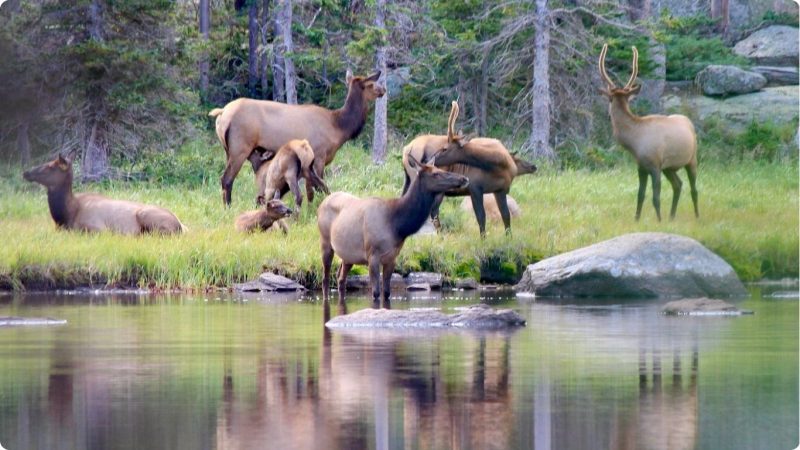
For panoramic views without long effort, families can try Shenandoah’s Stony Man (1.6 miles, ~400 ft gain), Rocky Mountain’s Bear Lake loop (0.6 miles) and Acadia’s Ocean Path (2 miles). He, she, and they will appreciate picnic spots, accessible overlooks and seasonal fall color; low elevation gain makes these routes ideal for mixed ages and short legs.
Peak viewing windows vary-late September to October in New England and mid-September in the Rockies-and parking often fills early, so he, she, and they should arrive early. When elevation gain exceeds ~500 ft or trails show ice, bringing traction devices helps; Stony Man’s lot commonly fills by 9:00 a.m., and many scenic loops include benches and short spurs for rest.
Educational Hikes for Children
Parks offer ranger-led walks and self-guided interpretive loops: Yellowstone’s boardwalks in the Upper Geyser Basin, Everglades’ Anhinga Trail (0.8 miles) for birdwatching and Glacier’s Trail of the Cedars (0.7 miles) for old-growth lessons. He, she, and they can combine short hikes with Junior Ranger booklets and observation checklists; interactive programming accelerates learning and engagement.
The National Park Service’s Junior Ranger program appears in nearly every park with free booklets; typical activities take 30-90 minutes and completion earns a badge. Ranger-led schedules vary by season, so he, she, and they should check park calendars; when wildlife is present, maintain at least 100 yards from bears/wolves and 25 yards from bison/horses, and pack binoculars, a field guide and a clipboard for notes.
Best Time to Hike in Different Regions
Seasonal Considerations
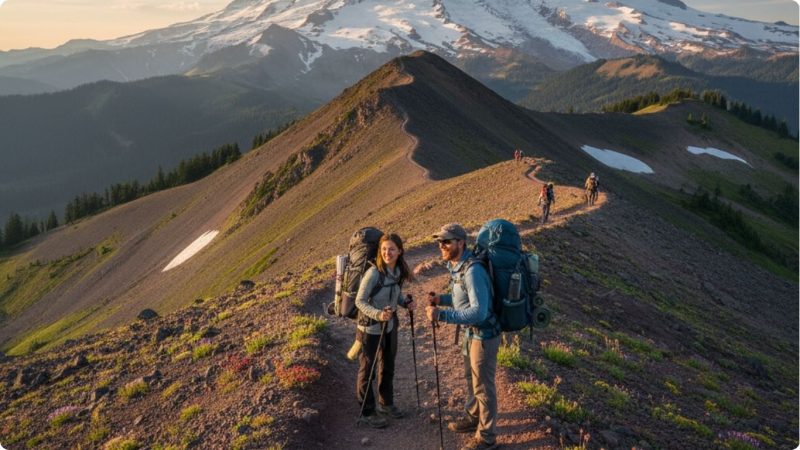
Seasons shape trail selection: they often choose spring (April-June) for lower-elevation Rockies and Pacific Northwest wildflowers, summer (June-September) for high Sierra, Alaska and long alpine routes, fall (September-October) for East Coast foliage and Colorado aspens, and winter (December-February) for desert hikes in Arizona or Florida. Hikers should note avalanche danger peaks December-April at higher elevations and that monsoon and extreme heat in July-August make many Southwest routes hazardous.
Weather Patterns Across Regions
Pacific Northwest sees its wet season roughly November-March, while the Rockies face late snowmelt from April-June above 8,000 ft. The Southwest has a summer monsoon (July-August) producing thunderstorms and flash floods; the Southeast and Gulf Coast contend with hurricane season (June-November), peaking August-September. Alaska’s prime hiking window is June-August under the midnight sun. Hikers must account for elevation-driven cooling-about 3.5°F per 1,000 ft-when planning.
Specific examples matter: Yosemite’s high-country trails typically clear in July, whereas Longs Peak’s Keyhole Route can retain snow into July at 14,000 ft. Grand Canyon rims hit >100°F in summer, making rim-to-river hikes risky; Death Valley often exceeds 120°F. In contrast, Hoh Rainforest records heavy annual precipitation, so they should expect muddy trails and bring rain gear. Western wildfire season often peaks late summer into September, forcing closures and poor air quality.
Popular Hikes for Each Season
Spring highlights include the Burroughs Mountain Trail and Yosemite Valley lower trails as snow recedes; summer favorites are Half Dome (permit required), the Hoh River Trail and Alaska’s Harding Icefield Trail; fall showcases Acadia’s Ocean Path, Shenandoah and Colorado’s Maroon Bells for foliage; winter suits lower-elevation Arizona routes like Camelback and low-lying Grand Canyon rim walks. They must weigh crowds, heat, and snowpack when choosing.
For example, Half Dome cables usually operate late May-September when the granite is snow-free and permits are enforced, making summer the only practical season. Angel’s Landing and Zion are best in spring or fall to avoid summer heat and high visitor counts. Meanwhile, Denali and Glacier send most hikers to June-August for trail access and safer creek crossings. They should plan around park-specific opening dates, avalanche bulletins, and local fire or flood advisories to match trail conditions to the season.
Hiking Safety and Preparedness
Essential Gear for Every Hiker
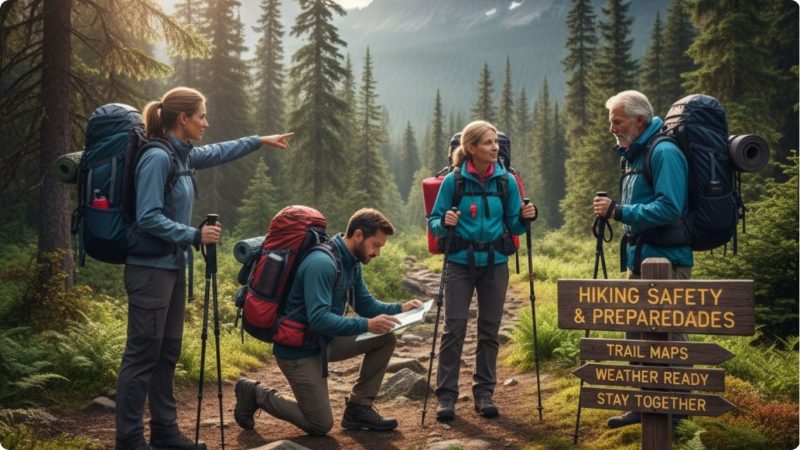
He or she should pack the classic ten crucials: a topographic map and compass, reliable navigation device, at least 2 liters of water for a half-day (3-4 L in desert heat), layered clothing, waterproof shell, headlamp with extra batteries, a basic first-aid kit, multitool, firestarter, and an emergency shelter. They will also benefit from trekking poles for unstable terrain and bear spray where bears are present.
Navigating Wilderness
They must use at least two navigation methods-paper map and compass plus GPS or downloaded offline maps-and carry spare batteries or a power bank. He or she should set a strict turnaround time, note elevation gain per mile (e.g., 1,000 ft per mile is steep), and file a trip plan with park rangers or a trusted contact before heading into remote areas like the Tongass or high Sierra basins.
More detailed route-finding involves triangulation with a compass and referencing contour lines on a topo map to avoid false summits and cliffs; for example, plotting daily mileage that accounts for 1,500-2,000 ft of elevation gain reduces overruns. They should program waypoints into a GPS and test the device, download USGS or Gaia offline tiles, and learn to navigate in whiteout or dense forest. Carrying a personal locator beacon (PLB) or satellite messenger significantly shortens rescue time when cell service is absent.
Encountering Wildlife
They must keep distance: the NPS guideline recommends staying at least 100 yards (91 m) from bears and wolves and 25 yards (23 m) from other wildlife. He or she should store food in bear-resistant containers where required, keep dogs leashed, and avoid approaching or feeding animals; close encounters often occur when hikers stray off established trails or congregate at animal viewing spots in parks like Yellowstone.
More practical responses depend on the species: with bears, they should not run, speak calmly, make themselves appear large, and deploy bear spray if the animal approaches within ~25-30 feet; for mountain lions, maintain eye contact, raise arms, and back away slowly while picking up children. They should learn local protocols-some parks mandate bear canisters in backcountry-and log sightings with rangers to inform trail advisories and reduce repeat incidents.
Cultural and Historical Hikes in the USA
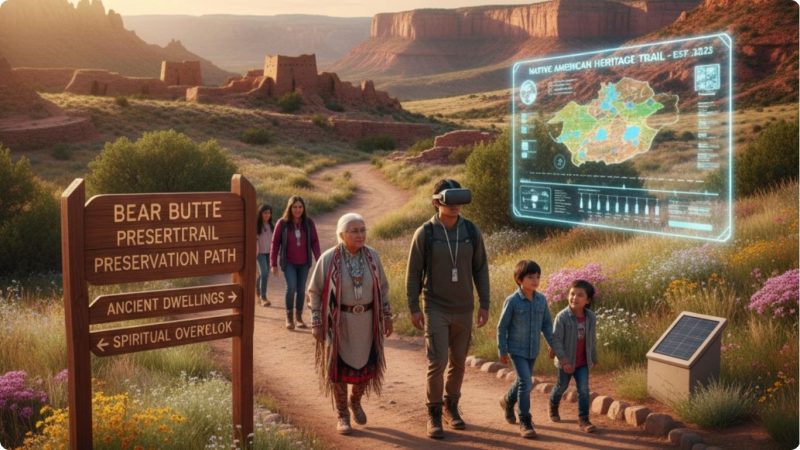
Native American Heritage Trails
Trails tied to Indigenous history range from the Trail of Tears National Historic Trail (over 5,000 miles across nine states) to Chaco Culture sites in New Mexico, where he, she, or they can view ancestral great houses dating from roughly 850-1250 CE. Hikes near Canyon de Chelly offer cliff-dwelling overlooks, and access to canyon floors often requires Navajo-guided tours or permits, reinforcing respect for sacred sites and local regulations.
Civil Rights Trail: Hiking Adventures USA
The Civil Rights Trail links over 100 sites across 14 states, including Edmund Pettus Bridge (Selma), the 16th Street Baptist Church (Birmingham), and the National Civil Rights Museum (Memphis). He, she, and they can follow commemorative segments like the 54-mile Selma-to-Montgomery National Historic Trail, while also preparing for intense summer heat on many Southern routes.
Several march segments and urban walking tours provide interpretive signage and museum stops; for example, Selma’s march route is divided into manageable stages with towns offering water and lodging, but remote stretches demand planning. He, she, and they will find ranger-led programs at major sites, educational exhibits, and opportunities to combine short historical walks (0.5-3 miles) with in-depth museum visits.
Historical Landmarks along Hiking Routes: Best Hiking Destinations USA
Long-distance paths weave history into the landscape: the Appalachian Trail (more than 2,190 miles) crosses Harpers Ferry-home to the Appalachian Trail Conservancy-and Valley Forge preserves Revolutionary War encampments with roughly 35 miles of park trails. He, she, and they encounter battlefield markers, historic towns, and interpretive centers embedded along popular hiking corridors.
Examples include Boston’s Freedom Trail, a compact 2.5-mile walk linking 16 historic sites, and Harpers Ferry, where thru-hikers resupply and visit museums adjacent to trailheads. He, she, and they should plan routes to include visitor centers for context; many landmark-adjacent trails offer well-marked paths but can present steep or rocky sections that require sturdy footwear and measured pacing.
Environmental Conservation and Ethical Hiking
Leave No Trace Principles
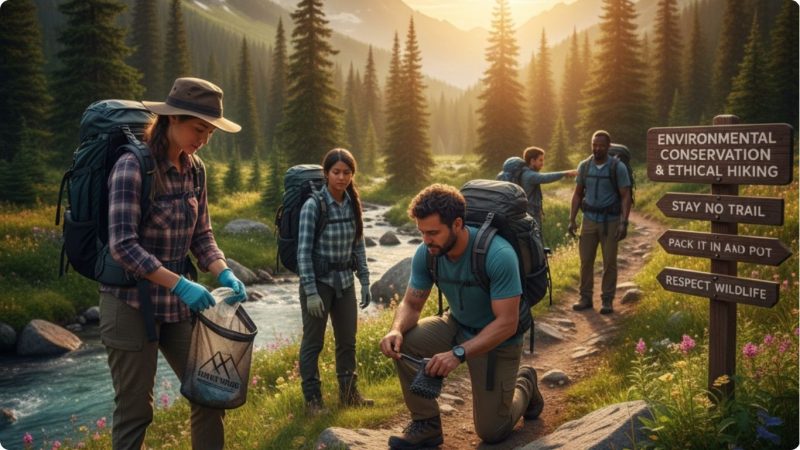
He, she, and they should adhere to the seven Leave No Trace principles: plan ahead, travel on durable surfaces, dispose of waste properly, leave what they find, minimize campfire impacts, respect wildlife, and be considerate of others. Bury human waste 6-8 inches deep and at least 200 feet from water, pack out toilet paper and hygiene items, and use a stove instead of open fires to prevent scarring and wildfire risk. Park enforcement and fines back up these rules to protect trails and visitor safety.
Supporting Local Communities
He, she, and they can boost gateway economies by hiring local guides, staying in locally owned lodging, and buying from independent outfitters and restaurants; paying park fees, backcountry permits, and guided-trip fees channels funds into maintenance and search-and-rescue. Trail stewardship groups such as the Appalachian Trail Conservancy and regional trail crews rely on volunteers and donations for upkeep, so contributions have direct, measurable impact.
When visiting places like Zion, Moab, or Acadia, he, she, or they should book lodging and services in gateway towns and choose midweek or shoulder-season dates to ease peak pressure; Zion’s Angels Landing permit system, introduced in 2022, exemplifies how regulated access reduces crowding and redirects revenue to rangers and infrastructure. Tipping guides, buying local guidebooks, and volunteering on trail-maintenance days keeps more money in the community and funds practical projects-trail repair, signage, and habitat restoration-that preserve the hiking experience for everyone.
Sustainable Hiking Practices
He, she, and they should reduce impact by selecting durable trails, carrying reusable water filters (e.g., Sawyer or SteriPEN), and avoiding single-use plastics; limiting group size and camping on established sites prevents trail erosion, since alpine and desert vegetation can take decades to recover from trampling. Choosing public transit or carpooling to trailheads also lowers the trip’s carbon footprint.
More advanced practices include cleaning boots and gear to stop invasive seeds, using a lightweight stove year-round to eliminate campfire scars, and adopting approved human-waste pack-out systems where required; several high-use parks now mandate pack-out or vault toilets in fragile zones. He, she, or they should carry a small repair kit to avoid abandoning damaged gear and pack a micro-trash kit (toilet paper, wrappers, tape) to remove every last item. Combining these steps with awareness of park-specific rules-permit quotas, seasonal closures, and wildlife buffer zones-keeps ecosystems resilient and hiking opportunities sustainable.
Frequently Asked Questions: Best Hiking Destinations USA
What are the top-rated hiking trails suitable for couples in the US?
Couples often favor Zion’s Angel’s Landing (≈5.4 miles RT) for its spectacular views and adrenaline-filled final ridge, though they should note the exposed, dangerous chain section. For gentler options, Yosemite’s Mist Trail to Vernal Falls (~4 miles RT) offers close-up waterfalls, while Acadia’s Ocean Path (~2 miles) provides coastal vistas and sunset opportunities; they will find a balance of romance and challenge across these iconic choices.
Which hiking destinations in the United States are ideal for beginners?
Beginners commonly start in Yosemite Valley’s flat loop trails, Great Smoky Mountains’ well-maintained routes like Laurel Falls (~2.6 miles RT), and Acadia’s Ocean Path (~2 miles), where trail markers, low elevation gain, and nearby facilities make navigation straightforward; he or she and they will appreciate the easy access and positive learning environment for early-season outings.
Beginner-friendly destinations combine short distances (1-5 miles), modest elevation gains (<1,000 ft), and available services: Yosemite Valley shuttle, Great Smoky Mountains visitor centers, and Acadia’s park infrastructure. They should plan hikes in spring-fall, carry water in summer, and avoid high-elevation routes until they build fitness. Rangers often post real-time trail conditions, and day hikes usually require no permits, though he or she must respect seasonal hazards like sudden storms and slippery waterfall approaches.
Can you list the must-visit hikes that should be on everyone’s bucket list in the USA?
Top bucket-list hikes include Yosemite’s Half Dome (iconic summit ridge), the Appalachian Trail (≈2,190 miles for thru-hikers or section hikes), Grand Canyon routes such as the South Kaibab to Bright Angel loop, and John Muir Trail segments; they combine legendary scenery, varied difficulty, and memorable challenges that define American hiking.
Half Dome demands a permit and cable ascent on a ~14-16 mile route with ~4,800 ft gain; the Appalachian Trail spans ~2,190 miles and can take months to thru-hike but offers countless section options. The Grand Canyon’s rim-to-river routes require careful water and heat planning, while the John Muir Trail (~211 miles) is a multi-day alpine classic; he or she should secure permits, plan logistics, and train for exposure and altitude.
Best Hiking Vacations in the US for Couples
Romantic Getaways with Scenic Trails
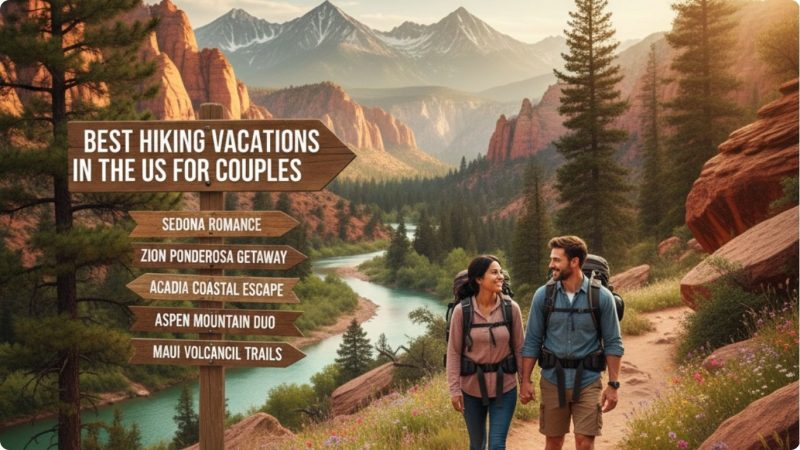
They often favor Glacier National Park’s Hidden Lake Overlook (approximately 2.8 miles round trip) and Acadia’s Ocean Path (about 2 miles) for sunset views; he or she may pair these with a picnic or a short sunset summit. Couples seeking dramatic exposure sometimes tackle Angel’s Landing (roughly 5.4 miles RT) but should note the narrow ridgeline and steep drop-offs that demand careful footing and steady nerves.
All-Inclusive Hiking Tours: Best Hiking Destinations USA
They can book operators like REI Adventures, Backroads, or Wilderness Travel for 5-10 day itineraries that include guides, meals, and transfers; typical daily distances run 6-10 miles. He or she benefits from lodge-to-lodge comfort and gear shuttles, while safety briefings and small group sizes (often 1:8 guide-to-hiker) reduce logistic stress on romantic trips.
Sample itineraries illustrate the value: a 7-day Glacier lodge-to-lodge tour averages 5-8 miles per day with guided wildlife-viewing windows and covered park permits, while a 6-day Colorado Rockies trip pairs fall-aspen hikes with local cuisine tastings. Operators usually handle permits, transport, and meals, and they enforce altitude protocols on routes above 8,000-9,000 ft to mitigate altitude sickness. Groups receive route briefings, bear-aware procedures in grizzly country, and optional shorter loops for partners preferring easier days, so couples can mix challenge and leisure without nightly campsite logistics.
Adventure and Relaxation Packages
They may combine a 4-7 mile morning hike with an afternoon soak at Glenwood Springs or Idaho hot springs; Glenwood Hot Springs is notable for its large mineral pool and easy access from Aspen-area trails. Couples choose mid-September to early October for aspens, and he or she often book spa treatments and gourmet dinners to offset strenuous trail segments and maximize recovery.
Typical packages run 3-5 days: mornings dedicated to guided 3-10 mile hikes (Maroon Bells loops or local canyon trails), afternoons featuring massages, thermal pools, or private hot tubs, and evenings with farm-to-table dining. Operators specify elevation gains and average times so couples can plan-routes above 7,500-9,000 ft include acclimatization days to reduce risk. These combos excel where accessibility meets luxury: gondola access in Aspen, shuttle drops in Telluride, and hot-spring transfers make it simple for partners to alternate harder and easier days while keeping shared memories central.
Highlighted Hiking Events and Festivals
Annual Hiking Gatherings: Best Hiking Destinations USA
National Trails Day (first Saturday in June), founded in 1993 by the American Hiking Society, mobilizes thousands of volunteers for trail maintenance and group hikes across the country; the Appalachian Trail Conservancy’s Trail Days in Damascus, VA (held in May) attracts thousands of hikers to workshops and vendor shows. They should plan for crowded trailheads, limited parking, and variable weather when attending these large-scale gatherings.
Guided Hiking Festivals
Guided hiking festivals pair certified leaders with curated routes-examples include multi-day programs run by the Grand Canyon Field Institute and REI Co-op Experiences; they typically span one to seven days and combine interpretive talks, gear demos, and on-trail leadership that helps hikers of varied skill levels.
Many national parks and organizations run guided festivals that limit groups to 10-20 participants, include mandatory safety briefings, and require permits for overnight backcountry segments; Glacier National Park’s ranger-led summer series and Grand Canyon Field Institute’s technical treks illustrate how guided festivals reduce risk, provide local-route expertise, and often include logistics like shuttles, campsite reservations, and permit assistance.
Educational Hikes and Workshops
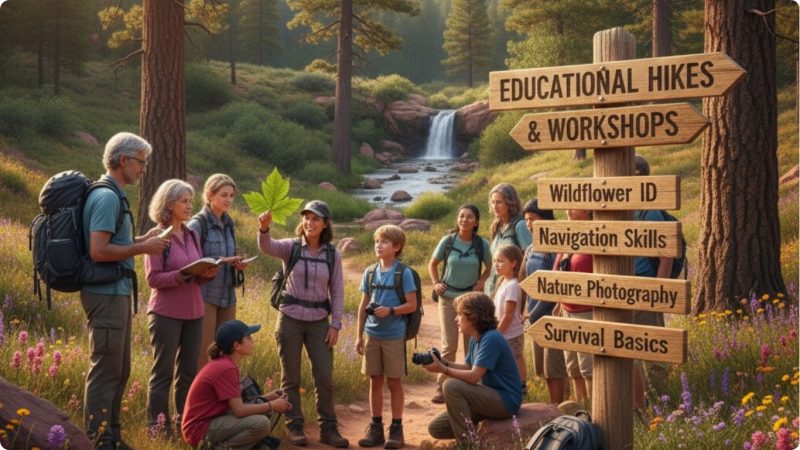
Interpretive hikes and hands-on workshops teach navigation, wildlife safety, and Leave No Trace principles; popular offerings include Wilderness First Aid (16 hours) and courses covering the Leave No Trace 7 principles, often delivered by parks, conservation groups, or outdoor schools.
Programs range from 2‑hour ranger walks to weekend navigation courses and avalanche-awareness clinics in the Rockies; they commonly include map-and-compass drills, GPS basics, plant and geology ID, and volunteer trail-maintenance sessions that emphasize tool safety and erosion control-many require pre-registration and sometimes a modest fee, while others (park-led interpretive walks) are free.
Conclusion: Best Hiking Destinations USA
Now he, she, and they can plan trips to the best hiking destinations in the USA in 2026 with confidence, choosing from coastal paths, alpine routes, and desert canyons that suit every skill level; the guide emphasizes seasonal considerations, trail difficulty, and safety practices so hikers make informed choices and enjoy lasting, scenic experiences.
Pin It







Leave a Comment