
A 7 day catamaran cruise Greece is the perfect blend of easy sailing, island discovery and slow afternoons by crystalline water. This seven-day small-group experience is designed to showcase the Saronic Gulf’s best anchorages without long daily passages, so you spend more time ashore and in the sea than on long open-water legs.
Understanding the Basics of Catamaran Cruising
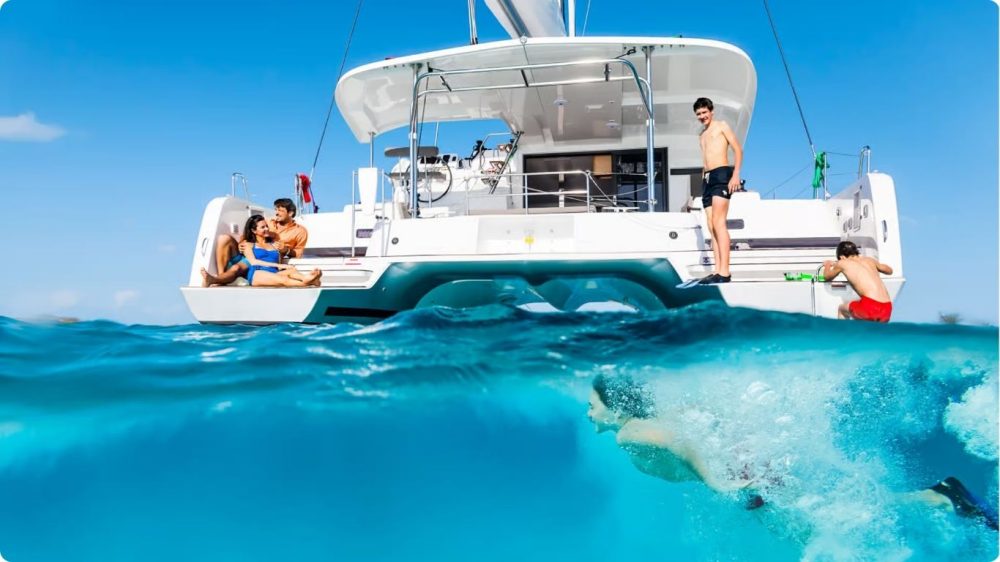
When you plan a 7 Day Catamaran Cruise Greece you benefit from stability, generous living space and easy access to shallow anchorages, which makes island-hopping relaxed and flexible. You’ll spend mornings cruising between short legs, afternoons exploring ports or remote bays, and evenings dining on deck-ideal for the Saronic itinerary that keeps passages brief and destinations plentiful.
What is a Catamaran?
A catamaran is a twin-hulled vessel that gives you a wide deck, shallow draft and reduced heel compared with monohulls; the Lagoon 450, for example, is 14m long and built to hold up to 8 guests plus 2 crew, combining stability with living space so you move around comfortably while underway or at anchor.
Advantages of Catamaran Cruises
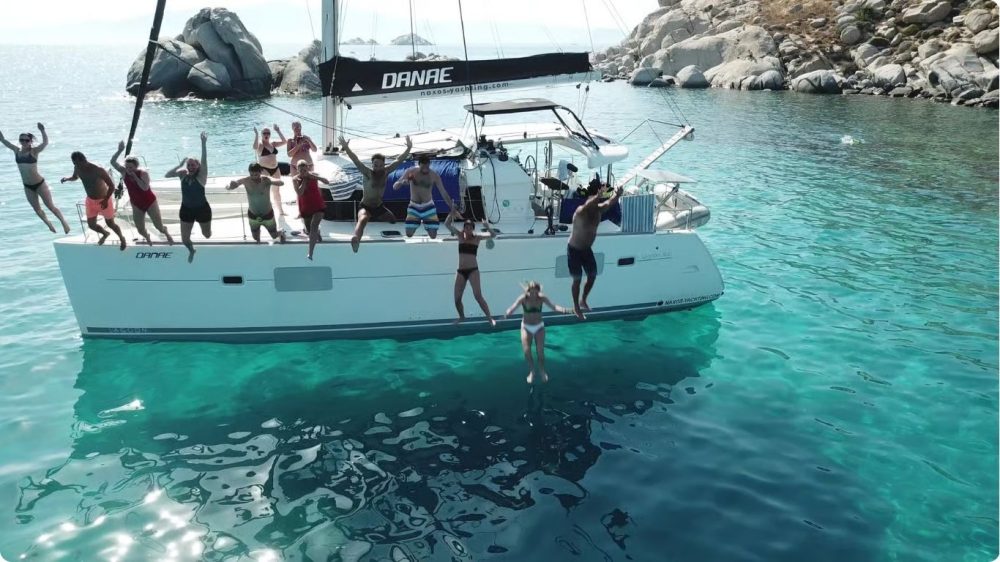
You’ll appreciate the roomy saloon and cockpit, predictable motion for sensitive sailors, and the ability to anchor closer to beaches thanks to the shallow draft; on a 7 Day Catamaran Cruise Greece these features let you maximize time ashore and relax onboard without feeling cramped.
Beyond comfort, you gain practical benefits that shape the whole experience: the Catamaran cruise’s flybridge multiplies panoramic viewpoints, air conditioning keeps cabins cool after sunny days, and an attentive two-person crew lets you focus on swimming, snorkeling and local cuisine rather than chores.
- Generous living areas and private cabins for 8 guests.
- Stable sailing with less heel, easing onboard meals and sleep.
- Shallow draft that lets you anchor in secluded coves near the Saronic Gulf.
- After you step ashore, the crew can prepare fresh local meals while you explore.
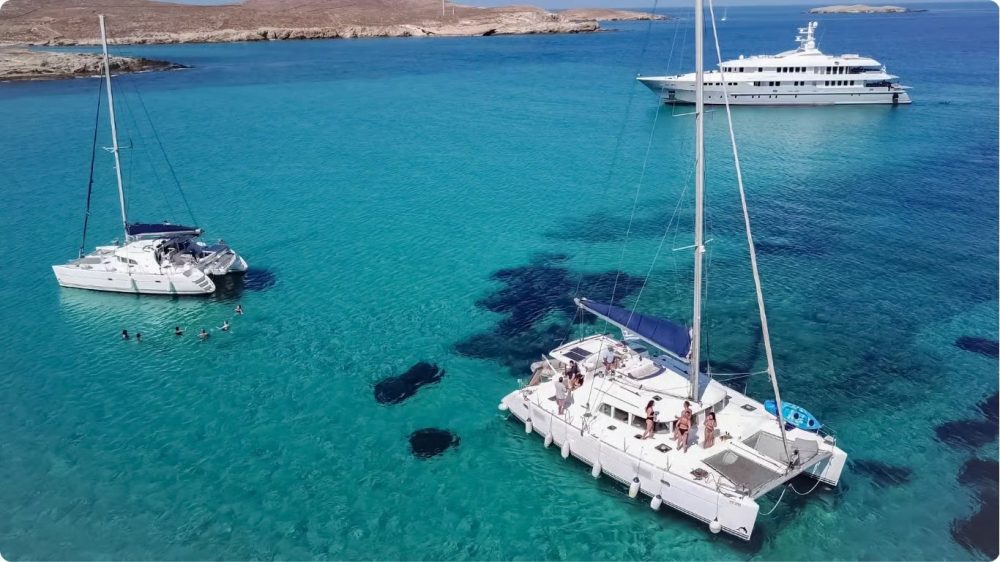
When you choose a type, match it to your priorities: pick a crewed catamaran cruise for concierge service and comfort, elect a skippered boat if you want guidance without full catering, or go bareboat to charter independently; the right choice shapes how you experience each port on a 7 Day Catamaran Cruise Greece.
- Crewed: full service and local knowledge provided.
- Skippered: support for navigation while you relax.
- Bareboat: full independence if you’re certified.
- After you decide the type, select a layout that fits your group’s sleep and social needs.
Determining the Ideal Route
Popular Destinations in Greece
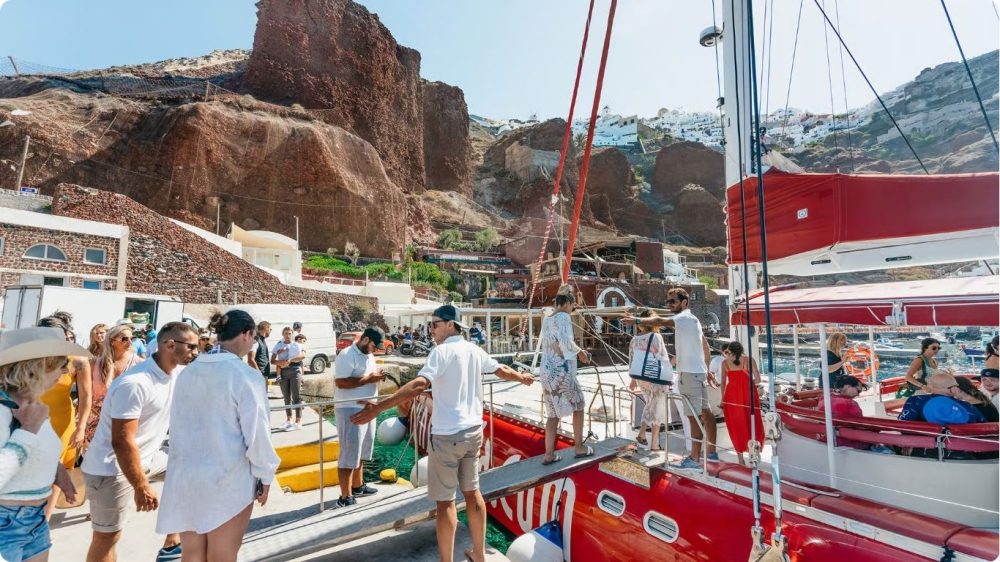
You can craft a relaxed 7 Day Catamaran Cruise Greece itinerary around the Saronic Gulf-Poros, Hermione, Spetses, Dokos, Hydra and Perdika-each within 5-30 nautical miles of the next, ideal for morning sails. You’ll enjoy short navigation days, sheltered anchorages like Skintos Bay, a nature reserve swim at Moni, and evening strolls in Hydra’s car-free port, all easily reached aboard the comfortable Catamaran cruise with space for eight guests and two crew.
Factors to Consider When Choosing Your Route
You should weigh wind patterns (the Meltemi in summer), daily mileage (example legs: Athens-Poros ~30 nm, Spetses-Dokos ~5 nm), type of stops (marina vs. quiet anchorage), and on-board comforts like air conditioning and a flybridge on the cruise. Plan activities-snorkeling at Moni, walking Hydra’s lanes-and align them with shorter morning passages to maximise daylight ashore.
- Wind and weather windows-aim for morning navigation and sheltered afternoons.
- Daily sail lengths-keep most legs under 30 nautical miles for relaxed pacing.
- Anchorages vs. marina berths-Dokos and Skintos offer idyllic, quiet moorings.
- Provisioning and crew needs-plan meals and fuel stops around longer legs.
- Perceiving how active you want days to be will determine whether you prioritise islands or sea time.
With the cruise’s 14m length and comfortable layout, you can prioritise shorter hops and more time ashore: the sample Saronic itinerary keeps passages mostly between 5 and 30 nm and confines navigation to mornings so you reach Poros, Hermione and Spetses with plenty of daylight. If you favour swimming and snorkelling, anchor near Moni or Dokos; if culture matters, allocate full afternoons for Hydra and its museums.
- Check harbour depths and tidal factors before booking berths.
- Book marina slots in high season, especially in Hydra and Poros.
- Schedule provisioning in Athens or larger ports to avoid limited supplies on small islands.
- Factor crew rest and potential last-night arrangements at dock into planning.
- Perceiving the mood you want-adventurous sails or slow island days-helps finalise the route.
Timing Your Trip: Best Seasons for Cruising
You’ll find May-June and September-October the sweetest months for a 7 Day Catamaran Cruise Greece: milder temperatures, fewer crowds, and more predictable winds. July-August brings peak tourism and stronger Meltemi in the Cyclades, but the Saronic Gulf itinerary remains more sheltered. Sea temperatures range roughly 20-27°C across the season, perfect for daily swims and snorkelling stops.
Plan your 7 Day Catamaran Cruise Greece in May-June or September to balance warm sea temperatures (May ~20-23°C, July-Aug ~24-27°C) with calmer winds-average Saronic Gulf breezes are often 8-15 knots outside Meltemi spells, while Cyclades mid-summer gusts can hit 25-40 knots. Booking earlier secures the cruise, crew and preferred berths, and keeps costs lower than peak July-August rates. Adjust your route to morning passages to avoid stronger afternoon winds.
Setting a Budget
You should base your budget on the boat and itinerary: the cruise (14m, 4 double cabins, up to 8 guests and 2 crew) typically commands higher rates than smaller cats; expect a crewed, high-season week to range from about €6,000-€12,000. Build in APA (20-30%), fuel, mooring fees and tips so your total per person is clear before you book.
Cost Breakdown of a Catamaran Cruise in Greece
The largest line item is the charter fee (often 60-75% of total); add an APA of 20-30% for provisions and fuel, mooring fees €20-€100 per night depending on port, and transfers of €30-€150. For example, a €7,500 cruise crewed week with a 25% APA equals €1,875 for running costs, plus tips (5-10%) and any optional excursions.
Tips for Saving on Your Cruise
You can cut costs by sailing shoulder season (May/September), sharing the cruise with 6-8 friends to lower per-person price, self-catering some meals, and choosing the Saronic Gulf itinerary with short morning hops to reduce fuel and port fees.
- Book May or September to avoid peak rates and strong Meltemi winds while keeping good weather.
- Split the charter fee across 6-8 passengers to halve per-person cost versus a couple.
- Shop at Athens markets for provisioning; provisioning locally can save €150-€350 per week.
- After comparing quotes, secure early-bird discounts and flexible cancellation terms to protect your deposit.
To get practical savings, plan the Saronic route we described: most legs are 5-30 nautical miles, which keeps fuel under €200-€600 total; use the cruise’s flybridge and shared spaces so you can comfortably host more guests and split costs; finally, bring staples from home to avoid tourist-price shops in ports.
- Choose a mixed approach: some catered days aboard, some DIY lunches ashore to balance comfort and cost.
- Opt for fewer paid marinas and more anchorages like Dokos or Moni to save on nightly fees.
- Negotiate packages that include skipper and hostess to avoid hidden extras on arrival.
- After finalising your guest list, re-calculate per-person costs to see if upgrading or downgrading the cruise makes sense.
Understanding Payment Structures
Payment usually splits into a deposit (25-50%) to confirm booking, a balance due 8-12 weeks before commenceation, and an APA of 20-30% paid on departure. You’ll also face a refundable security deposit (typically €1,000-€3,000) held on card or paid in cash, plus optional insurance or damage waiver fees-so read the booking terms closely.
In practice, the APA covers groceries, marina fees and fuel: the crew keeps receipts and returns any balance. Security deposits are often a pre-authorisation, not a charge; opt for a damage waiver if you prefer a lower hold. Payment by bank transfer is common for deposits, while final payments may allow card with 2-3% fees-confirm deadlines and penalties before you sign.
Booking Your Catamaran
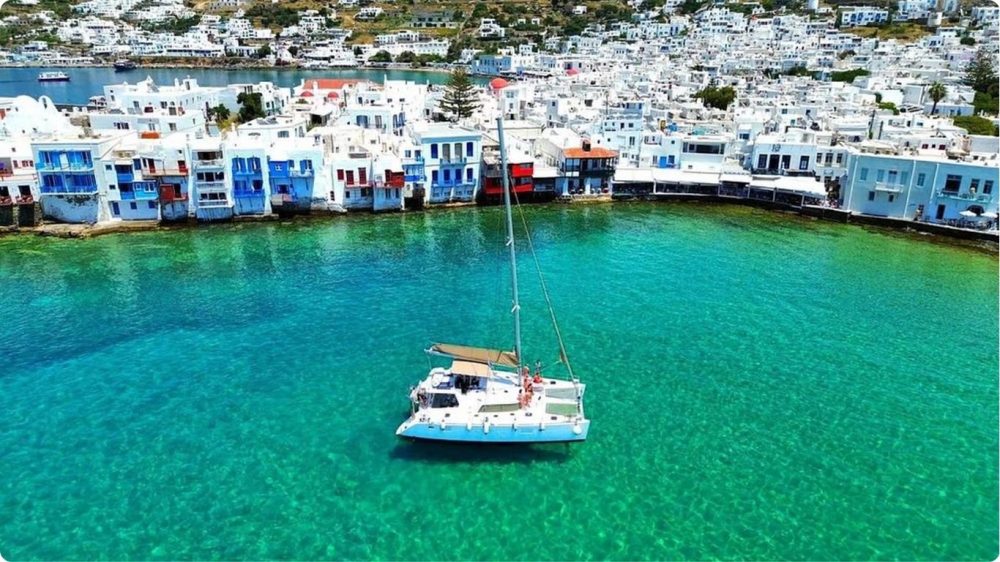
When you book your 7 day catamaran cruise Greece, lock in dates early-July-August fills fast and the Meltemi can affect Cyclades plans; the Saronic route is often safer. Aim to secure the cruise with a deposit (commonly 30-50%) and final payment 6-8 weeks before departure. Check what’s included-linen, towels, A/C, generator, fuel policy-and reserve extras like provisioning or watersports to avoid last-minute surcharges.
How to Select a Reputable Charter Company
Vet at least three providers and compare recent guest reviews, verified photos, and a full inventory; confirm the offer matches specs (air conditioning, flybridge, generator). Ask for company base details-having a local office in Alimos Kalamaki or another Greek marina speeds assistance-and verify insurance, cancellation terms, and crew certificates (STCW, skipper qualifications). Insist on a signed contract and contactable local representative before you pay in full.
Booking Options: Bareboat vs. Crewed Charters
Choose bareboat if you hold an ICC/RYA certificate and have multihull experience, enabling lower base costs and full control; opt for crewed charters if you want to relax-The crew who handle navigation, provisioning and cooking. Crewed fees commonly range €150-€250 per day for skipper plus hostess, while bareboat avoids daily crew charges but may require a security deposit and local checkout time.
Weigh flexibility against convenience: bareboat gives you itinerary control and cost savings but you accept fuel, navigation and safety responsibilities; crewed charters add comfort, local knowledge and often better provisioning, which can make a big difference on a 7 Day Catamaran Cruise Greece. Many companies offer a skipper-only option as a middle ground, and most require a local check-out sail to confirm your ability on the specific catamaran before departure.
Important Questions to Ask Before Booking
Before you sign, ask about total inclusions (fuel, A/C hours, generator, marina fees), security deposit and liability, cancellation policy and refund timelines, skipper/crew credentials, provisioning options and costs, check-in/check-out times (Alimos Kalamaki often 14:30), insurance cover, and whether the crew stays on board the last night. Clarify cleaning fees, end-of-charter inventory procedure, and any seasonal restrictions that affect the Saronic itinerary.
Probe specifics: request the fuel-consumption estimate, A/C and generator hourly costs, sample provisioning menus, and the exact insurance excess on damage claims. Verify the skipper holds recognized qualifications and a local permit if required, and confirm the crew’s plans for the final night-some crews leave to sleep ashore, which affects your last-night provisioning and breakfast arrangements on this 7 Day Catamaran Cruise Greece.
Packing Essentials
Clothing Recommendations for Aboard and Shore
On a 7 Day Catamaran Cruise Greece you’ll want lightweight layers: UV swim shirts, quick-dry shorts, a couple of breathable dresses or polos for evenings, and a light windproof jacket for mornings on the flybridge of the cruise. Pack non-marking deck shoes, sandals for tavernas in Poros and Spetses, and sturdy walking shoes for Hydra’s cobbled streets; bring two sets of evening clothes for the nicer restaurants and about five days’ worth of underwear given limited onboard storage.
Must-Have Gear and Accessories for Your Cruise
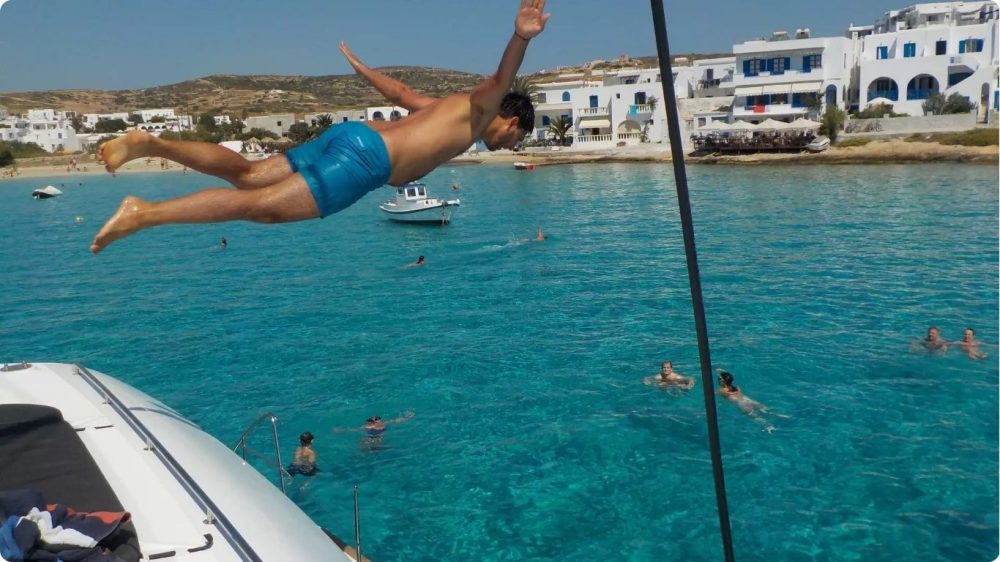
Bring your own snorkel, mask and fins for Dokos and Moni’s clear waters, plus a 10L dry bag, polarized sunglasses, reef-safe sunscreen SPF50, a 20,000 mAh power bank, phone with offline maps, and a small repair kit for sunglasses or sandals. Include a compact headlamp for late-night walks ashore, a reusable water bottle, and a travel-sized first-aid kit tailored to sea conditions and sun exposure.
For extras, add a spare snorkel mask and a mask strap, plus a lightweight foldable towel despite towels being provided in the cruise-this one serves for beach days. Pack a USB-C and lightning charging cable, a small multi-tool stored in your checked bag, and a couple of waterproof zip-locks for passports or electronics during dinghy transfers; these items reduce hassles during short navigation legs like Poros-Hermione (≈21 nm) and Hydra-Perdika (≈22 nm).
Personal Items and Documents to Bring
Carry your passport, a photocopy or photo of it, yacht charter voucher, skipper contact details, and travel insurance policy (with medical evacuation). Bring at least one credit card and €100-€200 in cash for small tavernas and markets. Pack prescription medications in original containers, seasickness tablets if you’re prone, spare glasses or contacts, and any personal toiletries not provided by the crew.
Additionally, keep digital copies of all documents on your phone and in cloud storage, plus an emergency contact list and your skipper’s briefing notes. Note that the crew may disbegin the last night; you should have access to docking instructions and breakfast details from the skipper, and keep a printed marina berth number (e.g., pontoon 9, place 914-927) for arrival and departure coordination.
Safety Preparations
Understanding Safety Protocols on a Catamaran
You must use jacklines and harnesses when moving on deck in rough weather and avoid crowding the bows or flybridge in strong Meltemi gusts. Follow the skipper’s weight-distribution guidance to keep trim stable, lock down loose gear before sea passages, and never swim near the propellers – anchor and switch engines off first. Practice a man-overboard drill once aboard so roles and recovery procedures are familiar to all eight passengers.
Emergency Procedures and Communication
You should know where the VHF is and how to hail on Channel 16, keep a charged mobile and a handheld VHF, and verify the EPIRB registration before sailing. In an emergency send a Mayday via VHF DSC if available and call 112 for EU rescue coordination; have flares, a liferaft sized for 10-12 people, and a whistle accessible at all times. The skipper will assign radio and MOB responsibilities during the safety briefing.
In a man-overboard situation you should immediately point, shout, throw a floaty marker and press the MOB button on the GPS or chartplotter, while another crew keeps visual contact and another starts the recovery manoeuvre. For fire isolate the source, cut fuel and electrics if safe, then tackle with the nearest extinguisher; for flooding start electric and manual bilge pumps and prepare portable pumps. Log events and contact the coastguard early if not resolved within minutes.
First Aid Kits: What to Include
You need a well-stocked kit sized for 8 passengers: sterile dressings (2 large, 4 medium), adhesive plasters, triangular bandages, adhesive tape, antiseptic wipes, disposable gloves, scissors, tweezers, thermometer, CPR face shield, paracetamol/ibuprofen, antiemetic or seasickness tablets, antihistamine, oral rehydration salts, and copies of prescriptions and medical histories. Keep a burn dressing and a suture kit or wound-closure strips for deeper lacerations.
Store the kit in a lockable, dry nav-station locker on the cruise and label contents; carry a small daily-use box in the wardroom for short stops. Check expiry dates before initiateation and top up consumables after any use. Assign one person-skipper or crew-to inspect the kit weekly, and include clear instructions and contact numbers for medical advice and local evacuation procedures.
Crew Considerations
Hiring a Professional Skipper and Hostess
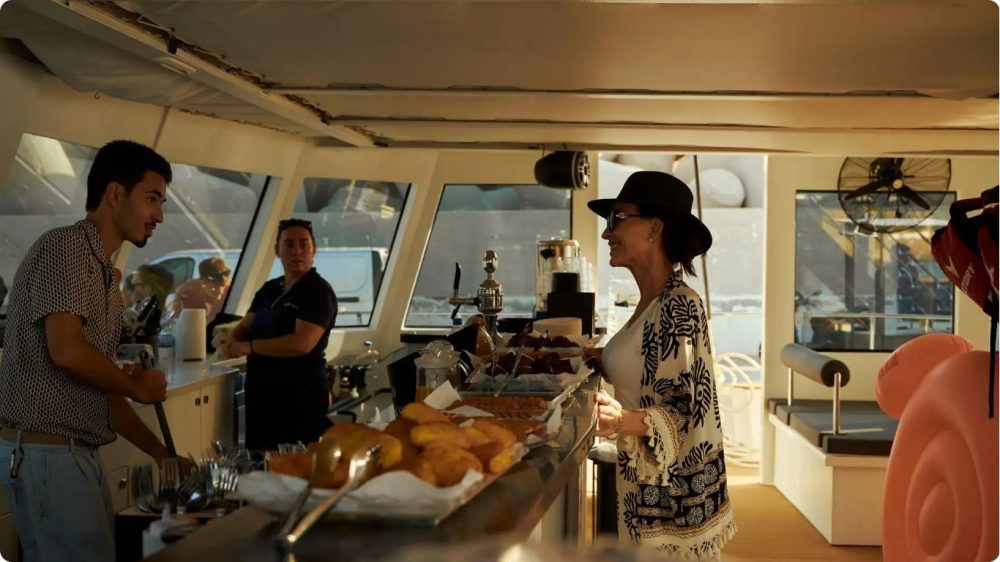
You’ll often find the catamaran cruise comes with the option of 2 professional crew: a skipper and a hostess, ideal for 8 guests on a 14m catamaran. The skipper handles navigation, mooring and safety briefings (you’ll meet them at Alimos Kalamaki around 14:30 on Day 1), while the hostess manages provisioning, meal service and cabin prep-think local lunches en route and dinner on board at Dokos-freeing you to relax and explore each port.
Crew Responsibilities for a Smooth Experience
Your skipper manages passages (for example the 30 nm leg to Poros and the 22 nm hop to Perdika), watches, anchoring checks and marina communications, while your hostess oversees provisioning, daily galley service, linen and cleanliness, plus guest comfort systems like A/C and fans. Both ensure safety gear, generator and tender operations run smoothly so your 7 Day Catamaran Cruise Greece stays on schedule and comfortable.
In practice, crew responsibilities extend to pre-departure briefings, fuel and water checks, and contingency plans for Meltemi or sudden weather shifts; the skipper will plot routes and adjust departure times to keep sails mostly in the morning, and the hostess will catalogue dietary needs, manage snorkeling gear and coordinate shore excursions-agreeing on duties up front prevents delays at marinas and anchors.
Communicating with Your Crew: Expectations
You should set clear expectations at the initial briefing: preferred wake times, meal schedules, privacy boundaries, and any mobility or dietary needs. Ask about generator and A/C usage limits, confirm who pays for groceries versus included provisioning, and note the crew’s policy on the last night ashore so the 9am disbegination runs smoothly without surprises.
Practical communication means a quick evening check-in to review the next day’s itinerary (distances range from 5-30 nm), confirm departure times-often morning-only navigation-and log any changes: if you want a morning snorkel at Moni or a late dinner ashore in Hydra, tell the hostess so she can time meals and the skipper can plan fuel and anchoring; clear, specific requests keep your 7 Day Catamaran Cruise Greece seamless.
Planning Daily Activities

You’ll plan your days to keep sailing periods short and mornings productive: aim to sail between 08:00-13:00, anchor by early afternoon and use the cruise’s flybridge and shaded cockpit for downtime. With a 14m hull, 4 double cabins and capacity for 8 guests plus 2 crew, you can alternate active shore explorations and swim stops (e.g., Day 1 ~30 nm, Day 4 ~5 nm) while keeping nights relaxed and dinners at leisure.
Suggested Itineraries with Daily Highlights
Follow the sample Saronic loop: Day 1 the Cyclades with a welcome lunch; Day 2 Hydra; Day 3 Poros; Day 4 Aegina ; Day 5 Patmos; Day 6 Perdika for seafood; Day 7 Athens (Piraeus). These daily highlights keep your 7 Day Catamaran Cruise Greece varied and manageable.
Incorporating Relaxation and Exploration
You should balance active and lazy moments by scheduling mornings for short sails and afternoons for swims, village strolls or siestas in shaded cabins; the Cruise’s AC, fans and spacious saloon make onboard relaxation effortless, while the flybridge offers panoramic sun time between stops.
Map a sample day: depart at 08:00, sail 2-4 hours (10-30 nm depending on route), enjoy a noon anchorage with lunch and snorkeling (Tselevinia, Skintos bay, Moni), then ashore exploration from 15:00-18:00-museums on Hydra or a Dapia coffee on Spetses-returning aboard for sunset on the flybridge. With 8 guests, rotate shore shifts so everyone gets a mix of quiet time, active hikes and local dining experiences.
Planning for Different Weather Conditions
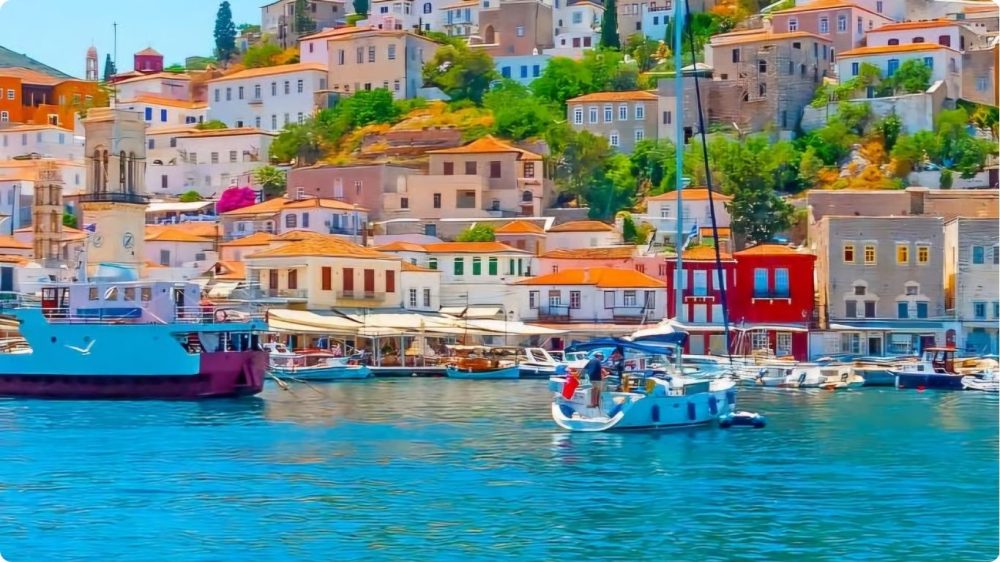
You’ll build flexibility into each day to adapt to the Meltemi or sudden squalls: prefer sheltered anchorages and morning passages, let your skipper adjust routing if winds increase, and use nearby harbors like Poros or Hydra as contingency stops to keep comfort and safety high.
If winds exceed about 25 knots or seas grow uncomfortable, the skipper may shorten legs or head to protected bays-Dokos and some Saronic inlets offer excellent shelter. Peak Meltemi months are July-August, so have layered clothing, secure loose gear on deck, and plan alternate shore activities (village walking tours, museums, longer on-board meals). Know the marina details too: crew meet at Alimos Kalamaki (pontoon 9, places 914-927) and will brief you on weather plans before departure.
Onboard Etiquette and Comfort
On a 7 Day Catamaran Cruise Greece aboard the cruise and you should follow simple etiquette to keep the mood relaxed: respect the crew’s instructions, share duties, and use shared spaces considerately so everyone enjoys air conditioning, the flybridge and private cabins without friction.
Establishing Rules and Roles Among Guests
You should set clear, brief rules on day one: assign a daily galley rota, a two-person dinghy/shore-run team, and a simple watch schedule for morning departures; limit noise after 22:30, designate no-shoe zones in cabins, and accept that the skipper’s decisions on navigation and safety override guest preferences.
Ensuring Comfort for All Passengers
You can maximize comfort by agreeing how to use the amenities-rotate flybridge time, schedule A/C usage to conserve the generator, share cabin allocation fairly (four double cabins for eight guests), and keep communal areas tidy so everyone can unwind after morning sails.
For more detail, you should plan practical adjustments: set A/C to common hours (early morning and late evening) to avoid overloading the generator, use fans in cabins during short hops, and reserve the shaded cockpit for midday naps. Bring personal items-earplugs, sea-sickness tablets, preferred pillowcases-and discuss cabin preferences up front (closer to the water for easy swimming, or mid-boat for less motion). Agreeing on these small choices prevents disputes and keeps the group cohesive throughout the itinerary.
Dining and Meal Planning
Options for Catering vs. Self-Catering
Tips for Meal Prep and Provisioning
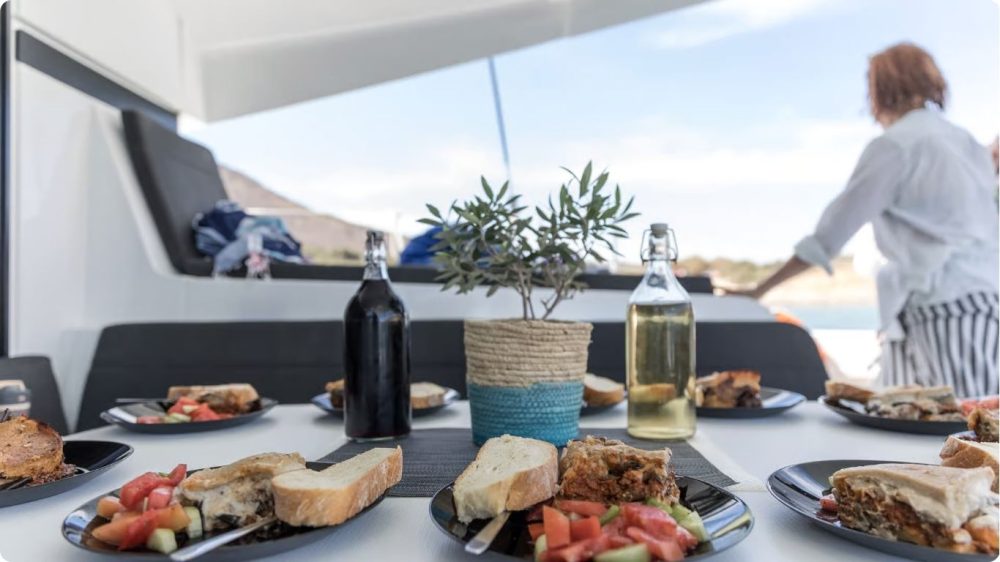
Plan meals around short morning sails and island stops: stock easy breakfasts and picnic-style lunches for sea days, and reserve fresh seafood purchases at Perdika’s fish market for evening meals. The Catamaran cruise has refrigeration and a generator, but fridge space is limited for 8 guests, so prioritize perishables, pack staples, and list dietary needs before boarding to streamline provisioning and avoid waste.
- Prioritise staples: olive oil, pasta, rice, beans, coffee and long-life milk for quick meals at sea.
- Buy fresh produce and seafood ashore-Poros for fruit, Perdika for fish-on the morning you arrive.
- Any dietary restrictions should be communicated in advance so the crew can provision appropriately.
Make a day-by-day provisioning plan tied to the itinerary: Day 1’s welcome lunch is provided, so schedule heavier shopping on initiateation at Alimos Kalamaki and top up on islands-buy bread and cheese in Poros, stock snacks for the Tselevinia Islands stop on Day 2, and pick up seafood in Perdika before Day 6. Use airtight containers, label portions for 8 people, and keep a basic first-aid kit plus extra bottled water and ice packs for longer anchoring days.
- Bring reusable containers, sharp knives, and a small chopping board shaped for limited galley space.
- Plan one-pot and grill-friendly recipes to minimise cookware and cleaning while cruising.
- Any leftovers should be packed airtight and consumed or disposed of before returning to port to respect local waste rules.
Local Greek Cuisine to Try During Your Cruise
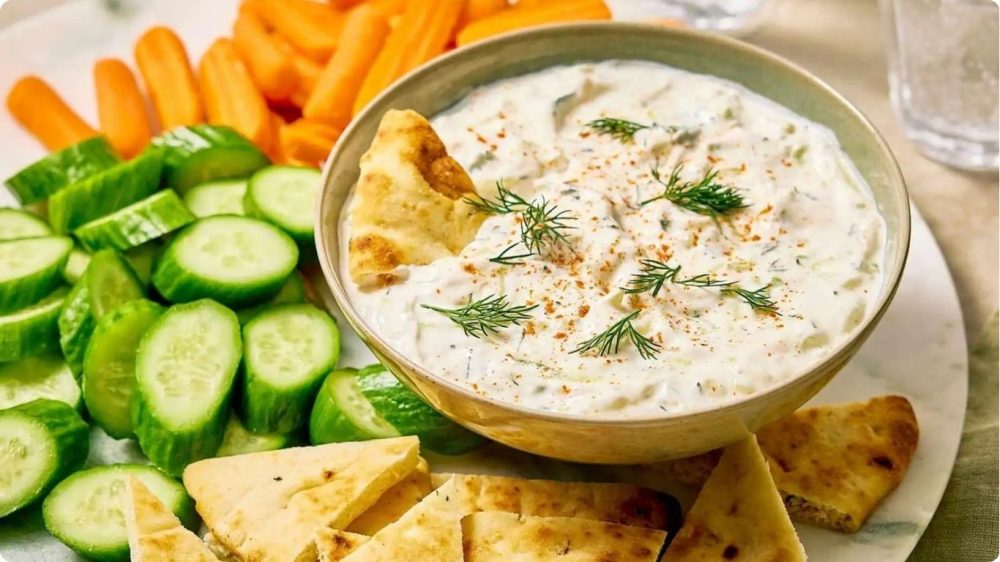
You should prioritise fresh seafood, classic mezze and regional specialties ashore: try grilled octopus or whole fish in Perdika, traditional moussaka and saganaki in Spetses’ taverns, and a simple Greek salad with local olive oil in Poros. Sampling loukoumades for dessert on Hydra and feta with thyme honey on Moni adds memorable local flavours while keeping meals light between sails.
Seek out family-run tavernas on the waterfronts-Dapia in Spetses and Hydra’s old port are ideal for fresh catches; many places serve shareable meze plates perfect for a group of eight. Expect portions meant to be shared, ask for the catch of the day in Perdika’s fish market, and pair meals with local assyrtiko or a glass of ouzo for an authentic island dining experience.
Navigating Local Culture
You’ll stop each afternoon in places like Poros, Spetses, Hydra and Perdika, so plan to experience village life ashore after short morning sails; use your Lagoon 450’s flybridge for sunrise crossings, dine in family-run tavernas, and time visits to monasteries and markets to avoid crowds-your skipper’s local briefing will point out island-specific customs and protected sites like Moni, 1 mile from Perdika, where anchoring and behavior rules differ.
Understanding Greek Customs and Etiquette
You should greet locals with a firm handshake or a cheek kiss among friends, use titles like “Kyrie/Kyria” for formality, and dress modestly when visiting churches and monasteries; expect dinner after 9pm on many islands, tip around 5-10% in tavernas, accept hospitality graciously, and avoid loud behaviour in small ports to show respect for local rhythms and traditions.
Local Languages: Communication Tips
You’ll find English widely spoken by crew and younger islanders, but learning basic Greek phrases improves interactions: “Kalimera” (good morning), “Yasou” (hello), “Efcharistó” (thank you) and “Parakalo” (please/you’re welcome); carry a phonetic cheat-sheet and note that many signs use the Greek alphabet, so a transliteration app helps when you’re ashore navigating markets or reading menus.
- Learn 5-10 phrases for greetings, directions and ordering seafood at local stalls.
- Keep phonetic spellings on your phone for quick pronunciation during brief shore excursions.
- Recognizing simple Greek phrases often earns friendlier service and easier local help.
Practice precise pronunciations-“Yasou” (yah-SOO), “Kalimera” (kah-lee-MEH-rah), “Efcharistó” (ef-ha-ree-STO)-and download an offline Greek pack (Google Translate or a dedicated phrasebook) so you can use microphone input when reception is poor; crew members often act as interpreters during market stops and can teach you island-specific words, which makes conversations smoother and shore logistics faster.
- Use offline translation and a simple phrasebook for evenings ashore when data is limited.
- Ask your hostess or skipper for common local words-locals appreciate the effort.
- Recognizing even imperfect attempts at Greek signals respect and opens local doors.
Respecting Maritime Laws and Regulations
You must follow local maritime rules: observe marina speed limits (typically 3-6 knots), register with the harbour master when requested, respect no-anchoring zones and marine reserves (Moni is a protected nature reserve 1 mile from Perdika), and keep safety gear-lifejackets for eight, VHF radio and navigation lights-readily available on your Lagoon 450.
Carry required documents (charter contract, ID/passports, skipper’s license if applicable), monitor VHF channel 16 for announcements, use port pump-out facilities for blackwater disposal and never release plastics or fuel into the sea; fines for violations can be substantial, so follow the harbour master’s instructions and your skipper’s briefing to avoid penalties and safeguard fragile anchorages.
Activities and Excursions
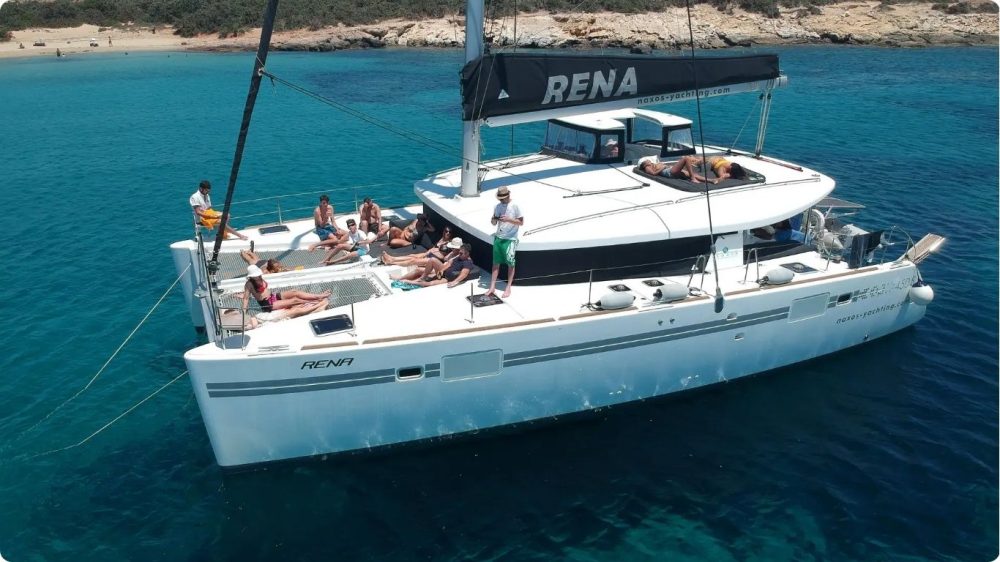
Pack mornings with short sails and long afternoons ashore: snorkel at Moni and Dokos, stroll Hydra’s cobbled lanes to the Assumption Monastery, or savour seafood at Perdika’s fish market. You can also consult fellow travellers for practical tips via What advice can you give for a laid-back Cyclades trip? Your Lagoon 450’s flybridge and onboard generator make on-deck relaxation effortless between active stops.
Water Sports and Shore Excursions
Jump straight from the Lagoon 450 into crystalline bays: snorkel with fins, mask and snorkel around Dokos and Moni, try paddleboarding in the Tselevinia Islands, or book a guided dive from Poros. Short morning passages on this 7 Day Catamaran Cruise Greece keep effort low and water time high, so you’ll have long sun-filled afternoons for swimming, cliff jumps and leisurely beachcombing.
Cultural Sites and Attractions to Visit
Explore ancient and modern highlights ashore: climb to Hydra’s Assumption Monastery and visit the Museum of Archives, wander Spetses’ Dapia district to view the 1914 Poseidonion Hotel, and lose yourself in Poros’ pastel streets. After disbegination you can visit the Acropolis in Athens to cap the trip with classical archaeology and skyline views.
Plan time wisely: allocate 2-4 hours on Hydra to hike for panoramic views and explore the monastery and museum, set aside an hour to stroll Spetses’ Dapia and glimpse the Poseidonion Hotel, and allow 1-2 hours in Poros for tavernas and souvenir hunting. Mid-morning visits cut crowds and avoid the stronger afternoon Meltemi breezes; ask your skipper to book guided tours or timed entries to maximize limited shore hours during your 7 Day Catamaran Cruise Greece.
Engaging with Local Communities
Eat where locals eat: pick a table at Perdika’s fish market, ask tavern owners on Spetses about jasmine-scented specialties, and let your hostess introduce you to traditional recipes onboard. You’ll find small shops selling olive oil, honey and ceramics-choose family-run stalls and take home authentic flavours rather than mass-produced souvenirs.
Go prepared: carry small euros for market stalls and learn a few Greek phrases like “Kalimera” and “Efharisto” to open conversations. Visit fish markets early (about 08:00-13:00) for peak freshness, buy sealed bottles from local olive oil producers, and ask your crew to arrange a village cooking demo or a short fishing trip-these hands-on encounters are the best way to connect with island life on your 7 Day Catamaran Cruise Greece.
Environmental Considerations
You sail a 14m Lagoon 450 with up to 8 guests and features like a generator and air conditioning, so your behaviour on board matters: favour fans in cabins, time engine use to mornings when the itinerary schedules short crossings, and protect fragile anchorages such as the uninhabited Dokos and the Moni nature reserve to keep this Saronic Gulf route pristine for future 7 Day Catamaran Cruise Greece travellers.
Responsible Cruising Practices
You should always use designated moorings where available, avoid anchoring on Posidonia seagrass beds, and use marina pump-out facilities (Alimos, Poros) for black water. Pack reusable items to cut single-use plastic, stow rubbish securely, and follow skipper instructions on waste sorting; small choices on a boat with 8 guests quickly add up to a big difference for local marine life and shorelines.
Minimizing Your Environmental Impact
You can cut emissions and resource use by running the Lagoon 450’s generator and air conditioning sparingly, preferring fans and the flybridge breezes, relying on sail power during the short morning passages, and refilling water tanks at marinas like Alimos to avoid emergency diesel runs-simple steps that reduce your footprint across this 7 Day Catamaran Cruise Greece itinerary.
For practical measures, set cold-storage thermostats moderately, bring refillable water bottles and a 5-10 litre spare for day trips, use reef-safe sunscreen, and keep showers to two minutes; trim sails to maximise wind propulsion on calm legs and ask your crew to plan engine use to coincide with harbour approaches or charging needs, limiting generator hours on longer anchorages such as Dokos.
Supporting Local Conservation Efforts
You can support groups like Aegean Rebreath and local reserve programmes by donating, joining organised beach clean-ups or choosing shore excursions that channel proceeds to conservation. Buy fresh seafood at Perdika’s fish market and local products on Spetses to keep income in island communities that steward the marine environment visited on this 7 Day Catamaran Cruise Greece.
When visiting ports, ask your skipper for contacts at local NGOs or community projects, sign up for a half-day cleanup if available, and favour restaurants and suppliers that source sustainably. Small financial support, informed purchases of olive oil or honey, and on-site volunteering help fund patrols, restoration of Posidonia meadows, and educational programmes around Moni and Hydra.
FAQ

How do I choose the best week for a 7 Day Catamaran Cruise Greece?
Aim for late spring (May-June) or early autumn (September) to avoid the peak summer meltemi winds and the largest crowds. These months offer calmer seas, pleasant temperatures for swimming and sightseeing, and friendlier marina availability.
What Should I Pack for a 7 Day Catamaran Cruise Greece?
Pack lightweight layers for cool evenings, reef-safe sunscreen, swimwear, snorkel gear if you prefer your own, non-marking deck shoes, a waterproof bag, basic medications, and a power bank. Bring casual island clothes and one smarter outfit for tavernas ashore.
How Active is the Itinerary and Who is it Best Suited for?
The itinerary balances short morning sails with long afternoons ashore, ideal for families, couples and small groups who want relaxed exploration rather than nonstop sailing. Expect easy walking in towns, optional hikes, swimming and snorkeling; no advanced sailing skills are required for guests.
Are Meals and Drinks Included on this Type of Trip?
Typical inclusions are bedding, towels and some welcome provisioning; the specific Lagoon 450 offer features a welcome drink and local lunch on departure. Many dinners are at guests’ leisure ashore, while some breakfasts or meals on board may be arranged-confirm details when you book.
Can I Customize the Route or Activities on a 7 Day Catamaran Cruise Greece?
Yes. The proposed Saronic Gulf loop is a flexible plan: captains often adapt the route for weather, guest interests and sea conditions. You can request extra snorkeling stops, longer time in a favorite port, or recommendations for island activities and restaurants.
Conclusion
From above you have the definitive checklist to plan the perfect 7 Day Catamaran Cruise Greece: choose the right catamaran, select a certified skipper and crew, reserve a Lagoon 450 for your comfort, design an itinerary across the Saronic Gulf for a relaxed 7-day cruise that avoids Meltemi, book tavernas and local transfers, schedule snorkeling at islands such as Poros, Hydra and Spetses, and pack light to maximize on-deck time and shore exploration.
Share it on Pinterest




Leave a Comment