
Key takeaways
- Thailand welcomed nearly 33 million foreign tourists in 2025, so the best beaches reward early starts and shoulder-season visits (Tourism and Sports Ministry via Nation Thailand, 2026).
- Phi Phi and the Similan Islands offer the clearest water for snorkeling and diving, while Railay and Koh Kood suit travelers chasing quiet.
- Patong and Chaweng bring the nightlife and dining; Kata and Nai Harn work better for families with young children.
- Most beaches are reached by a flight to Phuket, Krabi or Koh Samui followed by a short ferry or longtail boat transfer.
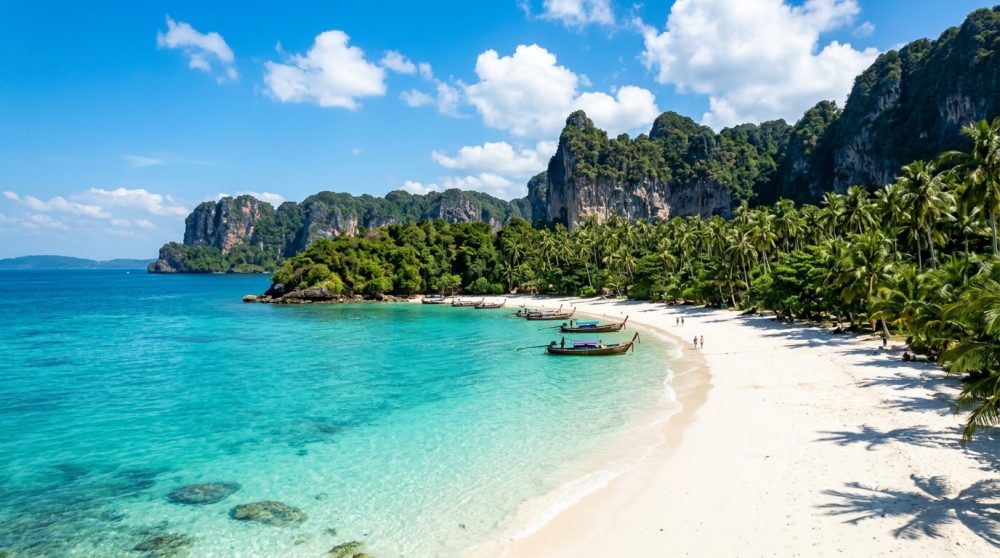
The best beaches in Thailand split neatly by what you want from a trip: Phi Phi and the Similans for underwater life, Railay and Koh Kood for quiet, and Patong or Chaweng for nightlife. This guide ranks ten that each do one of those things better than the rest, and tells you how to reach every one and where to sleep nearby.
Thailand welcomed nearly 33 million foreign tourists in 2025 (Nation Thailand, 2026). That volume means the famous beaches fill fast, so the right pick depends on timing as much as scenery. Plan around early starts and shoulder-season dates and even the busiest coves stay rewarding.
Island Paradises for Snorkeling and Diving
The clearest water in Thailand sits around the Andaman islands, where visibility often runs past 20 meters in dry season. If you came for reef fish, sea turtles and coral, start here and build the rest of the trip around these days on the water.
1. Phi Phi Islands (Krabi)
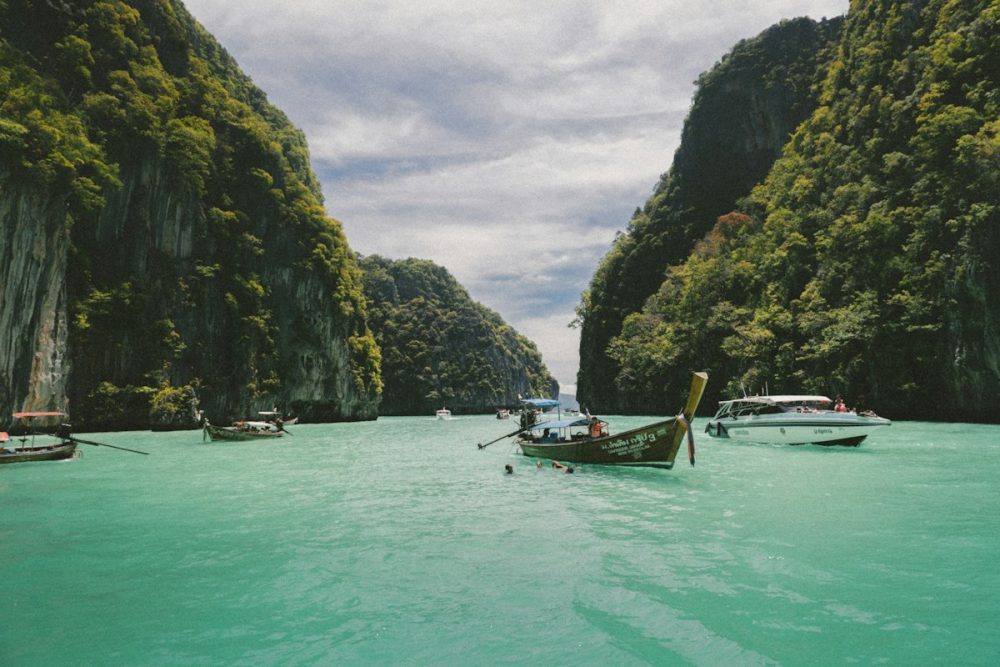
Phi Phi Don and Phi Phi Leh deliver the postcard version of Thailand: limestone towers, pale sand and shallow reefs a short swim from shore. Maya Bay, made famous by the film The Beach, reopened to visitors after a long rehabilitation closure. Swimming in the main bay is now restricted and boats land at a rear pier, so arrive on an early tour before the day-trip armada shows up.
Get there by ferry from Krabi or Phuket, roughly 90 minutes to two hours. Stay on Phi Phi Don itself for sunrise snorkeling, or base in Ao Nang and visit on a day trip if you prefer a mainland room.
2. Similan Islands (Phang Nga)
The Similans are a national marine park northwest of Phuket, prized by divers for granite boulders, soft coral and reliable turtle sightings. The park opens roughly mid-October through mid-May and closes in low season to protect the reef, so check dates before you book. Day trips and liveaboards both run from Khao Lak.
There is no resort stay inside the park, so sleep in Khao Lak and take a speedboat out, about 90 minutes each way. Divers who want more bottom time should look at a two or three night liveaboard instead of a single long day.
3. Koh Tao (Gulf of Thailand)
Koh Tao is where a large share of first-time divers earn their certification, thanks to calm bays, shallow reefs and dozens of dive schools packed into a small island. Snorkelers do well at Shark Bay and Aow Leuk without ever putting on a tank.
Reach Koh Tao by ferry from Koh Samui or Koh Phangan, or from the mainland pier at Chumphon. Sairee Beach has the most budget rooms and nightlife, while Chalok Baan Kao on the south coast stays quieter.
Quiet Coves Away from the Crowds
Thailand still hides genuinely calm beaches if you travel a little further. These spots trade convenience for space, so they suit readers who would rather hear waves than a beach bar. Expect fewer vendors, simpler food and better odds of an empty stretch of sand.
4. Railay Beach (Krabi)
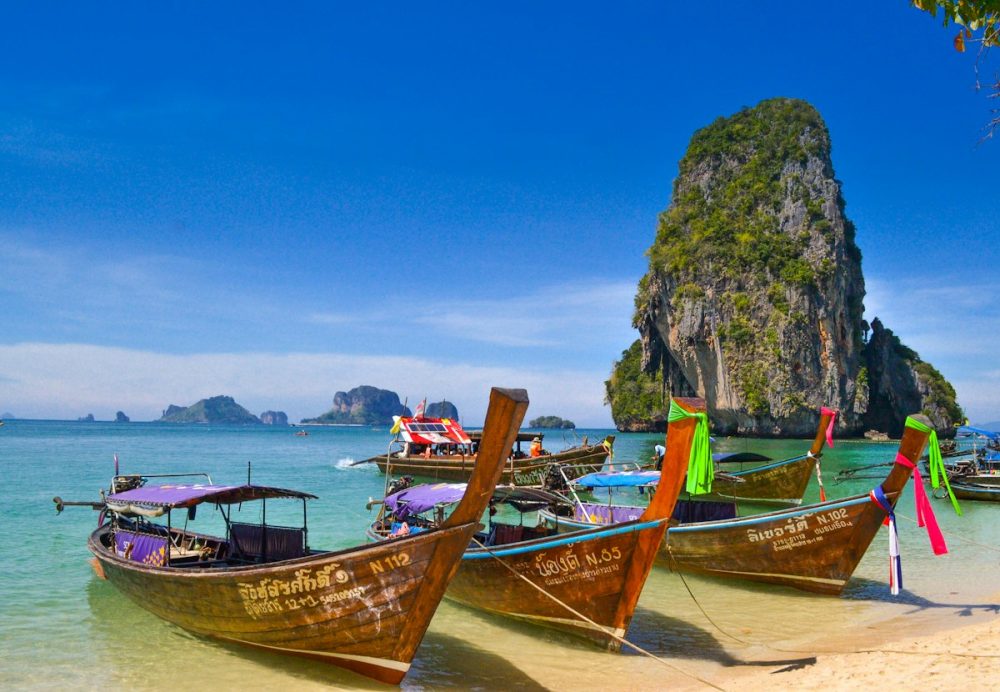
Railay sits on a peninsula cut off from the mainland by cliffs, so you can only arrive by boat. That barrier keeps the crowds thinner than nearby Ao Nang and turns the beach into a world of its own, popular with rock climbers scaling the limestone walls above the sand.
Take a longtail boat from Ao Nang pier, about 15 minutes. Railay West has the sunset views and pricier resorts, while Railay East is cheaper and faces a mangrove shoreline rather than swimming water.
5. Koh Kood (Trat)
Koh Kood, near the Cambodian border, is one of the least developed large islands in Thailand. Clear water, jungle waterfalls and a near-total absence of nightlife make it a favorite for couples and anyone wanting to switch off. There are no convenience-store strips or crowded piers here.
Getting there takes effort: fly or drive to Trat, then take a ferry of one to two hours. That distance is exactly why it stays quiet. Book a resort in advance, since options are limited and spread along the west coast.
6. Koh Lipe (Satun)
Koh Lipe anchors the far southern Andaman, ringed by the clear water of the Tarutao marine park. Pattaya Beach and Sunrise Beach offer easy snorkeling straight off the sand, and the island is small enough to cross on foot in under an hour.
Reach Lipe by speedboat from Pak Bara pier or by ferry from Langkawi in Malaysia. The dry months from November to April are best, as the island slows down and some boats stop running in the heart of the rainy season.
Lively Beach Towns with Nightlife and Dining
Some travelers want the beach by day and a scene by night. These towns put sand, restaurants, bars and markets within a short walk of each other, which makes them easy bases for a first trip or a group that wants options after dark.
7. Patong Beach (Phuket)
Patong is the busiest beach town in Thailand, with a long curve of sand backed by a dense grid of restaurants, rooftop bars and the famous Bangla Road nightlife strip. The swimming is fine by day and the energy is relentless by night, so light sleepers should book a room a few streets back.
Patong is a 45-minute drive from Phuket International Airport. Stay here if nightlife and convenience top your list, and use it as a hub for island day trips.
8. Chaweng Beach (Koh Samui)
Chaweng is Koh Samui’s main beach: a wide, two-mile stretch of white sand with calm swimming water and a town full of restaurants, spas and beach clubs behind it. It balances resort comfort with a real dining and bar scene, so it suits travelers who want both.
Fly directly into Koh Samui, then it is a 20-minute drive to Chaweng. Mid-range and luxury resorts line the beachfront, and the north end stays quieter than the central strip.
Best Beaches for Families Versus Solo Travelers
The right beach changes with who you bring. Families need gentle water, shade and food nearby, while solo travelers often want social hostels, dive schools and easy transport to meet people. Two Phuket beaches below cover both ends.
9. Kata Beach (Phuket) for families
Kata Beach is one of the most family-friendly spots in Thailand, with soft sand, a gentle slope into the water and lifeguards on duty in the dry season. Restaurants and resorts sit right behind the beach, so a stroller run for snacks or a nap never takes long.
For a wider look at planning a trip with kids in mind, our guide on how to plan a trip to Japan walks through the same step-by-step approach that works for a Thailand family holiday. Kata is 40 minutes from Phuket airport, and neighboring Nai Harn offers an even calmer bay for toddlers.
10. Haad Rin and Thong Nai Pan (Koh Phangan) for solo travelers
Koh Phangan draws solo travelers for its social scene, from the Full Moon Party at Haad Rin to quieter yoga and wellness retreats on the north coast at Thong Nai Pan. You can be as busy or as calm as you like, and single rooms and hostels are easy to find.
Ferries run to Koh Phangan from Koh Samui in about 30 minutes. Stay near Haad Rin if you came to party, or head north to Thong Nai Pan for a mellower base with good swimming.
How to Reach Each Beach and Where to Stay Nearby
Most of these beaches sit behind one of three airports: Phuket for the central Andaman coast, Krabi for Railay and Phi Phi, and Koh Samui for the Gulf islands. From each gateway you connect by ferry, speedboat or longtail, rarely more than two hours. For couples weighing a quieter, resort-style alternative, our roundup of the best adults-only resorts in Costa Rica shows the kind of detail worth checking before you book any beach stay.
Book island transfers and limited-room resorts well ahead in the November to April high season, and keep a buffer day for weather on the Andaman side. For itineraries, seasonal timing and more destination guides across Southeast Asia, Travelinntour publishes trip plans that pair these beaches into a single route so you are not backtracking between coasts.
Pick one beach from each category that matches your trip, map the ferry links between them, and lock in your first two nights of lodging before you fly. That single step turns a long wish list into a workable Thailand itinerary.
Frequently asked questions
What is the best time to visit the beaches in Thailand?
November to April is the dry season for the Andaman and Gulf coasts facing the Gulf of Thailand, with calm seas and clear water. May to October brings rain and rougher water on the Andaman side, though Koh Samui and the Gulf islands often stay drier into July.
Which beach in Thailand is best for families?
Kata Beach and Nai Harn on Phuket have gentle, shallow water, lifeguards and easy access to resorts and restaurants, which makes them comfortable for families with young children.
Can you still visit Maya Bay in 2026?
Yes. Maya Bay on Phi Phi Leh reopened after its rehabilitation and is open to day visitors, though swimming in the main bay is restricted and the site closes for part of the year to let coral recover. Go early to beat the boat crowds.
How do you get to the best beaches in Thailand?
Fly into Phuket, Krabi or Koh Samui, then connect by ferry or longtail boat. Phuket serves the Andaman beaches, Krabi reaches Railay and the Phi Phi islands, and Koh Samui opens up the Gulf islands.





Be the first to comment