
You are five minutes into your first solo trip when it hits you: nobody else is deciding what to eat, where to go, or whether you should squeeze in one more museum. It is exhilarating – and a little loud in your own head.

That mix of freedom and nerves is normal. The good news is that solo travel gets easier fast, not because you become fearless, but because you become prepared. These first time solo travel tips are built for US travelers who want the magic of independence without the chaos of avoidable mistakes.
Start with a destination that sets you up to win
Your first solo trip is not the time to prove you can “handle anything.” It is the time to pick a place that naturally reduces friction.
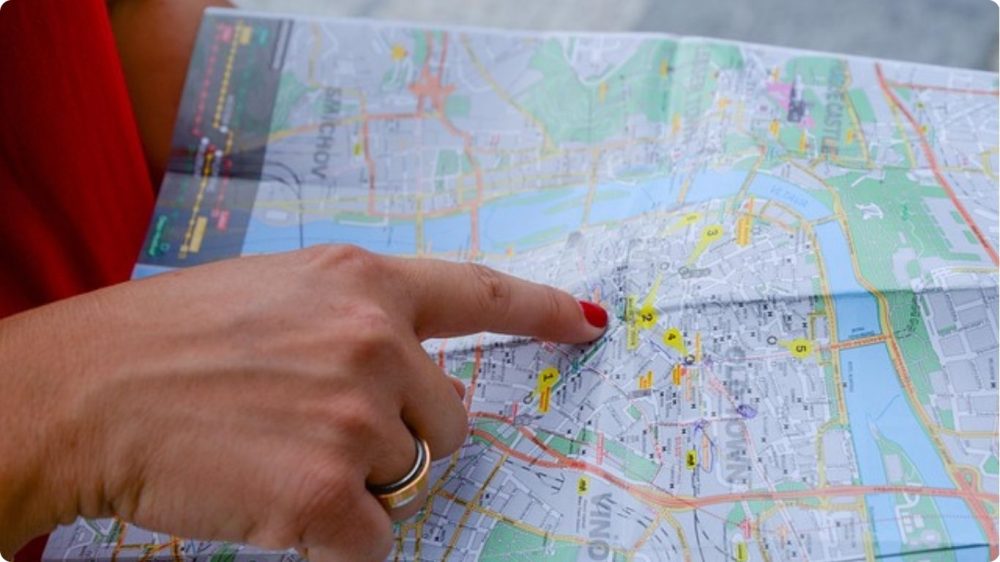
Look for destinations where getting around is intuitive, neighborhoods are walkable, and tourists are common enough that being alone does not feel like a spotlight. Big, transit-friendly cities can be great, but so can smaller places with a defined center where you can loop back to your hotel easily.
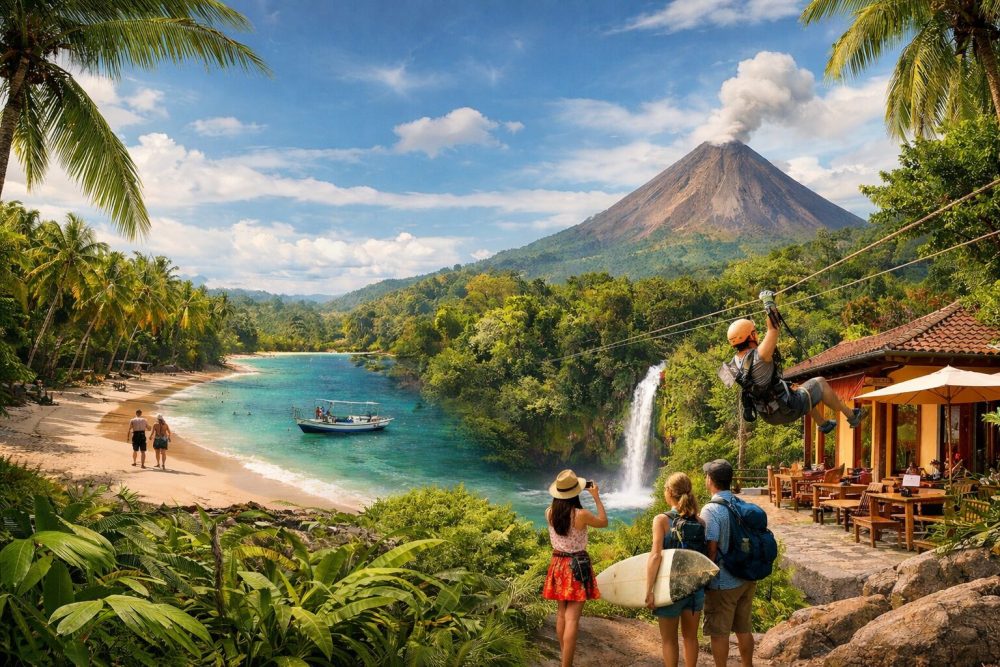
Season matters more than people think. Shoulder season often gives you better prices and fewer crowds, but a destination that feels charming in peak season can feel sleepy or even closed down in the off-season. If your goal is to meet people and feel energy, timing is part of the plan.
If decision fatigue is already creeping in, use a destination guide style of planning – pick one “anchor” area (a neighborhood or a main town) and build from there. That single choice can keep you from spending your whole trip in transit.
Build a light itinerary with a strong skeleton
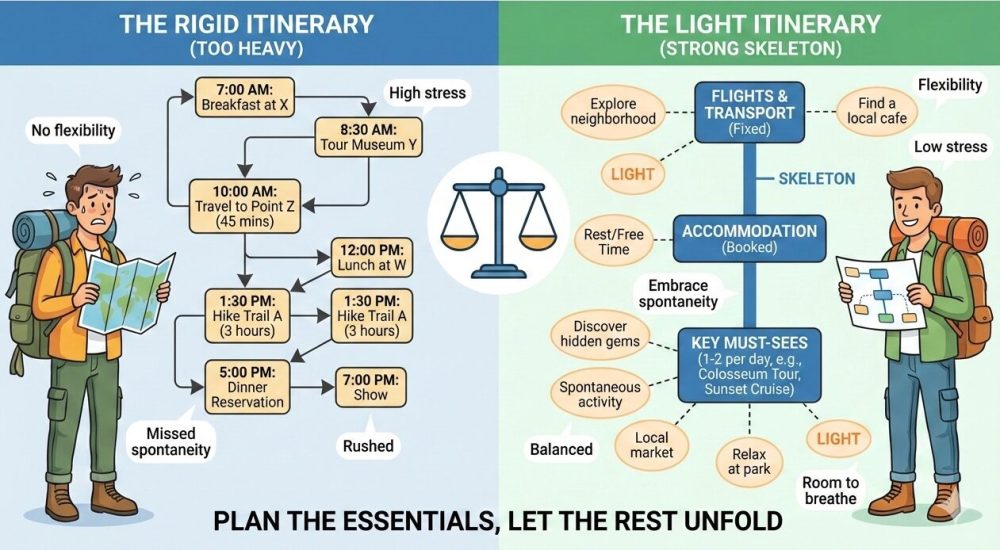
A common first-timer mistake is over-planning out of anxiety, then feeling trapped by the schedule. The opposite mistake is arriving with no plan, then losing time to indecision.
The sweet spot is a simple structure: one must-do experience per day, one flexible block, and one easy “default” option for when you are tired. Your must-do is the reason you came – a famous hike, a show, a food market, a whale-watching cruise. The flexible block is for wandering, popping into shops, or saying yes to a last-minute recommendation.
The default option is what saves you on low-energy afternoons when you start scrolling instead of exploring. Make it something close to where you are staying, like a scenic walk, a bookstore, a beach, or a cozy cafe.
Choose the right place to stay (it changes everything)
For solo travelers, lodging is not just a bed. It is your safety net, your reset button, and sometimes your social life.
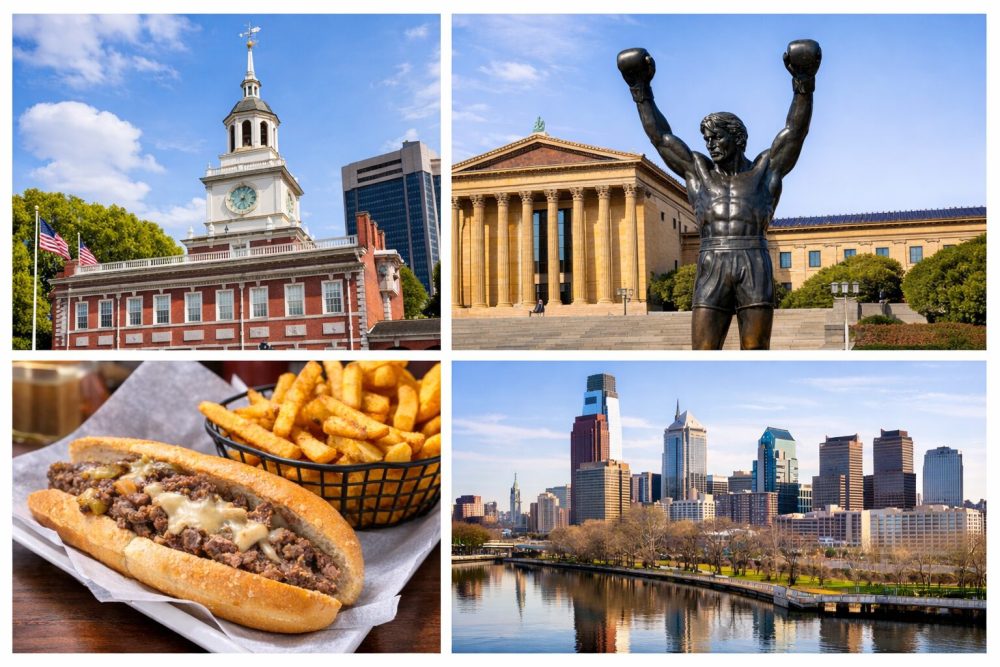
If you want quiet and privacy, a well-reviewed hotel in a central area can feel like instant stability. If you want built-in community, hostels and social guesthouses can be a shortcut to meeting people. Either choice is valid – what matters is being honest about what you need at the end of the day.
Location is the bigger deal than room size. Staying slightly farther out might save money, but it can cost you confidence if you are navigating unfamiliar streets late at night. For a first solo trip, paying a bit more for a walkable, well-lit area often feels worth it.
Before you book, read reviews with a solo lens. Comments about noise, front desk helpfulness, and neighborhood vibe tell you more than a generic “great stay.”
Nail the logistics before you land
Solo travel feels smoother when the boring pieces are handled early.
Have a plan for how you will get from the airport or station to your lodging. If you are using rideshare, know where pickups happen. If you are taking public transit, screenshot the route and the stop name. If you are arriving late, confirm check-in procedures so you are not negotiating access when you are tired.
Keep your first day intentionally easy. Jet lag plus decision-making is a rough combination. Plan something simple, like a walk through a central neighborhood or an early dinner. You will feel like you “started the trip” without pushing yourself into a high-stakes activity.
Pack for confidence, not for perfection
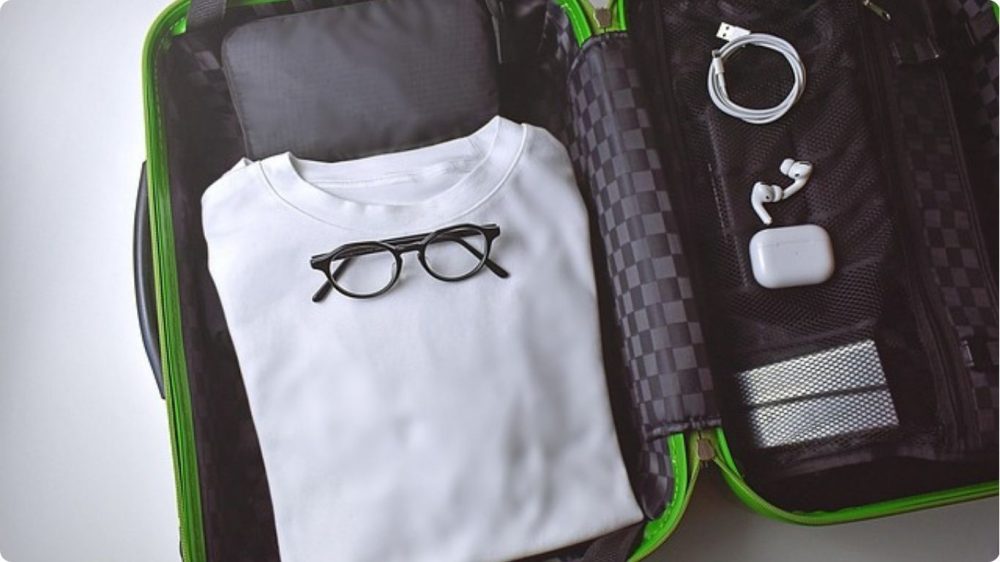
Packing for solo travel is less about having every possible item and more about removing points of failure.
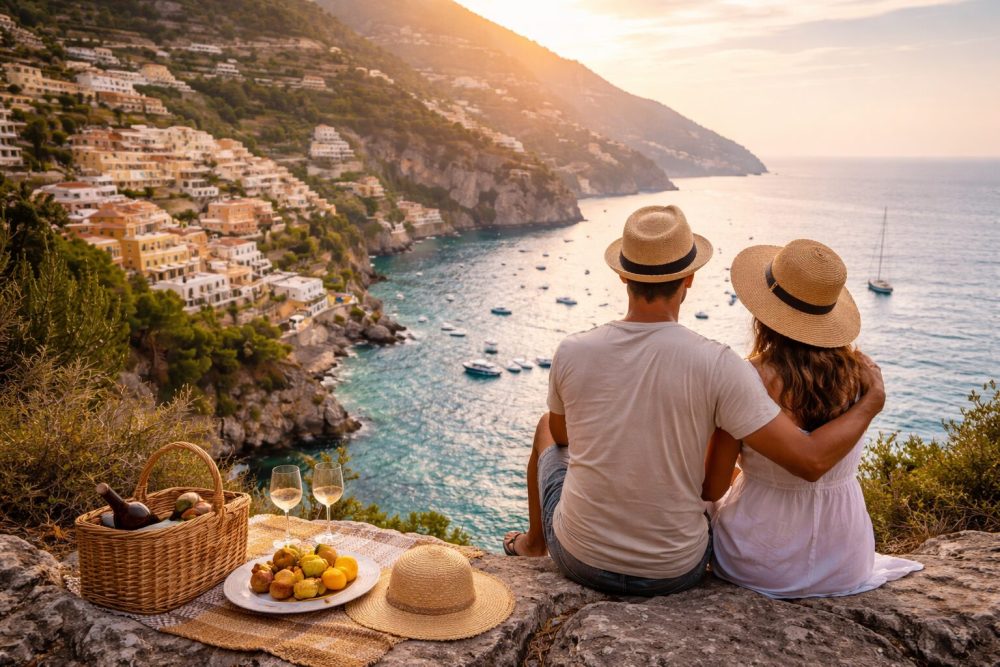
Bring one outfit that makes you feel put-together quickly. When you are solo, there is no partner or friend to help you talk yourself into going out. Feeling good in what you are wearing can be the difference between staying in and stepping into the night market.
A small day bag with secure closures is your everyday workhorse. Also, bring a backup way to access your money. That could mean a second card stored separately or having a small amount of emergency cash hidden in your luggage.
The trade-off is weight. Overpacking makes you tired, and tired travelers make sloppy choices. If you are debating an item, ask: will this solve a real problem, or just soothe a hypothetical worry?
Use simple safety habits that do not kill the vibe
Safety advice can get dramatic online, but practical habits go a long way.
Share your rough itinerary with someone you trust and check in at a predictable cadence, especially if you are changing cities. You do not need to broadcast your location publicly. Just make sure one person knows your plan.
In public, carry yourself like you have somewhere to be. You can still be friendly and curious, but moving with purpose helps you blend in. If you need to look something up, step into a shop or stand with your back to a wall instead of stopping in the middle of a sidewalk.
Alcohol is a personal choice, but solo is a different equation. If you want to drink, keep it light enough that you can navigate home with confidence. There is no prize for pushing your limits when you are on your own.
Trust your instincts early. If a situation feels off, you do not need “proof” to leave. One of the quiet superpowers of solo travel is that you can change plans instantly.
Eat alone like it is part of the experience
Dining solo can be the scariest first-time hurdle, even for people who travel confidently.
Start with low-pressure wins: coffee shops, food halls, counter-service spots, markets, and bars with seating where it is normal to chat or stay quiet. Bring a small ritual – a journal, a book, or a list of places you want to try. It gives your mind something to do besides wondering what everyone thinks (they are not thinking about you).
When you want a nicer sit-down meal, earlier reservations can feel gentler because restaurants are calmer. Ask for a seat at the bar or a small table. And if you feel awkward, remember this: solo diners often get some of the best service because staff notice you more quickly.
Meeting people: make it easy, then make it optional
One of the best parts of solo travel is choosing your own level of social.

Tours and classes are the simplest way to connect without forcing small talk in the wild. A walking tour, cooking class, day cruise, or group hike gives you a shared topic from the first minute. You can chat with others, then peel off when you are ready.
If you are staying somewhere social, set one tiny goal like “say hi in the kitchen” or “join one group activity.” Small moves create momentum.
But also plan for alone time. Constant socializing can be exhausting, and when you are tired you are more likely to agree to plans you do not actually want. The point is freedom – including the freedom to be quiet.
Budget in a way that protects your independence

Solo travel can cost more because you are not splitting lodging or transportation. That does not mean it has to be expensive, but it does mean your budget should match your priorities.
Spend on what reduces stress: a safe, convenient location, a reliable way to get around, and one or two experiences you will remember forever. Save on things that do not matter as much, like skipping a too-fancy room or doing a picnic lunch on days when you have a big dinner planned.
Also, build a small “decision buffer.” This is money set aside for the moments when you just need the easy option – a taxi instead of figuring out a late-night bus, or switching to a more central hotel if the first one feels wrong. That buffer is not a luxury. It is what keeps you from feeling stuck.
Handle the hard moments without spiraling
Even the most confident solo travelers have off days. You might feel lonely at dinner. You might get overwhelmed by directions. You might wonder why you ever thought this was a good idea.
When that happens, lower the bar. Do one simple task that puts you back in motion: take a shower, walk to a landmark, buy fruit and water, sit in a park. Tiny actions rebuild control.
It also helps to have a “comfort plan” ready. Know one show you can stream, one low-effort meal you like, and one nearby place that feels calming. Solo travel is not about constant boldness. It is about learning how to take care of yourself in a new setting.
A few smart tech moves (without becoming phone-dependent)
Your phone can be both your guide and your distraction.
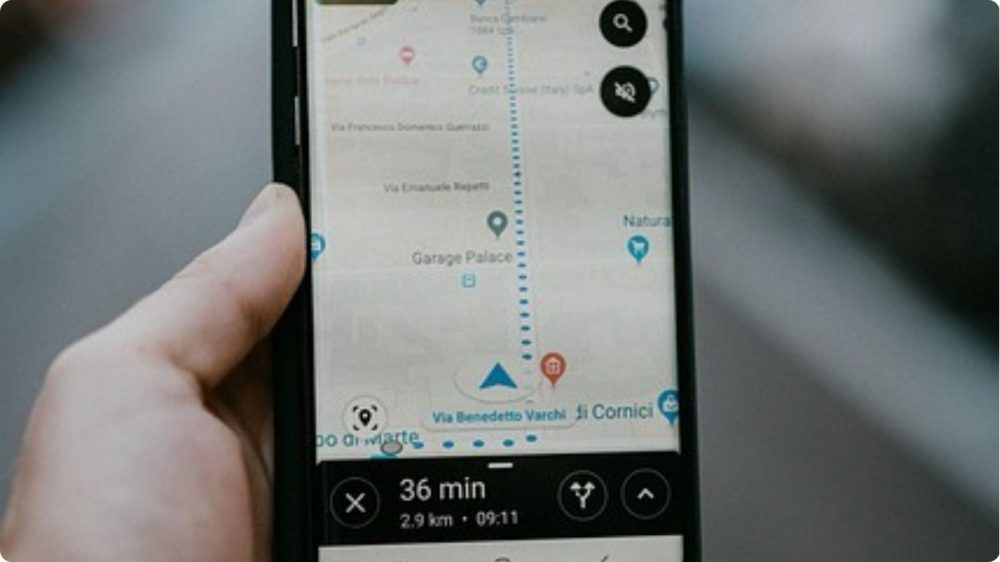
Download offline maps for your area and save your lodging address in a place you can access quickly. Keep digital copies of important documents, and consider carrying a small portable charger if you will be out all day.
Then set boundaries so you do not spend the whole trip filming it. A simple rule works: capture a moment, then put the phone away and stay there. The goal is to remember your trip, not just record it.
Make your first solo trip feel like yours
Solo travel is not a personality test. You do not need to be extroverted, fearless, or “the kind of person who does this.” You just need a plan that supports how you actually move through the world.
If you want destination ideas and planning game plans that cut down the research time, you can browse TravelInnTour.com once, pick a direction, and start making real choices.
Your first solo trip is a small act of trust in yourself. Pack your curiosity, leave room for surprise, and when you feel that little spark of “I can do this,” follow it – it tends to lead somewhere unforgettable.
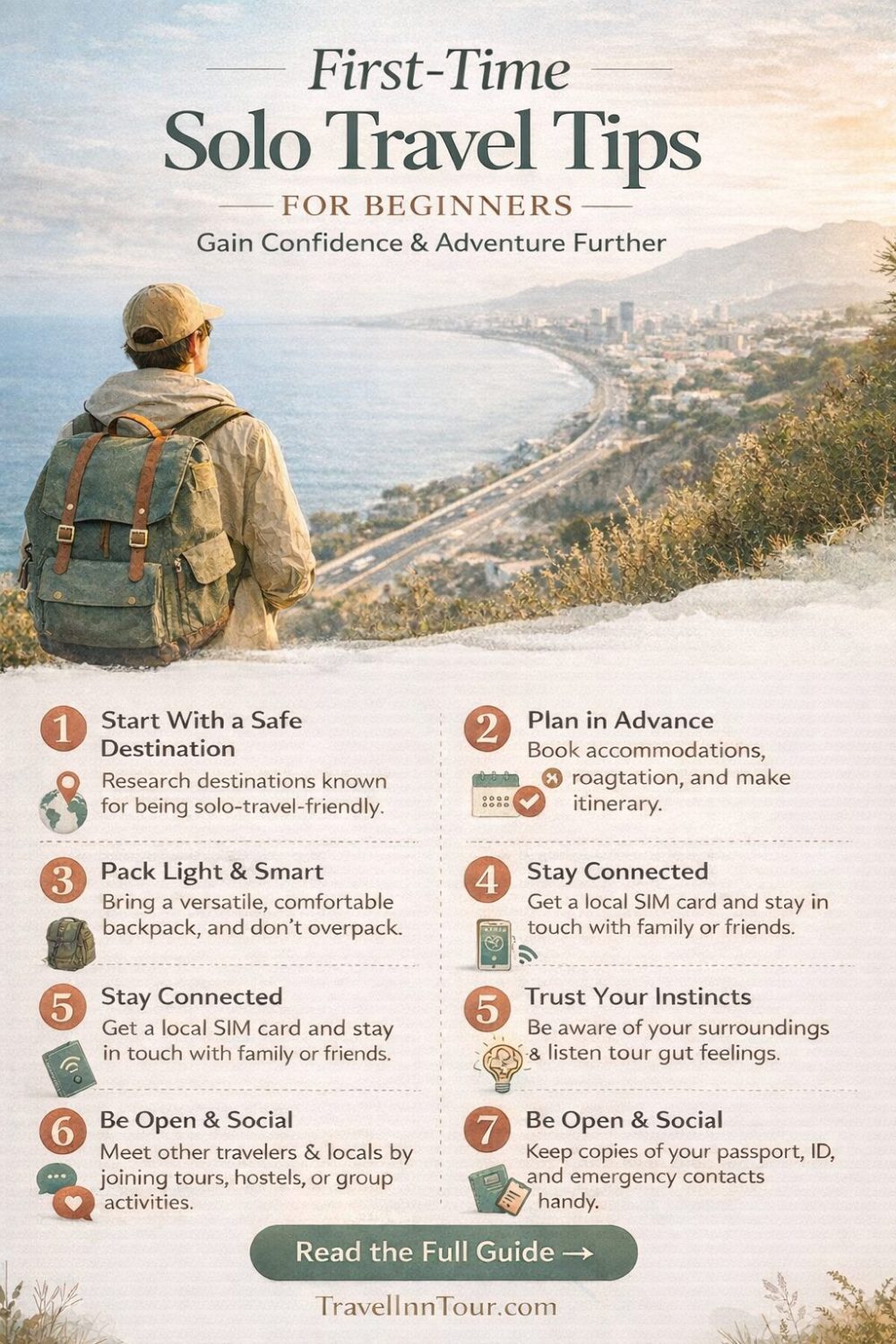
Share it On Pinterest





Leave a Comment