
There’s a reason locals keep coming back to Broken Bow, and why locals love these things to do in Broken Bow, you can paddle pristine lakes, hike old-growth trails, fish trophy trout, sip at rustic wineries, and unwind in cozy cabins with hot tubs. This guide points your way to the top experiences in Beavers Bend and Hochatown, from lake adventures and ATV trails to stellar dining and seasonal events, so you can plan a trip that feels authentically local and perfectly tailored to your interests.
Things to Do in Broken Bow That You’ll Love—Try These
Boating on Broken Bow Lake
Types of Boating Activities
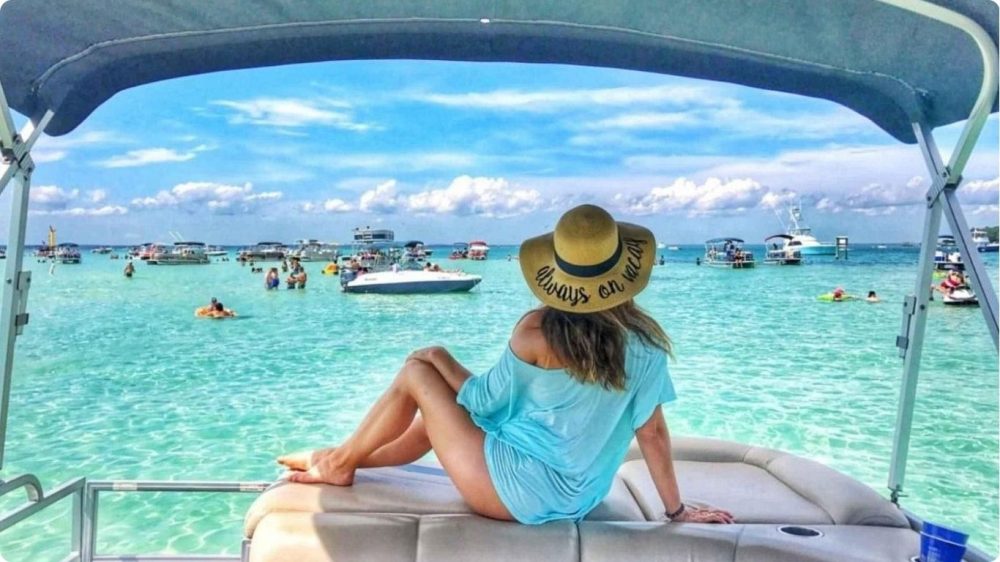
You’ll find everything from pontoon cruising to jet skis across Broken Bow’s 14,000-acre surface and 180 miles of shoreline; pontoon boats are ideal for families, fishing boats put you on smallmouth bass hotspots, and kayaks or paddleboards get you into quiet coves and around small islands for wildlife viewing. Beavers Bend Marina (580-494-6455) handles most rentals and slip services so you can focus on the water.

| Activity | Best use / tip |
| Pontoon | Family cruising, picnics, anchoring near islands |
| Jet Ski | High-adrenaline rides, stay near marina and marked channels |
| Fishing Boat | Trolling for smallmouth bass along rock lines |
| Canoe / Kayak | Explore coves, easy island landings |
| Paddleboard | Shoreline exploration and morning calm waters |
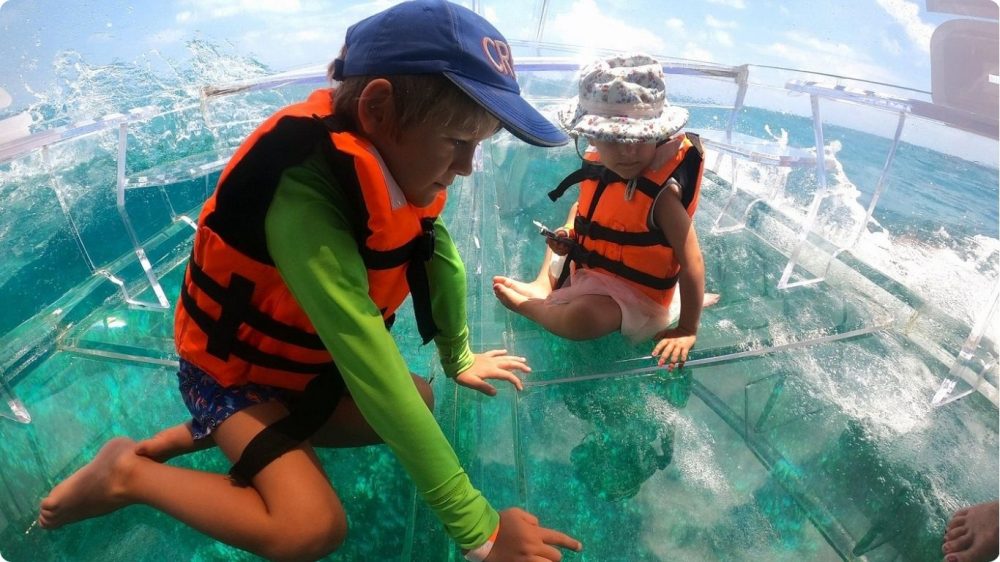
- Pontoon for slow days and group shade.
- Jet skis for short, fast outings.
- Kayaks and canoes to reach islands and shallow coves.
- This lets you mix a fishing morning with an afternoon swim at a secluded cove.
Tips for an Enjoyable Experience
You should wear a properly fitted life jacket, check fuel and safety gear before launch, and monitor weather-afternoons can get breezy; plan early starts for calmer water and quieter coves. Reserve rentals in advance on holiday weekends, and use Beavers Bend Marina for fuel, slips, and equipment.
- Bring layered clothing and reef-safe sunscreen.
- Stow electronics in waterproof cases and pack extra water.
- File a float plan with someone at the cabin or marina.
- Assume that mornings offer the calmest conditions for fishing or paddleboarding.
You’ll enjoy smoother days if you time trips around sunrise or early morning, when water is glassy and fishing is prime; check marina rental windows (common 4- or 8-hour blocks), confirm life jacket counts, and ask for local map markers for submerged hazards. Carry a basic first-aid kit, know the nearest boat ramp locations, and keep a charged phone in a waterproof pouch for emergencies.
- Verify rental hours and any fuel or slip fees up front.
- Ask marina staff for current no-wake zones and seasonal algal alerts.
- Plan stops at designated swim areas and island coves.
- Assume that early reservations secure the best boats and times.
Step-by-Step Guide for Renting Boats
You can reserve by phone or online with Beavers Bend Marina (580-494-6455); expect to show a photo ID, sign a waiver, receive a safety briefing, and pick from typical rental blocks (half-day ~4 hrs, full-day ~8 hrs). Life jackets are included, and staff will point out fuel policy, launch procedure, and return checks so you can get on the water quickly and safely.

Quick Rental Steps
| Step | What to expect |
| Reserve | Choose boat type and time block; deposit or CC hold may apply |
| Arrive | Show ID, sign waiver, pay balance |
| Safety Briefing | Life jackets, horn, emergency procedures, local rules |
| Launch | Staff assist with slip and docking tips |
| Return | Refuel if required, inspection, finalize charges |
Expect check-in to take 10-20 minutes; ask for a local navigation map and shallow-water markers. Bring a valid driver’s license, a credit card for holds, and any printed reservation confirmation; if you’re new to driving boats, request a short practice run in a quiet cove before venturing into open sections of the lake.
Rental Requirements & Tips
| Requirement / Tip | Details |
| Photo ID | Driver’s license for the primary renter |
| Payment | Credit card typically used for deposit/hold |
| Age | Minimum age and experience may apply for certain crafts |
| Safety | Orientation and life jackets provided |
| Timing | Book weekends and holidays weeks ahead to secure your slot |
Hiking in Beavers Bend State Park & Broken Bow
You can tackle everything from the 11.6-mile Skyline Trail with waterfalls and steep switchbacks to the easy 1.9-mile Lookout Mountain loop. You’ll hike along the Mountain Fork River, spot eagles and deer, and enjoy fall color peak in late October-early November. Plan water, snacks, and extra time for fishing access or photo stops at river vistas.
Types of Hiking Trails
Trails run the gamut: short interpretive loops for families, moderate ridge walks with overlooks, creekside nature paths, and full-day backcountry routes that test endurance. Many routes include river crossings and rocky tread; some offer boardwalks and picnic spots. This variety lets you choose anything from a 30-minute nature stroll to an 11.6-mile full-day challenge.

- Family-friendly loops and boardwalks
- Moderate ridge and overlook trails
- Strenuous, long-distance routes like Skyline
- Creekside and river-access paths for fishing
- Short interpretive trails around park facilities
| Skyline Trail | 11.6 miles – Strenuous; waterfalls & peaks |
| Lookout Mountain | 1.9 miles – Easy; panoramic views |
| Lower Mountain Fork River | Variable miles – Easy/Moderate; river access |
| Bee Creek Trail | 3.5 miles – Moderate; mixed forest and creek crossings |
| Pine Creek Loop | 2.2 miles – Easy; family-friendly, interpretive signs |
Tips for Beginners and Experienced Hikers
Start short if you’re new: pick Lookout Mountain or a 1-3 mile loop, carry 1-2 liters water per person, and use trail maps or GPS. Experienced hikers should factor in elevation gain and plan a 6-8 hour window for Skyline or ridge routes. Thou pack layers, a headlamp, and extra calories for late finishes.
- Hydrate: 1-2L water per person for half-day hikes
- Footwear: sturdy boots for rocky sections
- Navigation: carry a map or GPS-cell signal can be spotty
- Pacing: allow extra time for river crossings and photo stops
- Safety gear: first-aid kit and whistle
When you push for longer trails, check weather (storms move fast in the Ouachitas), tell someone your route, and consider an early start to avoid afternoon heat or late fog. Park kiosks list trail conditions; local outfitters rent boots, poles, and guided trips if you want company. Thou bring a lightweight emergency blanket and a charged phone with offline maps.
- Check trail conditions at park kiosks
- Start early for long hikes to avoid afternoon storms
- Use guided services for unfamiliar backcountry
- Pack emergency items: blanket, whistle, spare battery
- Respect seasonal closures and wildlife areas
Factors to Consider When Choosing a Trail
Match trail length and elevation to your fitness and group (kids or dogs change pace), factor in river crossings and seasonal water levels, and note parking and shuttle limitations at busy trailheads on weekends. Recognizing these variables helps you pick a route that fits your time and skills.
- Distance and estimated hike time
- Elevation gain and technical difficulty
- River crossings and wet-season hazards
- Trailhead parking capacity on weekends
- Wildlife activity and seasonal closures
If you’re choosing between Skyline and a creek loop, compare elevation gain (Skyline’s sustained climbs) versus creek-side footing (slick rocks and roots). Consider daylight hours-short in winter-and nearby amenities like picnic spots or river access for fishing. Trail signage varies; download park maps ahead and note emergency exit points. Recognizing parking limits and peak-season crowding will save you time at trailheads.
- Compare elevation gain vs. scenic highlights
- Account for daylight and seasonal trail conditions
- Download maps offline for spotty service
- Plan for parking or alternate trailheads
- Factor in fishing or picnic stops when estimating time
Fishing and Fly Fishing | Mt Fork River
Types of Fishing Available
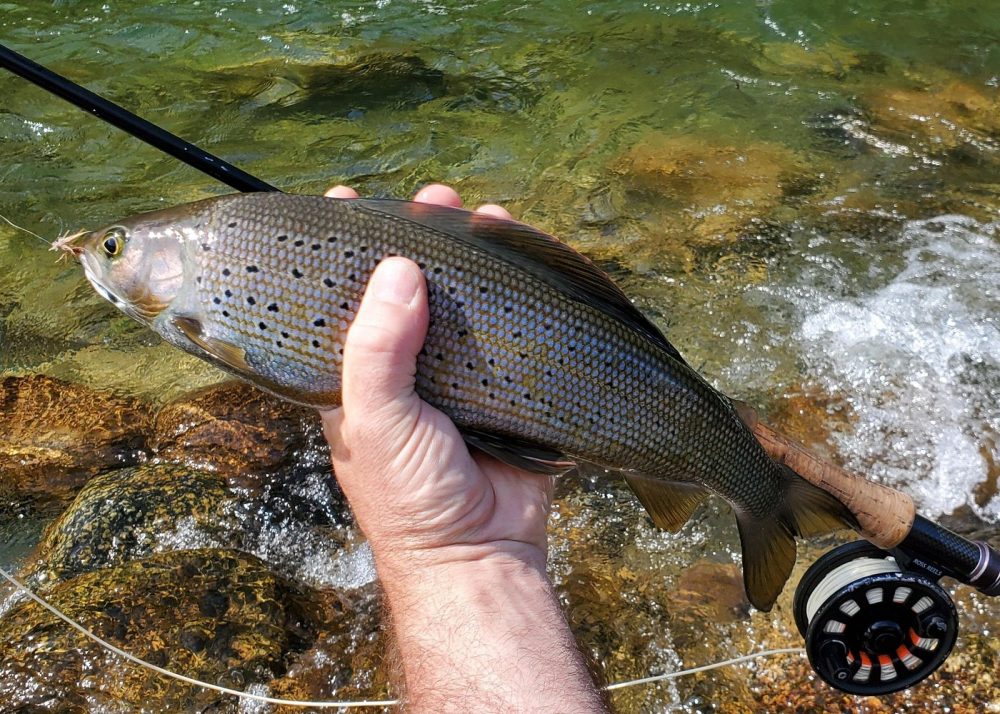
You can target Brown and Rainbow Trout year-round in the cool tailwaters below Broken Bow dam, wade the Lower Mountain Fork’s 12 miles of designated trout water, troll the 14,000-acre Broken Bow Lake for bass, or bank-fish pockets along the Ouachita-lined shore. You’ll also find guided drift trips and catch-and-release sections that favor fly anglers and beginners alike.
| Fly fishing | Tailwaters below dam; best for trout on nymphs and dry flies |
| Wade fishing | Lower Mountain Fork’s shallow runs and riffles-good for sight fishing |
| Trolling | Broken Bow Lake shoreline for smallmouth and largemouth bass |
| Bank fishing | Accessible spots in Beavers Bend State Park and lake coves |
| Guided charters | Local guides offer half- and full-day trips with gear and local intel |
- Dry-fly action peaks in spring and fall when hatches occur.
- Nymphing dominates winter trout strategy with small bead-heads.
- After you scout seams and tailouts you’ll consistently find rising trout.
Tips for Successful Fishing
You should time trout outings for early morning or late afternoon, match hatch patterns with small flies (size 16-22 for many nymphs), use light leaders (6-8 lb fluorocarbon), and check current Oklahoma trout regs before you cast. Local guides report higher catch rates near rock shelves and below riffles.
- Bring polarized sunglasses to read seams and moving fish.
- Pack a small tackle kit with split-shot, tippet, and several emerger patterns.
- Assume that water clarity changes quickly after rains, and adjust flies and retrievals.
When you hire a guide, expect them to scout pockets, tie flies on the spot, and show you effective presentations; many guides on Mountain Fork offer drift-boat trips that cover miles of trout water in a morning and teach techniques like euro nymphing or indicator rigs.
- Guides often provide rods, flies, and local hatch knowledge for half-day trips.
- You’ll learn stealth approaches for spooky trout in clear runs.
- Assume that a guided trip will dramatically shorten your learning curve.
Pros and Cons of Different Fishing Methods
You’ll weigh fly fishing’s finesse against spinning tackle’s versatility: fly tactics excel for sight-casting to trout in clear runs, while spinning or bait rigs work well for lake bass and deep-water presentations. Each method demands different gear, technique, and time investment.
Pros and Cons by Method
| Fly fishing | Pros: precise presentation to trout; Cons: steep learning curve, specialized gear |
| Spin casting | Pros: easy to learn, versatile for lake and river; Cons: less subtle for spooky trout |
| Trolling | Pros: covers water quickly for bass; Cons: boat required, can miss shallow sight-fish |
| Bait fishing | Pros: simple and effective for panfish/bass; Cons: less sport for fly anglers |
| Nymphing | Pros: high trout catch rates in cold water; Cons: requires precise depth control and leaders |
| Streamer fishing | Pros: targets larger trout predatory behavior; Cons: can be gear- and energy-intensive |
If you want a balanced approach, you can fish the river with a two-rod setup-one for light spinning lures and one for a short fly rod-or alternate days between lake trolling and river wading to match seasonal patterns and maximize your odds on Mountain Fork and Broken Bow Lake.
Additional pros and cons
| Catch-and-release focus | Pros: conserves trout populations; Cons: requires careful handling and barbless hooks |
| Guided trips | Pros: local knowledge, higher catch rates; Cons: cost, scheduling |
| Bank-only fishing | Pros: no boat needed, easy access; Cons: limited range, pressure at popular spots |
| Boat/float fishing | Pros: reaches remote runs and structure; Cons: rental or guide needed |
| Seasonal tactics | Pros: match hatches and temps for success; Cons: requires timing and observation |
Canoeing, Kayaking, Paddle Boarding & Paddle Boats in Broken Bow
Types of Watercrafts Available
You’ll find canoes, sit‑in and sit‑on‑top kayaks, stand‑up paddleboards (SUPs), family paddle boats and pontoon rentals across Broken Bow Lake’s 14,000 acres and the Mountain Fork River’s Class I-II runs; Glover River offers more remote, rugged craft options. Outfitters like Wild Goose Canoe & Kayak, Yippie Kayo Kayaks and Tippa Canoe rent day and tandem boats and often stage launches at Beavers Bend Marina. Recognizing conditions and skill level helps you pick the right craft for rapids, calm lakes or shoreline cruising.
- Canoe – tandem stability for families and fishing
- Sit‑on‑top kayak – easy for warm months and quick exits
- Sit‑in kayak – better control in choppier water and rapids
- SUP – great for calm coves and shoreline exploration
- Recognizing water type and wind will determine which craft you should rent
| Watercraft | Best For / Where to Rent |
| Canoe (tandem) | Broken Bow Lake shoreline, family trips – Wild Goose, Tippa |
| Sit‑on‑top Kayak | Warm weather, easy re‑entry – Yippie Kayo, marina rentals |
| Sit‑in Kayak | Mountain Fork River rapids (Class I-II) – guided outfitters |
| SUP (stand‑up paddleboard) | Calm lake coves and Lower Mountain Fork shallows – paddleSUP |
| Paddle Boat / Pontoon | Leisure cruising on scenic coves – Beavers Bend Marina |
Tips for Safety on the Water
You must wear a US Coast Guard-approved life jacket, check local weather and river flow before launch, and avoid alcohol while paddling on the 14,000‑acre lake or the 12 miles of designated trout water on Lower Mountain Fork. Carry a whistle, dry bag with phone and ID, and plan shorter trips if water is cold; guides reduce exposure on unfamiliar rapids. This keeps you and your group safer on the water.
- Wear a properly fitted PFD at all times
- Check forecasts and river class (Mountain Fork: Class I-II; Glover: more remote)
- Use a leash on SUPs and secure electronics in a dry bag
- This practice reduces rescue risk and improves response time
For extra protection, hire local outfitters for Class I-II sections or for river shuttles; they know 180 miles of shoreline access points and safe put‑in/take‑out locations. Carry a basic first‑aid kit and tell the marina or cabin host your route and return time. This improves rescue chances and lets you enjoy Broken Bow’s waterways with more confidence.
- Hire a guide for rapids or unfamiliar rivers
- Pack water, sunscreen and a charged phone in a dry bag
- Practice self‑rescue and group re‑entry drills before deep water
- This habit preserves safety and speeds assistance if needed
Step-by-Step Instructions for Beginners
Start on calm water near Beavers Bend Marina or a protected cove on Broken Bow Lake, choose a stable craft (wide SUP or tandem canoe), and limit your first outing to 30-60 minutes to build balance and confidence; practice basic forward and sweep strokes, then try a gentle turn and a controlled return to shore. Use a leash for SUPs, a PFD for everyone, and launch where shallow banks allow easy re‑entry.
| Step | Action |
| 1. Assess | Check wind, water temp and launch point at Beavers Bend Marina |
| 2. Gear | Wear PFD, bring whistle, dry bag, and leash for SUPs |
| 3. Launch | Enter from shallow shore; sit/kneel on SUP to start |
| 4. Paddle | Practice 10 forward strokes, then sweep strokes to turn |
| 5. Return | Approach shore slowly, step out or re‑enter from shallow water |
After initial practice, build on those basics by drilling the J‑stroke, low brace and assisted re‑entry; try short guided trips on Mountain Fork River to experience current management with an expert. Practice balance drills in a protected cove and rehearse capsize recovery with a partner before venturing onto open water.
| Skill | Drill |
| Balance | Kneel on SUP for 5 minutes, then stand for 10 gentle strokes |
| Forward Stroke | 10 strong, straight strokes focusing on torso rotation |
| Turning | Practice sweep strokes 10 each side to pivot quickly |
| Re‑entry | Simulate shallow bank re‑entry with partner assist |
| Safety | Drill self‑rescue and signal with whistle under 5 minutes |
Best Food to Tempt Your Taste Buds in Broken Bow
Types of Cuisine Offered

You’ll find a tight cluster of flavors in Hochatown just 3-10 minutes from most cabins: wood‑fired pizza, authentic Italian, Southern home cooking, steak and seafood, plus artisan chocolates and winery tastings; several restaurants feature weekend live music and brunch service. Try Grateful Head for pies, Pressa Italia for handmade pastas, and Loblolly for confections when you want something sweet.
- Pizza – Grateful Head Pizza Oven & Taproom
- Italian – Pressa Italia (homemade pasta)
- Southern / Home Cooking – The Blue Rooster
- Steak & Seafood – Abendigo’s Grill & Patio
- Recognizing seasonal menus at wineries and breweries enhances tasting experiences
| Pizza | Grateful Head Pizza Oven & Taproom |
| Italian | Pressa Italia |
| Southern/Home Cooking | The Blue Rooster |
| Steak/Seafood/Brunch | Abendigo’s Grill & Patio |
| Desserts/Chocolates | Loblolly Chocolates |
Tips for Foodies
You should book weekend reservations early-Hochatown fills fast for brunch and live‑music nights. Plan to arrive 15-30 minutes before peak service for patios; sample brewery flights to taste seasonal brews, and split entrees to try more dishes. Check hours for wineries and chocolatiers, since seasonality affects tastings and specials.
- Reserve tables on Friday-Sunday and holidays
- Ask about live music schedules before you go
- Order tasting flights at breweries and wineries to compare styles
- Split larger entrees to sample more menu items
- Any special dietary needs should be confirmed when you call ahead
You can maximize culinary time by pairing activities: grab a picnic from a deli for a Broken Bow Lake shoreline stop, schedule a winery tasting after a morning hike in Beavers Bend, or pick up chocolates to enjoy in your cabin hot tub. Local chefs often source produce regionally, so menus change-watch for chef specials and weekend brunch menus, and use the Directory & Map to check phone numbers and current hours.
- Pack a picnic for lake or trailside dining
- Combine tastings with daytime activities like hiking or boating
- Follow restaurants on social media for pop‑up menus
- Use the local directory to confirm hours before heading out
- Any last‑minute menu changes are common-call ahead
Pros and Cons of Local Dining Options
You’ll enjoy fresh, locally sourced menus, a wide range of cuisines, and ample patio seating with lake or forest views; expect shorter menus and limited late‑night options in a small town, and weekends can mean wait times of 20-60 minutes. Many spots offer kid menus and outdoor fire pits, while parking and reservations vary by venue.Pros and Cons
| Fresh, local ingredients | Limited late‑night service |
| Diverse cuisine within a small area | Weekend waits can be long (20-60 minutes) |
| Wineries & breweries with tastings | Seasonal closures or limited hours |
| Family‑friendly menus and patios | Parking constraints during peak times |
| Short drives from cabins (3-10 minutes) | Smaller kitchens mean limited menu items |
When you weigh options, factor in seasonality: fall foliage and summer lake traffic change volume and service. Many restaurants add outdoor seating and live music on weekends, boosting atmosphere but increasing noise and waits. If you prefer quieter dining, weekdays offer the same high quality with quicker service; for groups, call ahead to secure patios or private seating.
Pros and Cons
| Great seasonal specials | Peak crowds during holidays |
| Authentic regional flavors | Smaller portion control on specialty dishes |
| Accessible from cabins and attractions | Some venues require reservations |
| Excellent dessert and chocolate options | Specialty items may sell out early |
| Opportunities for pairing with outdoor activities | Service speed varies by venue and time |
Wineries in Broken Bow & Beavers Bend
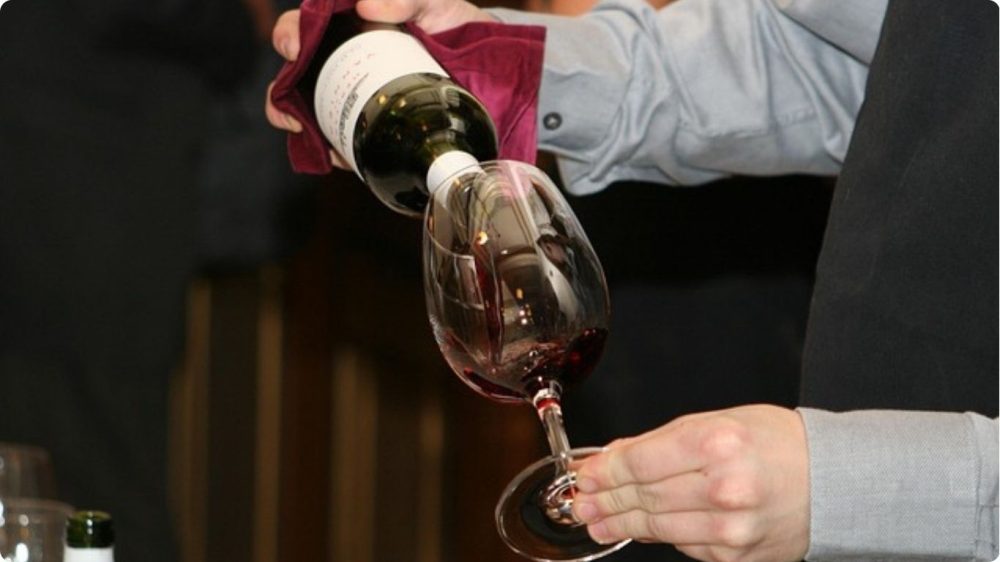
You can visit Girls Gone Wine, Fish Tales Winery, and Knotted Rope Winery for outdoor patios, fire pits, tasting flights, and bottles to take back to your cabin; typical tastings are 4-6 pours for $5-$15. Plan a stop after boating on Broken Bow Lake or a hike in Beavers Bend, and check The 7 Best Things to Do Near Broken Bow, OK for nearby activities.
Types of Wine Experiences Available
You’ll find seated flights, casual bar tastings, guided vineyard tours, food-pairing events, and seasonal outdoor concerts; tours typically run 30-45 minutes and flights often move from whites to heavier reds so your palate builds.
- Seated flights: 4-6 pours, often $5-$15.
- Vineyard or barrel room tours: 30-45 minutes with behind-the-scenes talk.
- This lets you pair a lighter Riesling with trout and a bold Cabernet with grilled steak at on-site patios.
| Winery | Highlight |
|---|---|
| Girls Gone Wine | Outdoor patio, gift shop, dessert-friendly Moscatos |
| Fish Tales Winery | Lake-adjacent views, fruit-forward blends |
| Knotted Rope Winery | Live music nights, food-pairing flights |
| Hochatown Tasting Room | Rotating local vintages and seasonal events |
Tips for Wine Tasting
You should pace tastings, start with lighter whites then move to fuller reds, sip and swirl to assess aroma, and spit if you plan to drive; carry water and a light palate cleanser like bread.
- Start with crisp whites (e.g., Riesling or Pinot Grigio) before moving to heavier reds.
- Ask for pour sizes and whether fees are waived with a bottle purchase.
- Assume that many wineries will waive tasting fees if you buy a bottle or two.
When you visit, tell staff your preferences-if you like fruit-forward or dry styles they’ll steer you; most tastings last 20-40 minutes and staff often label residual sugar or ABV (commonly 11-14% ABV).
- Taste from light to full-bodied to avoid palate fatigue.
- Bring a designated driver or plan to spit if you’ll sample many pours.
- Assume that staff can recommend specific vintages and food pairings based on your taste.
Factors Influencing Your Wine Selection
You’ll weigh sweetness, acidity, body, tannin, and price when choosing bottles-expect rosés and whites around 11-12% ABV and many reds 13-14% ABV; prices typically range $12-$40 for local labels.
- Sweetness: dry to sweet affects food matches and dessert pairing.
- Body and tannin: light (Pinot) vs. full (Cabernet) for your meal plans.
- This helps you pick a wine for a lake picnic versus a fireside dinner in your cabin.
Depending on season and activity, you might lean toward crisp whites and rosés after a day on Broken Bow Lake, or choose aged reds for a cozy cabin night; checking vintage year and ABV gives you clues about style and aging potential.
- Match acidity to food-higher acidity with fried or fatty dishes.
- Consider price vs. bottle quality; local small-batch wines often run $15-$30.
- This strategy helps you pack bottles that suit both daytime outings and evening pairings.
Brewery & Distillery Tours in Broken Bow, OK
| Beavers Bend Brewery | IPAs, Brown Ales, 5-sample flights |
| Mountain Fork Brewery | Pale Ales, seasonal lagers, rotating taps |
| Hochatown Distilling Co. | Bourbon, rye, craft gin, distillery tours |
| The Tasting Room | Cocktails, whiskey flights, curated bourbons |
| Local Taprooms | Guest taps, ciders, barrel-aged specials |
Types of Beverages to Explore
You’ll find classic craft beers (IPAs, pale ales, brown ales) alongside seasonal lagers and experimental sours; distilleries pour bourbon, rye, gin and small-batch moonshine, and taprooms often feature hard ciders and fruit-infused releases. Try a 4-6 sample flight to compare mouthfeel and ABV across styles before you buy a pint or a bottle. This helps you match a brew or spirit to a lake day, a fireplace evening in your cabin, or a hearty meal in Hochatown.
- Beer – IPAs, Pale Ales, Brown Ales
- Spirits – Bourbon, Rye, Gin
- Specialties – Barrel-aged, Fruit-infused, Ciders
Tips for Enjoying Brewery Tours
Tours and tastings typically run 30-60 minutes; plan for 45 minutes per stop and combine a brewery with a winery or a hike around Beavers Bend for a full day. Many places cap flights at 4-6 samples and enforce 21+ ID checks, so book weekend slots and designate a driver or shuttle. Knowing how many samples are in a flight and the pour sizes helps you pace your tasting and stay safe.
- Book weekend slots in advance to avoid waits
- Bring government ID; tastings are strictly 21+
- Designate a sober driver or hire local transportation
You can maximize visits by starting with breweries near Hochatown-Beavers Bend Brewery often rotates 10 taps daily while Mountain Fork Brewery posts seasonal releases on social media; distilleries like Hochatown Distilling offer behind-the-scenes tours with 1 oz pours so you taste production methods as well as final spirits. Ask bartenders about ABV and recommended food pairings to stretch a flight into a late-afternoon snack. Knowing the production schedule and tap rotation will let you hit the freshest pours.
- Check brewery social feeds for tap rotation and release days
- Ask for pairing suggestions to stretch a flight into a meal
- Carry water and snacks between stops
Pros and Cons of Sampling Local Brews
You’ll support local makers, taste one-off small-batch beers and spirits, and discover styles you can’t find elsewhere, but be prepared for higher ABVs, limited distribution, and occasional price premiums on boutique releases. Short tours and flights make sampling efficient between lake activities or hiking, and you can always take cans or bottles back to your cabin for a nightcap by the fire.
Pros & Cons
| Pros: Fresh, local flavors | Cons: Higher ABV on many craft releases |
| Pros: Support small businesses | Cons: Limited distribution outside region |
| Pros: Unique seasonal experiments | Cons: Small pours can limit sharing |
| Pros: Tasting flights for comparison | Cons: Weekend crowds and waits |
| Pros: Good pairings with Hochatown restaurants | Cons: Premium pricing on specialty bottles |
| Pros: Tours show production methods | Cons: Tours may require reservations |
Sampling locally gives you flavors tied to the Ouachita foothills-barrel-aged stouts that stand up to a fireplace evening, crisp session ales for a Broken Bow Lake afternoon, and small-batch bourbons perfect for sipping after horseback riding-yet availability can be sporadic and ABV variance means you should pace yourself and plan logistics. Taprooms often sell cans to-go so you can enjoy a brew back at your cabin, and pairing local brews with Hochatown fare enhances the experience.
Pros & Cons
| Pros: Seasonal variety | Cons: Inconsistent availability |
| Pros: Educational tours | Cons: Tour times limited |
| Pros: Community atmosphere | Cons: Noise and crowds on weekends |
| Pros: Take-home bottles/cans | Cons: Higher cost per bottle |
| Pros: Great pairings with local food | Cons: Not all styles available year-round |
Nightlife in Broken Bow

You can trade daytime lake trips for live music, craft pours, or late-night two-stepping in Hochatown; Hochatown Saloon flips to a dance hall at 9pm and stays open until 2am, The Tasting Room focuses on cocktails and bourbons, and Abendigo’s and Grateful Head host weekend patio sets-grab a tasting flight at Beavers Bend Brewery or a bottle from a local winery to keep the night rolling.
Types of Nightlife Options
You’ll find high-energy dance halls, relaxed tasting rooms, brewery taprooms, restaurant patios with live bands, and late-night pizza or bar snacks to round out an evening after the trails and lake. Each venue offers a distinct vibe and seasonal events that draw locals and visitors alike.
- Dance halls: Hochatown Saloon – live country and rock, two-stepping after 9pm.
- Tasting rooms & wineries: curated cocktails and outdoor seating for quieter nights.
- Breweries & distilleries: tasting flights, rotating taps, and brewery patios.
- Restaurant patios: Abendigo’s and Grateful Head often host weekend live music.
- Recognizing which vibe you want-rowdy dancing or a low-key tasting-helps you pick the right spot.
| Hochatown Saloon | Restaurant by day, dance hall by 9pm; live country/rock, open until 2am. |
| The Tasting Room | Specialty cocktails, bourbon selection, quieter atmosphere for conversation. |
| Abendigo’s Grill & Patio | Steak and seafood with a patio that features weekend live music and sunset views. |
| Grateful Head Pizza Oven & Taproom | Wood-fired pizza, craft beer on tap, regular live music nights and casual crowds. |
| Beavers Bend / Mountain Fork Breweries | Rotating local brews, tasting flights, often family-friendly earlier in the evening. |
Tips for a Memorable Night Out
You should book dinner reservations on weekends, check event schedules for live acts, arrive early for limited parking, and carry your ID; plan to wind down back at your cabin-the hot tub and wood-burning fireplace make excellent late-night finishes.
- Reserve a table for popular weekend shows to avoid long waits.
- Arrive before peak hours to grab patio seats with river or forest views.
- Carry photo ID and cash for cover charges or tips when needed.
- Perceiving how you want the night to end-quiet cabin hot tub or late-night dance-helps shape plans.
You can extend the evening by timing activities: catch an early set at Abendigo’s, hop to the Saloon for dancing after 9pm, then return to your cabin; if you plan on tasting flights, alternate sips with water and a hearty meal so you stay comfortable and alert.
- Map venue distances beforehand to minimize back-and-forth driving.
- Designate a sober driver or pre-book a ride to avoid hassles near closing time.
- Pack a light jacket for cool riverside patios late at night.
- Perceiving the pace of your group will make transitions between venues smoother.
Factors to Consider for Safe Nightlife Experiences
You should factor in limited late-night transportation options, variable cell reception in the forested foothills, venue hours (some close at 2am), and uneven outdoor terrain; keep valuables locked in your cabin and coordinate rides if you plan to drink, since rideshare coverage can be spotty.
- Confirm venue hours-many spots shift schedules for events and seasonality.
- Check cell service and have offline directions or the cabin address written down.
- Plan parking and note well-lit walkways between lots and entrances.
- After securing a sober ride or return plan, communicate it to your group.
You can improve safety by setting a clear return time, using local shuttle services when available, and splitting payment apps ahead of time; if anyone in your party will be drinking, designate drivers or prearrange transportation since local taxis and rideshares may take longer to arrive.
- Share the cabin address and directions with everyone before heading out.
- Keep a portable charger for phones when you’re hopping between venues.
- Know nearby emergency numbers and venue staff locations for assistance.
- After confirming transport and communication plans, enjoy the night with peace of mind.
Horseback Riding in Broken Bow & Beavers Bend
Types of Riding Experiences
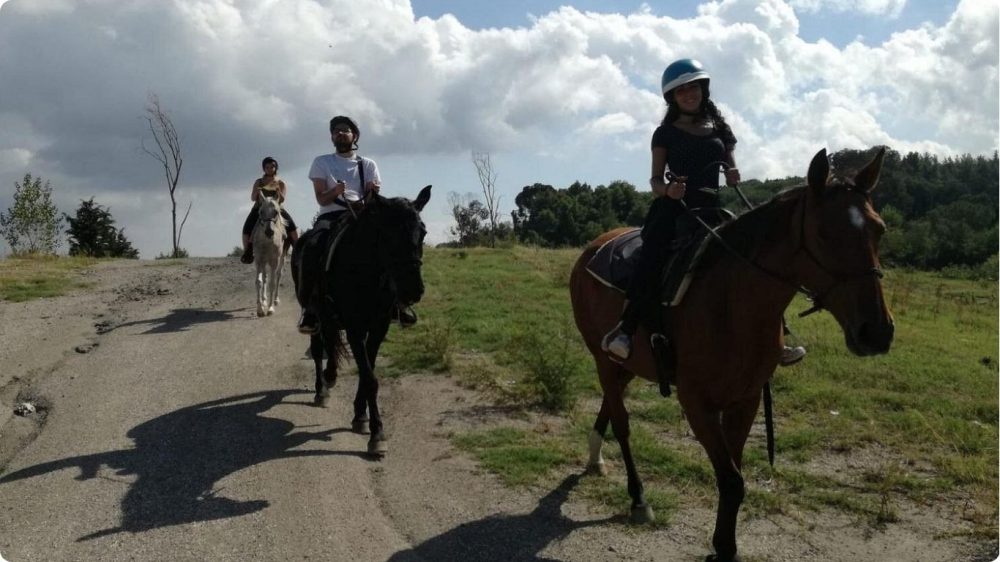
You can pick from short 45-minute park loops, riverside ambles along Mountain Fork, half-day Glover River treks, mountain ridge rides with vistas, or private guided rides for groups; each offers different terrain, pace, and wildlife-spotting chances. This often means guided 45-minute Beavers Bend loops up to multi-hour backcountry outings through the Ouachita foothills.
- Park loop rides (30-60 min) – easy, great for families
- Riverside rides – calm pace, trout and cypress views
- Mountain ridge rides – steeper, panoramic overlooks
- Backcountry/Glover River treks – longer, remote terrain
- This includes guided, beginner-friendly 45-minute options and full-day rides for experienced riders
| Park Loop | 30-60 min; easy; good for first-timers |
| Riverside | 1-2 hrs; flat; excellent wildlife viewing |
| Ridge/Mountain | 1-3 hrs; moderate to difficult; scenic overlooks |
| Backcountry/Glover River | Half-day to full-day; remote; varied footing |
| Private/Custom | Flexible length; tailored pace and route |
Types of Riding Experiences – Tips for Choosing
You should match ride length to your fitness and experience, check group sizes (smaller groups mean quieter trails), and confirm whether guides allow trotting or posting; trail companies often list ages, weight limits, and ride times. Perceiving subtle horse cues will improve comfort and safety on any trail.
- Check duration and elevation gain before booking
- Ask about group size and guide-to-rider ratio
- Verify age and weight limits for tack safety
- Confirm what to wear and what’s provided
- Perceiving subtle horse cues improves ride control and comfort
Tips for Novice Riders
You should arrive early to get fitted, wear long pants and closed-toe boots, keep heels down, hold the reins with a soft grip, and follow your guide’s pace; guides in Beavers Bend typically run 45-90 minute rides for beginners. Perceiving how the horse responds to light cues helps you relax and ride smoother.
- Arrive 15-30 minutes early for briefing and tack fit
- Wear long pants and sturdy, closed-toe shoes
- Keep heels down and sit centered in the saddle
- Use gentle, consistent rein and leg cues
- Perceiving how the horse responds to light cues helps you relax
You can practice mounting/dismounting, learn two basic rein aids (stop and turn), and rehearse keeping a steady seat at the walk before trying faster gaits; many stables in Hochatown offer short beginner clinics and guided trainer-led rides to build confidence. Perceiving small shifts in the horse’s balance-like a head turn or ear position-lets you anticipate movement and adjust your seat.
- Practice mounting/dismounting under supervision
- Focus on posture: shoulders back, eyes forward
- Start in walk-only rides before trotting
- Use clinics or private lessons for faster progress
- Perceiving small shifts in the horse’s balance helps you anticipate motion
Pros and Cons of Different Riding Trails
You should weigh trail length, footing, scenery, and wildlife chances when picking a route-easy park loops minimize risk but limit scenery, while Glover River and ridge routes maximize solitude and views at the cost of variable footing and longer travel times.
Pros & Cons by Trail Type
| Park Loop | Pros: gentle terrain, short; Cons: fewer vistas, more riders |
| Riverside | Pros: calm pace, wildlife; Cons: occasional muddy banks |
| Ridge/Mountain | Pros: panoramic views; Cons: steeper climbs, uneven footing |
| Backcountry/Glover River | Pros: solitude, varied scenery; Cons: longer, remote access |
| Private/Custom | Pros: tailored experience; Cons: higher cost, limited availability |
| Short Reserve Trails | Pros: quick option between activities; Cons: limited length for skill-building |
You can prioritize what matters-if you want photography and wildlife, choose riverside or backcountry; if you’re with kids or new riders, stick to park loops and guided short rides; if views are the goal, opt for ridge routes but expect steeper climbs and rockier footing.
Trail Tradeoffs – Practical Notes
| Trail Type | Best Use & Tradeoffs |
| Park Loop | Family rides; predictable, easy footing |
| Riverside | Wildlife viewing; watch for muddy approaches |
| Ridge/Mountain | Scenic photography; prepare for elevation change |
| Backcountry/Glover River | Adventure seekers; bring water and expect remoteness |
| Private/Custom | Special occasions; book ahead and confirm specifics |
Rugaru Adventure
You’ll experience canopy zips and silent electric Swincar rides at Rugaru; the zipline course includes 6 lines from 300 to 1,100 feet, tops out about 60 feet, reaches speeds near 35 mph and runs roughly 2 hours per tour, while guided Swincar off‑road trips take you through Beavers Bend’s forested hills for an eco‑friendly alternative.
Types of Activities Available
You can pick a high‑speed zipline run, a scenic platform stop with lake views, an electric Swincar off‑road tour, or a private/group package; age and weight limits vary by activity, so you’ll want to match options to your crew’s needs.
| Activity | Details |
| Zipline Tour | 6 zips, 300-1,100 ft, up to 60 ft high, speeds to 35 mph, ~2 hrs |
| Swincar Off‑Road | Fully electric ATV tours across Beavers Bend hills and forest; guided |
| Scenic Platforms | Lookouts with panoramic Broken Bow Lake views at endpoints |
| Group & Private | Family runs, private bookings, corporate/team‑building options |
| Safety Requirements | Certified guides, helmets, harnesses; age/weight restrictions enforced |
- Wear closed‑toe shoes and secure clothing for harness fit.
- Bring photo ID and any necessary medical info for waivers.
- Arrive early for gear fitting and safety briefing.
- Knowing weight and age limits ahead of time helps you choose the right tour.
Tips for an Exciting Adventure
Choose a morning or late‑afternoon slot to avoid heat, secure loose items in a small waterproof pouch, tell guides about mobility or medical needs so they can adapt your route, and hydrate before you arrive to keep energy high.
- Opt for the longest zip if you want maximum airtime and speed.
- Request a guide who takes photos if you want action shots without carrying a camera.
- This keeps you comfortable and focused on the experience rather than logistics.
If you’re nervous or traveling with kids, ask for tandem or beginner runs and verify minimum age/weight rules when booking; guides will pair you by comfort level and can recommend the 300-1,100 ft sequence that best fits your group.
- Confirm harness and helmet fit during check‑in to avoid delays.
- Pack a light snack for after the tour to regain energy.
- This approach maximizes thrill while keeping safety and comfort top priority.
Step-by-Step Guide to Booking Your Adventure
You can book online or by phone: check open dates, choose Zipline, Swincar, or a combo, enter participant ages/weights, pay to reserve, and plan to arrive 30-45 minutes early for paperwork and gear-book 2-4 weeks ahead for summer weekends.
| Step | Action |
| Check Dates | View online calendar for openings and blackout dates |
| Select Tour | Pick Zipline, Swincar, or combo; note durations |
| Enter Details | Provide participant names, ages, weights for safety checks |
| Confirm & Pay | Pay deposit or full amount to secure reservation |
| Arrival Prep | Arrive 30-45 minutes early for waiver signing and gear fitting |
If you’re coordinating a larger group, call to arrange staggered start times and any special rates; also review cancellation and weather policies so you know options if conditions force a change.
| Tip | Why it Matters |
| Call for groups | Coordinator can set staggered launches and extra staff support |
| Review policies | Understand refunds, reschedules, and weather closures |
| Ask about photos | Learn if guides provide photos or if you may bring action cameras |
| Confirm limits | Pre‑check age/weight limits to avoid day‑of surprises |
| Pack light | Minimize loose items to speed check‑in and keep gear secure |
Enjoy Your Broken Bow Luxury Cabin
Types of Cabin Options
You can pick from cozy studios for couples to expansive lodges that sleep 8-12; many cabins offer 1-5 bedrooms, private hot tubs, and wood-burning fireplaces for winter stays. Seasonal features include private docks for boating on Broken Bow Lake’s 14,000 acres and quick access to Beavers Bend hiking and ATV trails. Check listed square footage (800-3,000 sq ft), parking, and pet policies. After choosing a style, compare amenities and location in the table below.
- Studio & 1-bedroom: ideal for couples
- Family cabins: 3-5 bedrooms, full kitchens
- After comparing, book the cabin that fits your group size and activities
| Type | Key Features |
|---|---|
| Cozy Studio | Sleeps 2, 1 bath, fireplace, 800-1,000 sq ft |
| Family Cabin | 3-5 beds, full kitchen, 1-2 baths, hot tub option |
| Luxury Lodge | 4-6+ beds, large living area, private hot tub, 2,000-3,000 sq ft |
| Waterfront Retreat | Dock access, lake views, ideal for boating/fishing |
Types of Cabin Options
Match your group size to bedrooms and bathrooms; many Broken Bow cabins sleep 2-12 and offer 1-5 baths. Prioritize location-waterfront for boating, near Beavers Bend for hiking, or tucked in the woods for privacy. Check pet and ATV policies, parking, and hot tub maintenance. Consider reviews and recent photos. This will help you avoid surprises.
- Confirm bedroom and bath counts
- Check dock or marina proximity for boating
- This verifies pet, ATV, and parking policies before booking
Tips for Choosing the Right Cabin
If you plan summer boating, choose a cabin with a private or nearby dock and easy marina access-Beavers Bend Marina rents boats and jet skis. For winter stays prioritize insulated cabins and a working wood-burning fireplace; many cabins include firewood and hot tubs for après-hike relaxation. Read recent guest photos and contact hosts about ATV storage and dock permissions. This ensures a smoother stay.
- Pick docks/nearby marina for lake access
- Prioritize fireplace/hot tub reliability for winter
- This confirms policies on ATVs, pets, and extra fees
Pros and Cons of Luxury Cabin Rentals
You get privacy, high-end amenities (private hot tubs, full kitchens) and quick access to Broken Bow Lake’s 180 miles of shoreline for boating and fishing; lodges often sit minutes from Beavers Bend hiking and horseback trails. On the downside, peak-season rates and cleaning fees can be high, some cabins require minimum-night stays, and rural cell service varies. Weigh cost against convenience and planned activities like trout fishing or ATV rides.
Pros and Cons
| Pros | Cons |
|---|---|
| Privacy and seclusion | Higher nightly rates during peak seasons |
| Private hot tubs and fireplaces | Occasional maintenance issues |
| Private docks/boat access | Dock fees or restrictions possible |
| Space for groups (2-12 guests) | Cleaning and linen fees add up |
| Close to hiking, fishing, ATV trails | Some cabins have limited cell/Wi‑Fi |
Pros and Cons of Luxury Cabin Rentals
When you plan activities-kayaking on Mountain Fork River, trout fishing in Lower Mountain Fork, or ATVing the old log roads-prioritize cabins with secure gear storage and easy trail or marina access. Expect price spikes around fall color season (late Oct-early Nov) and holidays; booking 3-6 months ahead often secures better rates. Read recent guest notes about hot tub reliability, dock safety, and host responsiveness before you reserve.
Pros & Cons (detailed)
| Pros | Cons |
|---|---|
| On-site hot tub for relaxation | Hot tub outages or heating delays |
| Wood-burning fireplace for winter ambiance | Chimney or fireplace maintenance issues |
| High-speed Wi‑Fi in many cabins | Rural coverage can be spotty at times |
| Minutes from Beavers Bend trails and marina | Weekend noise near popular areas |
| Pet-friendly options available | Additional pet fees and cleaning rules |
| Large kitchens for group meals | Supplies or appliance quirks reported by guests |
| Scenic lake or forest views | Neighboring cabins may limit complete seclusion |
The Broken Tiki Tour on Broken Bow Lake
Types of Tours Offered
You’ll find several Broken Tiki options: an amphibious Broken Bow Lake Duck Tour that mixes lake and shoreline sights, pontoon sunset cruises for couples, short island-hopping swim stops, and private charters for groups. Tours typically depart from Beavers Bend Marina and last 60-90 minutes for public cruises or half-day for private trips. Seasonal schedules run busiest May-September, with fall leaf-color cruises in October increasing demand.
- Amphibious Duck Tour – ~90 minutes, family-friendly, departs Beavers Bend Marina.
- Pontoon Sunset Cruise – 60-90 minutes, ideal for couples, small-group seating.
- Island Hopping/Swim Stops – half-day options, bring towels and snorkels.
- Private Charters – customizable routes, capacity up to ~20 depending on boat.
- Recognizing seasonal timing (spring spawn, fall colors) will affect wildlife sightings and availability.
| Duck/Amphibious Tour | 90 min; departs Beavers Bend Marina; family-friendly; highlights shoreline and lake history. |
| Sunset Cruise | 60-90 min; best at golden hour; small groups; excellent for photos. |
| Pontoon Rental | Hourly rates; capacity 8-12; explore 180 miles of shoreline at your pace. |
| Island Picnic/Swim | Half-day; stops at small islands for swimming/snorkeling; bring coolers. |
| Wildlife & Birding Tour | Guided; targets bald eagles, waterfowl, and river mouths where trout congregate. |
Tips for the Best Experience
You should arrive 20-30 minutes early to load gear, confirm safety briefings, and secure prime seating; life jackets are provided but bring personal flotation if preferred. Pack sunscreen, a wide-brim hat, and a dry bag for electronics. Weekends and summer holidays sell out fast-book early for evening cruises when temperatures are cooler and views are dramatic.
- Arrive early (20-30 minutes) to avoid rush and get best seats.
- Bring sunscreen, sunglasses, and a waterproof camera or dry bag.
- Wear layered clothing-mornings can be cool, afternoons warm.
- Perceiving early-morning departures gives you calmer water and better wildlife sightings.
You can optimize your tour by matching the type to your group: choose a duck tour for family-friendly narration and lake history, a sunset cruise for photos and romance, or a private charter for fishing combos and flexible stops. Operators often supply maps, bottled water, and local tips-ask about shuttle options to your cabin and on-board restroom availability to avoid surprises.
- Match tour length to energy levels-kids do better on 60-90 minute trips.
- Confirm restroom and wheelchair access if needed.
- Ask if life jackets are child-sized or if you need to bring extras.
- Perceiving operator reputations via recent reviews helps avoid cancellations and spotty guides.
Factors to Consider When Booking
You’ll want to check capacity limits, cancellation policies, and exact departure points (Beavers Bend Marina is common). Prices vary by tour type and group size-expect $40-$250+ depending on public versus private charters. Also verify seasonal schedules: peak season (May-Sept) and fall leaf months require earlier reservations and sometimes higher rates.
- Check group size limits and whether pets or children are allowed.
- Review weather and cancellation/rescheduling policies before paying.
- Confirm departure location-many tours use Beavers Bend Marina.
- After checking availability, secure a deposit to lock your date.
You should also compare included amenities-some tours include cooler space, snorkel gear, or guided narration while others are bare-boat rentals. If you plan fishing, verify whether the tour provides rods, bait, and state license requirements; for photography-focused trips, ask about best seating for unobstructed views and sunrise/sunset timing. Book earlier for holiday weekends and expect higher demand during October foliage and summer lake season.
- Compare what’s included (life jackets, water, narration) to avoid extra fees.
- Ask about group discounts or multi-tour packages if you plan several activities.
- Confirm pickup/drop-off options if you’re staying in a remote cabin.
- After comparing policies and amenities, finalize booking with written confirmation.
Beavers Bend Mining Company
Types of Mining Experiences Available
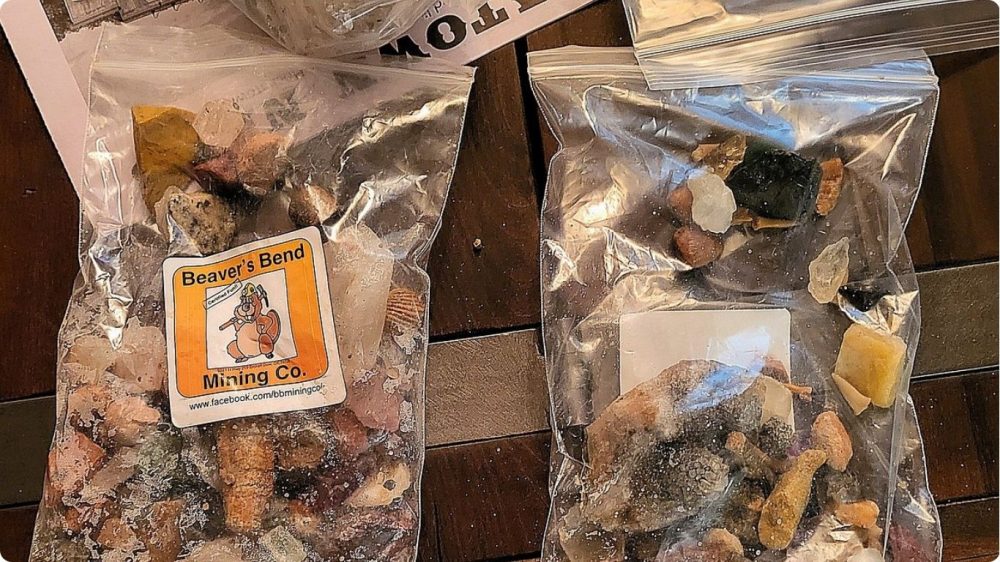
You can choose from casual gem-bucket digs, guided gold-panning lessons, mechanized sluice runs, kids’ mining tables, or VIP sluice-and-identification sessions; typical guided panning runs 30-45 minutes and family buckets take 15-30 minutes. Operators commonly guarantee finds like quartz, garnet and occasional topaz, and your group can scale difficulty by sluice speed or bucket grade. See the quick reference below for durations and typical yields.
- Gem bucket (15-30 min)
- Guided panning lesson (30-45 min)
- Sluice machine experience (20-30 min)
- Kids’ mining table (10-15 min)
- Thou can expect to take home rough quartz, garnet, or an occasional topaz depending on the bucket grade
| Experience | Duration / Typical Finds |
| Gem Bucket | 15-30 min / quartz, jasper, small garnet |
| Guided Panning | 30-45 min / fragments, gold flakes possible |
| Sluice Machine | 20-30 min / concentrated gem pieces |
| Kids’ Table | 10-15 min / polished stones, easy ID |
| VIP ID Session | 45-60 min / professional sorting, rare finds |
Tips for Family Fun
You should pick bucket sizes by age-small for under-8, medium for 8-12, large for teens and adults-and plan 30-45 minutes per activity; bring closed-toe shoes, sunscreen, and a small magnifier for IDs. Staff often provide sieves and towels, and weekends fill fast so book ahead.
- Bring a magnifier and small bag for your finds
- Wear water-resistant shoes and clothes you don’t mind getting sandy
- Schedule morning slots to avoid afternoon crowds and heat
- Assume that staff will help ID most common stones and point out rarities
Your kids will learn geology basics while you enjoy a hands-on activity; operators frequently include a short 5-10 minute demo that boosts success rates, and groups that book guided panning report finding twice as many identifiable specimens as unguided buckets. Big weekends can mean limited sluice time, so plan shorter sessions back-to-back if you want multiple experiences.
- Book guided sessions for higher-yield results
- Combine a sluice run with a gem polishing demo for a full hour of activities
- Pack snacks and water for younger children between rounds
- Assume that arriving 15 minutes early speeds check-in and maximizes your mining time
Pros and Cons of Mining Activities
You’ll find mining at Beavers Bend highly educational, hands-on, and family-friendly with typical sessions costing under an hour and delivering visible results; however, it can be messy, weather-dependent, and sometimes yields common stones more often than rarities. Many families balance a 30-45 minute mining stop with other nearby activities like kayaking or hiking to round out the day.Pros and Cons Overview
| Pro: Educational, tactile experience | Con: Messy-expect wet sand and sluice runoff |
| Pro: Short sessions (15-45 min) fit busy itineraries | Con: Weather affects operations on rainy days |
| Pro: Kids engage with geology and ID skills | Con: Rare finds are uncommon; many pieces are common minerals |
| Pro: Staff-guided options boost success | Con: Weekend crowds can limit sluice time |
| Pro: Affordable family activity compared to tours | Con: Upgrades (VIP sorting/polishing) add cost |
| Pro: You leave with tangible souvenirs | Con: Transporting wet specimens requires drying/packaging |
| Pro: Combines well with hiking, boating, or picnics nearby | Con: Limited shade at some outdoor stations |
| Pro: Suitable for ages 4-70 with proper supervision | Con: Very young children need close attention |
Guides recommend pairing mining with a short hike or a lake stop so your day feels varied; many visitors mine in the morning and kayak Broken Bow Lake in the afternoon, and families who reserve guided panning sessions report higher-quality finds and better learning moments. For planning, expect total on-site time (check-in, activity, ID) of roughly 45-75 minutes per experience.
Pros and Cons Details
| Pro: Guided lessons increase gem recovery | Con: Guided slots may sell out on holiday weekends |
| Pro: Multiple experience tiers for budgets | Con: Premium tiers increase overall cost |
| Pro: Hands-on learning for children | Con: Younger kids tire quickly-short sessions work best |
| Pro: You can take home actual finds | Con: Identification of some stones requires professional sorting |
| Pro: Close to other Hochatown attractions | Con: Parking and lines may grow midday |
| Pro: Operators often offer polishing or mounting add-ons | Con: Add-ons require extra time and fees |
| Pro: Great rainy-day alternative to boating | Con: Outdoor stations may close in heavy rain |
| Pro: Short learning curve-easy for first-timers | Con: Expectations should be tempered for spectacular finds |
Conclusion
Upon reflecting on Things to Do in Broken Bow That Locals Swear By, you’ll find your visit can balance relaxation and adventure: boat or paddle Broken Bow Lake, hike Beavers Bend trails, fish the Mountain Fork, savor Hochatown eateries, and unwind in a cabin with a hot tub by a wood-burning fireplace. Trust local favorites to help you plan seasonal activities that suit your pace and make your trip truly memorable.
FAQ

What water activities do locals swear by on Broken Bow Lake and the Mountain Fork River?
Boating on Broken Bow Lake, paddleboarding, jet ski rentals and guided lake tours are local favorites - the lake’s 180 miles of shoreline make for endless exploration. For river fun, kayak and canoe trips or guided floats down the Mountain Fork River offer a mix of calm paddling and Class I-II rapids. Rent gear and book guided trips through Beavers Bend Marina (jet skis, boats, fuel) or outfitters in the directory; plan early-morning launches for glassy water and late-afternoon rides to avoid peak sun and wind. Pack sunscreen, water, life jackets and a dry bag for phones and snacks. Reserve rentals on holiday weekends.
Which trails and scenic spots do locals recommend for hiking and wildlife viewing?
Skyline Trail, Lookout Mountain and the Lower Mountain Fork River trails are top picks for varied terrain and great vistas. Skyline is the most challenging (about 11-12 miles with waterfalls and ridge views), Lookout Mountain is a shorter option with panoramic overlooks, and river-side trails give easier walking with wildlife and trout-viewing opportunities. Visit in fall for extended color or spring for wildflowers, wear sturdy shoes, bring water and bug spray, and carry a trail map or GPS - some side paths can be remote.
Where are the best spots and tips for fishing and fly-fishing around Broken Bow?
The Mountain Fork River below the dam offers year-round trout fishing (rainbow and brown trout) and the Lower Mountain Fork has about 12 miles of designated trout water. Broken Bow Lake produces great smallmouth bass and shoreline trolling prospects. Locals often hire guides for fly-fishing instruction, drift techniques and best access points; guides also track seasonal flows and hatch activity. Buy an Oklahoma fishing license, wade carefully on rocky riverbeds, check current regulations for catch limits, and consider midweek trips for quieter water.
What dining, brewery and nightlife options do locals swear by in Hochatown?
Hochatown serves a wide mix: wood-fired pizza, homemade Italian, classic Southern comfort and steaks/seafood are all within a short drive. Popular spots include Grateful Head Pizza Oven & Taproom, Pressa Italia, The Blue Rooster, Abendigo’s and Loblolly Chocolates for sweets. For drinks, local breweries and tasting rooms rotate fresh taps and pours; Hochatown Distilling Co. and small wineries provide tastings and outdoor patios. Nightlife centers on Hochatown Saloon for live music and dancing most weekends; reserve tables for Friday-Saturday nights and expect patio music or bands at several venues.
What unique adventures and family activities do locals recommend beyond the usual hikes and lake days?
Zipline tours (Rugaru Adventures), electric Swincar or ATV off-road tours, horseback rides through Beavers Bend, a scenic train ride and the Broken Bow Lake Duck Tour are standout experiences for families and thrill-seekers. For a quieter getaway, renting a cabin with a hot tub and wood-burning fireplace is a popular winter choice - cozy evenings, short hikes and local eateries nearby make for easy relaxation. Book adventure tours and trail rides in advance, dress in layers, and bring a camera for dramatic views and wildlife sightings.
Share It On Pinterest



Leave a Comment