
You can feel it before you even see it – that sudden hush on the boat, the cameras lifting, the guide scanning a patch of steel-blue water like it owes them money. Then the ocean breaks open with a breathy whoosh, and Alaska turns into the kind of memory you’ll talk about for years.
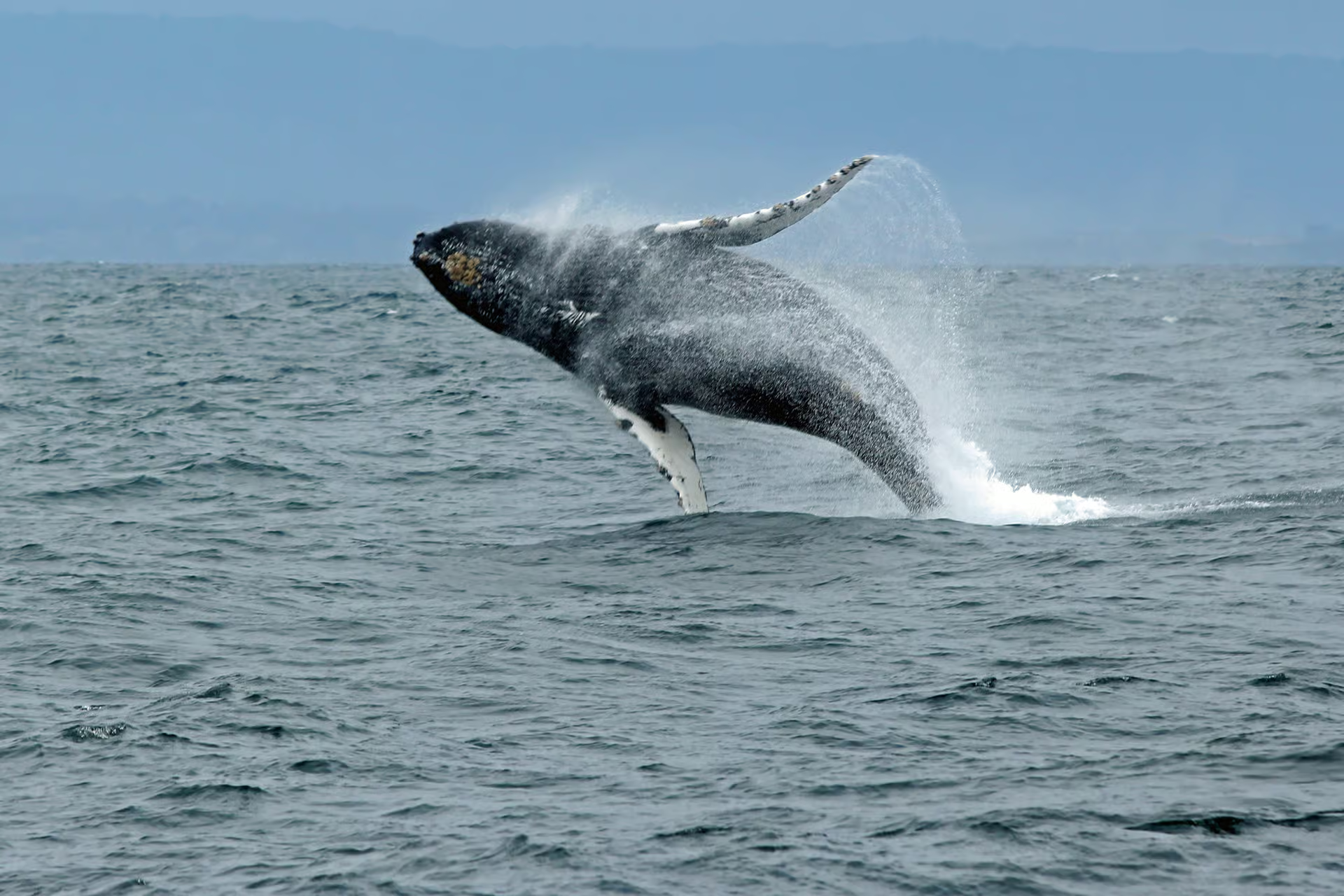
If you’re planning around that moment, here’s the truth: the best time for whale watching alaska depends on which whales you want, where you’re willing to go, and how you feel about crowds, weather, and price. The good news is that Alaska’s season is generous, and with a little strategy you can stack the odds in your favor.
Whale watching season in Alaska, at a glance
Alaska’s whale watching season generally runs from late April through September, with the biggest “sweet spot” falling between June and August. That’s when tours operate at full speed, daylight stretches late into the evening, and you’ll have strong chances of seeing humpbacks in multiple regions.
But the most satisfying trips aren’t always about chasing the peak. Late spring can feel quieter and more intimate. Early fall can deliver moody, cinematic scenery and fewer boats on the water. Your ideal timing comes down to trade-offs you’re comfortable making.
Best time for whale watching Alaska by month
April to early May: early season, fewer boats, more “it depends”
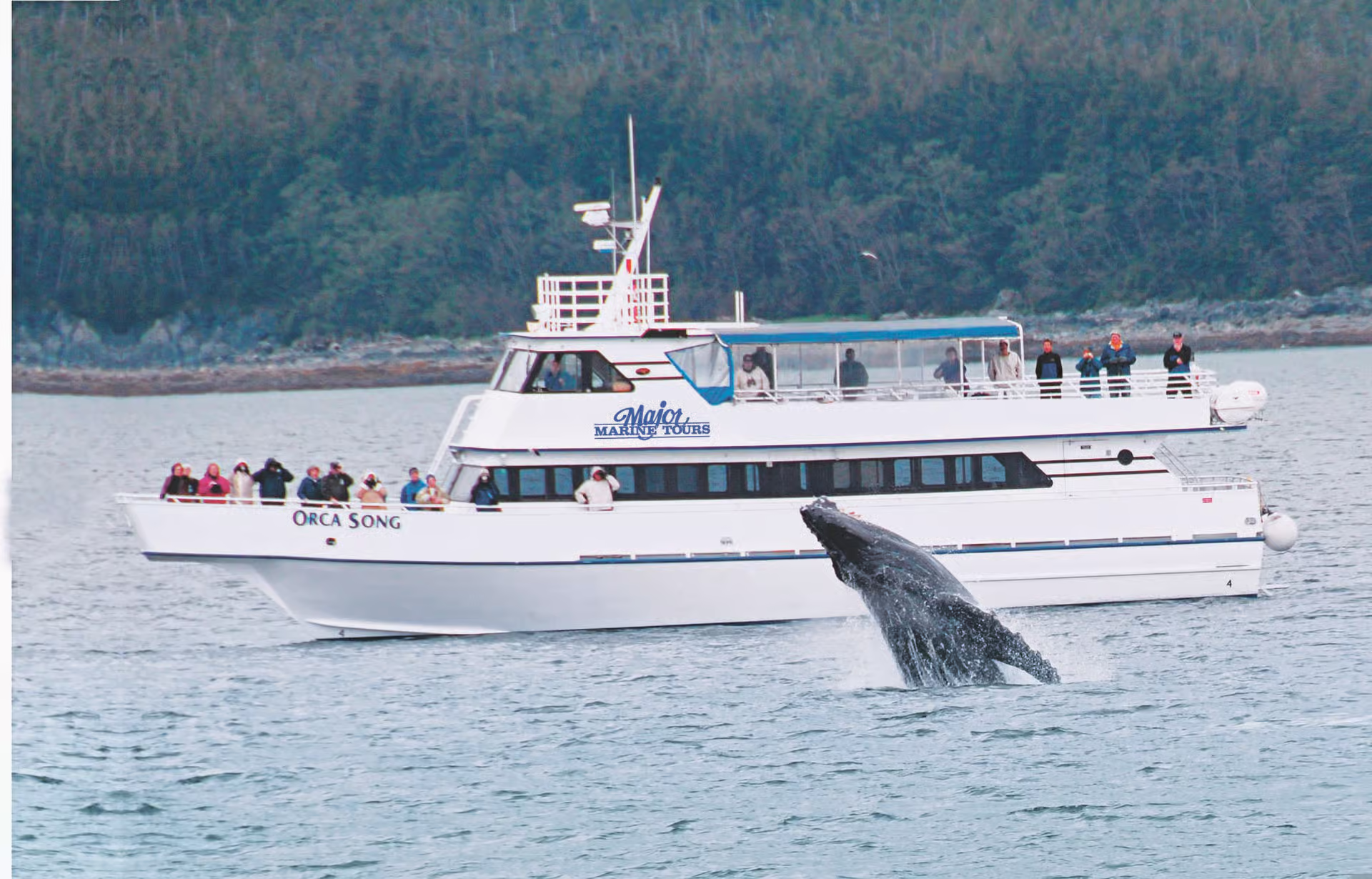
Late April and early May can mark the beginning of reliable whale sightings in several areas, especially as humpbacks start returning from breeding grounds. Some operators begin running trips, but not everywhere, and schedules may be limited.
This window is best if you’re flexible and you’d rather have a calmer, less crowded experience than a guaranteed “storybook” blue-sky day. Weather can still be chilly and changeable, seas can be rougher, and you’ll want to build backup time into your itinerary.
Late May to June: the season ramps up fast
Late May into June is a fantastic balance month for many travelers. Tours are widely available, wildlife is active, and you’re not yet in the thick of peak summer crowds. You’ll also get long daylight hours, which makes the whole day feel bigger – more time to combine whales with glaciers, hikes, and coastal towns.
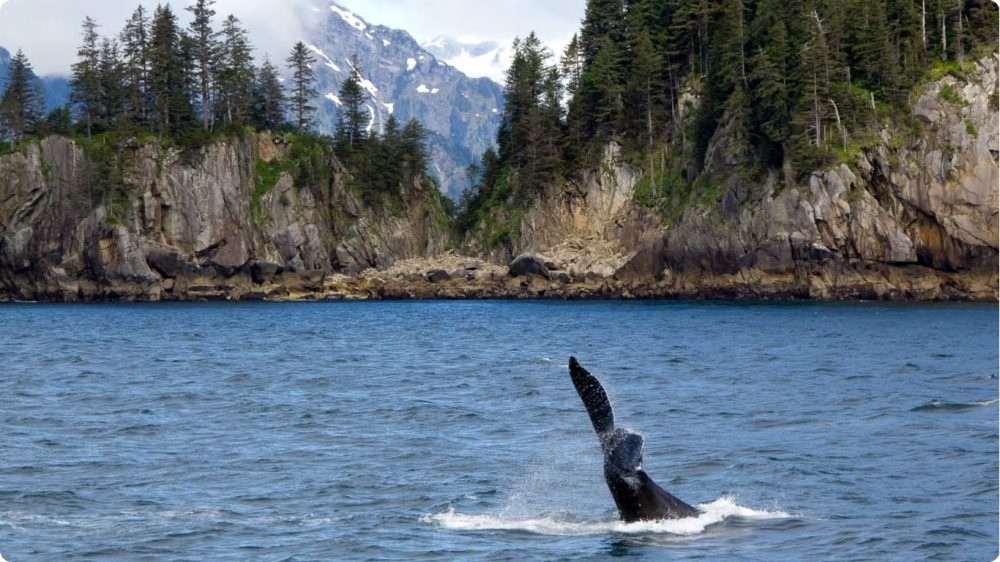
If your goal is high odds of seeing humpbacks while still keeping things relatively smooth on the planning side, late May and June are hard to beat.
July to August: peak sightings, peak everything
July and August are prime time for humpback viewing across Alaska’s most popular whale-watching hubs. This is when many visitors get those iconic moments: repeated breaches, bubble-net feeding behavior in some areas, and hours where it feels like the ocean keeps delivering encore after encore.
The trade-off is cost and competition. Hotels book quickly, popular tours sell out, and busy ports can mean more boats on the water. If you’re traveling with family, on a fixed school-break schedule, or you want the widest choice of departures, this is still the easiest time to plan – just book earlier than you think you need to.
September: fewer crowds, fall vibes, shorter days

September can be a sleeper hit. In many regions, you can still see humpbacks, and the overall pace slows down. The scenery shifts too – deeper colors, crisp air, and a more rugged, end-of-season feel.
The “it depends” part is that some tours start winding down, and weather can turn quicker. If you’re the kind of traveler who loves a little drama in the sky and doesn’t mind packing layers, September can feel like you found a secret.
Best time for whale watching Alaska by whale species
Most first-timers are hoping for humpbacks, but Alaska is a strong destination for multiple species. Timing matters if you want something specific.
Humpback whales
Humpbacks are the stars of the show for most visitors. Your strongest months are generally June through August, with good chances from May into September depending on region and conditions.
Orcas (killer whales)
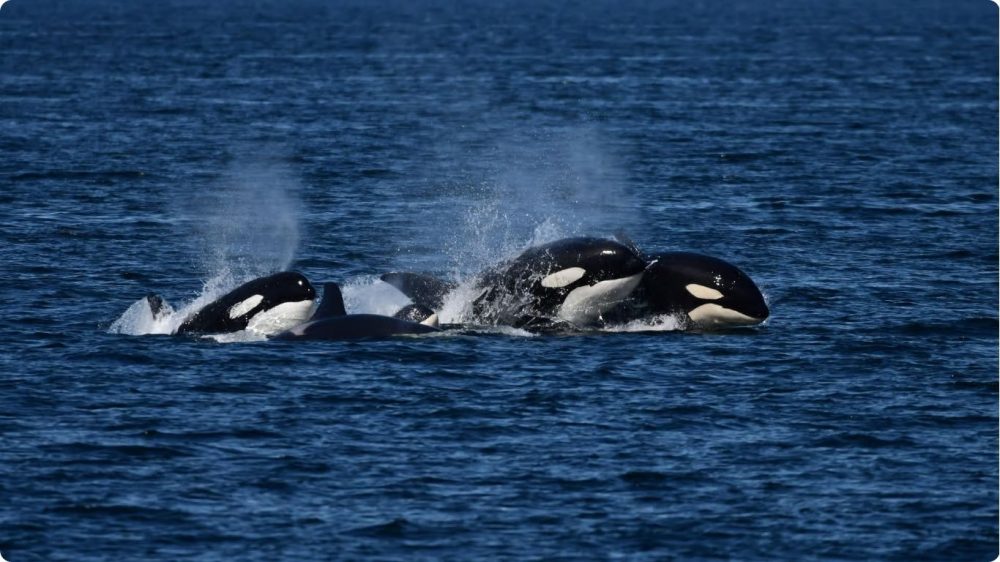
Orcas can be spotted throughout the broader season, but they’re less predictable than humpbacks on typical whale-watching routes. Summer offers more consistent tour availability and calmer logistics, which improves your overall chances simply because you’ll have more opportunities on the water.
Gray whales
Gray whale opportunities are more region-specific in Alaska and are often better known in other parts of the Pacific Coast. If gray whales are your top priority, you’ll want to choose your destination carefully and ask local operators what’s been showing up recently.
Minke whales
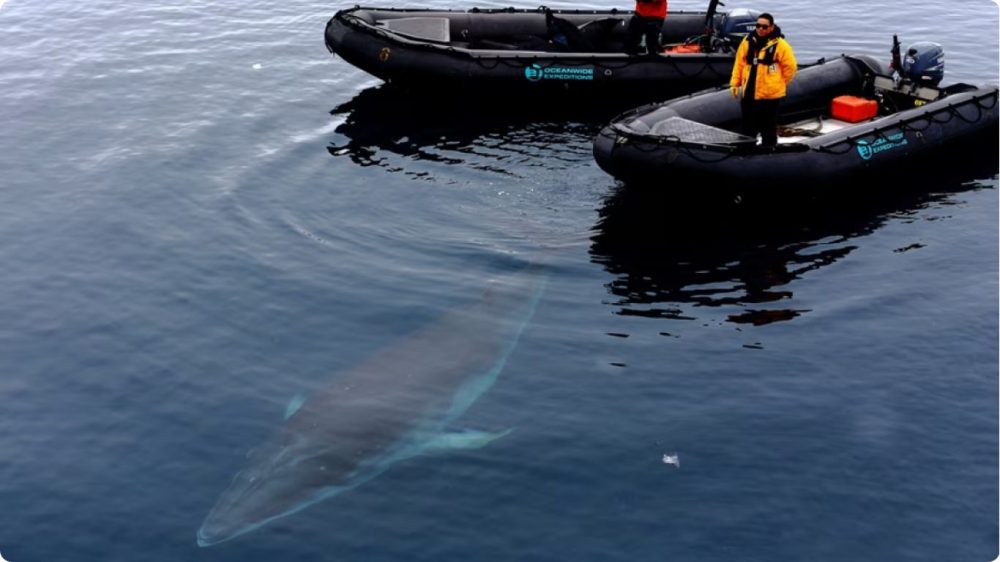
Minkes are smaller, faster, and often more subtle to spot. They can appear in summer, but they’re not usually the primary “target whale” on standard tours. Consider them a bonus sighting rather than the anchor of your plan.
Where to go in Alaska for the best timing and odds
Alaska is huge, and “Alaska whale watching” means different things depending on whether you’re cruising Southeast, flying into Anchorage, or road-tripping.
Juneau: easy access, consistently popular
Juneau is one of the most reliable bases for humpback sightings in season, and it’s set up for travelers who want a straightforward plan: arrive, take a half-day tour, and still have time for glaciers and local food. Summer is the smoothest for scheduling, but shoulder months can be rewarding if you don’t need wall-to-wall departures.
Sitka: strong wildlife energy, a little more off-the-mainline
Sitka is beloved for its wild, ocean-forward feel. It often appeals to travelers who want a slightly quieter experience than the biggest cruise hubs, while still having excellent wildlife potential.
Seward (Kenai Fjords): whales plus glaciers in one day
Seward is a favorite for combining whales with big scenery. A typical day on the water can include marine wildlife, dramatic coastline, and glacier views. Summer offers the most choices, but late spring can be exciting too as the season wakes up.
Valdez and Prince William Sound: scenery-first with great wildlife potential
Prince William Sound trips can feel like a choose-your-own-adventure of fjords, waterfalls, and wildlife. Whale sightings can be excellent, but conditions and routes vary – it’s a great option if you want the full “Alaska is unreal” package and you’re okay with some variability.
Ketchikan: convenient for Southeast itineraries
Ketchikan can be a great add-on for Southeast Alaska travel, especially if you’re piecing together ports and short stays. As with other regions, summer is easiest for tour availability.
The real factors that change your experience (and how to choose)
Weather and sea conditions
Even in peak season, Alaska can throw you a curveball. Wind and chop affect comfort and sometimes routes. If you’re prone to motion sickness, prioritize months and times of day that tend to be calmer, and choose larger vessels when available. Also, build a little wiggle room so you can rebook if conditions force cancellations.
Crowds and pricing
If your dream is a quiet rail spot and long, uninterrupted viewing, consider late May, June, or September. If your dream is maximum tour availability and the easiest logistics for families, July and August are your best friends – just accept you’ll be sharing the magic.
Time of day
There isn’t one universal “best hour” for whales, but morning trips can sometimes mean calmer water and fresher weather. Afternoon light can be gorgeous for photos, especially when clouds start adding texture to the sky. If photography is a priority, think about lighting and where the sun will be relative to the coastline.
What “success” looks like for you
Some travelers want a close breach and nothing else counts. Others are thrilled by multiple species, sea lions, puffins, and a glacier calving in the distance. Alaska is at its best when you treat whales as the headline, not the only act.
Planning tips that make the timing work in your favor

If you want to stop guessing and start planning with confidence, a few choices matter more than people realize.
First, book your whale tour early if you’re traveling in July or August, especially in places like Juneau and Seward where demand spikes. Second, build a second chance into your trip when possible. A two-tour strategy (or even one tour plus a flexible extra day) protects you from rough weather and boosts your odds dramatically.
Third, dress for the water, not the calendar. Even in July, boat decks can be cold. Layers, a windproof outer shell, and gloves you can still use a camera with will keep you comfortable and present in the moment.
Finally, pick your base town based on your whole trip, not just whales. When glaciers and easy logistics matter most, Seward can feel like a dream. If you want Southeast Alaska charm and high humpback odds, Juneau and Sitka are strong contenders. If you’re building your itinerary and want more destination planning ideas, you can explore Alaska trip inspiration on TravelInnTour.com.
So, what is the best time for whale watching Alaska?
For most travelers who want the highest odds with the least stress, late May through August is the winning window, with June and July often delivering that perfect blend of action, availability, and long daylight. If you’re crowd-avoidant and flexible, late May, June, and September can feel like the smartest “insider” choices.
Let your timing match your travel style. When you do, the first time you hear a whale exhale across cold Alaskan air won’t just feel lucky – it’ll feel like you planned your way straight into the magic.
Save it On Pinterest







Leave a Comment