
There’s a new wave of luxury wildlife safaris under $3,000 that deliver private guides, exclusive reserves, and immersive wildlife viewing. He, she and they can expect curated itineraries, gourmet dining, and small-group access to big cats and migrations, including close encounters with predators and night drives in remote conservancies. This guide outlines budget safari travel options that balance uncompromising comfort with authentic wilderness experiences.
Key Takeaways:
- True luxury under $3,000 is achievable by choosing inclusive tented camps, boutique lodges, or fly-in packages that bundle transfers, guided game drives, gourmet meals, and elevated accommodations-especially in shoulder seasons.
- Pick destinations to match priorities: South Africa and Namibia for accessibility and malaria-free comfort; Kenya and Tanzania for migration and conservancy experiences; Botswana and Rwanda for ultra-exclusive wildlife encounters-track transfer costs when budgeting.
- Book wildlife safari trips with specialist operators, target off-peak dates, and favor small-group or private-conservancy itineraries to maximize intimate wildlife access (night drives, walks, off-road viewing) and conservation-minded luxury within the $3,000 limit.
Understanding Luxury Wildlife Safaris
Definition of Luxury in Safari Context
Luxury in the safari context centers on immersive wildlife access paired with high-end comfort: private conservancies with off-road privileges, bespoke lodges in remote locations, and tailored itineraries that minimize transit time via light-aircraft or helicopter transfers. They often include amenities like private plunge pools, open-air spa treatments, and personalized guiding; he or she who books expects both seamless logistics and uncrowded, premium wildlife viewing rather than mere upscale accommodation.

Hallmarks of Quality Safari Experiences
Quality hallmarks include expert guides with deep local knowledge, strict limits on vehicle numbers per sighting (commonly 4-6), permission for night drives and walking safaris where safe, and high guide-to-guest ratios. They also emphasize gourmet dining, conservation partnerships, and design-led accommodation that connects guests to place-features that separate a luxury safari from a standard tour.
Examples reinforce these hallmarks: Botswana fly-in camps accommodating 12-16 guests prioritize privacy and follow a “high value, low impact” model; the Okavango’s mokoro excursions and Serengeti mobile camps that shadow the Great Migration show operational flexibility. Kenya’s private conservancies fund local leases and often permit activities banned in public reserves, while walking safaris are typically led by armed specialists trained in both safety and natural history. Guide-to-guest ratios often sit at 1:3 or 1:4 on top-tier camps, which directly improves tracking success and photographic opportunities.
Importance of Value in Safari Booking
Value hinges on what is included: park fees, game-drive transfers, light-aircraft hops, and activities like night drives or gorilla permits can dramatically alter the true cost. They should compare packages not just by nightly rate but by inclusions-park fees, meals, and transfers-to assess which offers the best overall experience for the budget.
Deeper analysis shows seasonality and inclusions drive value: shoulder months (e.g., April-May, November) often deliver comparable wildlife viewing at 20-30% lower rates than peak seasons. Light-aircraft transfers can add roughly $200-$800 per person depending on route, so a seemingly cheaper lodge requiring long road transfers may cost more in time and logistics. He or she seeking the best return evaluates guide qualifications, guide-to-guest ratios, and whether conservation levies or community fees are bundled-these factors often determine whether a safari under $3,000 still delivers an authentic, high-quality luxury experience.
Budgeting for Luxury Wildlife Safaris
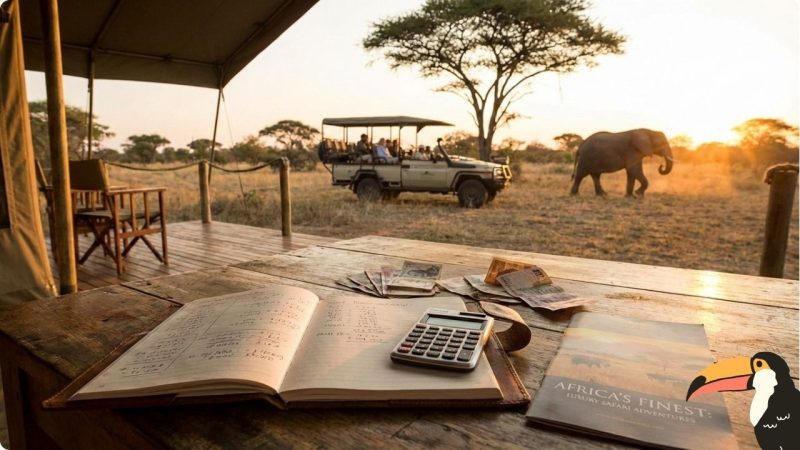
He should itemize major line items-international flights, internal charters, park fees, and lodge rates-then test scenarios (e.g., a 7‑night fly‑in Botswana camp often totals $2,200-$4,500 per person). They can trim costs by traveling shoulder season or choosing a private‑house split rate. For a practical planning template and sample budgets see Plan Your Budget African Safari Tour.
Cost Breakdown of Luxury Wildlife Safaris Under $3,000
He will find core costs cluster around accommodation (from $300 to $1,500+ per night), activities (game drives, walking safaris, $50-$300 per activity), transfers (light aircraft $200-$600 each leg), and park/concession fees (daily fees $20-$120). They should model both all‑inclusive and à la carte pricing to compare true value: a 5‑night luxury package often bundles most extras, lowering per‑day surprises.
Factors Influencing Safari Prices
She must weigh remoteness (fly‑in camps add charter costs), exclusivity (private reserves command premiums), seasonality (peak migration windows spike rates), and special permits (gorilla permits run $600-$2,500). They also face variable conservation levies that differ by country, affecting net cost and conservation impact.
- Remoteness – light‑aircraft and heli transfers increase per‑guest transport costs.
- Exclusivity – private‑use properties carry a premium for staff and privacy.
- Seasonality – migration and peak months can double nightly rates.
- Perceiving conservation fees as part of the total cost helps evaluate long‑term value.
He should examine line‑item examples: a private concession in the Okavango might add $150-$400 per night for exclusivity and off‑road privileges, while a Rwanda gorilla permit is a fixed, nonrefundable cost that must be booked months ahead. They should factor guide‑to‑guest ratios (1:3 vs 1:6) and whether meals, beverages, and game‑drive fuel are included-these determine apparent versus actual price.
- Charter flights – can represent 20-40% of a fly‑in itinerary’s cost.
- Guide ratios – lower ratios justify higher nightly rates with better sightings.
- Inclusions – all‑inclusive vs pay‑as‑you‑go changes budgeting accuracy.
- Perceiving permit timing as fixed expenses avoids last‑minute premium purchases.
Financial Planning and Tips for Luxury Wildlife Safaris Under $3,000
They should lock flexible refundable deposits, book 6-12 months ahead for peak seasons, and compare package vs bespoke quotes; stacking consecutive camps often saves on transfer costs. He can exploit shoulder months (15-30% cheaper) and loyalty credits from repeat operators. Strong travel insurance covering evacuation and trip cancellation is nonnegotiable.
- Advance booking – secures preferred dates and better rates.
- Shoulder season – offers significant savings with good wildlife viewing.
- Package bundling – combines transfers and activities to reduce per‑day cost.
- The travel insurance line item protects the entire investment.
She should create a tiered budget: conservative (fully inclusive lodges), moderate (mix of mid‑luxury camps and transfers), and aspirational (private‑use properties and heli‑transfers), then assign contingency funds (typically 10-15%). They can negotiate extras-complimentary night, upgrade, or guided activity-when booking shoulder dates or filling last‑minute availability.
- Tiered budgeting – maps expectations to reality and aids decisions.
- Contingency fund – 10-15% buffers unforeseen fees or upgrades.
- Negotiation – seasonal inventory can unlock value adds at booking.
- The booking window determines access to permits and best availability.
Top Affordable Luxury Wildlife Safari Picks
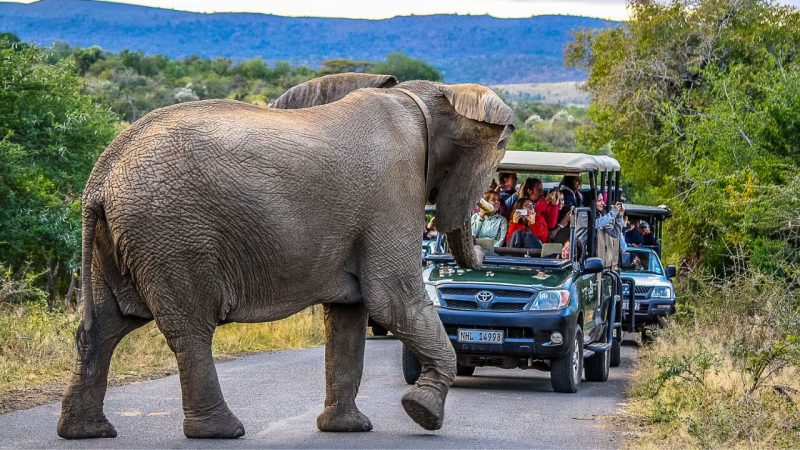
Carefully selected options in Kenya, South Africa and Botswana show how he or she can experience five-star safari style without breaking the bank; many 4-6 night packages fall between $1,500-$3,000, often including internal flights, guided game drives and meals. They benefit from private conservancy access, small-group guiding and personalized itineraries that deliver close wildlife encounters while preserving the sense of exclusivity found at higher-priced camps.
Kenya’s National Parks: Luxury Wildlife Safaris Under $3,000
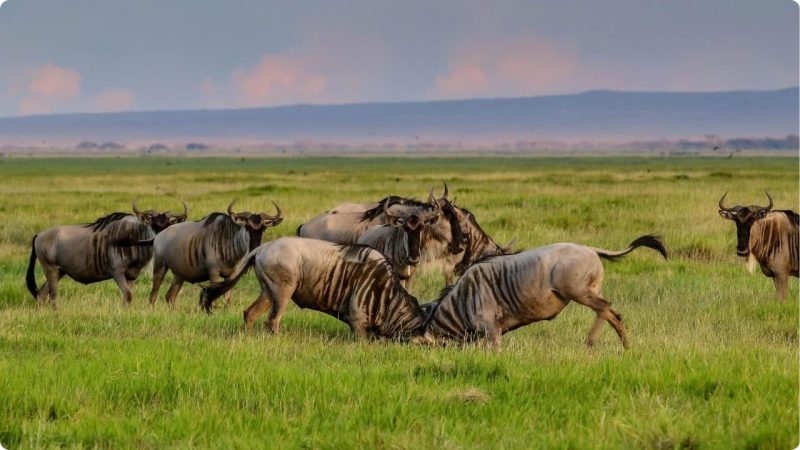
In Kenya, private conservancies bordering the Maasai Mara permit night drives and off-road viewing, with the Great Migration peaking July-October; he or she can book 4‑night fly‑in packages from roughly $1,800-$2,700. Operators often include community‑leased camps that channel revenue to locals, and they offer guided bush walks, hot‑air balloon upgrades and early‑morning drives to maximize predator sightings.
South Africa’s Game Reserves: Value for Money
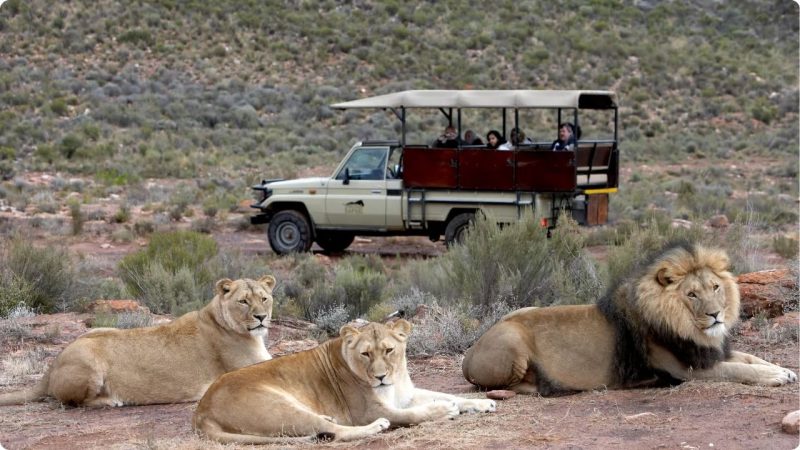
South Africa’s malaria‑free private reserves adjacent to Kruger combine short transfers with high guide quality, making 3-5 night luxury stays commonly priced between $1,200-$2,500; they deliver reliable Big Five viewing, gourmet cuisine and wellness facilities. Travelers find excellent leopard tracking, off‑road privileges in many concessions, and easy add‑ons like Cape Town or Winelands extensions.
Reserves such as Sabi Sand and Timbavati illustrate the value proposition: experienced trackers often secure early‑morning predator encounters and guided bush walks, and many lodges include two daily game drives plus optional night drives. She or he benefits from skilled tracker‑guides who prioritize unobtrusive approaches to wildlife; leopards and large predators are the main draw, so flexible schedules and multi‑day stays markedly increase sighting odds.
Botswana: Budget-Friendly Safari Options
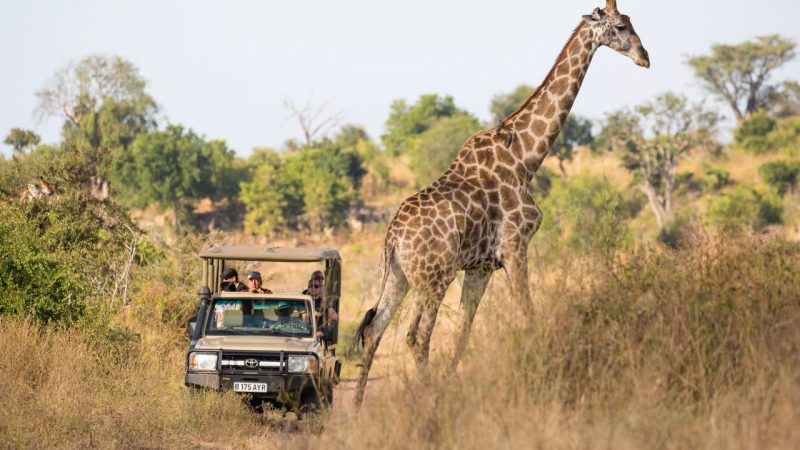
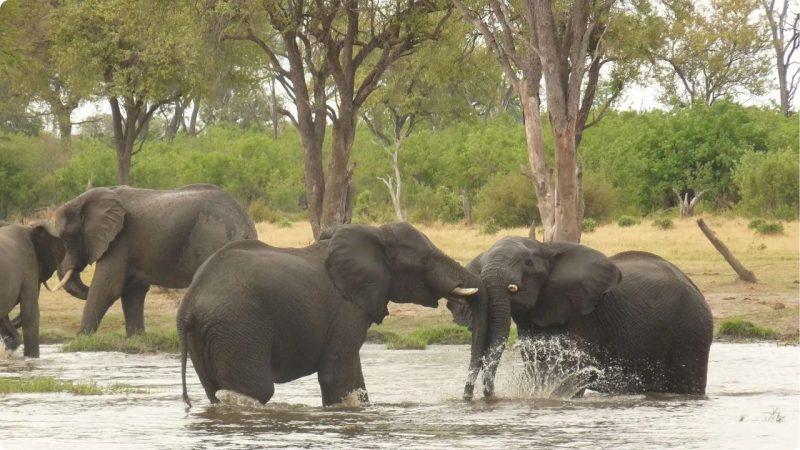
Botswana’s “high value, low impact” model still allows cost-conscious travelers to find luxury-lite choices: community camps, seasonal mobile camps and shared mokoro excursions in the Okavango Delta bring 4-5 night itineraries into the $1,900-$2,900 range. They provide intimate water-based game viewing, small group sizes and conservation‑focused operations that prioritize exclusivity and wildlife health.
Moremi and Okavango concessions offer a mix of canoe mokoro trips and vehicle safaris; they operate with camp sizes of 12-16 guests or fewer, which enhances sightings and privacy. He or she can choose packages that include light-air transfers from Maun, skilled guides, and season‑timed itineraries so that flood‑season water safaris coincide with peak bird and mammal activity.
Safari Packages Under $3,000
Many operators now sell genuinely luxurious 5-7 night safaris priced from roughly $1,800-$3,000 per person, often including transfers, most park fees and twice-daily game drives. He or she who prefers privacy can still find small tented camps on private conservancies with limited vehicle numbers; they frequently combine a fly-in to a remote camp with a night drive or guided walk for a full wilderness experience while keeping the total package under the $3,000 cap.
Sample Itineraries for Budget Luxury Safaris
A typical 6-night example: 3 nights in a private conservancy for morning and afternoon game drives plus a guided walk, then 3 nights in a boutique tented camp near a major park with a hot-air-balloon option (optional upgrade), bush breakfasts and one cultural visit; total price often around $2,300-$2,700 per person. They should expect small-group transfers and a mix of shared and exclusive activities to maximize wildlife viewing without the crowds.
Included Features in Affordable Packages
Packages under $3,000 generally include domestic transfers or fly-ins, all meals, daily game drives with expert guides, and most park or conservation fees. He or she who books these itineraries will commonly find complimentary laundry, selected soft drinks, and basic Wi‑Fi at lodges; the emphasis is on inclusive wildlife access rather than every luxury add-on.
More detail: many affordable luxury packages limit the number of guests per vehicle and offer early morning and late afternoon drives, but often exclude premium alcoholic beverages, private transfers, visas and international flights. They typically use shoulder-season dates to keep costs down and may offer one paid optional activity-such as a balloon flight or private guide-for an additional fee.
Flexible Travel Dates and Discounts
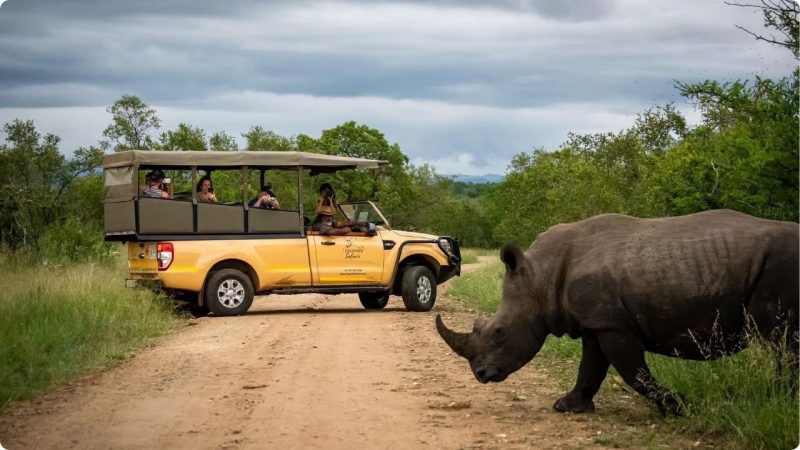
Travelers who remain flexible can access 15-35% discounts during shoulder seasons or via last-minute offers; they might secure a high-end camp stay for under $2,000 by shifting dates by a week. They will also find group or repeat-guest discounts from established operators, and mid-week starts often reduce peak-rate surcharges on transfers and flights.
Further insight: operators commonly release early-bird savings for bookings made 6-12 months ahead and last-minute reductions within 30-60 days of travel to fill beds. He or she who monitors newsletters or uses a specialist agent can combine early or late booking windows with flexible routing to stack savings without sacrificing key inclusions.
Best Times to Experience Affordable Luxury Safaris
Seasonal timing shapes both sightings and value: travelers who plan for the dry season (May-October) typically enjoy more concentrated wildlife and easier game drives, while shoulder months like April and November often deliver lower rates and fewer crowds. They should weigh destination-specific peaks-July-October for the Serengeti/Maasai Mara migration, June-August flood season in the Okavango-for a balance of spectacle and affordability that aligns with lodge availability and flight schedules.
Seasonal Considerations: When to Go
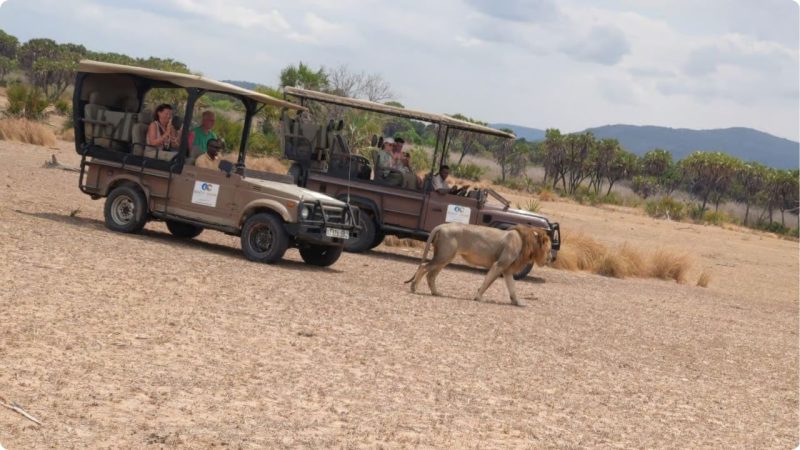
In East Africa, they aim for July-October to witness the Great Migration’s river crossings, whereas February-March offers calving in the southern Serengeti with dramatic predator activity. Southern Africa’s prime window runs May-September, the cooler dry months ideal for Botswana and Namibia. He or she seeking gorilla trekking targets drier periods-June-September and December-February-to minimize muddy trails and maximize trekking success.
Weather Influences on Safari Experience
Rain alters game visibility and access: wet months bring lush scenery and newborns but can make roads impassable and increase mosquito activity, raising malaria risk in many areas.
They will notice that dry months concentrate wildlife near water, improving sightings and photographic conditions, while heat peaks in January-February can limit mid-day activity for large predators.
Heavy rains can transform a route into a multi-hour detour, forcing cancellations of open-vehicle drives and pushing lodges to rely on light-air transfers; yet operators in places like the Okavango convert floods into assets, using mokoro and boat safaris when water levels peak in June-August.
Private concessions often mitigate seasonal drawbacks by offering off-road access and alternative activities-walking safaris or night drives-so they can still secure intimate encounters even when public-park access is limited. At the same time, wet seasons elevate mosquito populations, so families and travelers with health concerns should factor increased insect-borne disease risk into timing decisions.
Events and Wildlife Migration Seasons
The Great Migration involves roughly 1.5 million wildebeest and hundreds of thousands of zebras and gazelles moving across the Serengeti-Maasai Mara system, with river crossings concentrated July-October. They will also find seasonal spectacles elsewhere: flamingo breeding on Lake Natron, elephant concentrations in Botswana’s dry panlands, and whale migrations off Southern Africa’s coasts, each offering different peak months and viewing dynamics.
Planning around these events requires trade-offs: high-season spectacle often brings premium rates and more vehicles, but booking stays in private conservancies or luxury mobile camps-many of which follow the migration-reduces crowding and can keep trips under $3,000 if arranged in shoulder seasons or with package deals.
He or she who prioritizes dramatic action should book well in advance for July-October migration windows, while those seeking quieter, cost-effective wildlife encounters might choose May or November when sightings remain excellent but pricing and availability favor value.
Types of Accommodations in Affordable Safaris
They will find a spectrum of options-from luxury tented camps and boutique lodges to eco-friendly accommodations and exclusive-use villas-each balancing cost and comfort. Many affordable luxury camps host just 8-16 guests, offer game drives, and include transfers in packaged rates under $3,000. He or she can expect mokoro rides in Botswana, mobile camps following the Great Migration, and designer lodges in Namibia that blend architecture with wilderness. Night drives and walking safaris may be available but require strict safety protocols.
| Luxury Tented Camps | Example: Legendary Serengeti Camp – spacious tents, en-suite baths, verandas; often 8-16 guests. |
| Boutique Lodges | Example: Fish River Lodge – architect-driven design, 10-30 rooms, pools and full-service spas. |
| Eco-Friendly Accommodations | Example: Solar-powered camps with water-recycling systems; often reduce operating emissions by 50-80%. |
| Mobile Luxury Camps | Example: Migration camps in Serengeti – follow herds, offer front-row views with curated itineraries. |
| Exclusive-Use Villas | Example: Jabali Private House – private chef, dedicated guide, ideal for families or groups. |
- Inclusive pricing: look for packages that bundle transfers, park fees, and some activities.
- Guest capacity: smaller camps (8-16) mean quieter sightings and fewer vehicle queues.
- Location: private conservancies allow off-road driving and night drives but carry wildlife risks.
- Sustainability: solar power and water recycling reduce environmental impact and often operating costs.
- Accessibility: fly-in options shave travel time, keeping week-long safaris under $3,000 with smart routing.
Luxury Tented Camps: An Authentic Experience
He or she will find that luxury tented camps recreate classic safari romance while providing modern comforts-proper beds, hot-water en-suite bathrooms, and private verandas overlooking waterholes. Many Okavango fly-in camps accommodate just 12-16 guests, enabling intimate sightings and early-morning tracking; guides often hold advanced tracking certifications. Guests should note that canvas walls mean closer contact with wildlife, so every stay begins with a safety briefing and strict protocols for night movement to mitigate dangers.
Boutique Lodges: Charm and Comfort
Boutique lodges combine design-led architecture with regional character-he, she, or they will enjoy curated wine lists, resident photography specialists, and suites with plunge pools; typical properties have 10-30 rooms, which balances exclusivity and social spaces. Many Kenyan conservancy lodges channel lease payments to communities, so guests get privacy plus measurable conservation impact. Private guides and tailored itineraries often make boutique stays feel personalized despite modest room counts.
More detail: guests at boutique properties often receive amenities found in higher-tier safaris-private game vehicles, spa treatments, and bespoke culinary menus-yet rates can stay under $3,000 when booked in shoulder seasons or as part of fly-in packages; examples include intimate Fish River Lodge suites perched on canyon rims and Jabali Private House’s exclusive-use model for families seeking full-service privacy.
Eco-Friendly Accommodations: Sustainable Luxury
They often prioritize low-impact design-solar arrays, rainwater harvesting, and composting toilets-while delivering high-end service; some properties report offsetting 50-80% of energy needs via solar, lowering operating costs that can be passed to guests. Guests still benefit from comforts like full meals and guided drives, and conservation fees frequently fund local projects, making eco-luxury both responsible and experiential.
More detail: several eco-lodges integrate community-run conservation projects and offer interpretive walks led by local naturalists, enhancing wildlife understanding and socioeconomic benefits; a well-placed eco-lodge in Namibia or Botswana can offer comparable Big Five sightings to pricier properties while maintaining strict safety procedures for walking safaris and night drives.
Perceiving luxury through the lens of privacy, conservation impact, and thoughtful inclusions helps he, she, and they choose accommodations that deliver both authentic wildlife encounters and measurable value.
Safari Activities Beyond Game Drives
Guides and operators often expand itineraries with immersive alternatives that complement vehicle-based viewing, giving guests access to close-up wildlife tracking, cultural exchange, and nocturnal observation; he, she or they can combine a half-day mokoro in the Okavango, a morning bush walk in a Kenyan conservancy, and an evening at a private hide overlooking a waterhole to maximize sightings while maintaining luxury comfort.
Guided Walking Safaris: Immersive Experiences
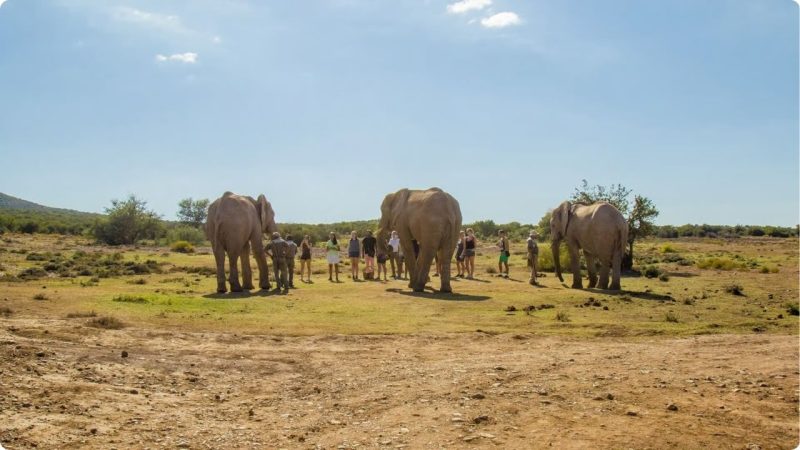
Guided walks led by armed, highly trained guides typically run 2-3 hours in private concessions and are limited to small groups of 4-8 so they can follow spoor and identify subtle signs; he or she who joins will often track impala, zebra and large herbivore movements on foot, gaining a sensory perspective on habitat and behavior, while armed guides and strict protocols ensure safety during close encounters.
Cultural Interactions with Local Communities
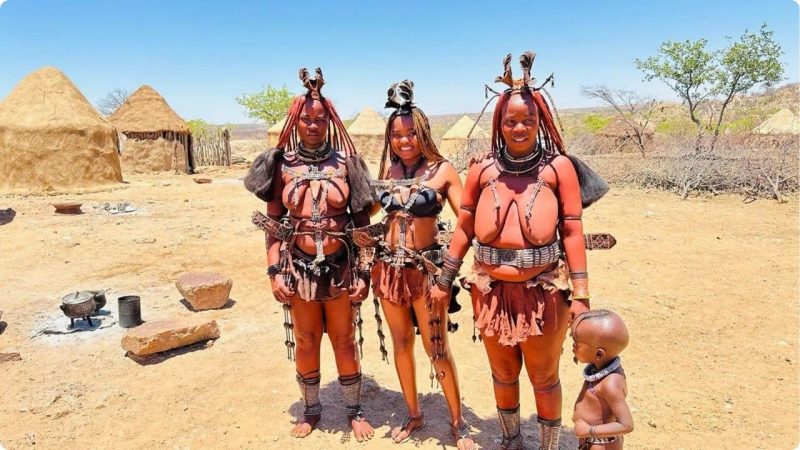
Visits to Maasai bomas, San storytelling sessions in Namibia, or community camps like Il Ngwesi in Laikipia provide structured exchanges where they learn pastoral techniques, music and crafts; he or she will witness traditional rites and often purchase locally made goods, with many programs channeling a direct portion of tourism revenue into schools and conservation initiatives to benefit host communities.
More information: Community interactions vary from short cultural performances to multi-day homestays and participatory conservation projects; they typically last 2-4 hours for village visits or several days for immersive stays, and often include demonstrations of beadwork, livestock management and rangeland stewardship. He or she should expect interpreters and pre-briefings to navigate sensitive topics, while operators use these experiences to support local education, healthcare and anti-poaching efforts.
Night Safaris and Special Wildlife Experiences
Night drives and specialist offerings in private reserves reveal nocturnal predators, bush babies, civets and porcupines-they often employ spotlights, thermal imaging and experienced trackers to locate species like leopard and aardvark; he or she can add exclusive options such as private hides or guided spotlighting sessions, with heightened safety measures and restricted group sizes to balance close viewing and protection.
More information: Typical night safaris run 1.5-3 hours after dusk in concessions that permit them-Sabi Sands and select Maasai Mara conservancies are noted for reliable nocturnal sightings-where vehicles remain the only sanctioned method of close approach and walking after dark is prohibited for safety. They usually cap groups at 6-8 guests, use low-glare red lights, and brief participants on emergency procedures and wildlife behavior before departure.
Planning Your Luxury Safari Experience
They should time trips to wildlife cycles-Great Migration peaks June-Sept, Okavango floods June-Oct-while using shoulder months (April-May, Oct-Nov) for fewer crowds and better value. He or she will factor in light‑aircraft or helicopter transfers, which can add 1-3 flight legs and strict luggage rules, and plan permits and internal flights 3-6 months in advance to secure preferred camps and dates.
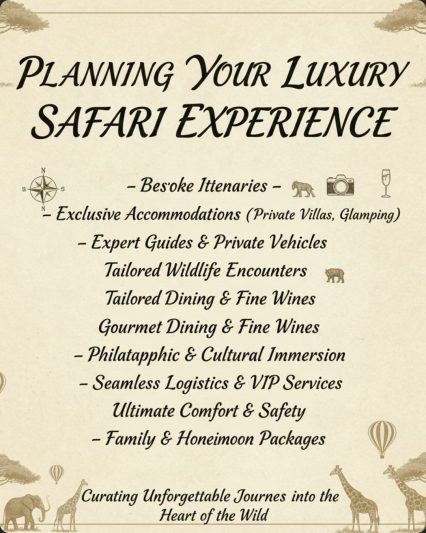
Choosing the Right Safari Operator
When vetting operators, they should prioritize licensed guides with professional credentials, a guide‑to‑guest ratio near 1:4-1:6, and transparent safety and conservation records. He or she can check guest reviews, request recent vehicle and guide references, and assess community contributions and anti‑poaching support. Established names like Wilderness Safaris or &Beyond set benchmarks, but smaller boutique operators often deliver superior access on private concessions.
Itinerary Customization Options
Customization commonly includes private drives, night drives, walking safaris, fly‑in transfers and helicopter scenic flights; adding private guides or extra activities alters logistics and price. They should note Rwanda gorilla permits cost about US$1,500 while Uganda permits run ~US$700-800, and light‑aircraft legs typically cost US$200-700 per person per segment.
They can build a 10‑day trip mixing 4 nights in the Okavango Delta (mokoro and boat safaris), 3 nights in Chobe for intense elephant viewing, and 2 nights at Victoria Falls for a water experience; reallocating nights often shifts costs toward internal transfers and park fees, sometimes increasing the itinerary budget by 20-30%. Operators on private concessions permit off‑road and night drives for closer sightings, but those activities require experienced, often armed guides and tailored insurance due to higher operational risk.
Preparing for the Safari Adventure
Before departure he or she should secure travel insurance with medical evacuation, consult a travel clinic for vaccinations (including yellow fever where required) and malaria prophylaxis, and confirm visa and entry rules. They must check small‑aircraft luggage limits-commonly 15-20 kg in soft bags-and build fitness for walking safaris or gorilla treks at altitude; photographers will prioritize a 300mm+ lens and spare batteries.
Practical prep includes packing neutral layers, a sun hat, 70-200mm plus 300mm lenses, 8×42 binoculars, a 20,000 mAh power bank, and medications in carry‑on, with multiple passport copies. Since light‑aircraft luggage is usually 15 kg soft‑sided, they may ship extra gear or pare down imperatives. Allowing a 24‑hour buffer before internal flights reduces missed connections, and following operator wildlife etiquette-remaining inside vehicles unless invited-minimizes dangerous encounters.
Essential Gear and Packing Tips for Safaris
They should prioritize lightweight, layered clothing, sturdy footwear and reliable optics; many lodges and light-air transfers limit luggage to 15-20 kg. He will pack a compact first-aid kit, high-SPF sunscreen and a travel adapter for 220-240V. She benefits from breathable, neutral-coloured fabrics to avoid startling wildlife and long sleeves for sun and mosquitoes. Knowing that smart packing reduces stress, preserves camera battery life and maximizes game-viewing time.
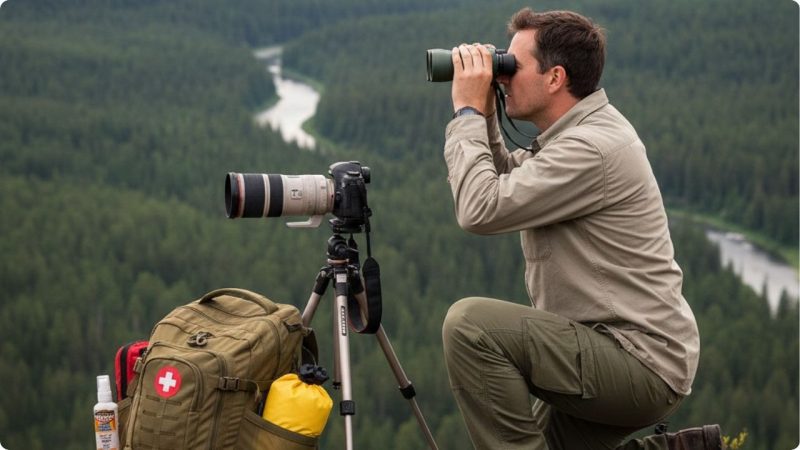
- 8×42 binoculars
- Camera body + 100-400mm or 300mm lens
- Neutral clothing (khaki, olive)
- Ankle boots (broken-in)
- First-aid kit & insect repellent (30-50% DEET)
- Spare batteries & memory cards (2×64GB+)
- Daypack and waterproof dry bags
Clothing and Footwear Recommendations
She should pack 2-3 lightweight layers: moisture-wicking base, insulating mid-layer and a windproof shell, since desert nights can drop below 10°C. He needs at least one pair of broken-in ankle boots and lightweight camp shoes. They should favor neutral colours to blend into the landscape, avoid bright prints, and include long sleeves and a wide-brim hat for sun and mosquito protection.
Photography Gear: Capturing the Moments
They should prioritise a solid camera body and a versatile telephoto lens-a 100-400mm zoom or 300mm prime suits most sightings. He will bring 2-3 spare batteries and at least two 64GB cards, plus a compact monopod or beanbag for vehicle shooting. She should use silent shutter or continuous autofocus modes and avoid flash to prevent disturbing animals.
For technical shots they should use shutter speeds of 1/500-1/1000s for running mammals and 1/1000s+ for birds in flight, raising ISO to 400-1600 as light dictates. He can exploit a crop sensor to extend reach (100-400mm becomes ~150-600mm APS-C equivalent). She will shoot in RAW, bracket exposures during sunrise/sunset and rely on a beanbag when vehicle frames preclude a tripod.
Health and Safety Considerations
They must visit a travel clinic 6-8 weeks before departure for recommended vaccinations and advice on malaria prophylaxis; some countries require a yellow fever certificate. He should pack a personalized first-aid kit, water purification tablets and oral rehydration salts. She will secure comprehensive travel insurance with medical evacuation and practise strict hand hygiene and bottled-water use to avoid gastrointestinal issues.
When malaria risk exists, they should discuss atovaquone-proguanil, doxycycline or mefloquine with a clinician, noting dosing schedules and side effects; atovaquone-proguanil typically starts 1-2 days before travel, doxycycline 1-2 days before, mefloquine 2-3 weeks prior. He must carry digital and paper vaccination records and emergency contacts, and she should stay hydrated (3-4 litres/day in heat), use SPF 50 sunscreen and perform tick checks after bush walks.
Wildlife Conservation and Ethics in Safari Travel
The Importance of Sustainable Tourism
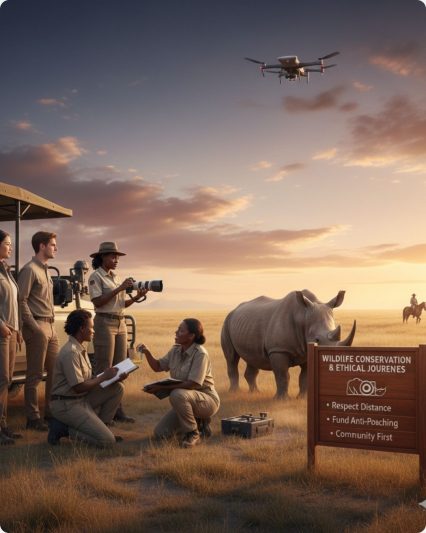
Botswana’s “high value, low impact” approach and private conservancies that limit camps to 12-16 guests demonstrate how tourism can fund habitat protection and support anti-poaching patrols. He or she booking a luxury camp should look for operators that use solar power, water recycling, and transparent conservation fees, because limited vehicle numbers and strict activity rules directly reduce wildlife disturbance and help maintain natural animal behavior.
Supporting Local Communities Through Safaris
Kenya’s private conservancy model, where camps pay direct lease payments to Maasai communities, shows how luxury safaris create steady income, jobs, and land-use incentives; they often hire local guides, trackers, and staff, turning tourism into a primary revenue source that motivates wildlife protection.
Community-run camps and programs such as Zimbabwe’s Campfire and Kenyan conservancies reinvest tourism revenue into tangible projects like schools, boreholes, and health clinics; they also fund community scouts and joint patrols, so when they succeed the surrounding landscape remains both economically viable and better protected.
Responsible Wildlife Viewing Practices
Guests must follow guide instructions: keep distance, avoid flash photography, and never feed or touch animals; many reserves enforce limits of 2-3 vehicles per sighting and prohibit off-road driving except where permitted, ensuring sightings don’t stress or alter animal behavior.
He or she using binoculars and telephoto lenses should also limit viewing time-typically 10-20 minutes per sighting-to prevent habituation; guides trained in animal behavior will reposition vehicles and pause activities when signs of stress appear, while regulated night drives and walking safaris require permits and armed specialists to minimize both safety risks and wildlife disturbance.
Testimonials and Experiences from Travelers
Stories of Affordable Luxury Safari Experiences
Travelers often cite 4-6 night stays at private fly-in camps that combine wilderness immersion with tailored service; one guest noted a Botswana camp hosting just 12 guests, offering two daily game drives and a private plunge pool, all booked for under $3,000 per person in shoulder season. He and she praised the expert guiding and quiet conservation-focused reserves that made the trip feel both exclusive and affordable.
Unique Moments that Travelers Cherish
Guests regularly recount heart-stopping sightings-watching a lioness bring down prey from 20-30 meters or witnessing a wildebeest river crossing involving hundreds of animals; they also treasure quiet dawn tea on a private veranda while elephants drink at a waterhole. She and he describe these as unforgettable and sometimes dangerous up-close encounters that emphasize the raw power of the ecosystem.
Detailed accounts include a photographic safari where a couple spent 45 minutes tracking a leopard at 15-25 meters, capturing images guided by a resident photographer, and a family who timed a 3-day stay to align with river-crossing forecasts. They highlight how small-group drives and off-road permissions in private conservancies translate into extended, intimate sightings and rare behavioral observations.
Tips from Previous Safari-Goers
Seasoned guests recommend arriving rested, packing neutral clothing and binoculars, and booking early-morning drives for the best sightings; they advocate using lodges with resident guides experienced in predator behavior. He and she note that shoulder seasons often cut costs without sacrificing viewing quality. Knowing simple logistics like light-luggage rules and regional flight times helps them maximize time on safari.
- luxury safari
- affordable safari
- expert guide
- off-road driving
- shoulder season
They frequently advise confirming transfer times for light-aircraft, asking about vehicle permissions for night drives, and checking inclusions such as park fees and local taxes; guests who compared itineraries found that trimming one night can save 10-20% while preserving key sightings. He and she also stress bringing a weatherproof camera bag and a reliable power bank. Knowing to verify cancellation and baggage policies avoids unexpected charges.
- light-aircraft transfers
- park fees
- packing list
- travel insurance
- baggage rules
Addressing Common Concerns and Misconceptions
Travelers often worry about safety, costs, and wildlife access, yet many misconceptions persist: private conservancies in Botswana and Kenya routinely limit vehicles to 6 or fewer per sighting, offering far more intimate encounters than public parks; malaria risk is real in some regions but manageable with prophylaxis; and luxury benefits-private transfers, specialist guides, and bespoke itineraries-can sometimes fit inside a sub-$3,000 budget with smart planning.
Safety in Safari Travel
He, she or they should note that trained guides and armed rangers manage most risks, and properties in Botswana, Namibia and South Africa enforce strict protocols for close encounters; big cats and elephants remain inherently dangerous, so guides keep controlled viewing distances and vehicle positioning, while medical facilities vary-some lodges are 30-120 minutes by light aircraft from hospital care, making preventive health steps and guide briefings important.
Travel Insurance Considerations
He, she or they should buy a policy that covers emergency medical evacuation (commonly recommended at $100,000-$250,000), trip cancellation/interruption, and activity extensions for walking safaris or gorilla treks; policies from major providers often cost roughly 4-8% of trip price and should explicitly include helicopter transfers and wildlife-related incidents.
More detail:Travelers should explicitly verify that their policy covers specialized safari activities. High-adventure pursuits, such as gorilla trekking, night drives, and walking safaris—are often standard exclusions and typically require a specific endorsement. Insurers such as Allianz, AXA and specialist firms like World Nomads offer tiered plans where medevac limits vary; for remote lodges a minimum of $100,000 is standard, but $250,000-$500,000 provides safer margins. Also check cancellation cover for supplier insolvency, and whether pre-existing conditions require waivers-claims for evacuation by helicopter or private aircraft can exceed $50,000, so policy wording matters.
Assessing the Trade-offs of Budget Safaris
He, she or they should weigh reduced cost against tangible compromises: budget safaris often mean larger group sizes, shared vehicles, longer overland transfers, and limited access to activities like night drives or private walking safaris-yet they still deliver strong wildlife viewing in parks such as the Serengeti or Kruger when timed with high-density seasons.
More detail: budget camps and group tours frequently accommodate 30-40 guests and may see 8-12 vehicles at prime sightings, while mid-range and luxury camps often keep guest counts under 20 and vehicle numbers per sighting to 6 or fewer. A 7‑day budget circuit in Tanzania can run <$1,500 but includes shared transfers and fixed itineraries; upgrading one or two nights to a private-concession camp or adding a fly-in leg-for example a 2‑night stay in a private Maasai Mara conservancy-can dramatically reduce crowding and add activities without doubling the total budget.
Additional Resources for Safari Enthusiasts
He or she will find targeted reading, film viewings, and peer communities accelerate planning-especially for trips to the Okavango Delta, Serengeti, or private conservancies. They can combine field guides, operator blogs, and documentaries to compare itineraries, check seasonal wildlife windows, and validate off-road or night-drive privileges before booking.
Recommended Books and Blogs on Safaris
Essential reads include Richard Estes’ The Safari Companion for species-ID and behavior, Mark and Delia Owens’ Cry of the Kalahari for long-term field study insights, and Lawrence Anthony’s The Elephant Whisperer for sanctuary management. Blogs like Africa Geographic, SafariBookings and operator pages from &Beyond or Abercrombie & Kent publish recent sighting reports, sample itineraries, and conservation case studies.
Wildlife Documentaries and Films for Inspiration
Documentaries that inform both technique and ethos include BBC series Planet Earth and Dynasties, plus feature films like Virunga (2014, Netflix) and The Ivory Game (2016, Netflix) for conservation context; family-oriented titles such as The Elephant Queen (2019) illuminate herd dynamics useful for wildlife interpretation on safari.
He or she will note that behaviour-focused films (e.g., The Last Lions, 2011) teach tracking cues and pride structure, while conservation films expose threats like poaching and habitat loss, informing ethical lodge selection and contributions to local projects.
Online Communities and Forums
Active sources include TripAdvisor’s Africa travel forums, Reddit communities such as r/safari and r/Travel, the Africa Geographic forum, and Facebook groups like “Luxury Safari Travel.” They offer real-time trip reports, operator reviews, recent wildlife sightings, and practical advice on visas, malaria prophylaxis, and light-aircraft transfers.
They should use communities to verify operator credentials and guide qualifications, request recent guest photos or GPS-based transfer logistics, and watch for red flags such as unsolicited deals or unlicensed operators-cross-checking recommendations with reputable companies like Wilderness Safaris or Ker & Downey before committing.
Conclusion: Why Choose Luxury Wildlife Safaris Under $3,000 for Your Next Trip
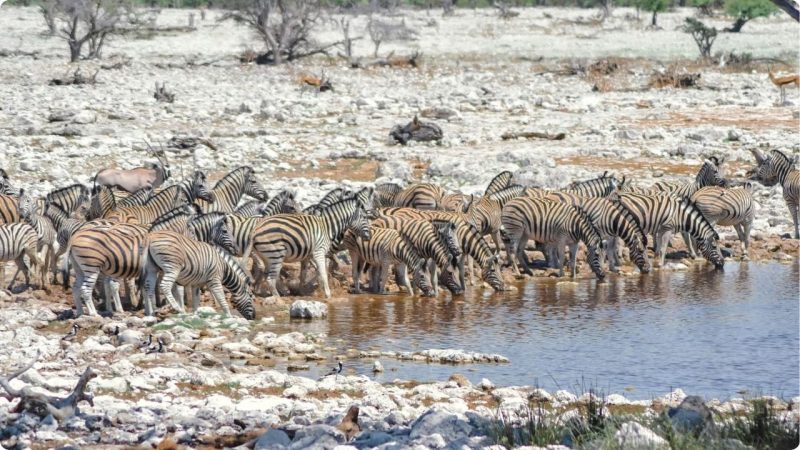
Following this, he, she and they will find that luxury wildlife safaris under $3,000 deliver curated access to private reserves, expert guiding, refined lodges, and conservation-focused experiences that preserve high-end comforts while maximizing wildlife viewing, making these top affordable picks the authoritative choice for discerning travelers seeking both sophistication and value.
FAQ: Best Luxury Wildlife Safaris Under $3,000
What qualifies as a “luxury” wildlife safari under $3,000?
A luxury safari under $3,000 typically balances high-end service and comfort with shorter durations, shoulder-season timing, or land-only pricing.
Expect well-appointed tented suites or boutique lodges with en-suite bathrooms, attentive staff, gourmet meals and curated game-viewing-often led by expert guides. Luxury elements that appear on budget-conscious packages include smaller guest numbers for more intimate sightings, private or semi-private game drives, high guide-to-guest ratios, elevated cuisine and included park or concession fees.
Trade-offs that keep the price below $3,000 usually involve fewer nights, omission of international flights, travel during less busy periods, or properties that offer exceptional value rather than ultra-exclusive single-use villas.
Which African destinations most often deliver luxury safaris for under $3,000?
South Africa frequently provides the best value-malaria-free private reserves adjacent to Kruger and smaller boutique reserves offer premium guiding, excellent wildlife and high comfort for competitive rates.
Namibia is another strong option, where designer lodges and remote camps deliver dramatic landscapes and refined service at moderate prices. Select Kenya private conservancies and some Tanzanian mobile camps can be affordable in shoulder seasons or with package deals.
Botswana and Rwanda occasionally appear in this price range during special promotions or shorter itineraries, but they commonly cost more due to limited-capacity fly-in camps and higher conservation fees.
When should I book and what strategies save money while still delivering a luxury experience under $3,000?
Book in the shoulder season (between peak and low seasons) to secure lower rates while retaining excellent wildlife viewing-examples: April-May or October-November in many southern destinations, and April-May in East Africa.
Look for early-booking discounts, last-minute operator deals, land-only packages that exclude international flights, and short-stay luxury samplers (3-4 nights) that concentrate premium experiences.
Combine nearby properties to reduce costly transfers, travel midweek when rates dip, and join small-group departures offered by established luxury tour operators. Request flexible dates from specialists and compare per-night value (activities and inclusions) rather than headline price alone.
What activities and amenities are realistic to expect on a luxury safari priced under $3,000?
Typical inclusions are twice-daily game drives in well-equipped 4×4 vehicles, guided bush walks where permitted, boat or mokoro excursions in water-based ecosystems, and evening wildlife talks.
Comfortable en-suite accommodation, hot showers, high-quality linens, farm-to-table or locally inspired gourmet meals and curated wine lists are common. Spa treatments, private plunge pools and helicopter transfers are less common at this price but possible at select properties or with shorter-stay packages.
Expect professional naturalist guides, focused wildlife experiences in private concessions, and small group sizes for an elevated, personalized feel.
How do I ensure a quoted luxury safari price under $3,000 includes what I need and avoids hidden costs?
Compare detailed inclusions line-by-line: confirm whether the quote covers accommodation, all meals, park/concession fees, scheduled game drives, guide fees, internal transfers or light-aircraft flights, taxes and gratuities.
Ask for a sample daily itinerary and a written list of exclusions (international flights, visas, vaccinations, optional activities, personal drinks and tips). Request a final total price with payment schedule and cancellation terms.
Use a reputable safari specialist with transparent billing and client reviews, and verify conservation levies or community fees that are sometimes added on departure.
Share On Pinterest


Leave a Comment