
You can absolutely love Italy and still plan the wrong first trip.
That usually happens when travelers try to squeeze Rome, Florence, Venice, the Amalfi Coast, Lake Como, Tuscany, Sicily, and the Dolomites into eight days. An Italy travel guide for first timers should do the opposite. It should help you cut through the fantasy, choose fewer places, and build a trip that actually feels exciting instead of rushed.
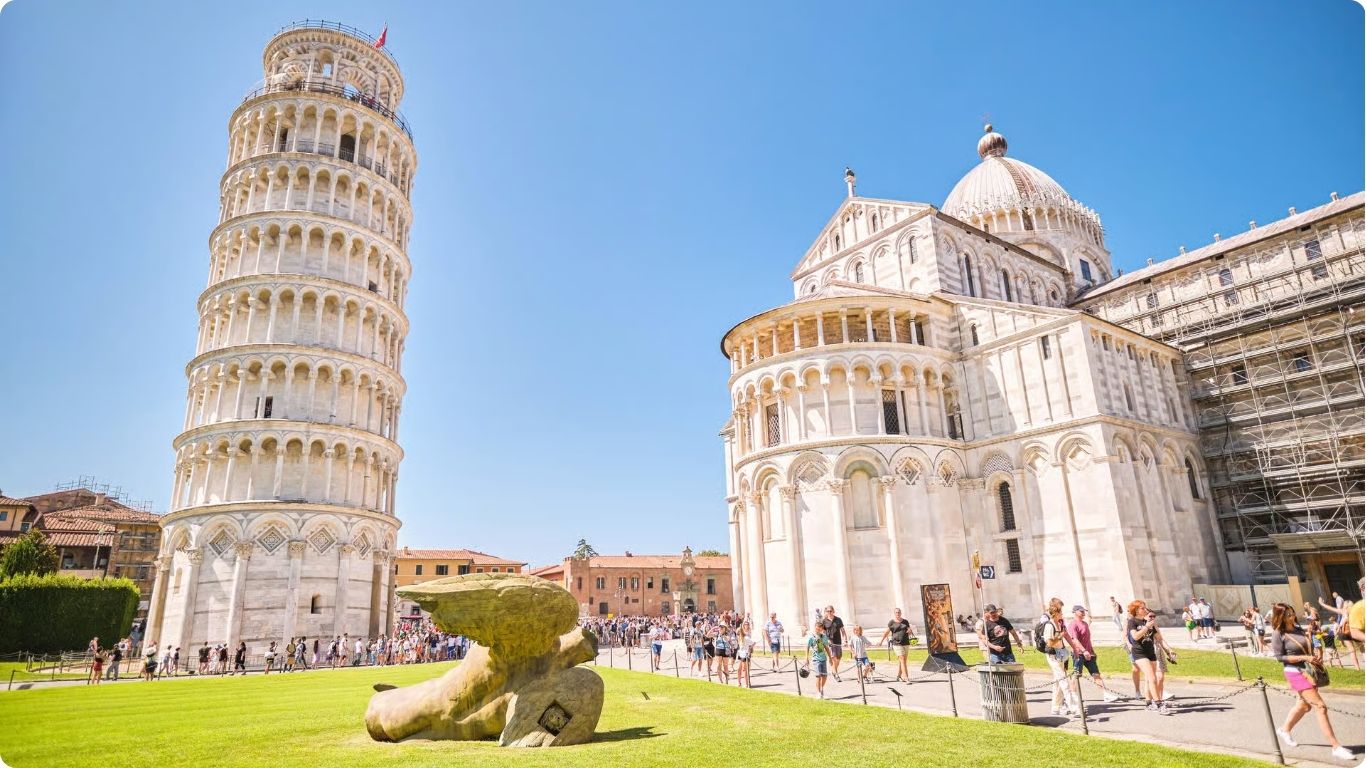
Italy rewards travelers who slow down just enough to enjoy the big moments – the first view of the Colosseum, a golden-hour stroll in Florence, a canal ride in Venice, a long dinner in a piazza that makes you want to cancel every plan the next day. If this is your first visit, your goal is not to see everything. Your goal is to experience Italy in a way that makes you want to come back.
Italy travel guide for first timers: start with the right route
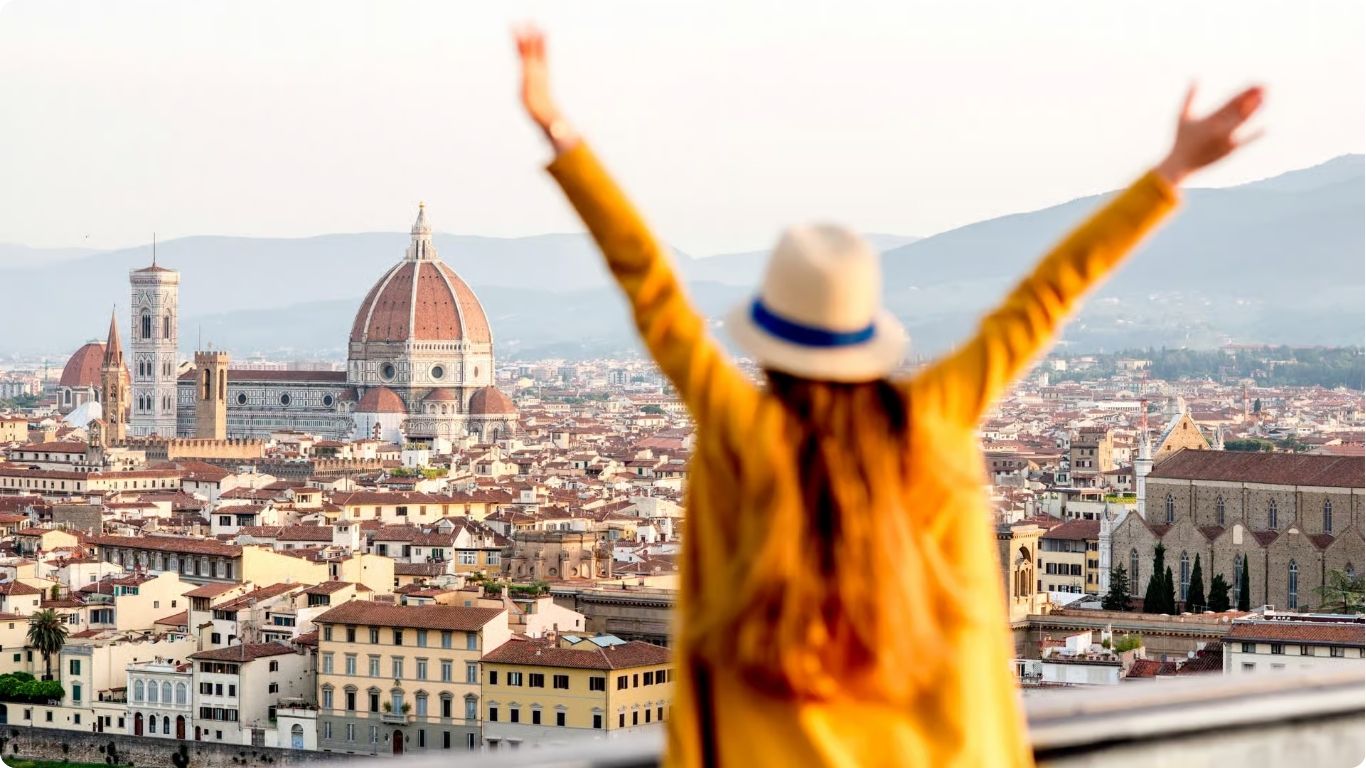
For most US travelers, the smartest first Italy itinerary is built around 2 to 4 stops. That gives you enough variety without turning the trip into a suitcase relay race. Italy looks compact on a map, but travel days can eat more time than expected once you factor in train transfers, hotel check-in, and getting oriented.
If you have one week, stick to two cities and possibly one easy day trip. Rome and Florence is a classic pairing because it mixes ancient history, art, food, and walkable neighborhoods. Rome and Venice also works if you want iconic landmarks with a more dramatic contrast.
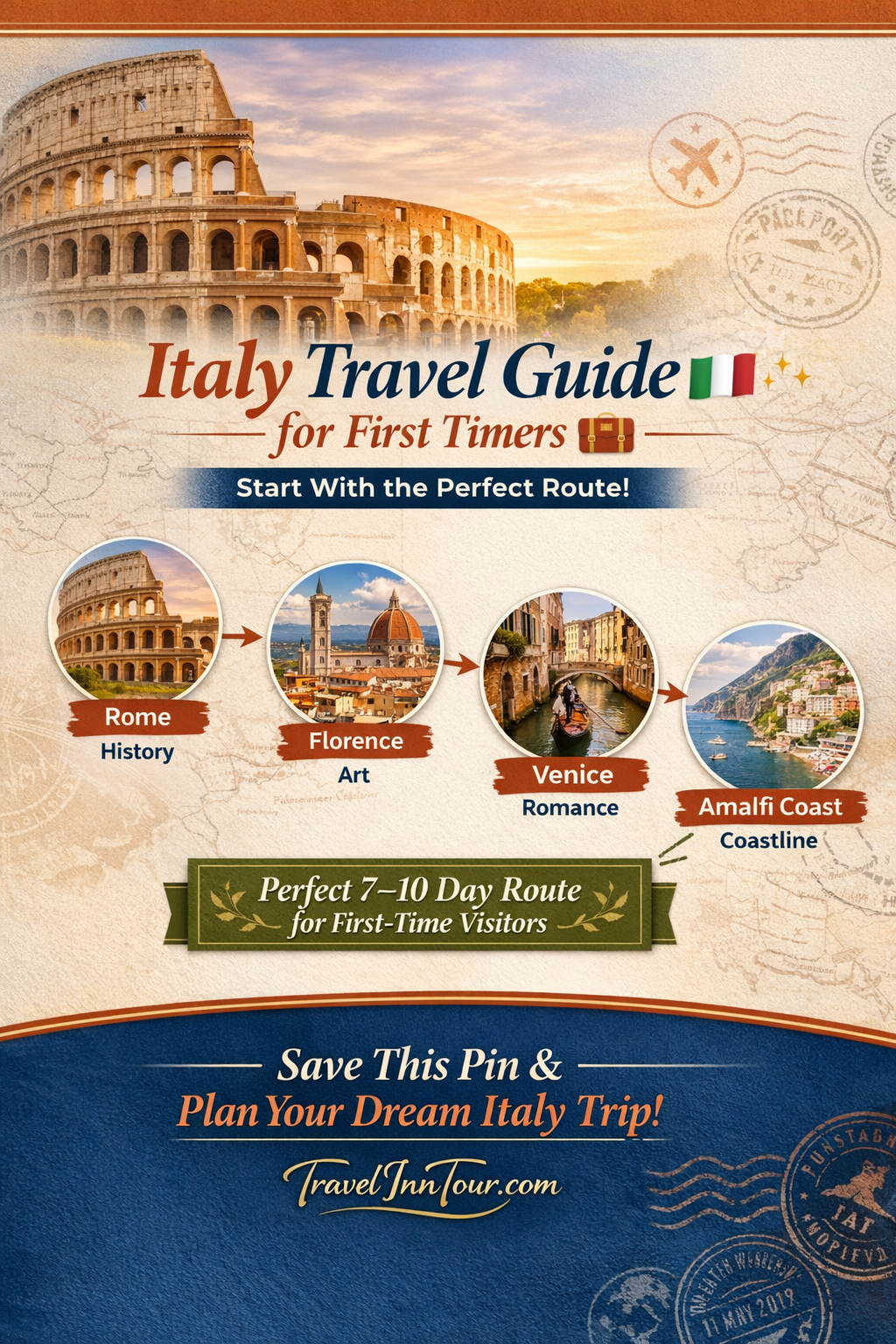
If you have 10 to 14 days, three stops is usually the sweet spot. Rome, Florence, and Venice is the easiest first-timer route because high-speed trains connect them well, and each city offers a distinct feel. Rome is grand and layered. Florence is compact, artistic, and romantic. Venice feels like nowhere else on earth.
If beaches or coastal scenery matter more than museums, swap one city for the Amalfi Coast, Cinque Terre, or Sicily. Just know that these places can be less straightforward logistically, especially in peak summer. They are worth it, but they often work better when you already understand how Italy moves.
How many days do you need in Italy?
The short answer is more than you think.
Rome deserves at least three full days on a first trip. You can race through it faster, but then the city becomes a checklist instead of an experience. Florence is ideal with two full days, or three if you want time for Tuscany or museum visits without rushing. Venice is best with one to two full days. Many travelers treat it as a quick stop, but early morning and evening are when Venice feels most magical.
A practical first-trip framework looks like this: three to four nights in Rome, two to three nights in Florence, and two nights in Venice. If your trip is shorter, drop a destination instead of trimming each stay too aggressively.
That trade-off matters. More stops create more variety, but fewer stops create better memories.
The best time to visit for a first trip
Spring and early fall are usually the easiest seasons for first-time travelers. April through June and September through October bring pleasant weather, long sightseeing days, and a lively atmosphere without the full intensity of peak summer.
July and August can still be great, especially if school schedules leave you little choice, but expect bigger crowds, hotter cities, and higher prices. Rome in summer can feel draining if your itinerary is too packed. Coastal areas are vibrant then, but they are also busiest.
Winter has advantages if you care more about culture than beaches. Rome, Florence, and Venice can feel calmer, hotel rates may soften, and major landmarks are still very much worth visiting. Christmas markets and holiday lights add charm, especially in northern cities. The trade-off is shorter daylight and a higher chance of chilly, wet weather.
Where first timers should go – and where to save for later
Rome should be on most first Italy itineraries unless you strongly dislike big cities. It is intense, crowded, and occasionally chaotic, but it delivers that instant wow factor travelers hope for. Ancient ruins, Vatican treasures, piazzas, fountains, and unforgettable food all compete for your attention.
Florence is the easiest city to love on a first trip. It is walkable, beautiful, and manageable. You can focus on art and architecture, but even travelers who do not build trips around museums tend to enjoy Florence because the whole city feels like a masterpiece.
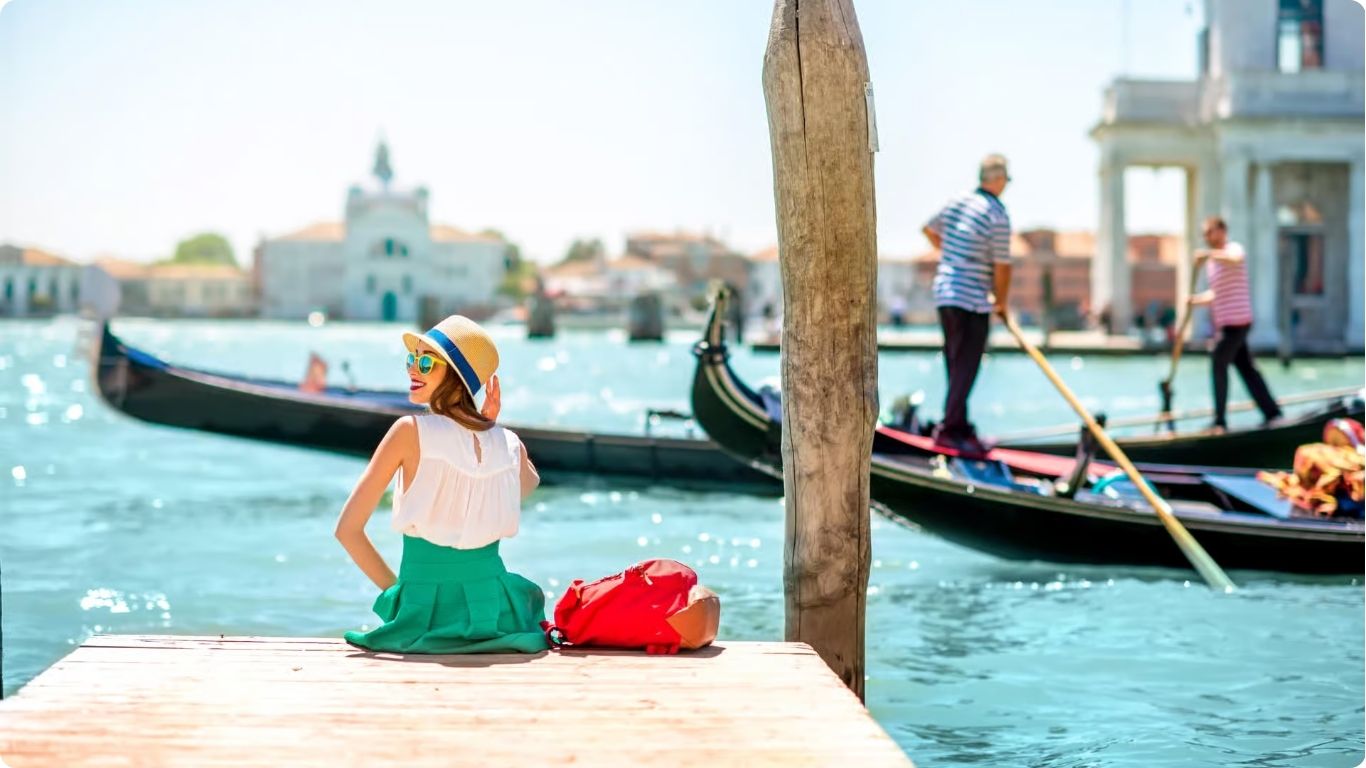
Venice is touristy, yes, but also absolutely worth seeing once. The trick is to stay overnight if you can. Day-trippers get the busiest version of Venice. Overnight visitors get the quieter alleys and softer atmosphere that make the city memorable.
Milan works best if you care about fashion, business travel, or using the city as a springboard to Lake Como. Naples is vibrant and rewarding, especially for food lovers and southern Italy access, but it can feel more challenging for nervous first-time international travelers. The Amalfi Coast is beautiful, though better for travelers who are comfortable with extra transfers, hilly towns, and seasonal crowds.
Trains, planes, and getting around
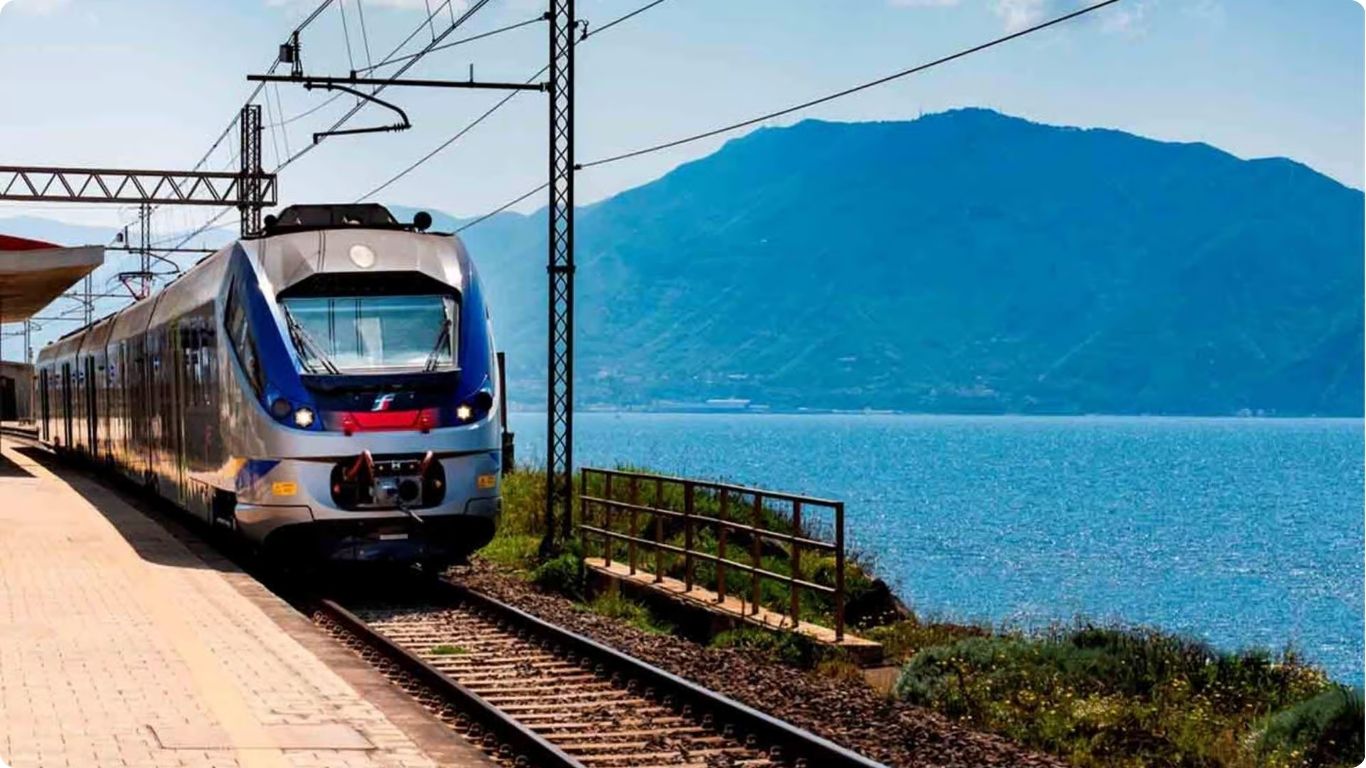
For a classic first trip, trains are your best friend. Italy’s high-speed rail network makes city-to-city travel fairly simple between major destinations. Rome to Florence and Florence to Venice are easy routes that save you the stress of driving.
Renting a car sounds romantic, especially for Tuscany or rural areas, but it depends on your route. In major cities, a car is more hassle than help because of traffic, parking limitations, and restricted driving zones. If your dream is countryside villas, wineries, and hill towns, rent a car only for that portion of the trip.
Flights within Italy are usually unnecessary for first-timer itineraries focused on central and northern cities. They may make sense if you are pairing the mainland with Sicily or Sardinia, but otherwise trains are more efficient door to door.
What to book before you go
Italy is not the destination where you want to “figure it out later” for everything.
At minimum, book your flights, hotels, intercity trains, and high-demand attractions ahead of time. The Vatican Museums, Colosseum, and major Florence museums can sell out or have long waits. Booking key sights in advance protects your schedule and reduces on-the-ground stress.
Hotels matter more in Italy than many first timers expect because location can change the entire trip. Staying near a historic center or close to the train station can save time, but there is a balance. Right next to the busiest attractions often means more noise and less neighborhood charm.
If you are choosing between a packed hotel in the center and a quieter one a 10 to 15 minute walk away, the quieter option is often the better call.
Budget expectations for first-time travelers
Italy can fit a range of budgets, but first trips tend to cost more than travelers hope, especially in Rome, Florence, Venice, and coastal hotspots.
Your biggest variables are season, hotel category, and how often you move around. A slower trip with fewer hotel changes can sometimes save money even if the nightly rate is higher. Eating well does not always have to be expensive, which is part of Italy’s magic. You can have a memorable meal at a simple trattoria and feel like you found the heart of the trip.
If budget is a major factor, travel in shoulder season, prioritize mid-range hotels over luxury splurges, and focus on cities where trains help you avoid rental car costs. Also leave room in your budget for reservations, city taxes, and spontaneous treats. Italy has a way of convincing you that yes, you do need the gelato, the leather notebook, and the extra glass of wine.
Common mistakes first timers make
The biggest mistake is overpacking the itinerary. The second is underestimating how tiring sightseeing can be, especially when every street seems to hold a church, museum, viewpoint, or restaurant worth stopping for.
Another common mistake is planning every meal too rigidly. A few special reservations are smart, especially in popular cities, but some of Italy’s best moments come from wandering into a place that simply looks right. Leave room for that.
Travelers also sometimes assume every part of Italy delivers the same experience. It does not. Northern Italy, central Italy, and southern Italy each have different rhythms, food traditions, and travel styles. That is part of the appeal, but it means there is no single perfect itinerary for everyone.
A simple first-timer Italy plan that works

If you want the easiest strong start, choose Rome, Florence, and Venice over 10 days. Fly into Rome and out of Venice, or reverse it. Book centrally located hotels, reserve your must-see attractions early, use trains between cities, and leave open pockets of time each day.
That structure gives you ancient history, Renaissance beauty, and one of the world’s most unusual cityscapes in a single trip. It is classic for a reason. It works.
And if your version of Italy looks more like sea views in Positano, vineyard stays in Tuscany, or a food-focused journey through Bologna and Naples, trust that instinct too. The best first trip is not the one with the most pins on a map. It is the one that matches your pace, your interests, and the kind of memories you actually want to bring home.
Save it On Pinterest






Leave a Comment