
Dreaming of turquoise waters? Finding the best lakes in Canada for your next adventure is easier than you think. You deserve an escape to breathtaking scenery, from glacial peaks to serene sandy shores. Whether you crave a canoe trip in a national park or a relaxing family vacation, our guide reveals the best lakes in canada for vacation. Ready to explore nature’s masterpiece? Let’s dive into the list.
1. Lake Louise: Best Lakes in Canada Explained Simply
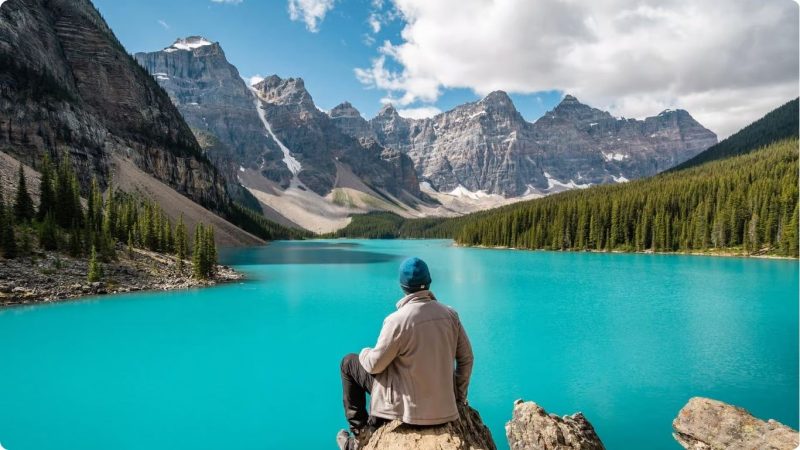
Lake Louise is not just one of the best lakes in Alberta, Canada, but it’s also one of the most famous in the world. Nestled in the heart of the Canadian Rockies, its turquoise waters, surrounded by majestic peaks, make it a quintessential postcard scene. Whether you’re interested in canoeing, hiking, or simply taking in the view, Lake Louise promises a stunning experience.
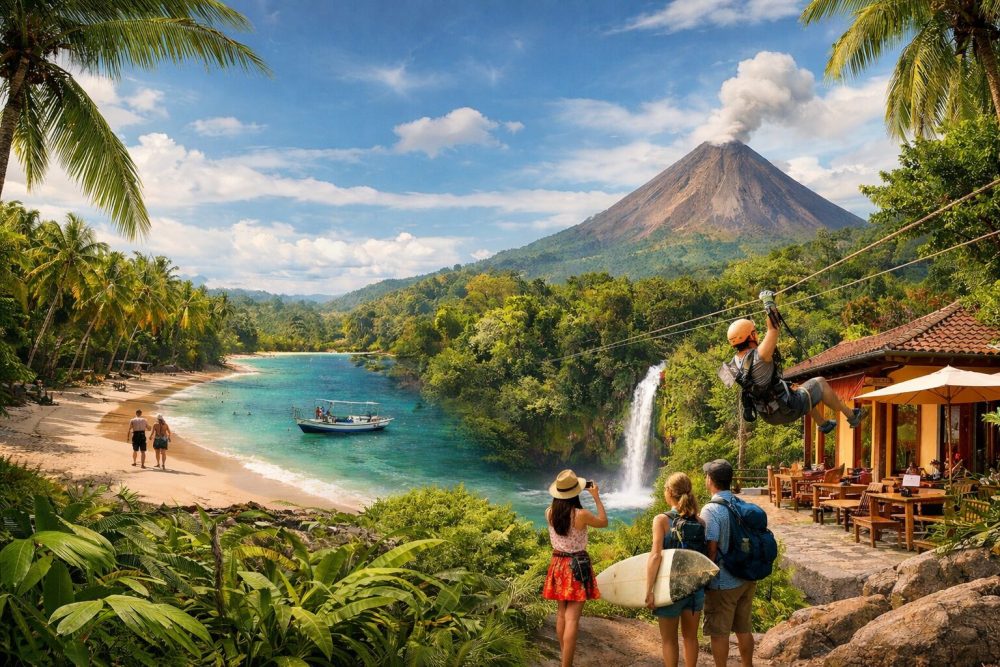
Activities at Lake Louise
Canoeing Across Turquoise Waters
Paddling across Lake Louise offers an unforgettable experience against the backdrop of soaring mountains. The canoe glides smoothly over the pristine waters, which reflect the towering peaks and lush forests. Renting a canoe is easy, and whether you’re a novice or an experienced paddler, the calm waters make for a serene journey. As you paddle, be sure to take a moment to simply float and absorb the stunning natural beauty surrounding you.
Hiking Trails for All Levels
Lake Louise is a hiker’s paradise, with trails ranging from leisurely strolls to challenging treks. The Lake Agnes Trail is particularly popular, leading you to a charming tea house where you can enjoy refreshments amidst panoramic views. For those seeking a longer adventure, the Plain of Six Glaciers Trail offers breathtaking vistas of glaciers and rugged landscapes. Each trail presents unique opportunities to explore the flora and fauna of the region.
Capturing the Perfect Shot
Photography enthusiasts will find Lake Louise a dream come true. The vibrant colors of the lake, combined with the dramatic backdrop of the Rockies, offer endless opportunities for stunning shots. Early mornings and late afternoons provide the best lighting conditions, casting a magical glow over the landscape. Whether you’re using a professional camera or a smartphone, the natural beauty of Lake Louise ensures incredible photographs.
2. Moraine Lake, Alberta
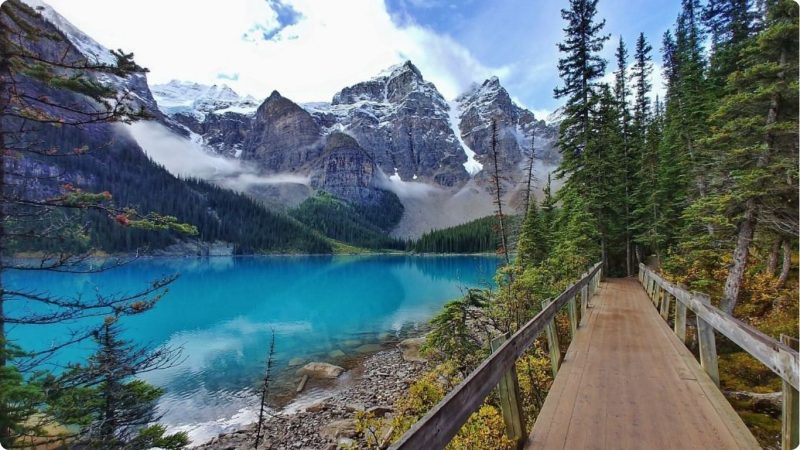
Another gem in Alberta is Moraine Lake, located in the Valley of the Ten Peaks. This glacier-fed lake is renowned for its brilliant blue color, which changes throughout the day. The surrounding rugged peaks make it a perfect spot for hiking and photography.

Why Visit Moraine Lake?
Unparalleled Scenic Beauty
Moraine Lake offers a visual feast with its shimmering blue waters set against the dramatic backdrop of the Ten Peaks. The lake’s color is most vibrant in the early morning or late afternoon, creating a mesmerizing spectacle. Visitors often find themselves captivated by the ever-changing hues of the water, which range from deep blue to aquamarine. The combination of natural elements creates a scene that is both tranquil and awe-inspiring.
Hiking Adventures Await
For those eager to explore, Moraine Lake offers a variety of trails that cater to different skill levels. The Larch Valley Trail is especially popular, offering hikers breathtaking views of the surrounding peaks and valleys. During the fall, the trail is a sea of golden larches, providing a stunning contrast to the blue lake. More adventurous hikers can tackle the Sentinel Pass for an elevated perspective of the area.
Experience True Tranquility
Moraine Lake is a haven for those seeking peace and solitude amidst nature. Despite its popularity, visitors can often find quiet spots to sit and reflect on the beauty around them. The gentle lapping of the lake against the shore, coupled with the crisp mountain air, creates a soothing atmosphere. It’s an ideal place to disconnect from the hustle and bustle of everyday life and reconnect with nature.
3. Peyto Lake, Alberta
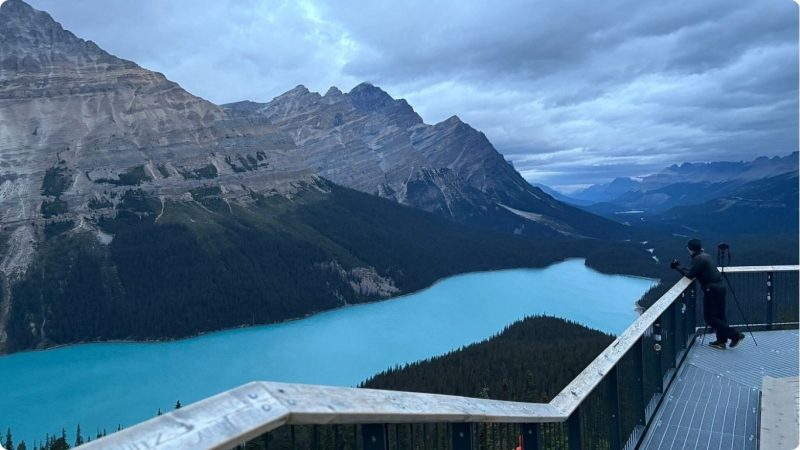
Peyto Lake is a glacier-fed lake in Banff National Park. Its unique shape and vibrant blue color make it one of the best lakes in Canada. The lake is best viewed from Bow Summit, where you can take in its wolf-like shape from above.

Highlights of Peyto Lake
A Unique Natural Formation
Peyto Lake is renowned for its distinctive wolf-like shape, best appreciated from the Bow Summit viewpoint. This unique formation is a result of glacial activity and makes Peyto Lake stand out among other lakes. The view from the summit is a must-see, offering a panoramic glimpse of the surrounding landscape. Photographers and nature lovers alike are drawn to this incredible natural wonder.
Seasonal Color Variations
The color of Peyto Lake changes with the seasons, providing a different experience each time you visit. In the summer, the lake boasts a bright turquoise hue due to the glacial rock flour. As the seasons transition, the colors can shift, offering a new perspective of this stunning lake. Each visit to Peyto Lake can feel like discovering a new natural masterpiece.
Easily Accessible Natural Beauty
One of the best aspects of Peyto Lake is its accessibility. Located along the Icefields Parkway, it’s a convenient stop for travelers exploring Banff National Park. The short walk to the Bow Summit viewpoint is suitable for visitors of all ages, making it a popular destination for families. The combination of accessibility and breathtaking views ensures that Peyto Lake remains a top attraction in Alberta.
4. Emerald Lake, British Columbia
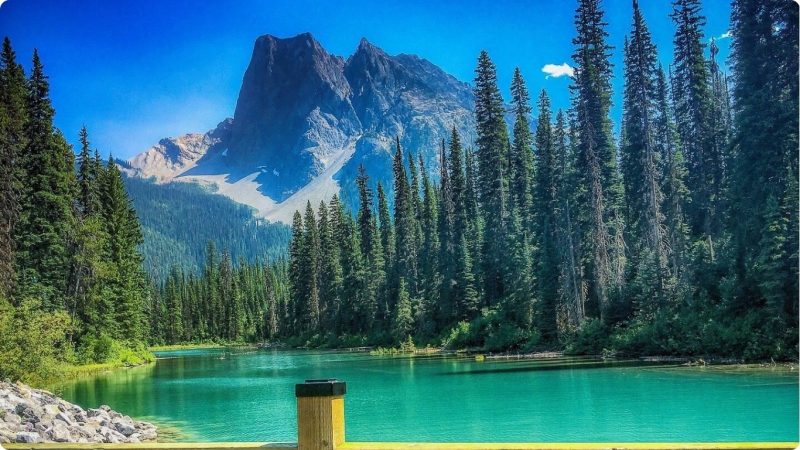
Emerald Lake, true to its name, boasts a deep green color due to its glacial origins. Located in Yoho National Park, it’s surrounded by lush forests and towering peaks, making it a prime spot for canoeing and hiking.
Things to Do at Emerald Lake
Canoeing on Emerald Waters
Gliding across the surface of Emerald Lake in a canoe is an experience like no other. The lake’s namesake color creates a serene setting for paddlers of all skill levels. Canoe rentals are available, allowing visitors to explore the lake at their own pace. As you paddle, take in the lush surroundings and the reflection of the towering peaks on the water.
Hiking Through Lush Landscapes
The Emerald Lake Trail offers hikers a chance to immerse themselves in the natural beauty of Yoho National Park. The trail circles the lake, providing stunning views of the emerald waters and surrounding forests. Along the way, keep an eye out for diverse wildlife and vibrant wildflowers. The trail is relatively easy, making it suitable for families and casual hikers.
Wildlife Watching Opportunities
Emerald Lake is a haven for wildlife enthusiasts, offering opportunities to spot various species in their natural habitat. The surrounding forests are home to a variety of birds, mammals, and other wildlife. Early mornings and late afternoons are the best times for wildlife watching, as animals are most active during these periods. Bring binoculars and a camera to capture sightings of the local fauna.
5. Lake Superior, Ontario
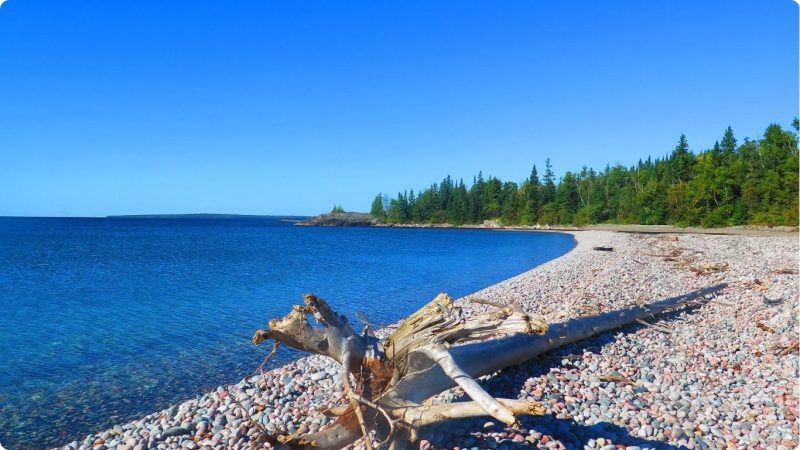
Lake Superior is the largest of the Great Lakes and offers an expansive water body surrounded by rugged cliffs and dense forests. It’s a fantastic destination for fishing enthusiasts and those seeking adventure.
Attractions of Lake Superior
A Fisherman’s Paradise
Lake Superior is renowned for its fishing opportunities, attracting anglers from all over the world. The lake is home to a variety of fish species, including trout, salmon, and walleye. Whether you’re an experienced fisherman or a beginner, the vast waters of Lake Superior provide ample opportunities for a successful catch. Charter services are available for those looking to enhance their fishing experience.
Kayaking Along Rugged Shores
Exploring Lake Superior by kayak is an exhilarating way to experience the natural beauty of the area. Paddle along the rocky shoreline, discovering hidden coves and secluded beaches. The calm waters and stunning landscapes make for a memorable kayaking adventure. For those seeking a more challenging experience, guided tours offer the chance to explore more remote areas of the lake.
Explore Nearby National Parks
Lake Superior is surrounded by several national parks, each offering unique opportunities for exploration. Pukaskwa National Park is a highlight, featuring hiking trails through dense forests and along rugged coastlines. The park is a haven for wildlife, and visitors may spot moose, bears, and a variety of bird species. Exploring the parks around Lake Superior allows visitors to fully immerse themselves in the region’s natural beauty.
6. Maligne Lake, Alberta
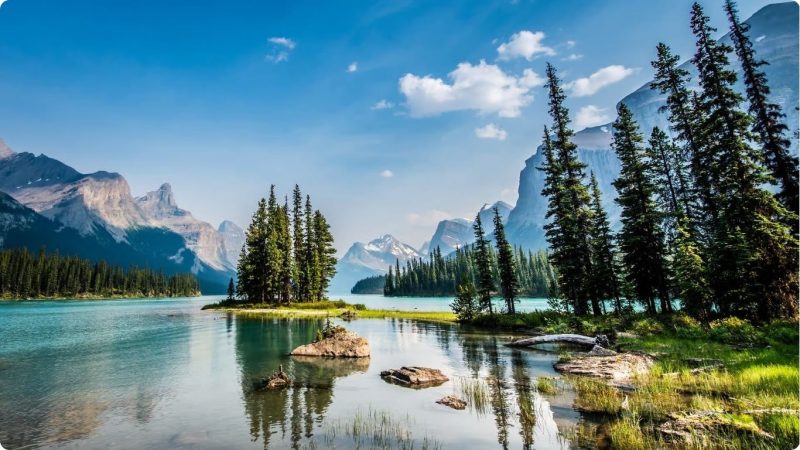
Maligne Lake, located in Jasper National Park, is famous for its stunning azure waters and the iconic Spirit Island. It’s a paradise for photographers and nature lovers alike.
Must-See Spots at Maligne Lake
Spirit Island: A Photographer’s Dream
Spirit Island is one of the most photographed locations in Canada, and for good reason. The small, tree-covered island set against the backdrop of azure waters and towering peaks creates a breathtaking scene. Photographers flock to this spot to capture the perfect shot, especially during sunrise and sunset when the lighting is most dramatic. A visit to Spirit Island is a must for anyone exploring Maligne Lake.
Exploring the Lake by Boat
A boat tour is an excellent way to experience the full beauty of Maligne Lake. Guided tours take visitors to Spirit Island and other scenic spots around the lake. The knowledgeable guides provide insights into the history and geology of the area, enhancing the experience. Whether you’re on a guided tour or exploring on your own, the crystal-clear waters of Maligne Lake offer a stunning backdrop for any adventure.
Wildlife Viewing Opportunities
Maligne Lake is teeming with wildlife, offering visitors the chance to observe animals in their natural habitat. Keep an eye out for eagles soaring above the lake, as well as bears, moose, and deer in the surrounding forests. The lake’s diverse ecosystem provides a home for a variety of species, making it a prime location for wildlife enthusiasts. Bring binoculars and a camera to capture your wildlife sightings.
7. Okanagan Lake, British Columbia
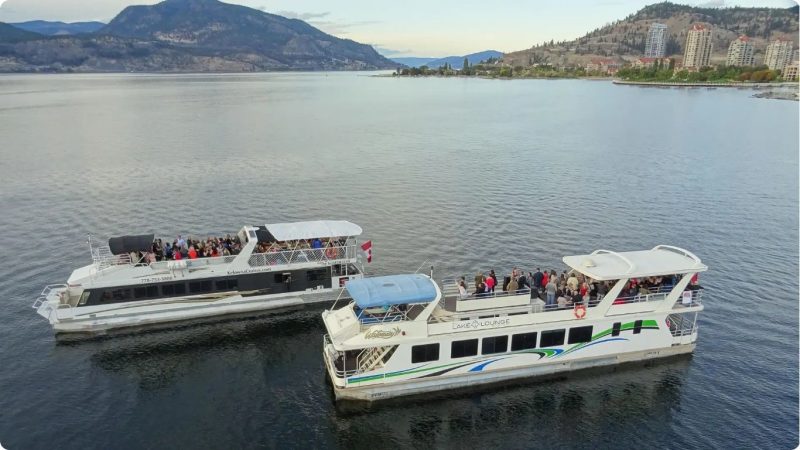
Okanagan Lake is a long, deep lake located in the Okanagan Valley, known for its warm waters and vibrant communities. It’s perfect for a family vacation or a relaxing retreat.
Activities at Okanagan Lake
Discovering Local Vineyards
Okanagan Lake is at the heart of British Columbia’s wine country, offering visitors the chance to explore a variety of local vineyards. Wine tours and tastings are popular activities, allowing guests to sample award-winning wines while enjoying stunning views of the lake and surrounding vineyards. Many wineries also offer gourmet dining experiences, making it a perfect outing for food and wine enthusiasts.
Enjoying Water Sports and Activities
The warm waters of Okanagan Lake make it an ideal destination for water sports and activities. Visitors can enjoy paddleboarding, sailing, and jet skiing, among other activities. The lake’s calm conditions are perfect for beginners, while more experienced adventurers can seek out more challenging experiences. Equipment rentals and lessons are available for those looking to try something new.
Relaxing on Sandy Beaches
Okanagan Lake is home to numerous sandy beaches, offering plenty of opportunities for relaxation and fun. Families can enjoy picnics, beach games, and swimming in the warm waters. The beaches are well-maintained and provide facilities such as restrooms and picnic areas. Whether you’re looking to soak up the sun or enjoy a leisurely stroll along the shore, Okanagan Lake’s beaches offer something for everyone.

What is Canada’s warmest lake?
Canada's warmest lake is Osoyoos Lake, located in the southern Okanagan Valley of British Columbia, right along the Canada-United States border. This remarkable body of water consistently achieves the highest average water temperatures of any lake in the country, making it a true gem for swimmers, water sports enthusiasts, and anyone seeking a warm-water lake experience in Canada.
What are the 5 Canadian Great Lakes?
The five Great Lakes that border Canada and the United States are Lake Superior, Lake Michigan, Lake Huron, Lake Erie, and Lake Ontario. However, it's important to clarify that not all of these lakes are "Canadian" in the strictest sense, as they are shared between Canada and the United States.
Lake Superior is the largest, deepest, and northernmost of the five Great Lakes. It borders the Canadian province of Ontario to the north and the U.S. states of Minnesota, Wisconsin, and Michigan to the south and west. This magnificent body of water contains roughly 10% of the world's fresh surface water and is known for its cold temperatures and dramatic storms.
Lake Huron is the second-largest of the Great Lakes by surface area and borders Ontario to the north and east, while touching Michigan to the west and south. It's notable for having the longest shoreline of all the Great Lakes and contains Manitoulin Island, the world's largest freshwater island.
Lake Erie is the fourth-largest Great Lake by surface area but the shallowest and warmest of the five. It borders Ontario to the north and the U.S. states of Michigan, Ohio, Pennsylvania, and New York to the west, south, and east. Despite being the smallest by volume, Lake Erie supports a massive fishing industry.
Lake Ontario is the smallest of the Great Lakes by surface area and serves as the outlet for the other four lakes, eventually flowing into the St. Lawrence River. It borders Ontario to the north and New York State to the south, with major cities like Toronto and Rochester situated on its shores.
It's worth noting that Lake Michigan is the only Great Lake that does not border Canada at all—it lies entirely within the United States, bordered by Wisconsin, Illinois, Indiana, and Michigan. Therefore, when referring specifically to the "Canadian Great Lakes," technically only four of the five Great Lakes actually touch Canadian territory. The four Canadian Great Lakes form a crucial part of Canada's geography, economy, and natural heritage, providing drinking water, transportation routes, recreational opportunities, and supporting diverse ecosystems for millions of people.
What is the clearest lake in Canada?
The clearest lake in Canada is widely considered to be Crater Lake in Alberta, though several other lakes compete for this distinction depending on how clarity is measured. However, many experts and visitors point to Lake Louise in Banff National Park, Alberta, and Moraine Lake, also in Banff, as among the most spectacularly clear lakes in the country.
When discussing water clarity in Canadian lakes, it's important to understand what makes a lake "clear." Clarity is typically measured by visibility depth - how far down you can see through the water. The clearest lakes have minimal sediment, algae, and dissolved organic matter, allowing light to penetrate deeply and creating that stunning turquoise or deep blue color that attracts photographers and tourists from around the world.
Peyto Lake in Banff National Park deserves special mention for its extraordinary clarity and distinctive bright turquoise color, which comes from glacial rock flour - fine particles of rock ground down by glaciers. During summer months, when glacial meltwater flows into the lake, the suspended rock flour actually refracts sunlight in a way that creates an otherworldly blue-green hue while still maintaining remarkable clarity.
In Ontario, some of the clearest lakes include Lake Superior, particularly along its northern shores, where visibility can exceed 30 feet in certain areas. The lake's cold temperatures and limited nutrient content keep algae growth minimal, contributing to its exceptional clarity. Georgian Bay, often called the "sixth Great Lake," also features areas of remarkable water clarity, especially around the 30,000 Islands region.
British Columbia's Lake O'Hara, located in Yoho National Park, is another contender for Canada's clearest lake. This alpine lake sits at high elevation and is fed by glacial meltwater, resulting in pristine, crystal-clear water that perfectly reflects the surrounding mountain peaks.
The clarity of these lakes is maintained by several factors: cold temperatures that slow biological activity, limited agricultural runoff, protection within national or provincial parks, rocky watersheds that minimize sediment, and in many cases, glacial origins that provide pure water sources. If you're planning to visit any of these lakes, bring a camera - the clarity and color of the water create some of the most photogenic landscapes in North America.
Is it safe to swim in Lake Ontario?
Lake Ontario can be safe for swimming, but there are several important factors you should consider before diving in. The safety of swimming in Lake Ontario largely depends on where you are, when you're swimming, and current water conditions.
First and foremost, it's essential to check the water quality reports for your specific beach or swimming area. Many municipalities around Lake Ontario regularly test the water and post advisories when bacterial levels, particularly E. coli, exceed safe limits. These contamination issues often occur after heavy rainfall when storm water runoff carries pollutants into the lake. Always look for posted signs or check online resources before entering the water.
The temperature of Lake Ontario is another crucial consideration. Even during summer months, the lake remains quite cold, typically ranging from 65-75°F (18-24°C) at the surface. This cold water can cause hypothermia if you're not prepared, especially during extended swimming sessions. It's advisable to limit your time in the water and be aware of the signs of cold water shock, which can occur even in seemingly moderate temperatures.
Wave conditions and currents in Lake Ontario can be deceptively dangerous. The lake is large enough to generate significant waves, particularly during windy conditions, and dangerous rip currents can develop along certain shorelines. Always swim at designated beaches with lifeguards present, and never swim alone. If you're caught in a current, swim parallel to the shore rather than fighting against it.
Additionally, be mindful of boat traffic in areas where swimming and boating zones overlap. Wear bright-colored swim caps to increase your visibility, and stay within designated swimming areas marked by buoys.
Many beaches around Lake Ontario are excellent for swimming and are monitored regularly for safety. Popular spots like Sandbanks Provincial Park, Woodbine Beach in Toronto, and various beaches in Rochester offer well-maintained facilities and lifeguard supervision during peak season. These locations are your best bet for a safe and enjoyable swimming experience in Lake Ontario.
What is the most visited lake in Canada?
The most visited lake in Canada is Lake Louise, located in Banff National Park in Alberta. This stunning glacial lake attracts millions of visitors annually, making it not only Canada's most popular lake destination but also one of the most photographed natural landmarks in the entire country.
Lake Louise earns its distinction as Canada's premier lake destination for several compelling reasons. First and foremost, its breathtaking turquoise waters create an almost surreal visual experience that captivates visitors from around the world. The lake's distinctive color comes from rock flour—finely ground rock particles carried into the lake by meltwater from the surrounding glaciers. When sunlight reflects off these suspended particles, it produces the lake's signature emerald-green hue that seems almost too beautiful to be real.
The lake's accessibility significantly contributes to its popularity. Unlike many remote Canadian lakes, Lake Louise is easily reached by road and sits just a short drive from the Trans-Canada Highway. The famous Fairmont Chateau Lake Louise hotel sits right on the lakeshore, providing world-class accommodations with unparalleled views. This combination of accessibility and luxury makes it appealing to a wide range of visitors, from casual tourists to serious outdoor enthusiasts.
Throughout the year, Lake Louise offers diverse activities that keep visitors coming back in every season. During summer months, tourists can hike the numerous trails surrounding the lake, including the popular hike to the Lake Agnes Tea House or the more challenging trek to the Plain of Six Glaciers. Canoeing on the pristine waters provides an intimate way to experience the lake's beauty up close. In winter, the lake transforms into a magical frozen wonderland, with ice skating, ice sculpture festivals, and the surrounding mountains offering world-class skiing at the nearby Lake Louise Ski Resort.
The dramatic mountain backdrop adds another layer of appeal. The Victoria Glacier looms majestically at the far end of the lake, flanked by towering peaks that create a natural amphitheater of rock and ice. This spectacular setting has made Lake Louise a favorite location for photographers, artists, and nature lovers seeking that perfect shot or moment of tranquility.
While other Canadian lakes like Lake Ontario, Moraine Lake (also in Banff), and Emerald Lake certainly attract significant numbers of visitors, Lake Louise consistently ranks as the most visited due to its combination of stunning natural beauty, excellent infrastructure, year-round activities, and international recognition as an iconic Canadian destination.
8. Great Slave Lake, Northwest Territories
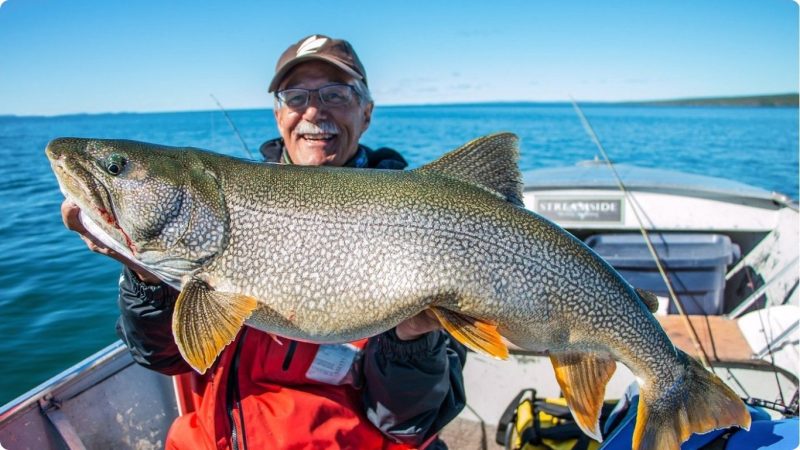
Great Slave Lake is the second-largest lake in the Northwest Territories and offers a unique northern experience. Its vast size and remote location make it ideal for adventurous travelers.
Exploring Great Slave Lake
Ice Fishing Adventures
Winter transforms Great Slave Lake into a frozen wonderland, perfect for ice fishing enthusiasts. The lake is home to a variety of fish species, including trout and pike, making it a popular destination for anglers. Local guides offer ice fishing tours, providing equipment and expertise to ensure a successful outing. The serene setting and crisp winter air make for a memorable ice fishing experience.
Witnessing the Northern Lights
Great Slave Lake is one of the best places in Canada to witness the Northern Lights. The remote location and minimal light pollution create ideal conditions for viewing this natural phenomenon. Visitors can enjoy the breathtaking display of colors dancing across the night sky from the shores of the lake or during guided tours. The Northern Lights are truly a once-in-a-lifetime experience that should not be missed.
Cultural Experiences and Traditions
The region around Great Slave Lake is rich in Indigenous culture and history. Visitors have the opportunity to learn about the traditions and customs of the local communities through cultural tours and events. Participate in traditional activities such as drum dancing and storytelling, and gain a deeper understanding of the area’s heritage. These cultural experiences offer a unique perspective on life in the Northwest Territories.
9. Lake Ontario, Ontario
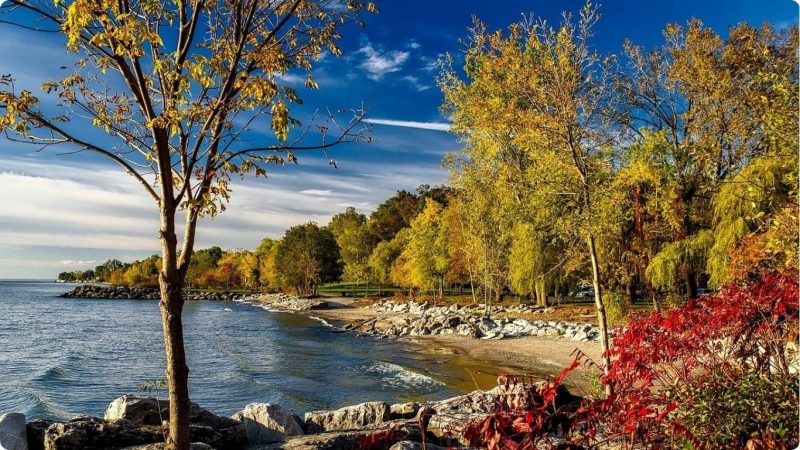
Lake Ontario, one of the Great Lakes, borders both Canada and the United States. It’s a hub of activity with bustling cities, serene parks, and diverse recreational opportunities.
Discover Lake Ontario
Exploring Toronto’s Waterfront
Toronto’s vibrant waterfront along Lake Ontario offers a mix of cultural attractions, dining, and entertainment. Visitors can explore the Harbourfront Centre, visit the Toronto Islands, or enjoy a meal at one of the many waterfront restaurants. The area is also home to numerous festivals and events throughout the year, providing endless entertainment options. A stroll along the waterfront is a perfect way to experience the city’s vibrant atmosphere.
Sailing and Boating Adventures
Lake Ontario is a popular destination for sailing and boating enthusiasts. The lake’s expansive waters provide ample opportunities for exploration, whether you’re navigating the coastline or venturing out to the Toronto Islands. Sailing clubs and marinas offer rentals and lessons for those new to the sport. The combination of urban skyline views and natural beauty makes for a memorable boating experience.
Enjoying Parks and Green Spaces
The shores of Lake Ontario are dotted with parks and green spaces, offering plenty of opportunities for outdoor recreation. Visitors can enjoy picnicking, biking, and walking along scenic trails. The parks provide a peaceful retreat from the bustling city, with areas for relaxation and play. Whether you’re seeking solitude or family fun, Lake Ontario’s parks offer a perfect escape.
10. Lake Manitou, Ontario
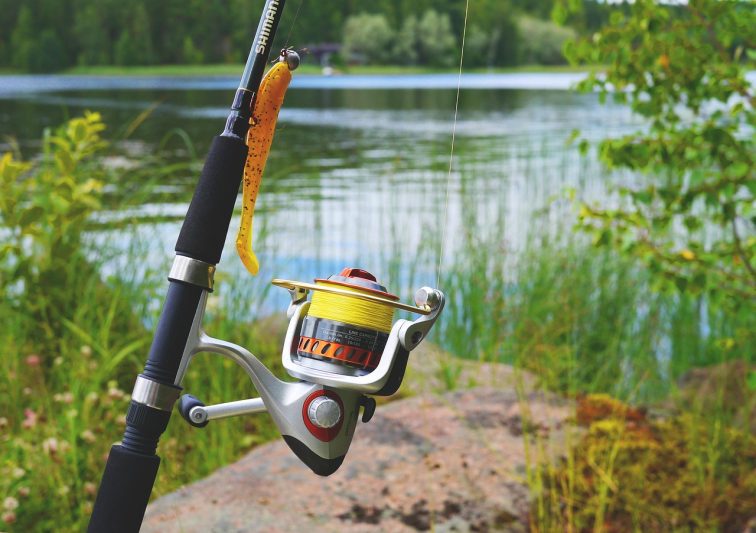
Lake Manitou is the largest freshwater lake on an island and is located on Manitoulin Island. Known for its clear waters and serene environment, it’s a hidden gem for those seeking tranquility.
Enjoying Lake Manitou
Fishing in Pristine Waters
Lake Manitou is a top destination for fishing enthusiasts, offering clear waters teeming with fish. The lake is home to a variety of species, including bass, trout, and pike. Anglers can enjoy a peaceful day on the water, surrounded by the natural beauty of Manitoulin Island. Fishing charters and guides are available for those looking to enhance their experience.
Discovering Scenic Hiking Trails
Manitoulin Island offers a variety of hiking trails that showcase the stunning scenery of Lake Manitou and its surroundings. Trails range from easy walks to more challenging hikes, providing options for all skill levels. Hikers can enjoy panoramic views of the lake, explore lush forests, and discover hidden waterfalls. The island’s trails offer a chance to connect with nature and experience the tranquility of the area.
Unwinding in a Serene Environment
Lake Manitou’s serene setting makes it an ideal destination for relaxation and rejuvenation. The peaceful surroundings provide a perfect escape from the hustle and bustle of everyday life. Visitors can unwind on the lake’s shores, enjoy a leisurely swim, or simply take in the natural beauty. The tranquility of Lake Manitou offers a unique opportunity to disconnect and recharge.
Conclusion
Canada’s lakes are a testament to the country’s natural beauty and offer countless opportunities for adventure and relaxation. Whether you’re drawn to the best fishing lakes in Canada or the beautiful Canadian lakes perfect for a vacation, there’s a lake waiting for you. Explore these stunning bodies of water and create unforgettable memories amidst Canada’s breathtaking landscapes. Each lake offers unique experiences, from thrilling outdoor activities to peaceful retreats, ensuring that every visitor leaves with cherished memories.
Share On Pinterest





Leave a Comment