
You have a week off, a rough budget, and one big question that decides everything: do you want your vacation to move, or do you want it to stay put?
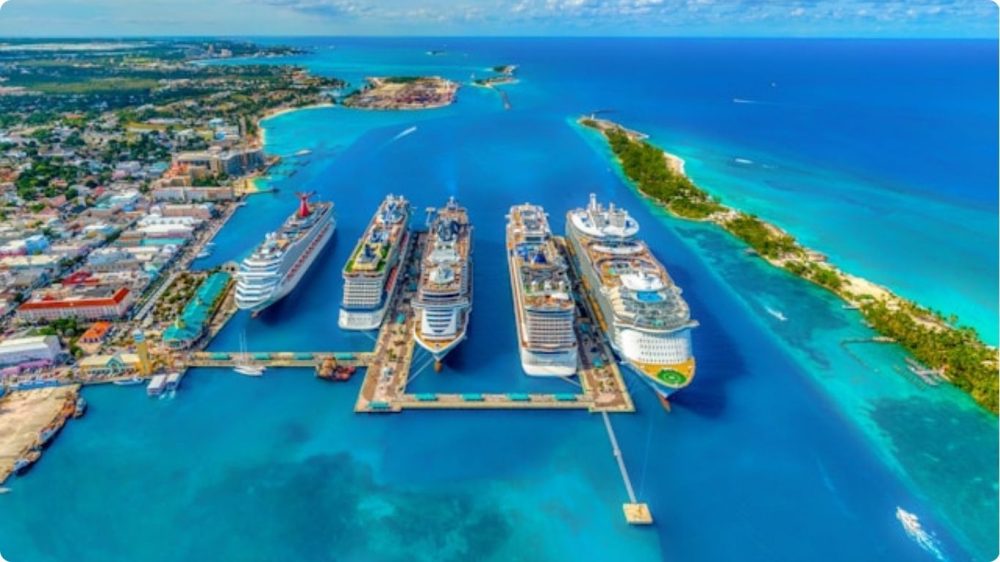
That’s the real heart of a cruise vs resort vacation. One is a floating schedule with built-in variety. The other is a choose-your-own-rhythm home base where the days can blur together in the best way. Both can feel like pure magic – and both can go sideways if you pick the wrong fit for how you actually travel.
Cruise vs resort vacation: the core difference
A cruise is a packaged trip where your “hotel” travels between destinations, usually with nightly entertainment, all-day dining options, and shore excursions you can book as add-ons. The big win is momentum: you unpack once and wake up somewhere new.

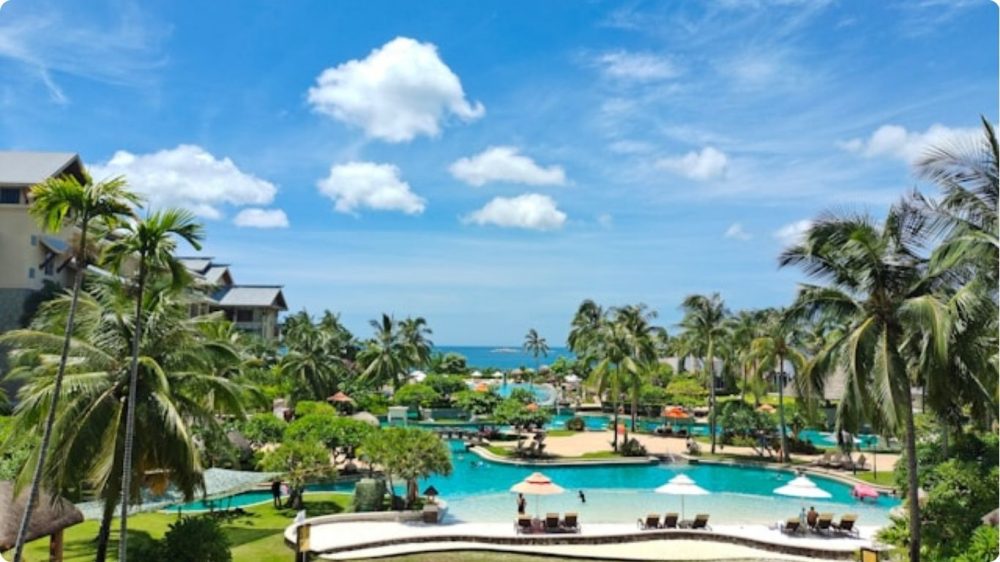
A resort vacation is a stay in one destination, typically in a beach town or a nature-heavy escape, where the property itself is the experience. You build the week around your own pace: pool time, spa time, local exploring, day trips, and long dinners that don’t have a ship schedule ticking in the background.
If you love variety and don’t mind structure, cruising tends to shine. If you love control and deep relaxation, resorts usually win.
What the trip feels like day to day
Cruises have a “choose your adventure” energy that still runs on a timetable. Breakfast might be casual, but port arrival is not. On sea days, you’ll have constant stimulation: shows, trivia, deck activities, kids clubs, lounges, and more food than you can possibly need. It’s fun, social, and easy to stay entertained without planning much.
Resorts feel more open-ended. You can sleep late without worrying you’ll miss a port. You can build rituals: morning coffee with an ocean view, a midday swim, a lazy afternoon nap, then a sunset walk. The vibe can be romantic and quiet or energetic and family-forward depending on the property – but it’s typically less “programmed” than a ship.
Here’s a simple gut-check: if your favorite vacations have a little buzz and you like meeting people, a cruise may feel electric. If you want spacious calm and days that stretch, a resort often feels like exhaling.
Budget and what “all-inclusive” really means
Both options can be affordable or wildly expensive, and both can trick you with add-ons.

Cruises often look cheaper upfront, especially for Caribbean sailings and shoulder-season dates. Your base fare usually covers lodging, lots of food, and entertainment. Then come the extras: drink packages, specialty dining, Wi-Fi, gratuities, excursions, and sometimes transportation to the port. You can keep a cruise budget-friendly, but you have to decide what matters early.
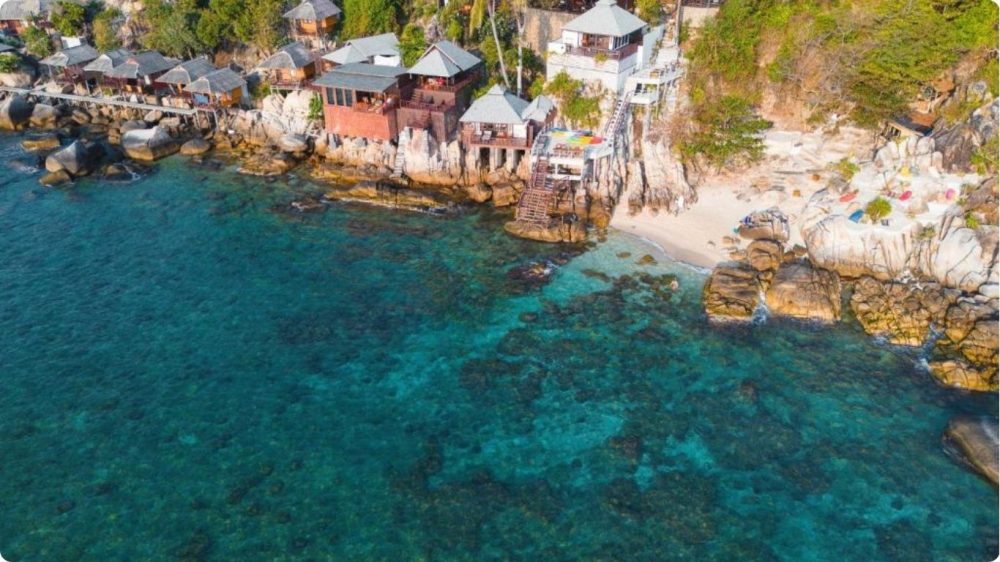
Resorts vary more because “resort” can mean anything from a value property with a pool to a fully all-inclusive luxury compound. All-inclusive resorts can be wonderfully predictable, especially for families who don’t want to think about meal costs. But check what’s included: top-shelf alcohol, premium restaurants, activities, tips, airport transfers, and even basic things like bottled water can differ by property.
If you’re cost-sensitive, compare total trip pricing, not the headline. A good rule is to price the full week the way you actually travel: drinks, a couple tours, transportation, and the kind of dining you’ll want when you’re in vacation mode.
Logistics and planning effort
A cruise is planning-lite once you commit. Your itinerary is built, meals are handled, and you don’t need to map out daily transportation. That’s why cruises are so appealing for first-timers, multi-generational groups, and travelers who want a high fun-to-effort ratio.
Resorts require more decisions upfront, but they reward you with flexibility. You’ll pick the destination, decide whether to rent a car, and plan at least a few meals or day trips if you want to explore beyond the property. If you love tailoring a trip – or you want the freedom to change your mind daily – the extra planning can be a feature, not a bug.

If decision fatigue is your enemy, cruising often feels easier. If being locked into a schedule makes you itchy, a resort can feel like freedom.
Destination depth: sampling vs settling in
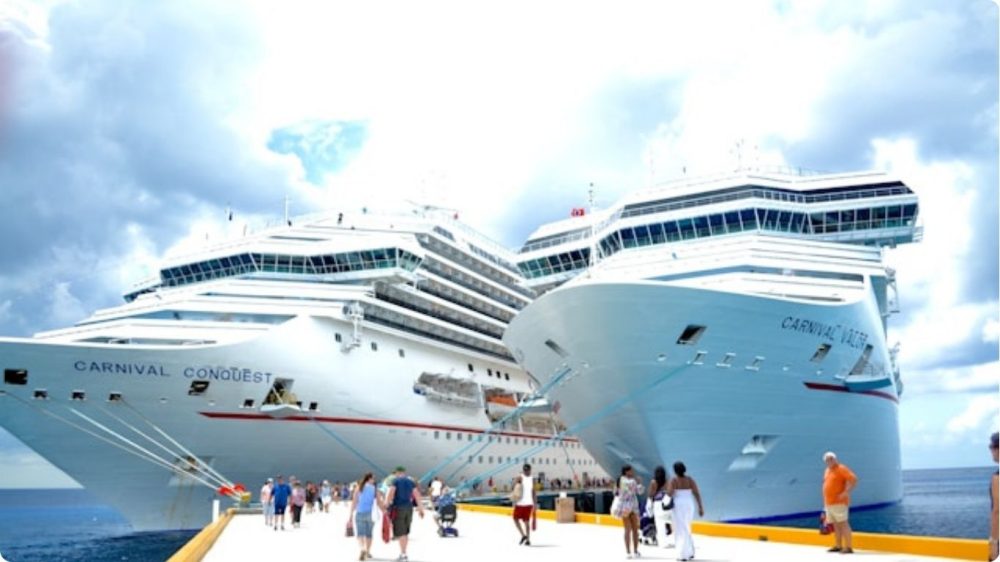
Cruises are amazing at giving you a “best-of” sampler platter. You might hit three islands in seven nights, see iconic coastlines, and collect postcard moments fast. That’s perfect for travelers who get restless staying in one place or who want to see multiple countries without complicated transit.
The trade-off is time. Port days can be short, and the most memorable experiences sometimes happen at night – when you’re already sailing away.
Resort vacations tend to go deeper. You can learn a place’s rhythm, return to the same beach at different times of day, and take longer excursions without watching the clock. If you’re the kind of traveler who wants to find a favorite taco stand, chat with locals, or take a cooking class without rushing back to a ship, a resort-based trip will usually feel richer.
Food, drink, and the “vacation appetite” factor
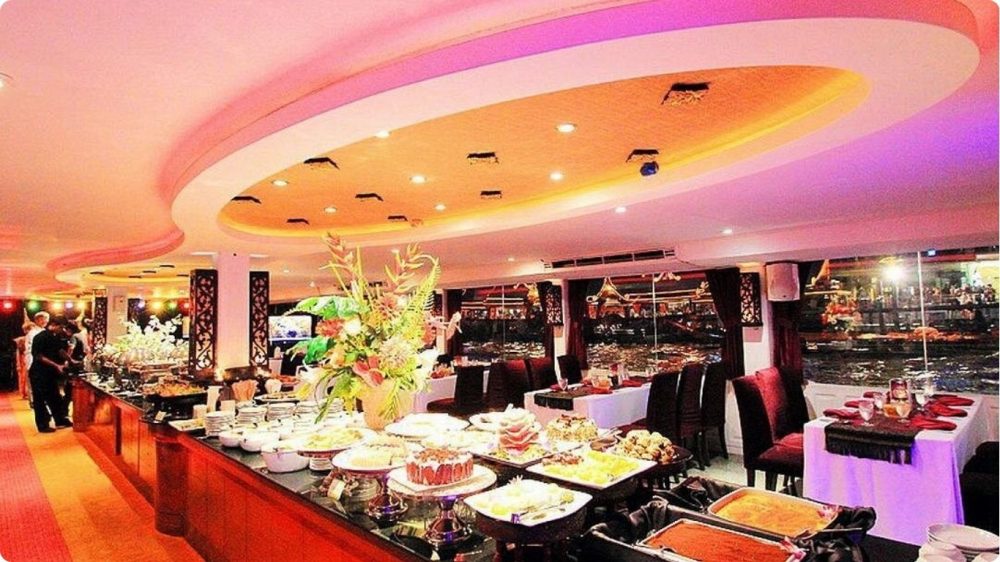
Cruises win on sheer range and convenience. You can grab pizza after a show, sit down for a long meal, or snack all afternoon. The best ships deliver impressive dining, but the overall experience is still mass-scale. Peak times can mean crowds, and some of the most special meals may cost extra.
Resorts can be hit or miss depending on the property, but they can feel more intimate. High-end resorts often deliver truly memorable dining, and you’re also in a destination where you can leave the property and eat like a local. If food is a main event for you, resorts in strong culinary regions can be a dream.
A smart way to choose: if you want food to be effortless and always available, cruise. If you want food to be part of exploring a place, resort.
Families, couples, and groups: who each option fits
For families, cruises can be a planning lifesaver. Many ships are built like floating family playgrounds with kids clubs, water features, and activities that keep different ages happy. Parents get built-in entertainment, and teens get a little independence in a contained environment.
Resorts can be equally great for families, especially properties with strong kids programming and easy beach or pool access. The big advantage is downtime. You can keep naps and early bedtimes without feeling like you’re missing the ship’s main event.
For couples, it depends on what romance means to you. Cruises can be glamorous and fun, with shows, sunset decks, and a sense of occasion. Resorts can be more private and unhurried, with spa days, quiet dinners, and fewer announcements interrupting the mood.
For groups, cruises often simplify everything: everyone’s together, there’s something for every personality, and you don’t need a complex spreadsheet to coordinate dinners. Resorts work beautifully for groups too, but you’ll want to think through room locations, meal plans, and how much everyone intends to leave the property.
Motion, crowds, and “vacation comfort”
The honest downsides matter.
If you’re sensitive to motion sickness, cruising can be uncomfortable, especially on smaller ships or rougher routes. Many travelers do fine, but it’s worth considering if you know you’re prone to nausea.
Crowds are another reality. Ships are designed to move a lot of people efficiently, but you’ll feel it at buffets, pools, and during embarkation and disembarkation. Resorts can be crowded too, yet the space often feels more spread out, and you can escape to off-property beaches, towns, or nature.
Also consider your comfort with being “on” socially. Cruises can be lively and communal. Resorts can be social, but solitude is usually easier to find.
When a cruise is the better choice
Cruising tends to be the right answer when you want variety without constant logistics. It’s a strong pick for first-time international travelers nervous about transportation, for families who want non-stop activities, and for anyone who loves the idea of waking up to a new view every morning.
It’s also a smart way to sample regions. If you’ve never been to the Caribbean or the Mediterranean, a cruise can help you figure out which island or coastal city deserves a longer return trip.
When a resort is the better choice
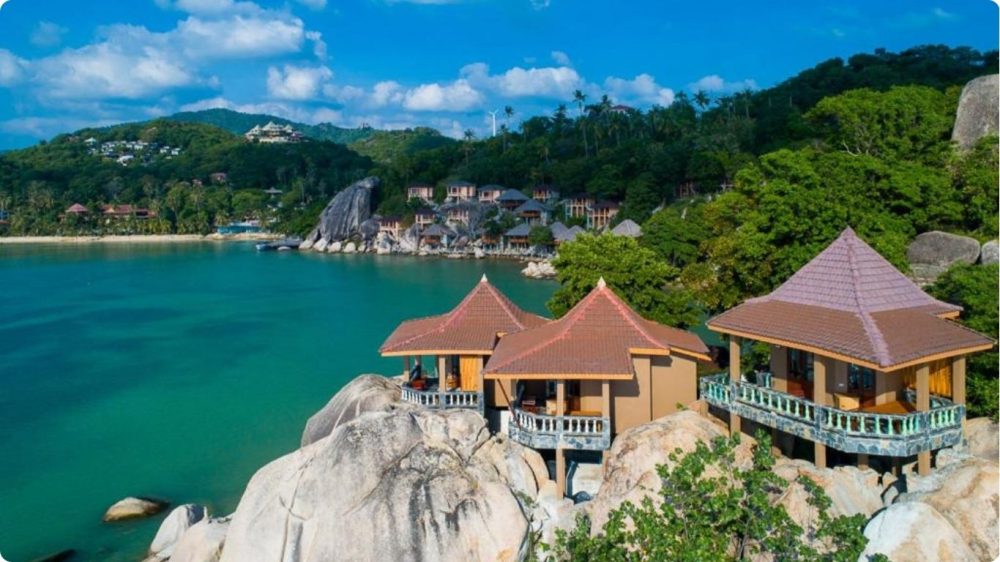
Resorts are often better when the destination itself is the point. If you’re dreaming of one perfect beach, one epic national park, or one culture-rich city with nearby day trips, staying put gives you time to sink in.
Resorts also win when rest is the priority. If you’re coming off a stressful season and want your nervous system to finally unclench, a resort stay with minimal transitions can feel like the reset you actually need.
The fastest way to decide in 5 minutes
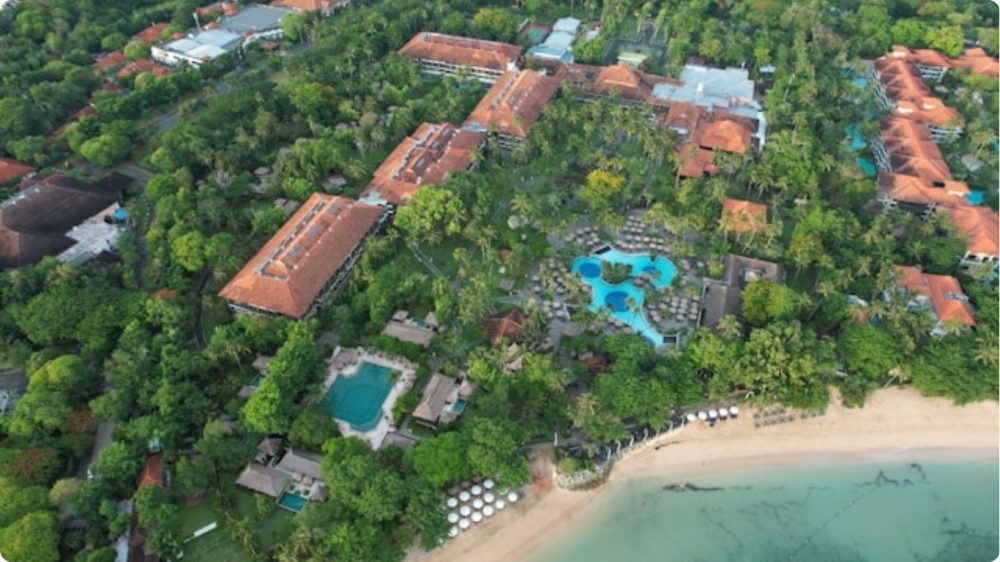
Ask yourself three questions.
First: do you want a fixed home base or a moving one? If packing once sounds like heaven, cruise. If staying grounded sounds calmer, resort.
Second: what’s your tolerance for schedules? If you like structure and built-in options, cruise. If you want complete control of your days, resort.
Third: what are you buying – entertainment or atmosphere? Ships sell entertainment and variety. Resorts sell atmosphere and ease.
If you want more planning-friendly comparisons like this, you’ll find plenty of decision-support travel guides at TravelInnTour.com.
A closing thought
The best choice isn’t the “better” vacation – it’s the one that matches how you want to feel at 9 a.m. and at 9 p.m. Pick the trip that fits your rhythm, and the destination will take care of the wonder.
Save it On Pinterest






Leave a Comment