
You know the moment: you step onto the sand, look out at the water…and realize it is either a gentle, glassy lagoon or a churning washing machine. If you are planning a trip where swimming is the main event (not just a quick photo op), choosing the right beach is everything.
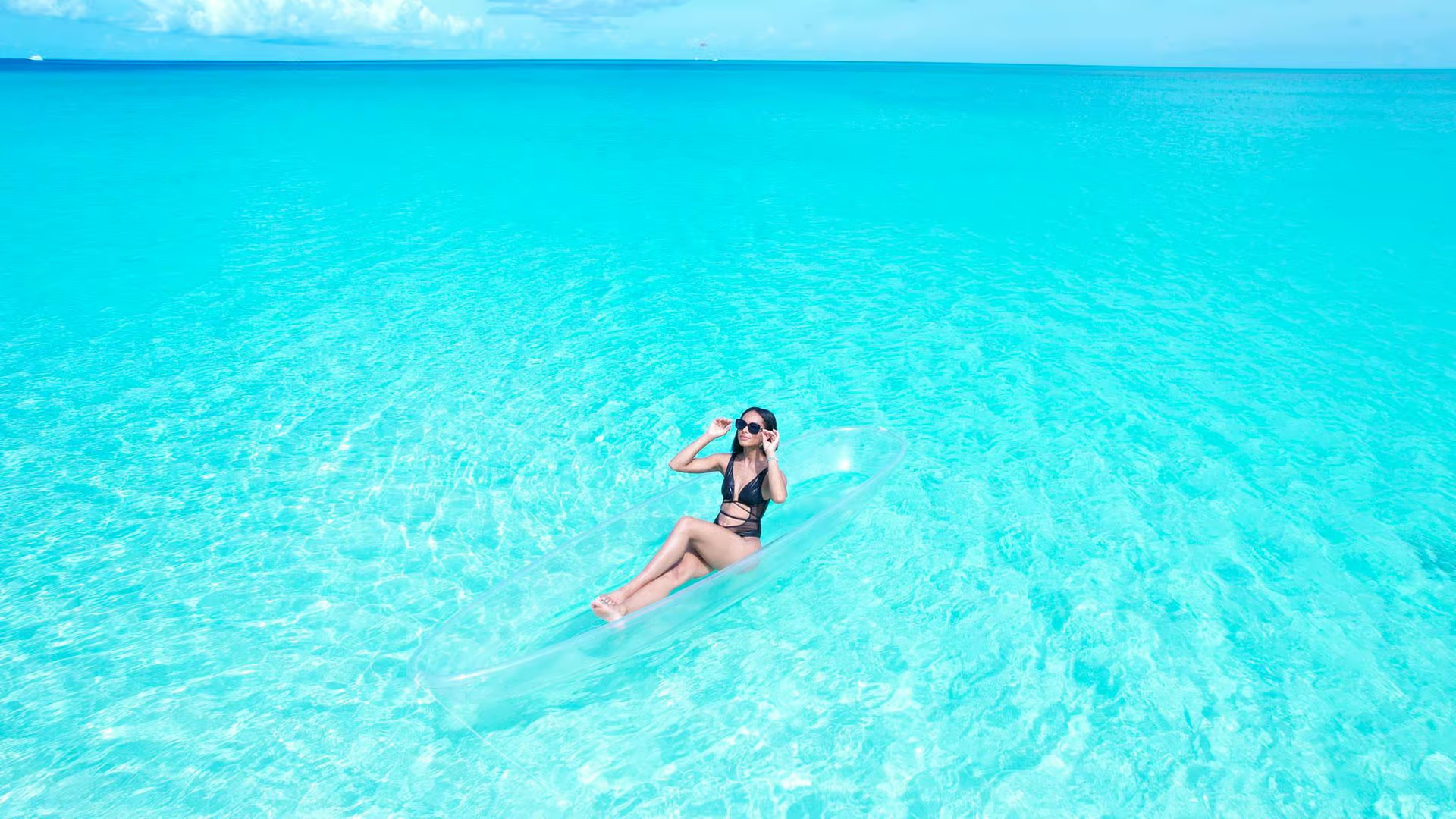
This guide is built for decision-making. Instead of only naming pretty coastlines, we are focusing on what actually makes a beach great for swimmers: calm conditions, clean entry, visibility, safety, and the kind of shoreline where you can spend three hours in the water and still want to go back after lunch.
What makes a beach truly swim-friendly?
Not every “beautiful” beach is a great swim beach. The best beaches for swimming usually share a few traits, and knowing them can save you from booking the wrong island or the wrong side of it.
Calm water beats big surf (most of the time)
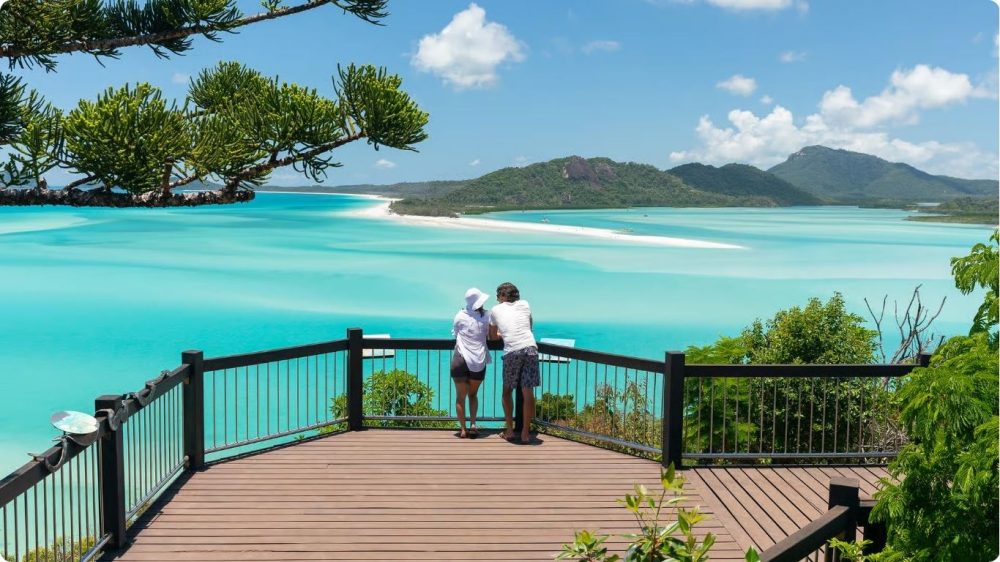
If your goal is floating, snorkeling close to shore, or letting kids play safely, look for bays, coves, lagoons, and reef-protected coastlines. Open-ocean beaches can be stunning, but strong waves and rip currents change the whole experience.
Easy entry matters more than you think
A sandy, gradual entry is the difference between a relaxing swim and an awkward scramble over rocks and coral. Some of the clearest beaches are also the trickiest underfoot, so water shoes can be a smart compromise.
Clarity and color depend on location and season
Turquoise does not always mean clear, and clear does not always mean calm. Wind, tides, and even nearby rivers affect visibility. The same beach can look totally different in a windy month versus a calm one.
Safety is not just lifeguards
Lifeguards help, but so does choosing a beach with predictable conditions, clear signage, and an area known for swimming. If jellyfish seasons, sea urchins, or boat traffic are common, that is a planning factor, not a surprise.
12 best beaches for swimming (and why each one works)
These picks span regions and travel styles – from quick US getaways to dream trips you plan once and remember forever.
1) Grace Bay, Turks and Caicos
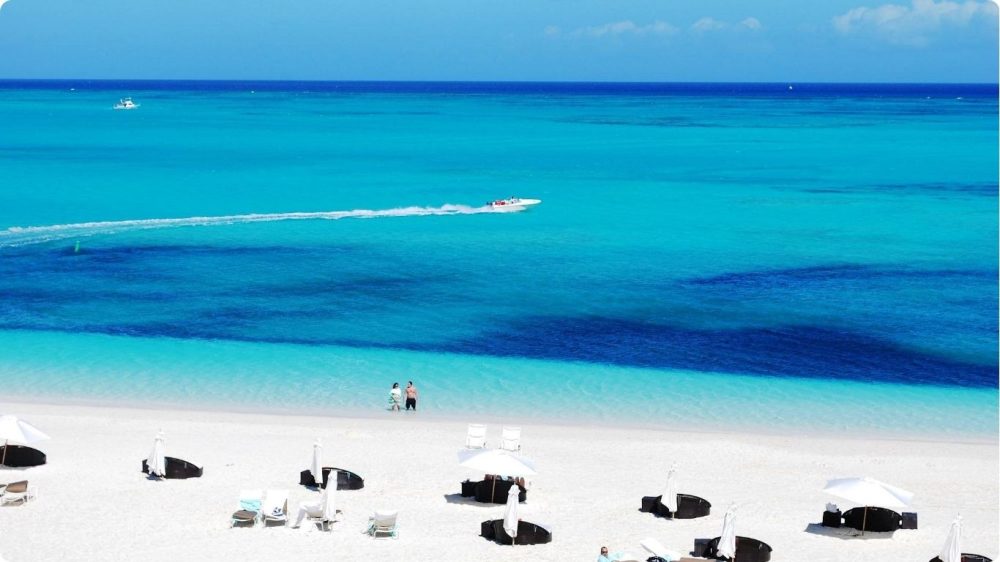
Grace Bay is the kind of beach that makes you feel like you upgraded your life in a single afternoon. The water is famously calm and clear thanks to the barrier reef, and the entry is friendly for long, lazy swims.

Trade-off: it is not a secret, and peak season prices can reflect that. If you are traveling as a couple or family and want effortless swim time with minimal hassle, it is hard to beat.
2) Ka’anapali Beach, Maui, Hawaii
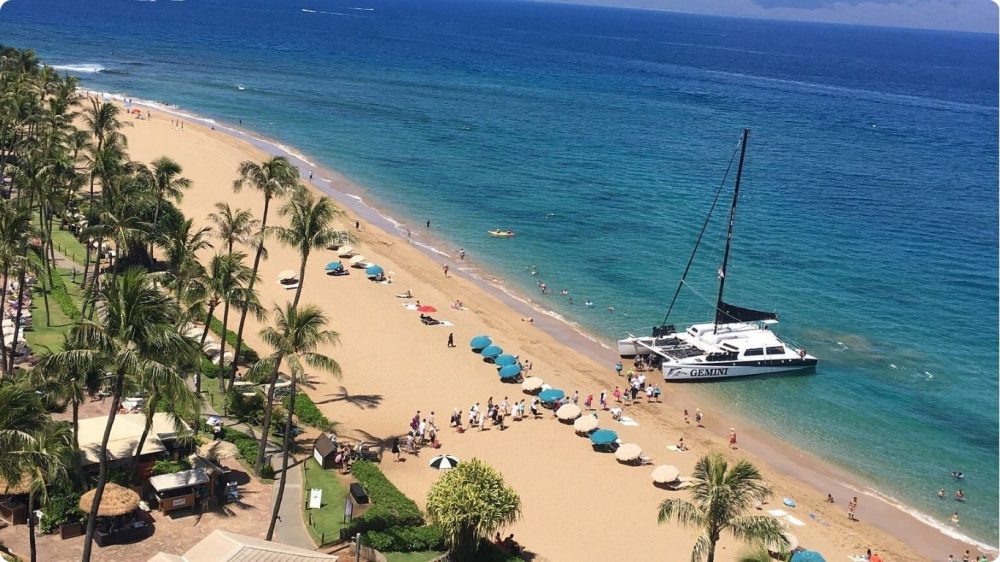
Ka’anapali gives you that classic Hawaii color with a shoreline that works for actual swimming, not just wave watching. Conditions vary by day, but this stretch is well set up for visitors, and the vibe is energetic without feeling chaotic.
Trade-off: Hawaii’s ocean is powerful, and even “swimmable” beaches can change fast. If you see warning signs or rough surf, respect it and pivot to a calmer cove.
3) Poipu Beach Park, Kauai, Hawaii
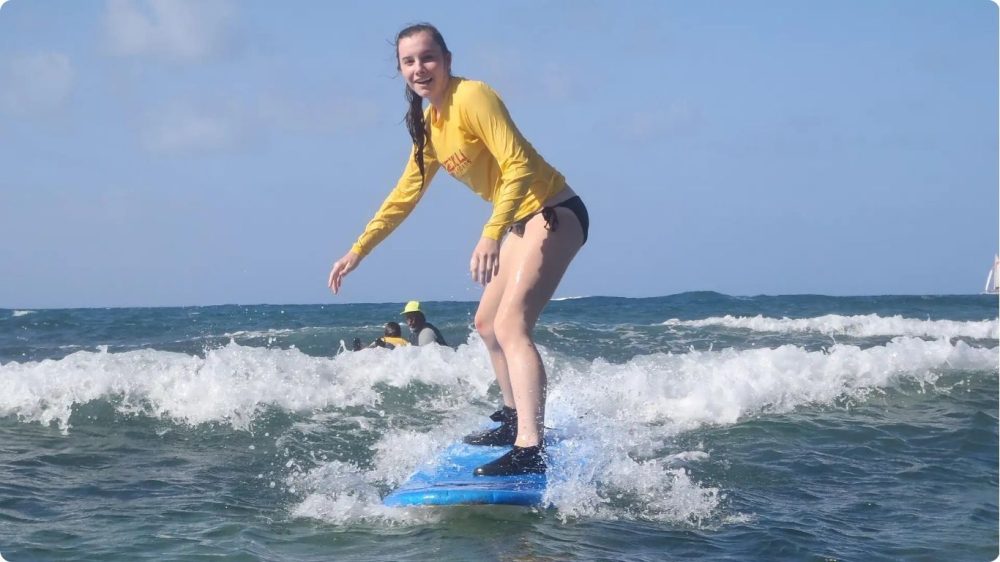
Poipu is a favorite for a reason: a protected area that often feels like a natural pool, plus enough variety nearby for stronger swimmers. Families love the generally gentler water in the most sheltered spots.
Trade-off: like much of Hawaii, winter can bring bigger surf. You might get perfect swim days, or you might need to time your trip for calmer months.
4) Siesta Key Beach, Florida
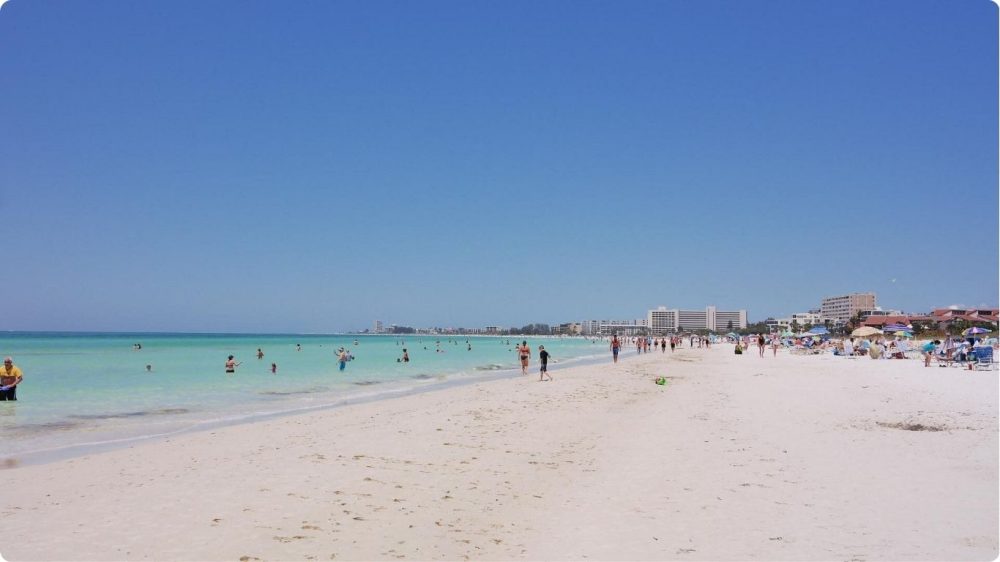
If your ideal swim day includes warm Gulf water and sand that feels almost unreal under your feet, Siesta Key delivers. The Gulf side is typically calmer than Florida’s Atlantic beaches, which is a big deal for casual swimmers.

Trade-off: “calmer” is not the same as “always calm,” especially with weather shifts. For the best experience, check local conditions and pick mornings when winds are lower.
5) Clearwater Beach, Florida
Clearwater is built for travelers who want swimming plus an easy, organized vacation. The water is often gentle, the beach is wide, and the whole area is designed around maximizing your time on the coast.
Trade-off: it is popular, especially on weekends and school breaks. If crowds drain your joy, go early in the day or aim for shoulder season.
6) Hanalei Bay, Kauai, Hawaii
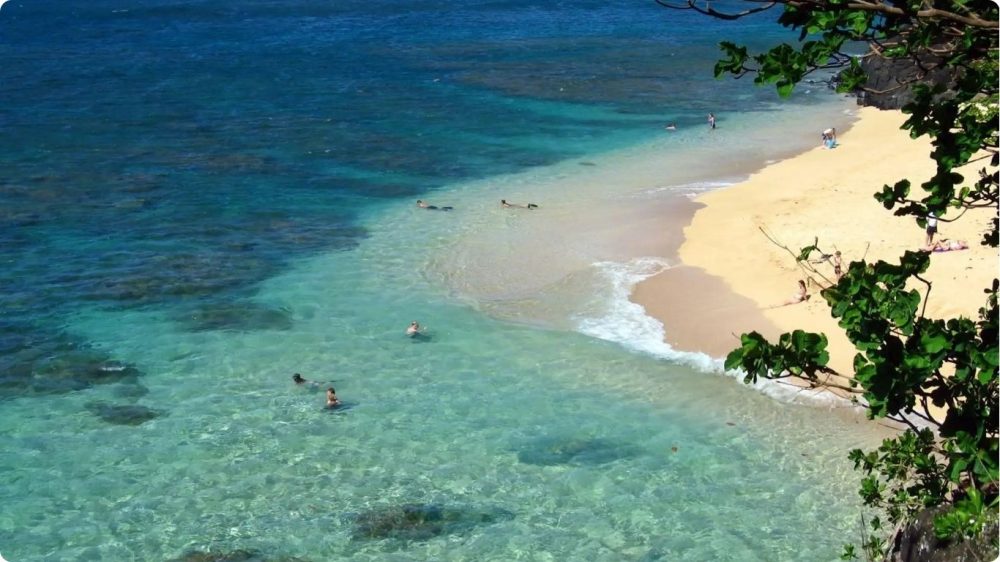
Hanalei Bay is pure magic when it is calm: a long crescent of sand and a mountain backdrop that feels almost fairytale. In summer, it can be excellent for swimming and floating.
Trade-off: winter surf can be intense here. If you travel in colder months, you may end up enjoying the views more than the water.
7) Horseshoe Bay, Bermuda
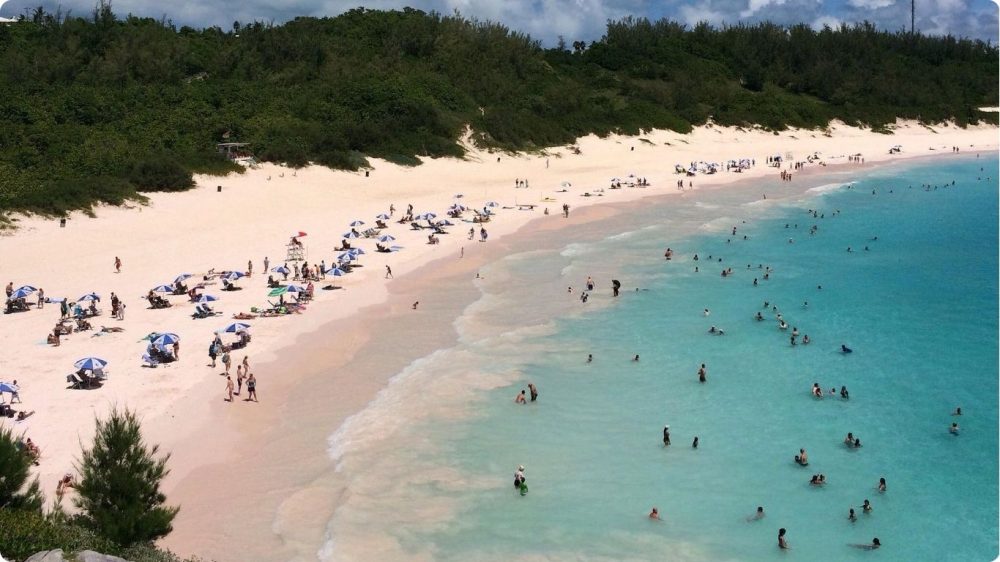
Horseshoe Bay is famous, yes – but it is also genuinely fun for swimmers. The pink sand is the headline, but the water can be surprisingly inviting, with areas that feel manageable for a wide range of comfort levels.
Trade-off: it can get busy, and some days bring more wave action. If you want quieter swimming, consider timing or exploring nearby coves while still using Horseshoe as your anchor stop.
8) Playa Norte, Isla Mujeres, Mexico
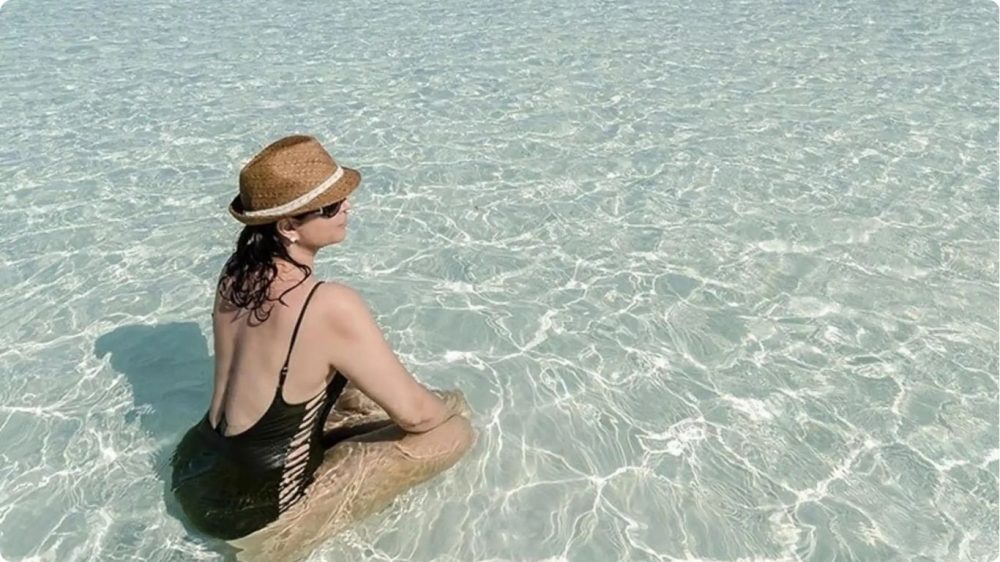
Just off Cancun, Isla Mujeres offers a different rhythm, and Playa Norte is the star for swimmers. The water is shallow and calm for a long stretch, which makes it perfect for wading, floating, and stress-free swimming.
Trade-off: the shallow water is the appeal, but strong swimmers looking for deep-water workouts may find it more “hangout” than “lap.” Great for groups with mixed swim confidence.
9) Seven Mile Beach, Grand Cayman
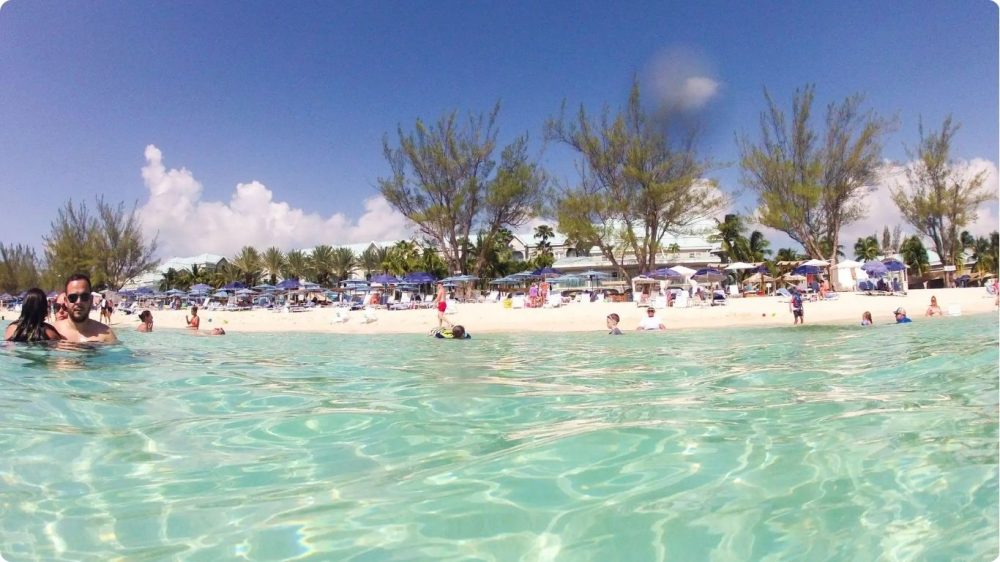
Seven Mile Beach is a classic for clear water and easy entry. You can swim comfortably, then switch to snorkeling, paddleboarding, or just drifting near shore with that postcard-blue view.
Trade-off: it is developed, which is either convenient or not your style. If you want remote and wild, this is not it. If you want smooth logistics and reliable swimming, it shines.
10) Cala Comte, Ibiza, Spain
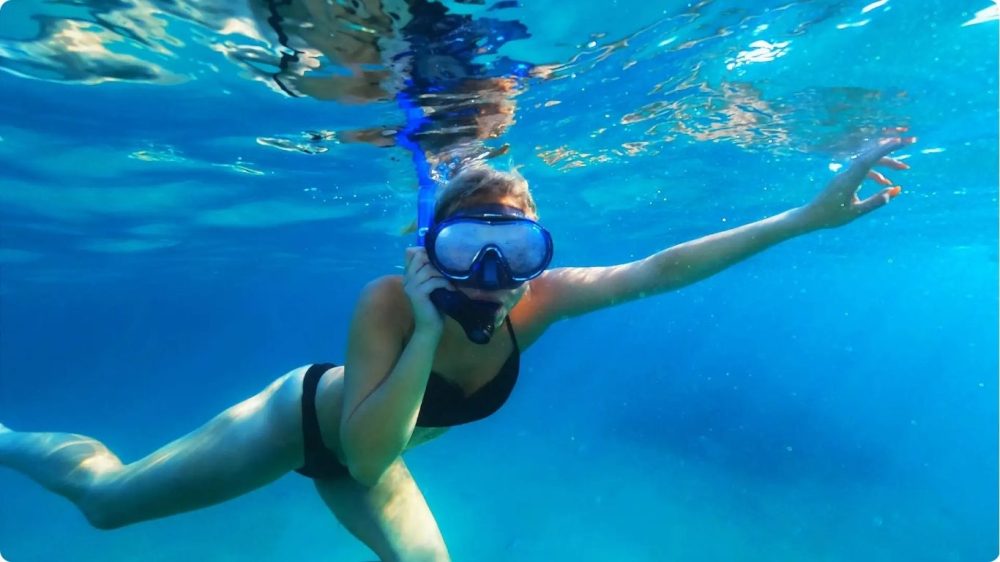
Ibiza has a party reputation, but Cala Comte is about the water. It is known for clarity and color, and the cove-style setting can make swimming feel protected compared with open beaches.
Trade-off: Europe’s best beach days often come with crowds in summer. If you want space and calm, visit early or travel in late spring or early fall.
11) Elafonissi Beach, Crete, Greece
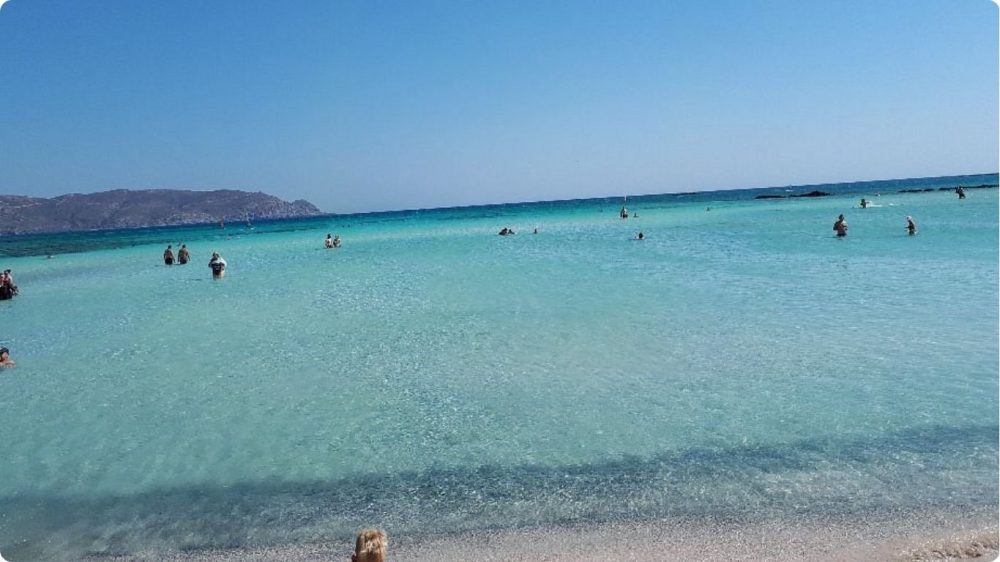
Elafonissi is a dream for waders and casual swimmers: shallow, warm-feeling water in many areas and a surreal palette of pale sand and bright sea tones. It is the kind of place where you lose track of time.
Trade-off: shallow water can mean long walks to reach depth. For families, that is a win. For swimmers who want to get moving, pair it with another beach day on Crete with deeper water.
12) Whitehaven Beach, Whitsunday Island, Australia
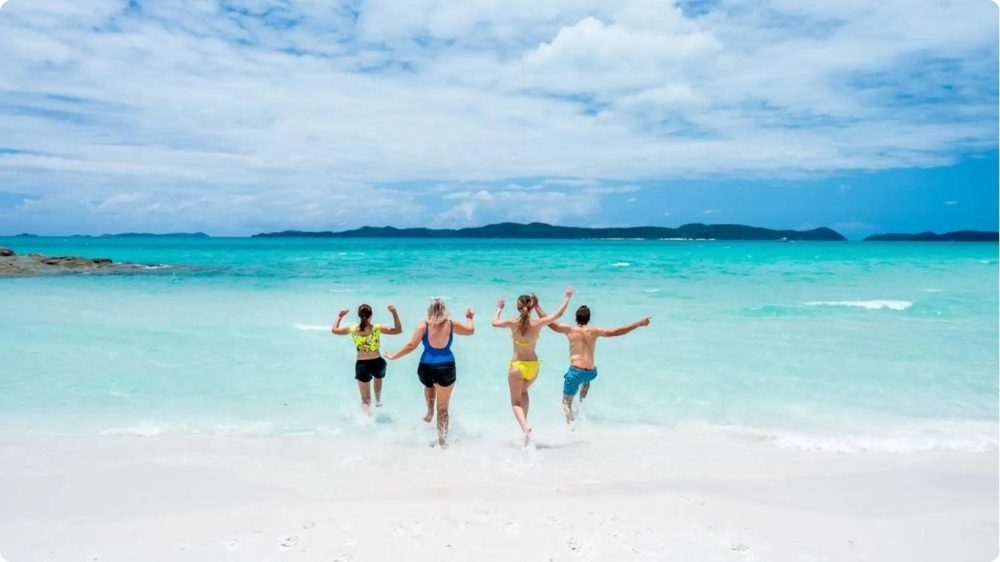
If “once-in-a-lifetime swim day” is on your list, Whitehaven belongs on it. The sand is brilliantly white, the water is inviting, and the overall scene feels like you stepped into a travel screensaver.
Trade-off: it requires more planning to reach, and conditions can vary with tides and seasons. Also, parts of northern Australia have seasonal marine stingers, so timing and local guidance matter.
How to choose the right swim beach for your trip
A beach can be “the best” online and still be wrong for you. Use these filters and you will narrow your options fast.
If you are traveling with kids
Prioritize reef-protected or bay beaches with gradual entry and calmer water. Shallow stretches like Playa Norte can be ideal because kids can play without immediately dealing with depth.
If you want crystal-clear snorkeling right off the sand
Look for beaches known for visibility and nearby reefs, but plan for footwear if coral or rock is common. Clear water and soft sand do not always come together.
If you are a confident ocean swimmer
You can handle more variety, but you still want predictable access points and a beach culture that supports swimming (signage, common swim zones, and fewer surprise currents). Sometimes the best choice is not the most dramatic beach, but the most consistent.
If your schedule is tight
Choose destinations with easy logistics and lots of beach infrastructure, like Florida’s Gulf Coast or resort-friendly islands. When you have only two beach days, reliability is the luxury.
Simple planning tips that make swim days better
Even the best beaches for swimming can be ruined by small oversights. A few smart moves keep your day effortless.
Check wind and surf the night before, not just the weekly forecast. Wind is the stealth factor that turns clear water cloudy and calm water choppy.
Pack for comfort in the water, not just on the sand. A rash guard can save you from sun fatigue, and water shoes can turn a rocky entry into a non-issue.
If you are traveling internationally, build one “flex day” into your plan. That way, if your chosen beach has a rough day, you can swap to a sheltered option instead of forcing it. If you want more destination-by-destination planning help, TravelInnTour.com is built for exactly that kind of quick, confidence-boosting decision support.
The best swim beach is the one that matches your trip – your season, your comfort level, and the kind of day you want to have in the water. Choose for conditions first, aesthetics second, and you will end up with the kind of beach memories that feel like they lasted longer than the vacation itself.
Save It On Pinterest






Leave a Comment