
Rome can humble an over planned trip fast. One late start, one long line at the Colosseum, one extra plate of cacio e pepe at lunch, and your carefully mapped day suddenly falls apart. That is exactly why a smart Rome plan matters more than an ambitious one.
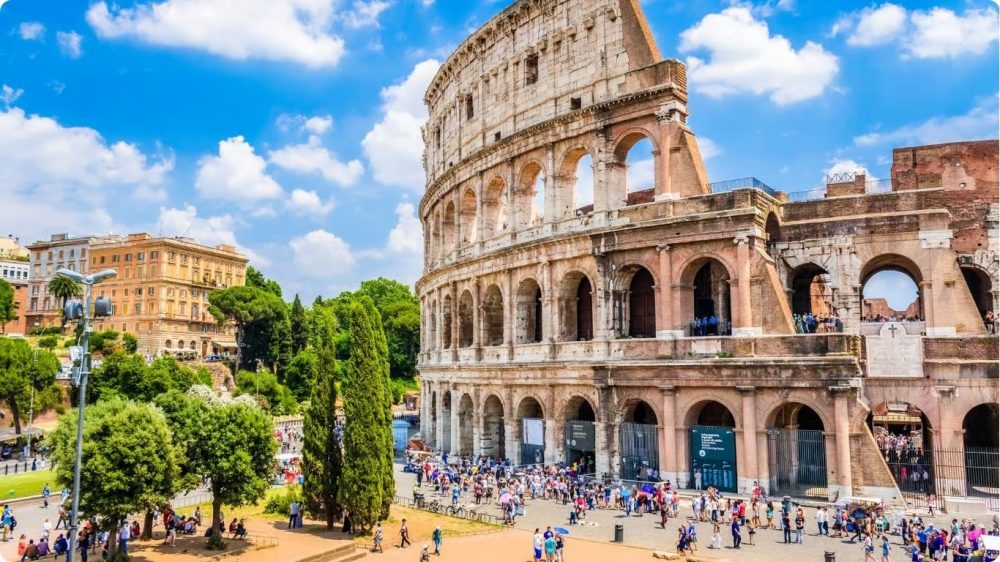
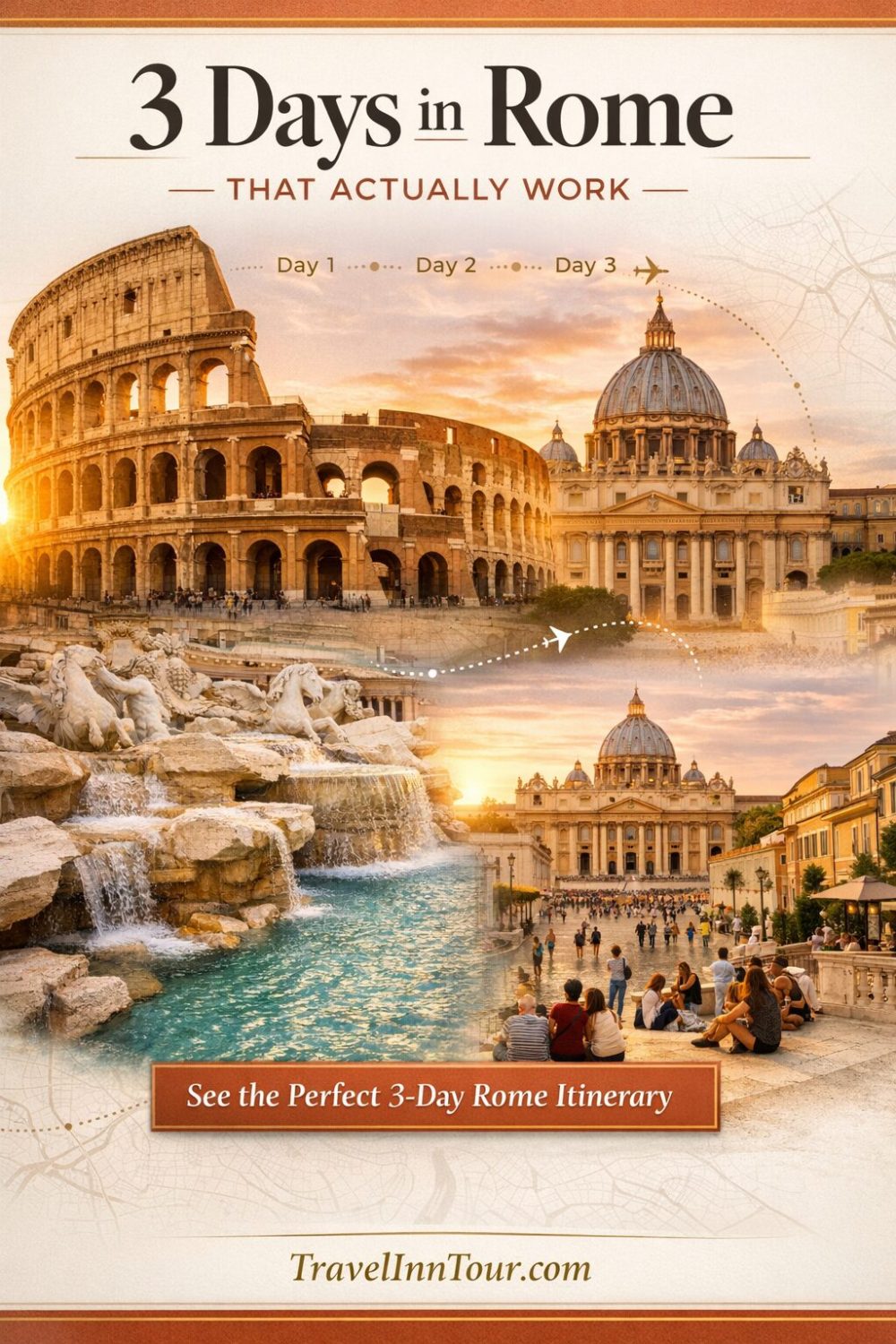
This three day Rome itinerary example is built for travelers who want the classics, a few unforgettable neighborhood moments, and enough breathing room to actually enjoy the city. You will still see ancient icons, Vatican treasures, and postcard-worthy piazzas. But you will not spend three days racing from one monument to the next like you are trying to win a travel contest.
How to use this three day Rome itinerary example
Think of this plan as a strong default, not a rigid script. If it is your first trip to Rome, this route gives you the best balance of history, atmosphere, and logistics. If you have been before, you can swap out one major site for more time in Trastevere, a food tour, or a slower afternoon in a piazza.
Where you stay matters. If possible, base yourself in Centro Storico, Monti, Trastevere, or near the Pantheon. Those neighborhoods keep you close to major sights and make it easier to walk home after dinner instead of dealing with extra transit. Rome is a city that rewards wandering, so a central hotel often saves more time than a cheaper room far out.
Book timed-entry tickets in advance for the Colosseum and Vatican Museums. This is not the place to wing it, especially in spring, summer, and around holidays. A good plan in Rome is not about filling every hour. It is about protecting your time from lines.
Day 1 – Ancient Rome and Monti
Start with the Colosseum early. Even travelers who think it might be overrated usually feel a jolt when they first see it in person. It is bigger, more textured, and more cinematic than photos suggest. Morning is your best friend here, both for cooler temperatures and a better chance of avoiding the thickest crowds.
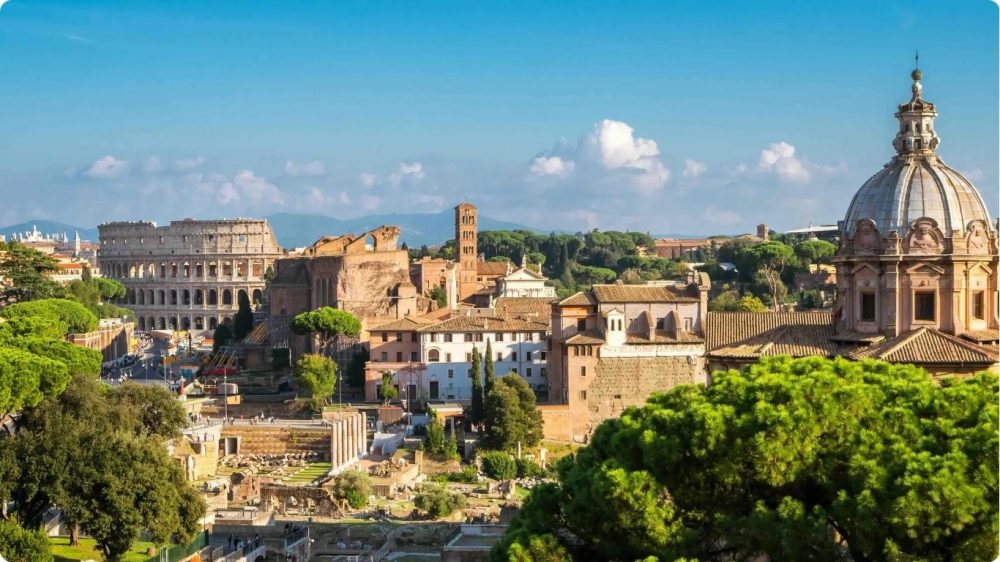
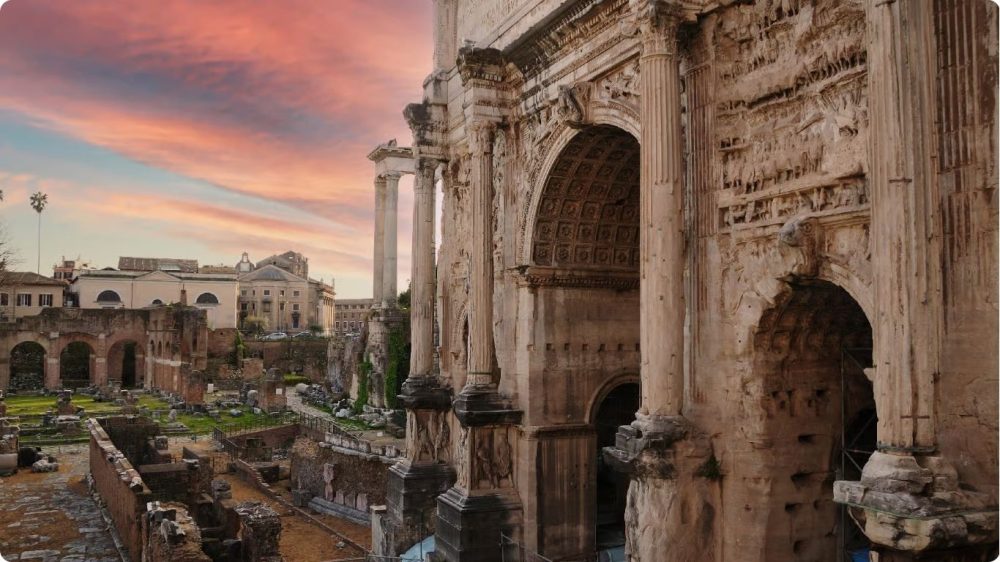
From the Colosseum, continue into the Roman Forum and Palatine Hill. This is where Rome starts to feel less like a city break and more like walking through the skeleton of an empire. Give yourself time here. The Forum is not a quick photo stop. It is a place where the details matter – broken columns, old roads, and viewpoints that suddenly make the scale of ancient Rome feel real.

If you are traveling with kids or anyone who gets museum fatigue, this part of the day may be your limit for heavy history. That is fine. Rome works best when you mix major sights with simple pleasures.
For lunch, head toward Monti. This neighborhood has style without feeling too polished, and it is a great place to reset after a monument-heavy morning. Pick a relaxed trattoria, order something Roman, and give yourself permission to sit longer than planned. In Rome, lunch is not dead time. It is part of the experience.
In the afternoon, walk to Piazza Venezia and continue up to Capitoline Hill if you still have energy. The views over the Forum are excellent, and the area helps connect the ancient city to the Rome you see today. If you would rather go slower, skip another interior visit and just walk.
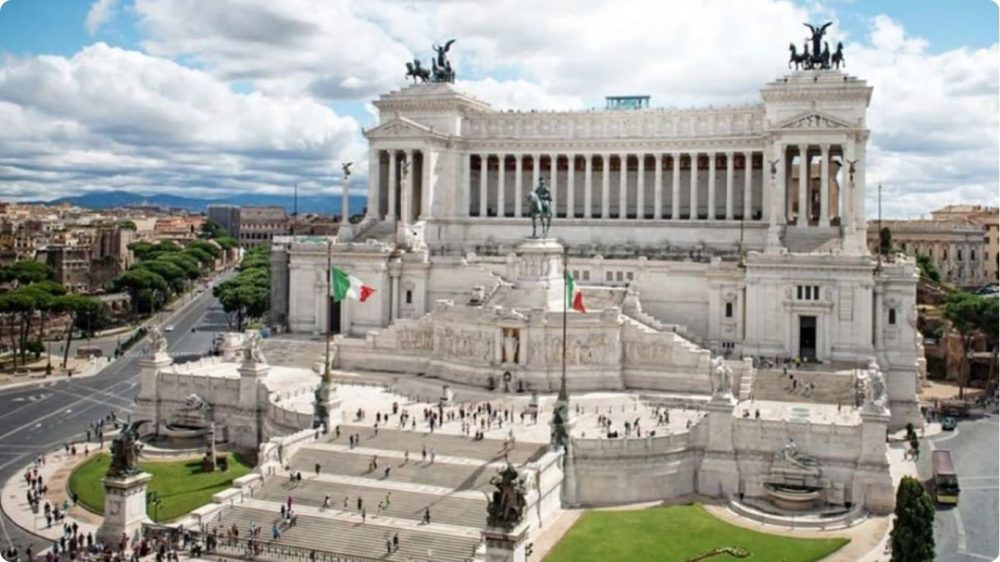
As evening arrives, stay in Monti for dinner or wander toward the Colosseum again after dark. The monument is especially striking at night, when the crowds thin and the lighting gives it a completely different mood. This is a good first-night move because it feels big and memorable without requiring another reservation.
Day 2 – Vatican City and the historic center
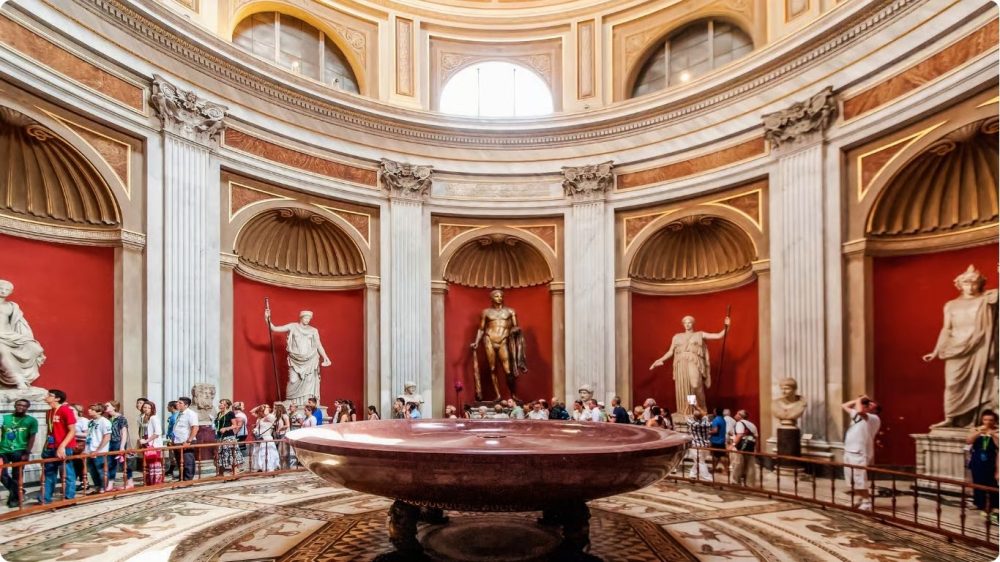
Day two is your Vatican day, and this is where an early start really pays off. The Vatican Museums can be exhilarating, overwhelming, and exhausting, often in that order. Go as early as you can manage. You are here for world-class art, yes, but you are also here to avoid turning a beautiful morning into a slow-moving crowd exercise.

Move through the museums with a little discipline. You do not need to stop in every gallery to feel the impact of the collection. Save your energy for the Sistine Chapel and St. Peter’s Basilica. If you try to absorb everything, you may end up remembering very little.
St. Peter’s Basilica deserves real time. Even travelers who are not especially religious tend to be stunned by the scale, light, and craftsmanship inside. If climbing the dome appeals to you, do it only if you are comfortable with stairs and heat. The views are fantastic, but it is not essential for everyone. This is one of those moments where it depends on your travel style. Some people want the viewpoint. Others would rather save their energy for more wandering later.
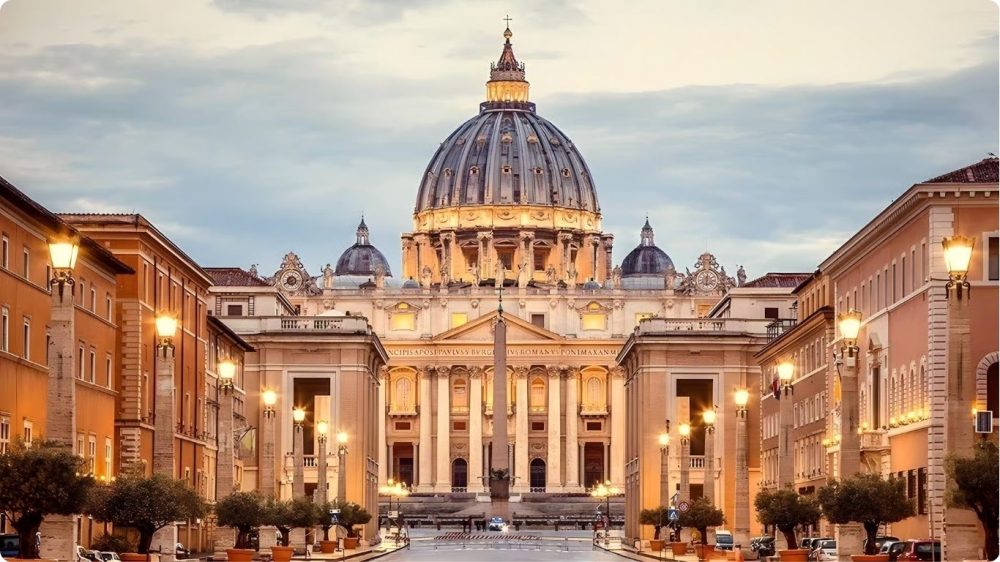
After the Vatican, cross the Tiber and ease into the historic center. This is a good moment for lunch, coffee, or gelato rather than another major attraction. Campo de’ Fiori, Piazza Navona, and the streets around the Pantheon make an ideal afternoon route because they let Rome shift gears. The city stops feeling like a checklist and starts feeling like a living stage set.
The Pantheon is one of the great reminders that Rome does not need to shout to impress you. It simply stands there, nearly two thousand years old, still doing its job. Spend time in the square outside too. Sometimes the best part is not rushing off the second you step back outdoors.
As the afternoon drifts into evening, make your way to the Trevi Fountain and then the Spanish Steps. Yes, both are busy. Yes, they are worth seeing anyway. The trick is managing expectations. You are not looking for solitude here. You are looking for atmosphere, sparkle, and that unmistakable Rome energy.
Dinner in the historic center can be convenient but more touristy, so choose carefully. If you want a more local-feeling evening, head to Trastevere afterward. The neighborhood glows at night, and even a simple walk there can become one of the most memorable parts of the trip.
Day 3 – Trastevere, a scenic finale, and room to choose
Your third day should feel different. By now you have seen the headline attractions, so this is your chance to enjoy Rome with a little more freedom.
Start in Trastevere. Come in the morning before it gets crowded and before the evening restaurant scene takes over. The cobblestone lanes, shutters, vines, and quiet corners give the neighborhood its charm. Visit Basilica di Santa Maria in Trastevere, then just keep walking. Rome often gives its best moments to travelers who leave space for them.
From Trastevere, climb or taxi up to Gianicolo Hill. The view over the city is a strong payoff, especially on a first trip. You will see domes, rooftops, and layers of Rome stretching out in every direction. It is the kind of view that helps the whole trip click into place.
For lunch, stay relaxed. This is a good day for a long meal or a market stop rather than another rush between reservations. If your trip has felt fast, let today correct that.
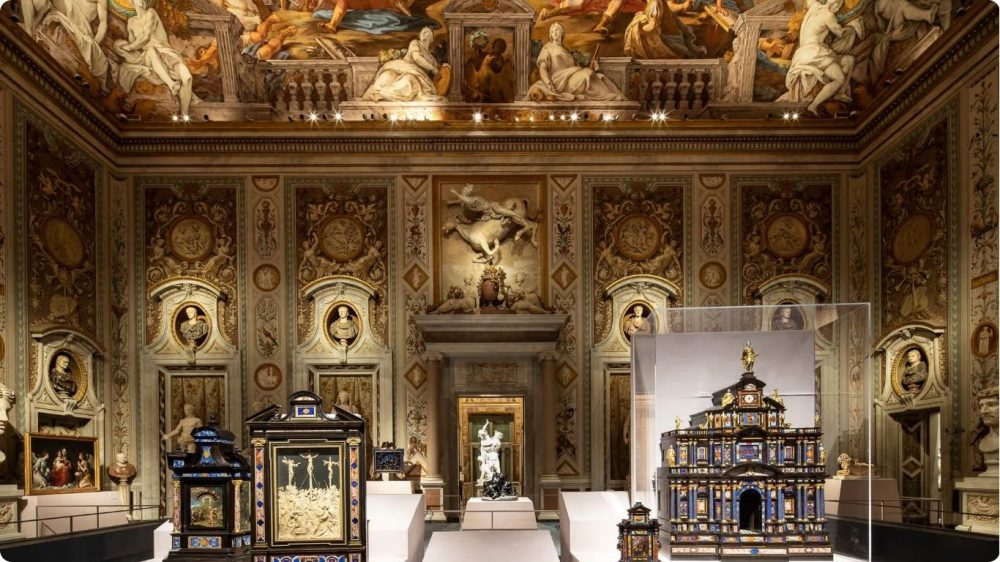
In the afternoon, choose your version of Rome. “Anyone craving more art should head to the Galleria Borghese, but only with an advance booking. If you would rather be outdoors, spend time in Villa Borghese and walk down toward Piazza del Popolo. If shopping and street life sound better, use this window for Via del Corso and nearby side streets. This is where a three day Rome itinerary example should be honest: there is no single perfect final afternoon. The right choice depends on whether you want culture, green space, or easygoing city energy.
If you are traveling as a couple, the Pincian Terrace near sunset is hard to beat. If you are with family, Villa Borghese may be the easier win because everyone gets space to breathe. For anyone wandering alone, a final slow walk through the historic center can feel surprisingly cinematic.
For your last dinner, choose somewhere that feels celebratory but not stressful. Trastevere works well, and so does a quieter street near the Pantheon or Campo de’ Fiori. This is the night to order dessert, say yes to another glass of wine, and let Rome leave a strong final impression.
A few practical tips for 3 days in Rome
Rome looks compact on a map, but days can stretch longer than expected because of crowds, heat, and the stop-and-stare factor. Wear comfortable shoes and assume you will walk more than planned. Keep a refillable water bottle with you because Rome’s public fountains are a gift, especially in warmer months.
Try not to schedule every meal too tightly around attractions. Some of the best food moments happen when you simply sit down because a place looks inviting. At the same time, if there is one special restaurant you care about, reserve it. Rome rewards spontaneity, but it also rewards basic planning.
If your flight arrives late on day one or leaves early on day three, trim this itinerary without guilt. The best cuts are usually one major afternoon stop or a hilltop view, not the core anchors of the trip. Protect the Colosseum, the Vatican, and time to wander. Those three elements do most of the heavy lifting.
A great Rome trip is not the one where you cram in every church, ruin, and museum. It is the one where the city has time to surprise you between the big sights, and you head home already plotting your return.
Save it on Pinterest





Leave a Comment