
Just follow this practical guide on best activities in Goa, you’ll pack each day in Goa with offbeat experiences, reliable travel tips and clear itineraries for the best places to visit beyond beaches. You’ll discover homestays, quiet islands, river routes and local eateries that rank among top destinations for cultural immersion. Use these suggestions to plan your daily schedule, prioritize things to do, and travel with confidence to sites locals love.
Understanding Goa’s Unique Appeal
Types of Tourists in Goa
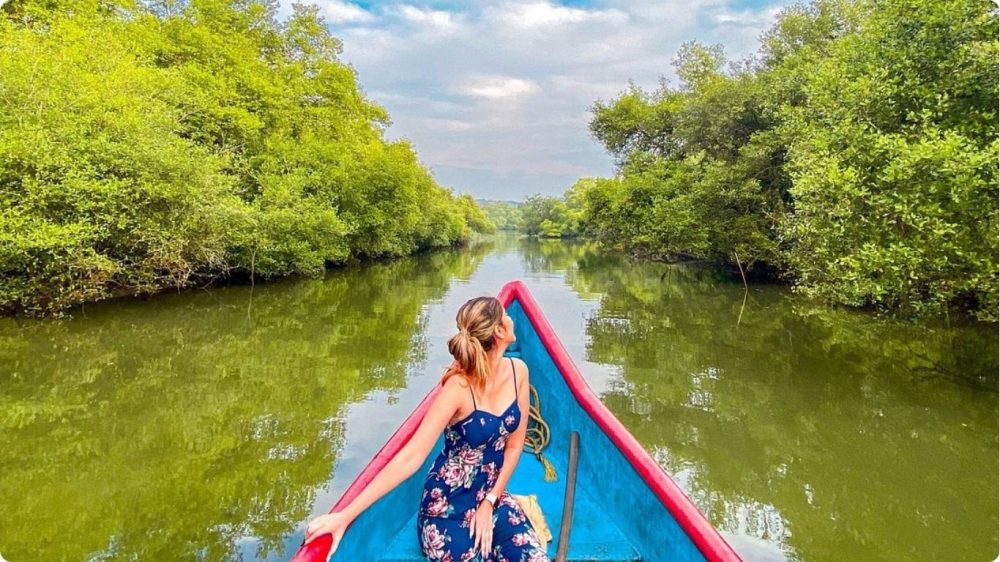
You’ll meet a mix of visitors: beach-party crowds in December-January, monsoon explorers who relish July rains, birdwatchers drawn to Chorao and mangrove islands, cultural travellers seeking homestays like Cancio’s House, and slow island-hoppers who prefer ferries and misty meadows over the shorelines.
| Beach-party tourists | Seek nightlife, shacks and peak-season scenes (Dec-Jan); often based in North Goa beaches. |
| Monsoon explorers | Visit June-Sept for lush rice paddies, dramatic backwaters, and quieter trails. |
| Birdwatchers & nature lovers | Head to Chorao, mangrove islands and Mayem Lake for migratory species and kingfishers. |
| Cultural & slow-travel seekers | Prefer homestays, ancestral Portuguese houses and local festivals like Sao Joao. |
| Food and heritage hunters | Track down traditional bakeries (Jose Carlos D’Silva), neighborhood restos and MOG Sundays. |
- Pick your season based on activities-festivals in June, craft markets in winter.
- Rent a bike to reach interior hamlets and hidden bakeries; typical rates are INR 300-500/day.
- After you decide your priority (nature, culture, beaches), plan routes that minimise backtracking.
Factors to Consider When Planning Your Visit
You should time your trip: peak travel is Nov-Feb, monsoon runs June-Sept with verdant landscapes but intermittent ferries, and shoulder months (Oct, Mar) balance weather and crowds; also factor in homestay availability, bike rental costs, and festival dates like Sao Joao in late June.
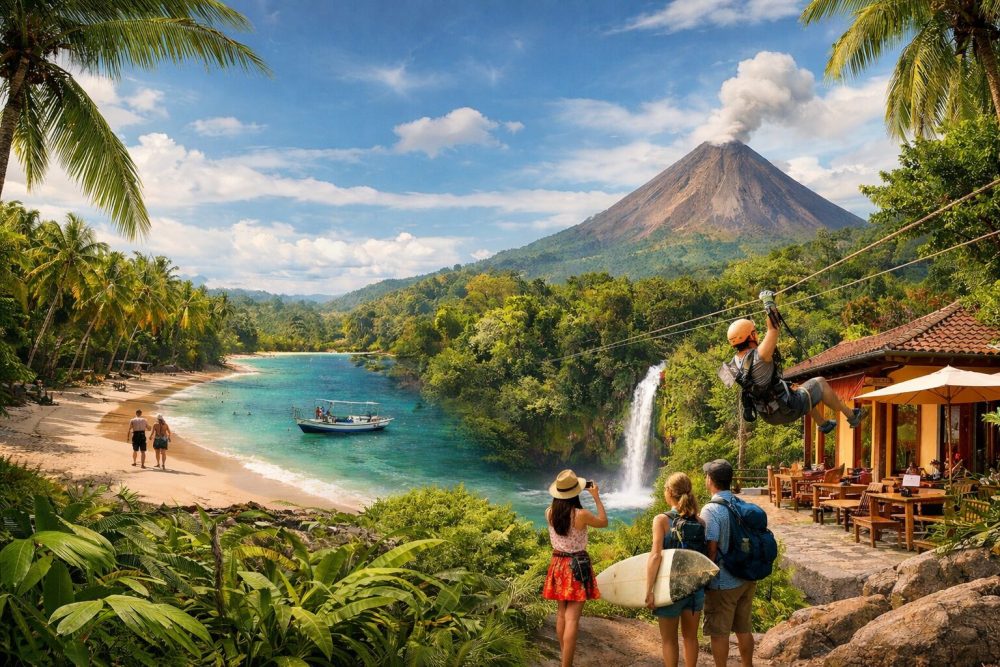
- Account for transport: many interior islands need multiple ferries or charters (Lady M charters for backwaters).
- Book homestays well ahead for Nov-Feb and during local festivals to get authentic stays like Cancio’s House.
- Thou pack waterproof layers and small-denomination cash for village eateries and ferry fares.
You’ll want practical details: ferries between Pomburpa and Chorao run throughout daylight hours but may be less frequent in rain, and some island lanes are narrow-so a lightweight bike is preferable; plan 1-2 days for island-hopping, allow mornings for baker visits (traditional bakeries often start early), and schedule MOG on a Sunday if you want local events.
- Check local ferry times on arrival-schedules can change with tides and monsoon conditions.
- Carry ID copies and confirm homestay arrival windows with hosts to avoid late-night transport issues.
- Thou inform hosts if you plan island day-trips so they can advise on safe routes and boat contacts.
Pros and Cons of Visiting Goa
You’ll enjoy unique advantages-mangrove backwaters, homestays in ancestral houses, vibrant village festivals and birding-while weighing downsides such as seasonal crowding in winter, occasional monsoon transport disruptions, and the uneven authenticity of some tourist-facing beach offerings.Pros and Cons
| Pros: Diverse landscapes (beaches, backwaters, hills) | Cons: Crowds and higher prices in Dec-Jan |
| Pros: Rich local culture and festivals (Sao Joao, MOG events) | Cons: Limited public transport to interior islands |
| Pros: Offbeat homestays and Portuguese houses (Cancio’s House) | Cons: Some roads and lanes are rough for inexperienced riders |
| Pros: Excellent birdwatching and mangrove ecology (Chorao) | Cons: Monsoon can limit boat services and hikes |
| Pros: Authentic neighborhood eateries and traditional bakeries | Cons: Language and signage gaps in remote villages |
| Pros: Short distances make day trips feasible | Cons: Peak-season accommodation books out quickly |
Weighing these points helps you plan: choose seasonally (birding outside peak party months), prioritise authentic food walks in interior villages, and accept occasional delays during monsoon; if you value solitude, aim for weekday visits to islands and early mornings to beat crowds and catch bakery ovens at work.Pros and Cons

| Pros: Quiet offbeat experiences (island meadows, mist-laden mornings) | Cons: Fewer amenities on tiny islands and hamlets |
| Pros: Easy access to unique activities (speedboat backwaters, paddle-boat at Mayem) | Cons: Activity operators may be seasonal or weather-dependent |
| Pros: Friendly local hosts and immersive homestays | Cons: Advance booking often required for quality homestays |
| Pros: Strong nature and photography opportunities | Cons: Some spots are best left un-geotagged to protect them |
| Pros: Compact state-you can mix inland and coastal days easily | Cons: Rental vehicle and fuel costs add up if you plan wide-ranging drives |
Best Activities for Adventure Seekers
If you want adrenaline and offbeat exploration, mix water sports, hikes and island-hopping into your Goa days; I spent months chasing hidden experiences on a bike in a blue poncho-ferrying to mangrove‑lined islands and misty meadows-and you can do the same. For additional offbeat ideas, consult 75 Unique Things to Do in Goa You Don’t Want to Miss and pick the activities that fit your pace.
Water Sports: An Overview
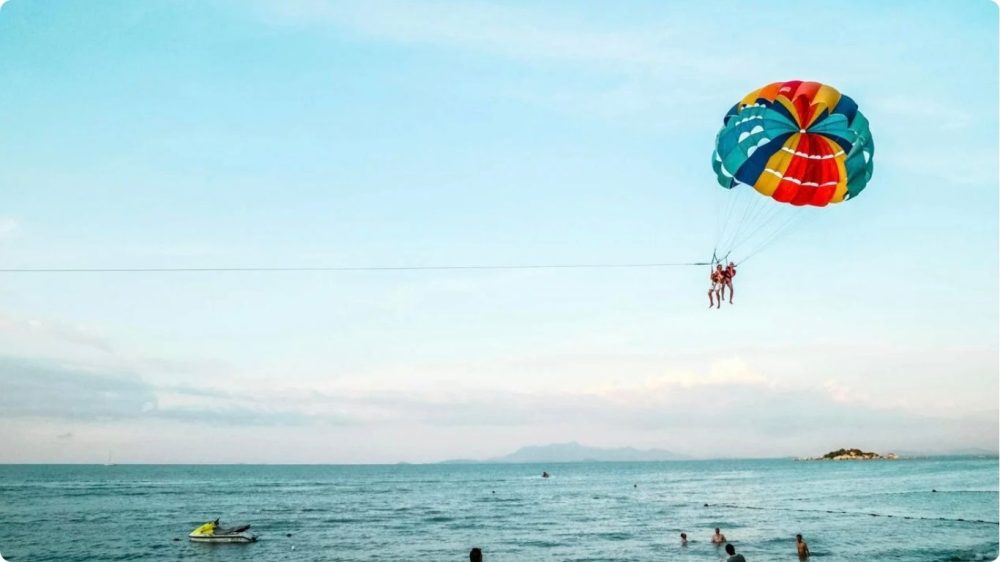
You can switch from serene kayaking through mangroves to high-octane jet‑skiing or parasailing in a single day; Grande Island and the riverine backwaters both offer snorkel and dive options plus speedboat charters like Lady M for backwater runs. Operators usually list prices and safety gear, so choose licensed providers, book peak‑season slots in advance, and plan early‑morning sessions to avoid crowds and strong afternoon winds.
Hiking and Nature Trails
You’ll find varied treks from easy village walks to steep forest trails-Corjuem Fort and the Chorao hilltop offer quiet vantage points, while the Dudhsagar approaches reward you with waterfall views and old railway tracks that cut through the Western Ghats. Wear sturdy shoes, start before midday, and consider a local guide for lesser‑known interior trails.

For more detailed trail planning, expect slippery paths in monsoon, luminous rice paddies after rain, and misty island meadows that make early starts worth it; pack a lightweight raincoat (my blue poncho saved more than once), water, insect repellent and a portable charger, and aim for weekday hikes to maximize solitude and birdwatching opportunities.
Exploring Goa’s Wildlife Sanctuaries
You can spot peacocks, eagles, kingfishers and even gaur across sanctuaries like Bhagwan Mahavir, Cotigao and Bondla, with Chorao’s Salim Ali Bird Sanctuary perfect for dawn birdwatching. Opt for guided safaris or boat trips in mangrove areas to increase sightings; mornings and late afternoons are the most active wildlife windows.
Practical tips: check entry fees and timings, hire a local naturalist for identification, and combine sanctuary visits with nearby homestays to experience susagade village life-ferries and short drives often link the best birding sites to offbeat islands where you’ll encounter old Portuguese homes and near‑empty meadows.
Cultural Experiences to Immerse Yourself In
You can probe Goa’s layered past and living traditions beyond the beaches: wander Old Goa’s 16th-century churches, sit in a Museum of Goa talk, or stay with a family in a 500-year-old ancestral house to eat home-cooked xacuti. Practical travel tips: time visits for early mornings or MOG Sundays, carry a rain jacket in monsoon, and ask locals about offbeat village festivals and ferry timetables to reach hidden islands and bird-rich mangroves.
Visit Historical Landmarks and Churches
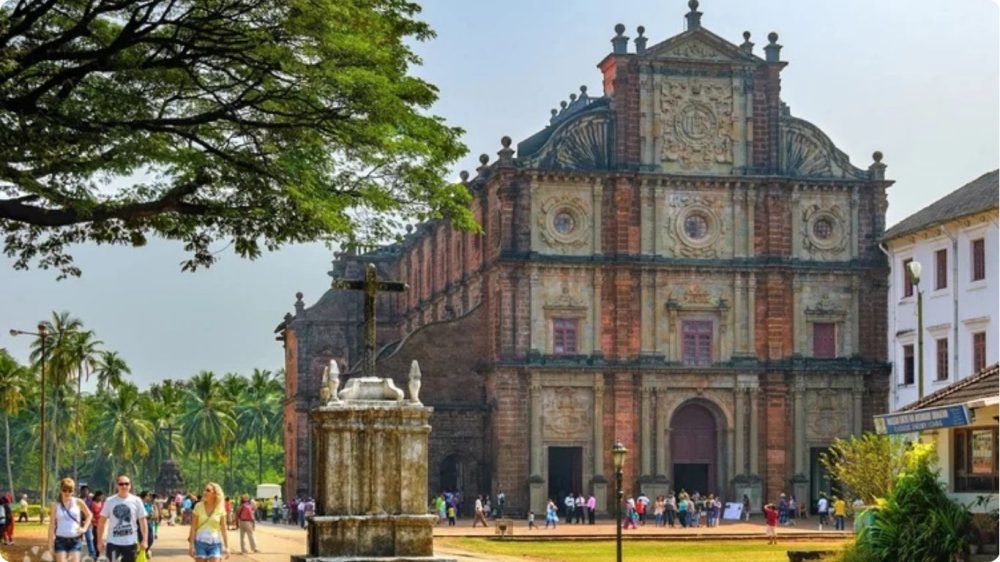
You should visit Old Goa’s UNESCO-era churches-Basilica of Bom Jesus (St. Francis Xavier’s relics) and Se Cathedral-and Panjim’s Church of Our Lady of the Immaculate Conception for baroque architecture. Venture to Corjuem Fort for solitude and vistas, and hike Chorao’s hill for the Christ the King legend. Aim for weekday mornings to avoid crowds, and pair sites with a local guide to unlock stories that don’t appear in standard guidebooks.
Engage in Traditional Goan Festivals

You can time your trip for vibrant local festivals: Carnival in February brings parades and samba-style floats, Shigmo showcases folk dance in March, and Sao Joao in late June has villagers leaping into wells in jubilation. Festivals are the best places to visit to experience Goan music, brass bands and feni-fueled merriment. Wear lightweight clothes, carry a small umbrella in monsoon, and seek village hosts to join authentic celebrations.
For Sao Joao specifically, go to village hubs like Aldona or Saligao during late June when monsoon rains make the wells central to the ritual; newly married men dive for gifts and everyone sings, dances and exchanges toddy. If you want to join, ask a host family first, follow local dress norms (shorts and quick-dry shirts work), and expect communal feasting-this festival is an intimate, hands-on way to see Goan susagade life.
Discover Goan Cuisine: Cooking Classes and Food Tours
You should book a cooking class or market-led food tour to learn authentic recipes-fish xacuti, prawn balchao, sannas and bebinca-often hosted in homestays or by chefs like Fernando. Visit Mapusa market early for spices, kokum and fresh coconut, then cook with a family to learn techniques and stories behind each dish. These classes are among the top things to do in Goa if you want culinary insight beyond beach menus.
Most hands-on classes last 2-4 hours and include a market walk; expect prices from INR 1,000-3,000 depending on inclusions. Practical tips: tell your host about allergies, bring a small notebook for recipes, and sample poi and kakon at a village bakery afterward-Jose Carlos D’Silva’s traditional bakery in Aldona is a living example of Goan bread-making passed down for decades.
Beach Activities: More Than Just Sunbathing
You can stretch a beach day into a full itinerary: sunrise yoga, a snorkeling session, an afternoon market stroll and a sunset fish curry. Anjuna’s Wednesday market and Arambol’s Sunday gatherings pair well with water-sport mornings, while dolphin trips from Sinquerim and Candolim leave at dawn. Bring your swim gear, book early-morning slots to avoid crowds, and slot quieter beaches into late afternoons so your schedule balances activity with the island’s slower, susagade pace.
Top Beaches for Relaxation
For quiet days, pick Agonda (a roughly 3 km crescent ideal for long walks), Palolem with its calm bay and palm-fringed homestays, or Morjim where you can watch Olive Ridley turtles at nesting season. You’ll find boutique guesthouses and family-run cafes that close early; reserve a seaside table and plan gentle activities like birdwatching or reading-these beaches are the best places to visit when you need true downtime away from the party strip.
Best Beaches for Water Activities
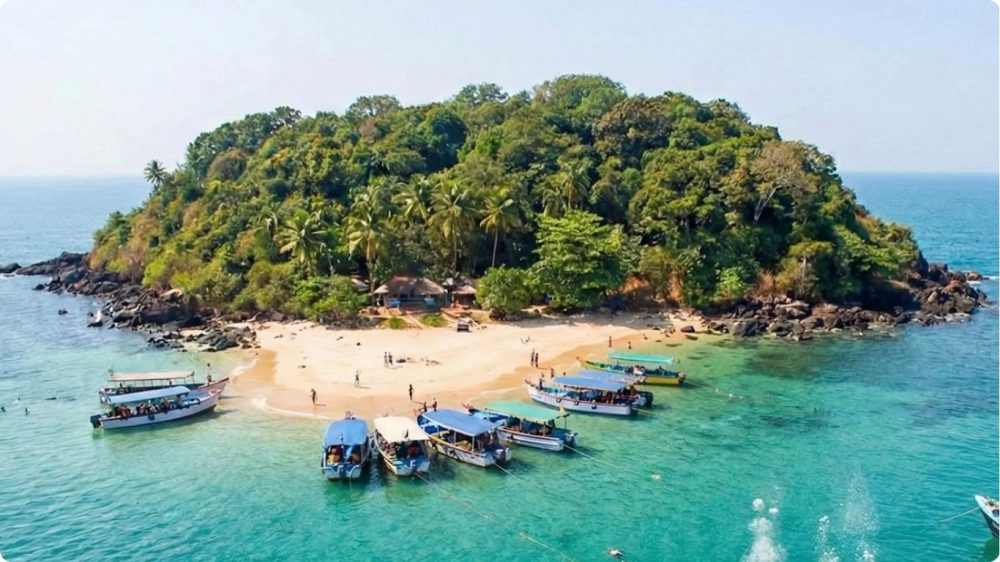
Baga, Calangute and Candolim are hubs for jet-skiing, parasailing, banana boats and surfing lessons; operators run early-morning and late-afternoon slots to dodge the heat. If you want certified scuba or reef snorkeling, book a boat to Grande Island (Ilha Grande) from Vasco or Panaji-trips typically take 15-30 minutes and cater to beginners through advanced divers.
When you book, check operator credentials and group size: introductory scuba sessions often include a brief classroom and a shallow 10-12 m dive, while surf schools offer 1-2 hour lessons with foam boards for beginners. Expect activity prices roughly in the INR 300-3,500 range depending on duration and gear; haggle on the beach but choose safety over the lowest quote.
Hidden Coves and Secluded Spots
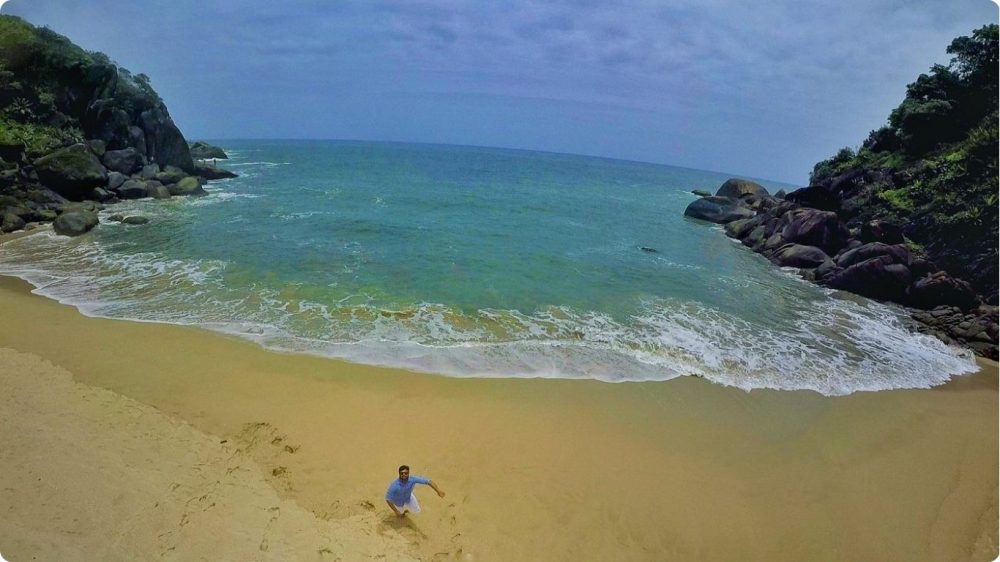
Seek out Butterfly Beach (reachable by boat from Palolem or a 30-40 minute hike), Honeymoon Beach near Agonda and the small coves around Cabo de Rama for solitary swims and dramatic cliffs. These spots have minimal facilities, so you’ll often be the only person on the sand-perfect for reflecting, snorkeling in clear pockets of water, or scouting sea-bird flocks that drop in at dusk.
Plan logistics carefully: ferry or boat rides to interior islands like Chorao reveal mangroves and misty meadows, while a dirt-track bike ride across rice paddies can lead to an unmarked cove. Carry water, reef-safe sunscreen, and a charged phone; respect locals’ privacy, avoid geotagging sensitive spots, and time your visit for early morning or late afternoon to match the islands’ slow rhythm.
Off the Beaten Path Experiences
Secret Islands and Lesser-Known Beaches
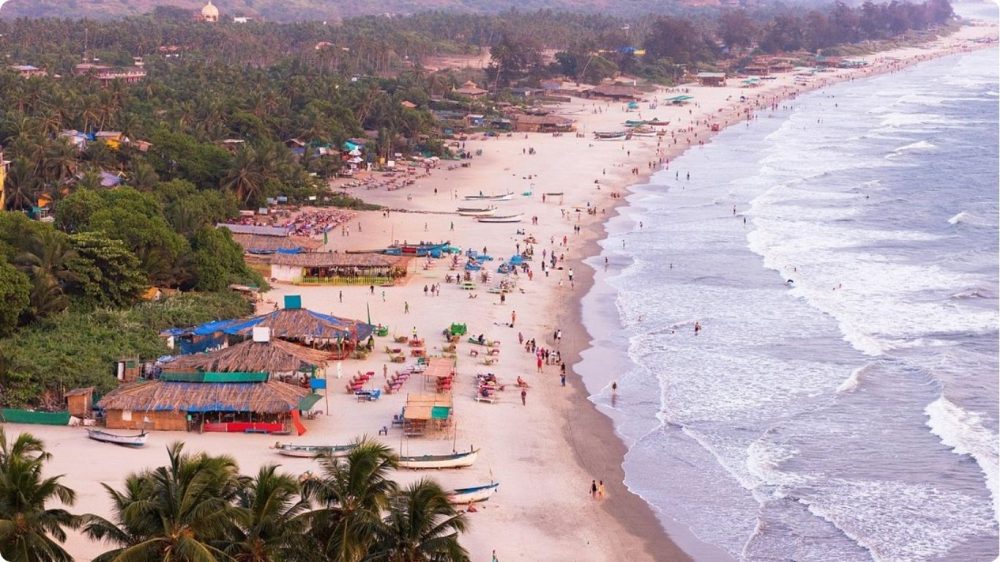
You can reach several tiny, mist-swept islands via multiple ferry rides from points like Pomburpa; on an empty ferry the driver may even ask why you’re headed there. These islands are cloaked in mangroves, dotted with old Portuguese houses and home to dense birdlife, offering mist-laden meadows and silent lanes far from crowded beaches-perfect for birdwatching, photography, and slow walks where you’ll likely meet more kingfishers than tourists.
Rural Goa: Exploring Villages and Local Life
Drive your bike past verdant rice paddies, abandoned railway tracks and sleepy hamlets to experience a susagade pace of life; villages like Aldona invite you into ancestral homes such as Cancio’s House, where Raquel’s cooking and family stories reveal everyday Goan rhythms. You’ll find neighborhood bakeries, siesta-filled afternoons and festivals like Sao Joao (late June) that let you participate in authentic village traditions rather than watch from the sidelines.
Spend mornings watching bakers pull poi from earthen ovens, afternoons chatting with locals on Chorao or in Aldona, and evenings drinking cashew feni with hosts who’ll show you lanes and rituals they’ve practised for generations. Staying with a Goan family gives you access to hidden routes, home-cooked recipes, and invitations to village celebrations-experiences well outside guidebook suggestions and ideal for travellers seeking genuine cultural immersion.
Unique Workshops and Artisan Experiences
You’ll find hands-on workshops at places like the Museum of Goa on Sundays and in village homes where locals teach traditional crafts; join a MOG talk, sit in a pottery demo, or learn Goan baking techniques from bakers who’ve kneaded poi for decades. These sessions mix practical travel tips with creative learning, helping you take home skills and stories rather than just photos.
Book a Sunday at MOG to catch rotating workshops led by Goan artists and entrepreneurs, or arrange a home session with hosts-Raquel at Cancio’s House often invites guests into the kitchen while Jose Carlos D’Silva’s bakery demonstrations show historic baking methods. These intimate, small-group experiences (often under 10 people) reveal local techniques, ingredient sourcing, and cultural context that elevate your visit from sightseeing to meaningful skill-sharing.
Wellness and Relaxation Options
Yoga Retreats and Wellness Centers
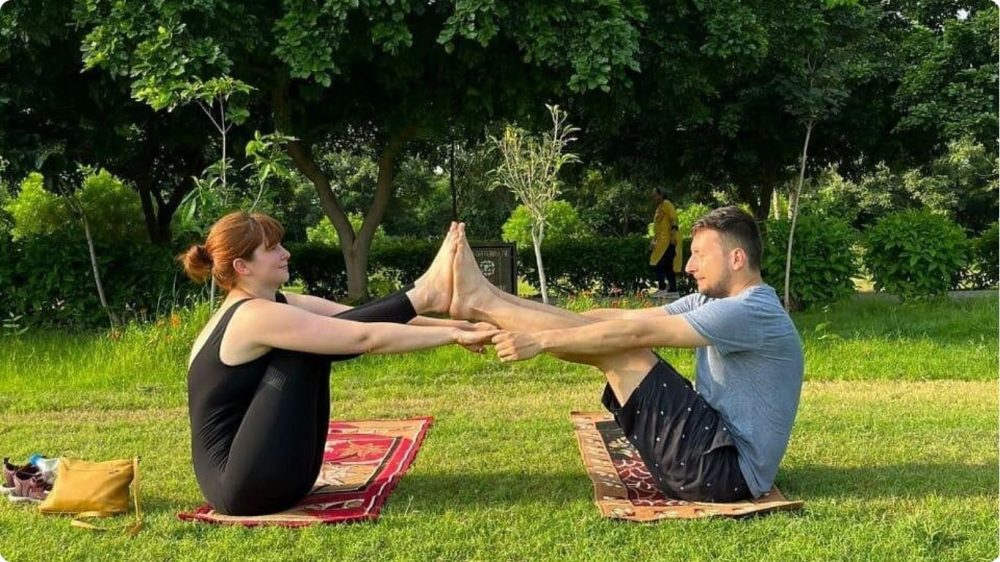
You can join everything from daily sunrise classes to immersive 200-hour teacher trainings at well-known hubs like Purple Valley in Assagao, or opt for intimate riverside sessions on Chorao’s mangrove fringes. Many retreats run short 3‑ to 7‑day packages that combine asanas, pranayama and local walks; classes typically start between 6-7am, perfect for catching misty monsoon mornings after a bike ride through rice paddies.
Spas and Traditional Ayurvedic Treatments
You’ll find clinics and resort spas offering classical Ayurvedic therapies-abhyanga, shirodhara and nasya-alongside modern treatments, with single sessions generally lasting 60-90 minutes. Several centres in North Goa tailor 7-21 day Panchakarma programmes that include daily therapies, a physician consultation and a therapeutic diet, ideal if you want a restorative reset away from the beaches.
Expect a standard Ayurvedic regimen to begin with a detailed consultation and pulse diagnosis, then progress to oil massages, steam, and detox procedures scheduled across the day. Prices and quality vary: small village clinics provide authentic, budget-friendly care while destination spas combine luxury, personalized nutrition plans and on-site yoga; book consultations in advance, especially during peak season and monsoon retreats.
Mindfulness and Meditation Workshops
You can attend one‑day mindfulness sessions or join 3-10 day silent retreats that teach breathwork, Vipassana-style awareness and guided body scans; many local teachers run intimate groups of 8-12 participants. Museum of Goa and boutique homestays sometimes host weekend workshops that pair meditation with creative talks-an excellent addition to your list of things to do off the beaten path.
Smaller workshops often include practical tools you can use on the road-walking meditations through mist‑laden meadows, short audio-guided practices for ferry rides, and evening reflections after island explorations. If you prefer outdoors, seek sessions held near backwaters or under the canopy on quieter islands, where ambient bird calls and mangrove silence amplify the practice.
Nightlife in Goa
Nightlife here flips between high-energy beach raves and mellow, late-night local hangouts; you can hop from Baga’s famous clubs to a floating casino on the Mandovi in one evening. Plan evenings around peak season (November-March) when venues stay open until 3-4am, and use travel tips like arriving before 11pm to skip long queues. Venture inland on monsoon nights and you’ll find intimate gigs, village festas and quiet rooftop bars where you can unwind after a day of offbeat exploration.
Beach Parties and Nightclubs
You’ll find iconic party hubs-Tito’s and Mambo’s in Baga, Club Cubana up in Arpora and lively cliffside sets in Vagator-plus weekly markets that spill music into the night. Many beach shacks host DJs from sundown to the small hours; aim for weekend peak season for the biggest crowds, or choose shoulder months for smaller, more local parties. Travel tips: carry ID for club entry and pre-book tables for groups of four or more.
Live Music Venues and Cultural Shows
Catch contemporary bands and acoustic nights in Panjim’s boutique hotels and cafés, and don’t miss Museum of Goa’s regular performances-MOG Sundays is a reliable spot for talks, local artists and music. You can also time your visit to village festas to hear mando and dulpod performed by local troupes. Check venue event calendars and Instagram pages a few days ahead to lock in shows and ticketed cultural nights.
For a deeper dive, plan at least one evening around MOG or a village festa: MOG hosts curated exhibitions, spoken-word sessions and music workshops that start around 6pm and often run into late evening, while village festas (especially church feasts and Sao Joao in late June) present traditional mando singers, brass bands and community dances-an authentic way to experience Goan culture. Use local contacts or your homestay hosts to discover off-calendar gigs; many of the best performances happen in small community halls or backyard stages that never make the main listings.
Chill Spots: Cafés and Bars
Your low-key nights are best spent in Panjim’s Fontainhas lanes, at homestay porches in Aldona or at tucked-away cafés near Mandrem and Morjim. Small bakeries like La Fayette and family-run restos offer late bites and strong coffee, while rooftop bars in Panjim give river views without the beach-club frenzy. If you prefer quiet, choose weekday evenings or monsoon nights when cafés fill with locals and conversation rather than tourists.
To curate a relaxed evening, start with a sunset ride through Fontainhas, stop for poi at a village bakery, then settle at a rooftop bar for craft beer or a Goan vinho. Most cafés open by 8am and stay until 10-11pm; during monsoon months some close earlier, so check hours in advance. Your best travel tip: ask your homestay host for the lesser-known late-night cafés-their recommendations often lead to the most memorable, local experiences.
Family-Friendly Activities
You can craft easy, memorable family days around calm backwaters and hands-on experiences: catch the Pomburpa ferry to Chorao for birdwatching, paddle at Mayem Lake, or take a short speedboat with Lady M to spot kingfishers and, occasionally, a mugger crocodile; for more timed options and reviews, consult THE 15 BEST Things to Do in Goa (2026) – Tripadvisor.
Parks and Recreation Areas
Head to Mayem Lake’s boardwalk for peaceful picnics and paddle-boating, explore mangrove-lined islets for easy nature walks, or visit village commons and small playgrounds near Aldona and Chorao-these spots offer shaded areas, safe open fields for kids, and plenty of birdlife to keep curious little ones engaged.
Kid-Friendly Attractions and Experiences
You’ll excite kids with Museum of Goa’s Sunday workshops, a visit to a traditional village bakery to watch poi emerge from an earthen oven, or a short river ride-these experiences combine sensory learning, local food, and wildlife spotting in compact, family-friendly formats.
Plan bakery visits through your homestay to bridge language gaps, schedule MOG on a Sunday morning (events often start around 10:00), and book Lady M charters a day ahead; children aged 6+ usually enjoy speedboat thrills while toddlers prefer slow ferries and paddling at Mayem Lake.
Educational Tours and Workshops for Children
You can book 60-90 minute heritage tours at Corjuem Fort, hands-on baking sessions with long-standing bakers like Jose Carlos D’Silva, or MOG’s art and sustainability workshops for ages 7-14, which tie local history, ecology and crafts into focused learning activities.
Arrange mangrove walks with a local guide from Mapusa or the Pomburpa ferry point at low tide, confirm workshop slots online or by phone, and pair a morning workshop with an afternoon island ferry to create a full-day, curriculum-style outing that blends classroom and field learning.
Tips for Traveling Around Goa
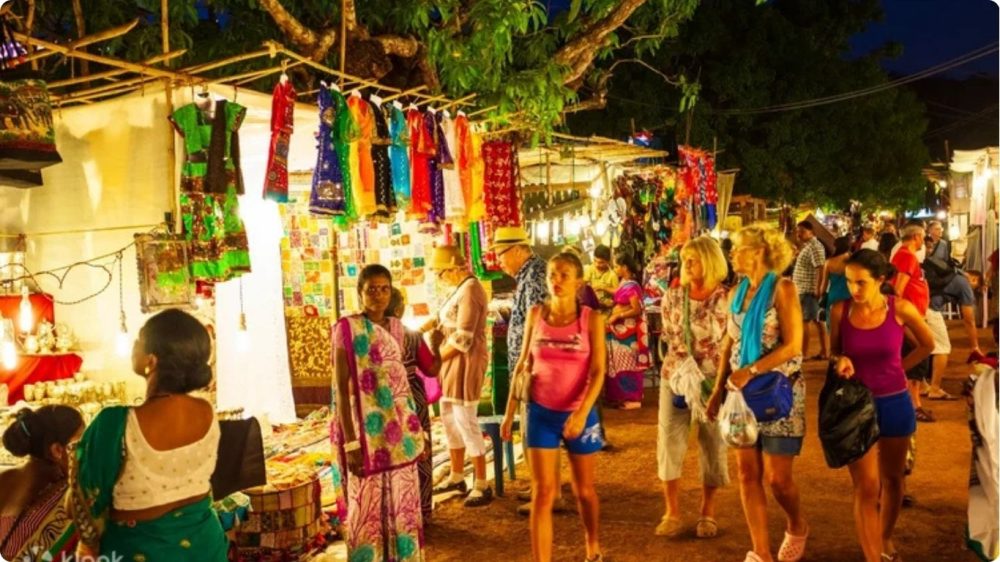
Plan days around ferry timetables and village rhythms so you can reach offbeat islands, bakeries and homestays before siesta or low tide; carry cash for tiny ferry fares and local eats, pack a rain layer for sudden monsoon showers, and rent a scooter for inner routes where buses don’t run.
- Use mornings for island hopping and markets, afternoons for homestay chats and rainy drives.
- Keep local phone numbers, a printed map of backroads and a portable charger when you ride into hamlets.
- Book Cancio’s House or similar stays in advance for authentic experiences during peak season.
- Knowing ferry schedules and tide windows will save you long waits and missed connections.
Transportation Options: Car Rentals, Taxis, and Public Transport
You’ll find scooter rentals from about INR 300-600/day and small cars roughly INR 1,200-2,500/day; carry your driving licence and ID, always wear a helmet, and fuel up in towns since pumps are sparse in interiors. Kadamba buses cover major routes cheaply, while taxis and app cabs work in Panjim and tourist hubs-expect limited service to remote islands, where small ferries (often under INR 50) and private boat charters are the only option.
Best Time to Visit Goa for Your Activities
If you seek lush backwaters, misty meadows and monsoon-only experiences, visit June-September for kayaking in rains and Sao Joao festivities; for dry beach days, parties and island access, choose November-February when roads are clear and outdoor events peak.
Monsoon (June-September) transforms interiors-expect frequent heavy showers and swelling rivers, ideal for river routes and deserted beaches; shoulder months (October and March-April) offer fewer crowds and lower rates, while December-January brings festivals, markets and daytime temperatures typically between 20-32°C, making it the busiest time to book homestays and popular art events like MOG Sundays.
Safety Tips for Travelers
Watch for erratic local driving, avoid swimming on unguarded beaches after dark, lock your bike with a heavy chain, and drink bottled water; carry basic meds and travel insurance, and note that medical help and ATMs can be distant in rural hamlets-keep emergency number 112 saved.
- Wear a helmet and carry vehicle papers when you ride into interior roads.
- Swim between flagged areas at popular beaches and avoid strong currents after storms.
- Keep photocopies of your passport/ID and one offline map of your route.
- Perceiving local daily rhythms-siestas, church bells, festival dates-helps you avoid closed shops and busy travel days.
Health and security infrastructure is concentrated in Panjim and Mapusa; plan extra time to reach clinics from islands or remote villages, pack insect repellent for mangroves, and check ferry operations during monsoon when services reduce. Always inform your homestay of your daily route, top up cash before heading into tiny hamlets, and verify boat charters and guides through local referrals to avoid scams.
- Store emergency contacts (host, local guide, embassy) both online and on paper.
- Carry a small first-aid kit, ORS sachets and waterproof bags for documents during rains.
- Use registered charters like Lady M for backwater speedboat trips; ask about lifejackets.
- Perceiving subtle local cues-who’s trusted, which paths flood-keeps you safer in offbeat areas.
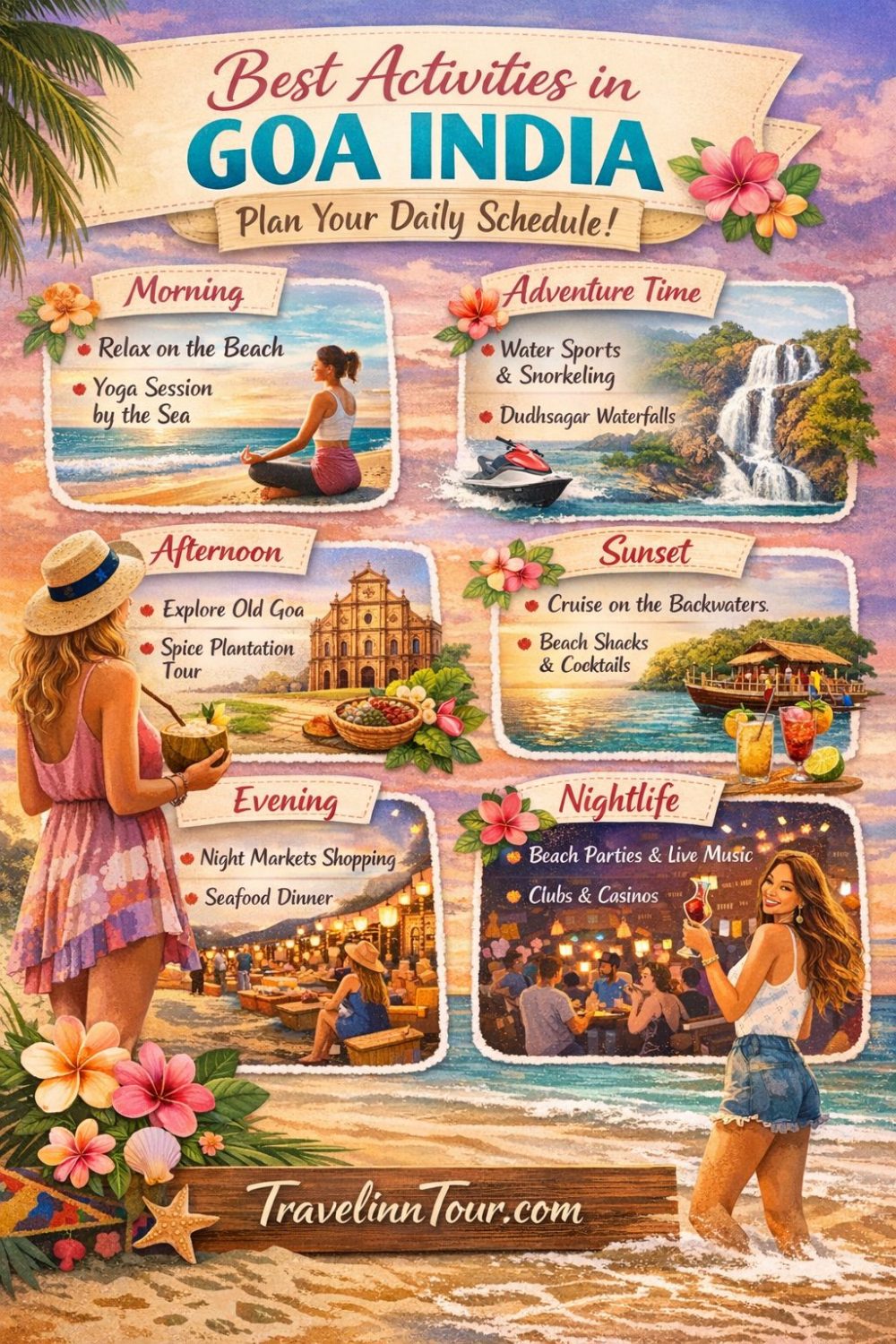
Planning Your Daily Schedule
You should structure each day with one major outdoor block (3-4 hours) and one relaxed indoor or village experience; for example, plan a morning ferry to Chorao or an island (about 10-20 minutes), a midday bakery or museum stop, and an evening homestay dinner. Aim for 2-3 highlights per day to avoid rush, build 60-90 minutes of buffer for transport, and use early mornings for birding or backwater trips when wildlife is most active.
Step-by-Step Guide to Crafting Your Itinerary
Start by picking a home base (Panjim, Mapusa or Aldona) and slot high-energy outdoor activities into mornings; reserve afternoons for bakeries, MOG visits or slow drives along the Pomburpa-Panjim river route. Check local ferry and charter availability a day ahead, allocate travel buffers of 30-90 minutes, and confirm homestay meals with hosts to time evenings. Keep one flexible day for weather or spontaneous island hopping.
Itinerary Steps
| 1. Choose base | Pick Panjim, Mapusa or Aldona for central access. |
| 2. Morning block | Reserve 3-4 hours for islands, mangroves or kayaking. |
| 3. Midday choices | Visit a traditional bakery or have a local lunch. |
| 4. Afternoon options | Museum of Goa, lazy drives, or homestay rest. |
| 5. Buffers & transport | Allow 30-90 min for ferries/bike rides; pre-book charters. |
Sample Daily Schedules for Different Types of Travelers
You can tailor days to your style: slow explorers might mix island walks with homestay afternoons, adventure seekers pair early kayaking and speedboat backwater runs, food lovers follow a bakery-to-neighborhood-restaurant route, birders keep dawn-to-midday field windows, and families balance short drives with kid-friendly lake paddling. Use these templates to swap activities-combine Chorao, La Fayette bakery and a sunset drive for a compact offbeat Goan day.
Sample Schedules
| Slow explorer | 08:30 breakfast → 09:30 Chorao ferry & walk → 13:00 bakery lunch → 16:00 homestay stories → 19:00 quiet dinner |
| Adventure seeker | 06:00 kayak through mangroves → 09:30 speedboat backwaters → 13:00 drive Pomburpa route → 17:00 short hike |
| Food lover | 07:30 bakery visit → 10:00 market stroll → 13:00 neighborhood restaurant → 18:00 dinner with locals |
| Birder | 05:30 dawn birding → 09:30 island ferry → 12:00 picnic → 15:00 quiet lake paddle |
| Family | 09:00 Mayem Lake paddle → 12:30 casual lunch → 15:00 museum or short drive → 18:00 early dinner |
- Pack waterproof layers for monsoon rides and quick-dry clothing.
- Reserve ferries or charters a day ahead when possible.
- The best window for birding is dawn to mid-morning during monsoon.
You can expand these templates by swapping timings: combine a morning Chorao trip (3-4 hours) with a mid-afternoon bakery visit and an evening MOG Sunday when scheduled. Factor in short ferry rides (about 10-20 minutes) and allow 60-90 minutes between major stops for bike rides or unexpected delays. Prioritize one immersive stop-an island, a homestay meal or a boat charter-so you experience depth rather than checklists.
- Allow one flexible day per 4-5-day trip for weather or festivals.
- Confirm homestay meals and local transport the night before.
- The most rewarding days pair an island morning with a slow village afternoon.
Daily Variations
| Island focus | Early ferry, 3-4 hr island walk, bakery lunch, homestay evening |
| Backwaters & birds | Dawn speedboat, mid-morning birding, quiet afternoon paddle |
| Food route | Bakery run, market tasting, neighborhood resto, late-evening dessert |
| Cultural day | Museum of Goa, local talk/workshop, homestay stories |
| Drive & discover | Pomburpa-Panjim river route with stops at viewpoints and churches |
Adjusting Your Plans Based on Weather and Events
You should check the seasonal pattern-Goa’s monsoon runs June-September and Sao Joao falls in late June-then adapt: move outdoor island hops to mornings on clear days and schedule indoor options like Museum of Goa or a traditional bakery visit when heavy rain is forecast. Keep one day flexible per week, confirm charters the night before, and use homestay hosts for real-time local updates on ferries and village events.
When storms or strong winds make boat trips unsafe, you can pivot to village experiences: a homestay cooking session, a neighborhood restaurant crawl, or MOG talks and workshops; allow an extra travel buffer (60-90 minutes) during rainy days for slower roads. Monitor local forecasts and festival calendars (Sao Joao in late June, MOG Sundays weekly) and stay in touch with hosts for last-minute alternatives to keep your schedule enjoyable and safe.
Budgeting Your Trip
Estimating Costs: Accommodation, Food, and Activities
Factor in a wide range: budget guesthouses and homestays from ₹700-2,000 per night, mid-range hotels ₹2,500-6,000, and boutique villas or riverfront stays ₹8,000+. Plan on ₹100-₹400 per meal at local restos and ₹400-1,200 at nicer restaurants. Transport and activities vary-bike rental ₹300-500/day, ferry rides ₹20-120, guided kayak or boat trips ₹800-2,500-so add a 10-15% buffer for surprises.
Tips for Saving Money While Enjoying Goa
You can cut costs by choosing homestays in Aldona or Chorao instead of beach resorts, eating at neighbourhood bakeries and eateries, and renting a scooter to explore inner routes from Pomburpa to Panjim. Booking midweek and traveling in shoulder months like late monsoon often nets lower rates and quieter experiences at backwaters and museums.
- Book guesthouses and homestays directly for better nightly rates.
- Eat where locals eat-try Jose Carlos’s bakery poi or Royal Fantacy’s xacuti.
- Use public ferries and shared boats when island-hopping instead of private charters.
- Any longer stays? Negotiate weekly rates with homestays in villages like Aldona.
When you prioritise a few signature experiences-say a speedboat ride along untouched backwaters or a stay at Cancio’s House-pair them with low-cost days: free walks through rice paddies, island ferry hops, and a visit to Museum of Goa on a Sunday. You’ll save by combining paid activities (boat charters ₹2,000-5,000) with many low-cost or no-cost things to do, and by carrying a compact rain jacket and dry bag to avoid buying gear at tourist prices.
- Split transport costs by sharing taxi rides or joining small-group outings.
- Visit attractions midweek to avoid premium weekend pricing.
- Buy snacks and water from local kirana shops instead of tourist spots.
- Any gear needs? Borrow or rent locally rather than purchasing expensive equipment.
Recommendations for Luxury vs. Budget Experiences
You can mix luxury and budget: splurge on one unforgettable activity-private speedboat charters (₹4,000-10,000) or a boutique riverside villa night-and keep other days lean with homestays (₹700-2,000), neighbourhood meals, and self-guided drives along the Pomburpa-Panjim river route. That balance stretches your budget while letting you sample top destinations and offbeat finds.
For a 7-day plan, consider two nights in a luxury riverfront villa or a curated boutique stay to enjoy private boat trips and fine dining, then spend the remaining nights in homestays like Cancio’s House or small guesthouses in Chorao to experience local life affordably. You’ll pay more for exclusive guided experiences-birdwatching trips, private island hops, or bespoke culinary tours-but save on transport and food by using a scooter (₹300/day) and eating at village restos; this approach gives you both comfort and authentic, wallet-friendly travel tips for Goa.
Sustainable Tourism in Goa
Eco-Friendly Activities and Responsible Travel Tips
You can minimize your footprint by choosing low-impact activities: kayak through mangrove channels, take the local ferry to Chorao and other interior islands, cycle the Pomburpa-Panjim river route, or book a homestay in Aldona instead of a big resort. Attend MOG Sundays to support community-led events and join guided birdwatching at Salim Ali Bird Sanctuary run by local guides. After choosing these options, make small habit changes that amplify benefits for habitats and hosts.
- Carry a reusable water bottle and refill at homestays or cafes.
- Use reef-safe sunscreen and avoid polluting backwaters.
- Hire local boat charters (e.g., Lady M) or guides to keep income local.
- Keep to marked trails when driving the river route; avoid off-road shortcuts.
- Avoid geotagging fragile island locations to discourage mass tourism.
Supporting Local Communities and Conservation Efforts
You help sustain village economies when you eat at neighborhood restos, buy poi from traditional bakeries like Jose Carlos’s, or stay with families at places such as Cancio’s House (a 500‑year ancestral home). Booking directly or through local hosts ensures a larger share of your spend reaches families and preserves heritage homes and crafts.
When you choose experiences led by locals-guided mangrove paddles, ferry crossings to tiny islands, or workshops at MOG-you funnel money into livelihoods and conservation. Consider hiring local guides for birdwatching at Chorao’s Salim Ali Bird Sanctuary, buying handmade souvenirs from village artisans, and tipping service workers. Small actions-like asking hosts how revenue supports restoration or contributing to a community-managed cleanup-create measurable benefits without large NGOs as intermediaries.
Avoiding Common Environmental Pitfalls
You should avoid habits that damage fragile interiors: skip single-use plastics on island trips, don’t feed wildlife (kingfishers, eagles, even the occasional mugger crocodile), and refrain from collecting shells or disturbing old Portuguese homes. During the monsoon (June-September), trails get fragile and riverbanks erode faster, so limit group sizes and stick to established paths.
On backwater boat rides and island visits, maintain a respectful distance from nesting birds and mangroves-these habitats regenerate slowly. If you kayak, launch from designated points to prevent shoreline trampling and use biodegradable products. When attending village festivals like Sao Joao, follow local guidance about where to park, where to change, and when photography is welcome: that preserves both community privacy and long-term site integrity.
Frequently Asked Questions about Goa
Common Queries from First-Time Visitors
If you’re planning your first trip, expect two peak windows: Nov-Feb for sun and Dec-Jan for festivals, and June-Sept for a monsoon, green Goa. Rent a scooter for inner routes-Pomburpa to Panjim is a scenic drive-and use local ferries to reach islands like Chorao. Carry cash in smaller towns; ATMs can be sparse on remote islands. Pack a light rain jacket for surprise showers, and time visits to bakeries or homestays in villages around mid-morning or after siesta for the best local interactions.
Cultural Etiquette and Local Customs
You’ll find Goa’s susagade (content) pace rewarding: slow down, accept invitations to homes, and remove shoes when entering. Dress modestly at churches and village gatherings; women often cover shoulders. Greeting with a simple “Namaste” or a smile goes far, and always ask before photographing people or religious rituals-many island families value privacy over being in a travel snapshot.
If you join a village festival like Sao Joao in late June, follow local lead: men jump into wells, elders organize food, and visitors are welcomed if you participate respectfully. Bring a small gift-sweets or fruits-and use a local host to bridge language gaps; I’ve often needed a homestay family to translate at traditional bakeries or when asking permission to explore old Portuguese homes on misty islands.
Health and Safety Guidelines
You should avoid tap water-stick to bottled or boiled water-and use mosquito repellent year-round, especially during monsoon when breeding spikes. Wear a helmet on scooters and avoid night rides on interior roads because of narrow lanes and stray cattle. Keep basic meds and sunscreen handy; many remote spots lack pharmacies, and ambulance access to islands can be slow, so plan accordingly.
Carry travel insurance and note emergency number 112; Goa Medical College in Bambolim and hospitals in Mapusa and Panjim handle serious cases. For water activities, verify operator safety records-Lady M charters recommends life jackets for backwater speedboat trips-and don’t swim near river mouths where mugger crocodiles have been sighted. Pack a small first-aid kit, a flashlight for ferry crossings after dusk, and confirm ferry schedules before leaving for tiny islands.
Summing up
From above, you can craft a daily Goa itinerary that balances iconic beaches with offbeat experiences-island hopping, mangrove backwaters, homestays in ancestral Portuguese houses, and local bakeries. Use practical travel tips to time boat rides, festivals and rainy-season paddling; this helps you see the best places to visit and uncover hidden top destinations. Your days will blend adventure and quiet moments, giving you a memorable list of things to do in Goa.
FAQ

How can I plan a balanced daily schedule in Goa that mixes popular sites with offbeat experiences?
Start early with a sunrise activity (beach walk, birdwatching on Chorao Island or a short kayak through mangroves), follow with a mid-morning stop at a village bakery for poi and pao, then explore an inland attraction (Corjuem Fort or Mayem Lake) before lunch at a neighbourhood Goan restaurant. Use the cooler afternoon for a scenic drive along the Pomburpa-Panjim river route or a speedboat backwater ride, and finish with an inspiring evening at the Museum of Goa or a quiet homestay dinner in Aldona. This mix delivers top destinations and hidden gems while keeping travel time manageable-good travel tips include renting a bike for flexibility, allowing buffer time for ferries, and grouping activities by region to avoid long back-and-forth transfers.
What are the best things to do in Goa during the monsoon and how should I schedule them?
Embrace the rains with activities that gain atmosphere rather than disappear: kayak through verdant backwaters, island-hop to mist-laden meadows, and join a local Sao Joao festival celebration if timing allows. Plan indoor or sheltered options for wet afternoons-visit the Museum of Goa for creative events, explore traditional bakeries, or stay in an ancestral homestay like Cancio’s House for long, flavorful meals and storytelling. Travel tips: carry waterproofs, check ferry and boat operator updates before setting out, and start outdoor excursions early when visibility and river conditions are usually better.
How do I fit wildlife and backwater experiences into a one-day Goa itinerary?
Dedicate the morning to birdwatching at Chorao Island or a guided kayak through northern mangroves to spot kingfishers, eagles and other migratory species. Midday, take a short speedboat charter along the riverine backwaters (operators such as Lady M offer tailored runs) to reach quieter isles and scan for mugger crocodiles from a safe distance. Conclude with a paddle-boat on Mayem Lake at dusk for a tranquil freshwater experience. Pack binoculars, a lightweight rain jacket, sunscreen, and hire local guides for navigation, wildlife spotting and safety.
Where should I eat and what local dishes should I include in a daily plan to taste authentic Goan cuisine?
Prioritise neighbourhood eateries and traditional bakeries: sample fresh poi, pao, kakon and katro at an old village bakery (seek out bakers like Jose Carlos D’Silva), order mushroom xacuti or classic Goan fish curry at family-run restaurants, and book a table at Nostalgia by Chef Fernando for chef-driven regional plates. Schedule a bakery visit for mid-morning, a leisurely riverside or homestay lunch, and a lively neighbourhood dinner. These food-focused stops are often the best places to visit in Goa for authentic flavours-travel tips include arriving early at bakeries and asking hosts for local recommendations to avoid tourist menus.
How do I choose accommodation and logistics for an offbeat Goa itinerary that avoids the usual beach crowds?
Opt for homestays or restored Portuguese houses in villages like Aldona to experience local life and access interior attractions easily. Book at least one stay that offers local hosts and homemade meals (Cancio’s House is a model example), rent a motorbike for hidden lanes and island ferries, and plan routes by region-north Goa’s backwaters and Chorao/Corjuem area can be combined in a single day. Consider advance contact with boat operators for island hopping or speedboat trips and check seasonal road conditions during monsoon. Prioritise sustainable operators and respectful behaviour when visiting small communities to preserve the offbeat character that makes these places special.
Share It On Pinterest





Leave a Comment