
The dream usually starts the same way – cheap street food, island sunsets, night markets, and the promise that your money stretches further than it does almost anywhere else. Then the planning tab spiral begins. Thailand or Vietnam first? Is three weeks enough? Are you trying to chase beaches, culture, trekking, or all of it?
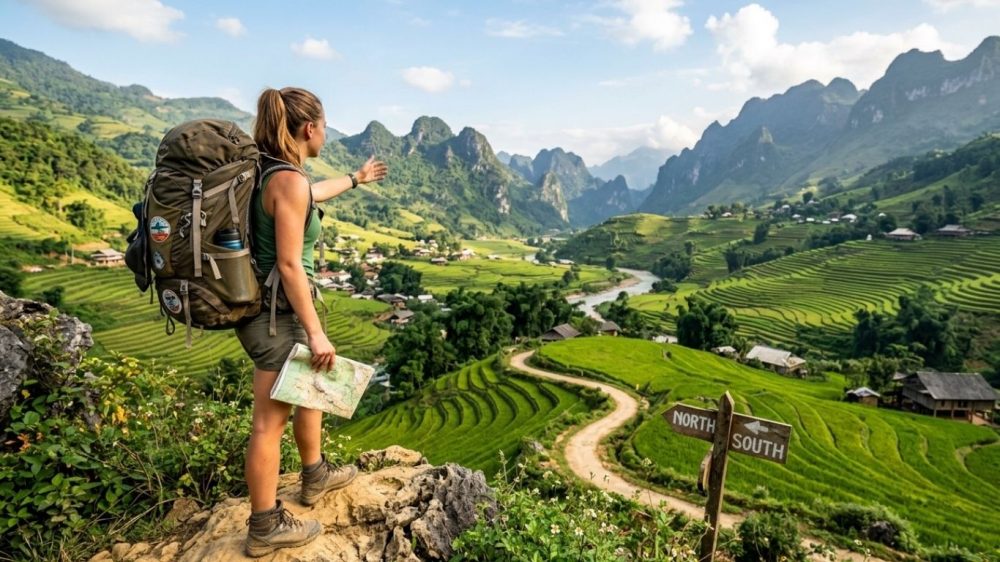
This backpacking Southeast Asia route guide is built to cut through that noise. If you are planning your first trip, the smartest move is not trying to see everything. Southeast Asia rewards travelers who pick a clear route, move at a reasonable pace, and leave room for the magic that happens between the big-name stops.
How to build a backpacking Southeast Asia route guide that actually works
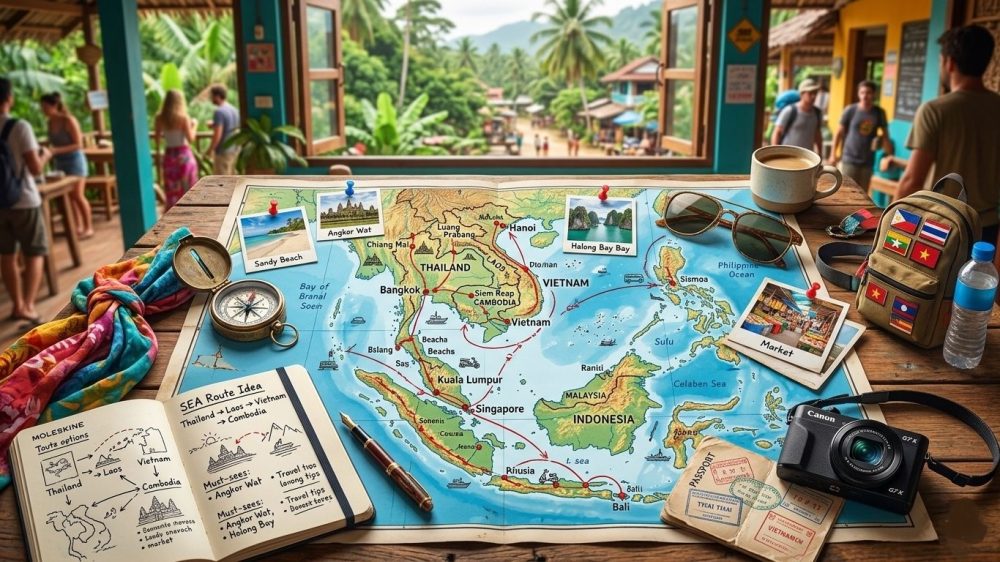
The best route is not the one with the most countries. It is the one that fits your time, budget, and travel style.
If you have two to three weeks, stick to one country or two neighboring countries at most. If you have one to two months, you can connect mainland Southeast Asia more comfortably. If you have three months, you can combine the mainland with islands or add Indonesia and the Philippines, but even then, pace matters. Fast travel looks exciting on paper and feels exhausting by week three.
For most first-time backpackers, mainland Southeast Asia is the easiest place to start. Thailand, Vietnam, Cambodia, and Laos connect well, are heavily traveled, and have enough tourist infrastructure to make mistakes recoverable. That matters more than many people realize, especially if you are navigating overnight buses, visa rules, and weather patterns for the first time.
Best route for first-timers: 3 to 4 weeks
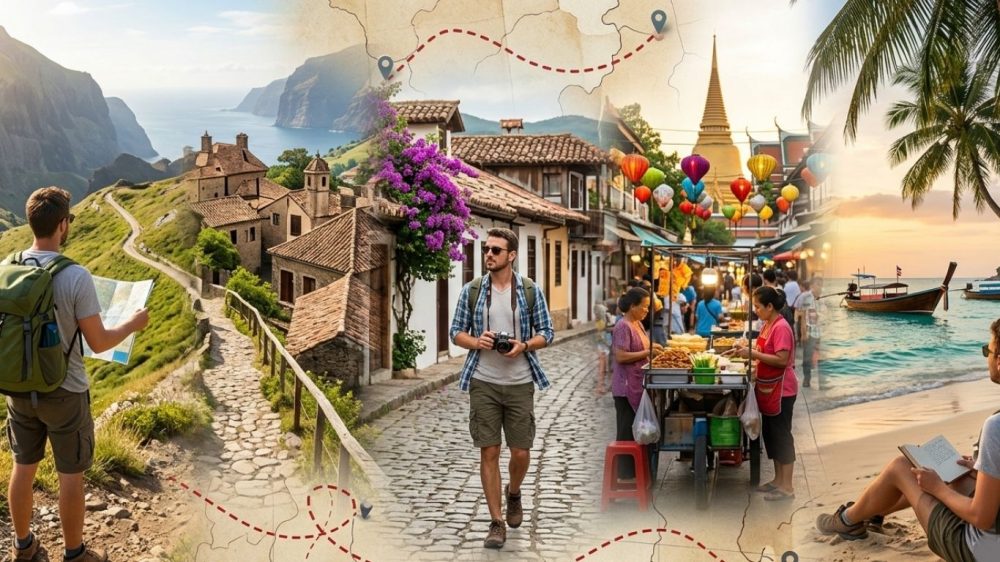
If you want the smoothest introduction, start with Thailand and add either Cambodia or Vietnam.
A strong 3-week route looks like this: Bangkok, Chiang Mai, southern Thailand, then either Siem Reap and Phnom Penh in Cambodia or Ho Chi Minh City and Hoi An in Vietnam. This gives you a mix of cities, temples, food, beaches, and easy transport without turning the trip into a race.
Thailand works beautifully as a launch point because it is beginner-friendly in all the right ways. Transport is easy to book, tourist services are everywhere, and the range of experiences is huge. Bangkok brings the rush – markets, temples, rooftop views, and nonstop energy. Chiang Mai slows things down with cafes, mountain scenery, and temple-filled old streets. Head south and you can choose your beach style, from social islands to quieter escapes.
Cambodia fits well if you want ancient history and a slightly rawer backpacking feel. Siem Reap is the obvious draw because Angkor is one of those places that genuinely lives up to the hype. Phnom Penh adds hard history and a more urban edge. Vietnam is the better add-on if food, scenery, and a stronger north-to-south travel flow appeal to you.
The trade-off is simple. Cambodia is easier to pair with a shorter Thailand trip. Vietnam deserves more time than many travelers first give it.
The classic backpacking Southeast Asia route guide for 6 to 8 weeks
If you have more time, the classic loop through Thailand, Laos, Vietnam, and Cambodia is still popular for good reason. It is varied, affordable, and packed with memorable highlights.
A balanced route might start in Bangkok, move north to Chiang Mai and Chiang Rai, cross into Laos for Luang Prabang and Vang Vieng, continue to Hanoi, travel down Vietnam through Ninh Binh, Hue, Hoi An, and Ho Chi Minh City, then head to Cambodia for Phnom Penh and Siem Reap before returning to Thailand or flying out.
This route works because the experiences feel different from one country to the next. Laos is slower, greener, and more laid-back. Vietnam feels dynamic and kinetic, with dramatic landscapes and some of the best budget food anywhere. Cambodia adds depth, emotion, and iconic temple experiences. Thailand ties it together with easy logistics and plenty of soft-landing destinations.
Still, there are trade-offs. Border crossings can be tiring, transport days add up, and weather does not line up neatly across the region. You may have sunshine in one country and heavy rain in the next. That is normal. The goal is not perfect weather everywhere. The goal is avoiding the worst seasonal mismatches for the places you care about most.
Best route for 2 to 3 months
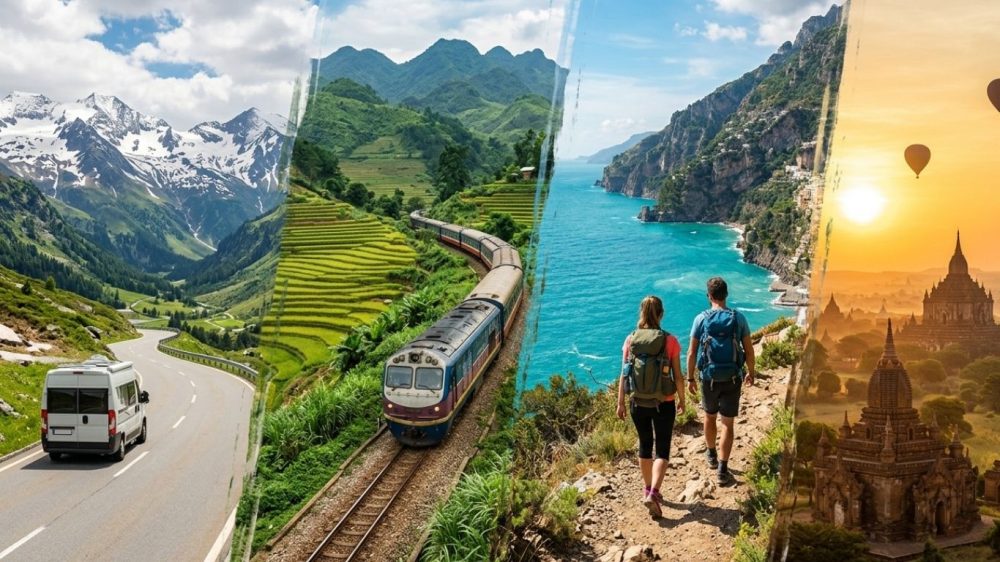
If you have the luxury of time, this is where Southeast Asia starts to feel less like a checklist and more like a journey.
A strong long-trip route begins in northern Thailand, moves through Laos, covers Vietnam from north to south, adds Cambodia, then returns to Thailand for the islands. From there, you can either continue to Malaysia and Singapore for a smoother overland finish, or fly to Indonesia if beaches, volcanoes, and a more island-heavy finale sound better.
Malaysia is often underrated on backpacking routes. It is more developed, transport is efficient, and places like Penang, Kuala Lumpur, and Langkawi create a comfortable contrast after rougher travel stretches. Singapore is the least budget-friendly stop in the region, but for a few days, it can be a fun reset with easy flights home.
Indonesia is ideal if your trip is less about overland efficiency and more about standout experiences. Bali, Lombok, the Gili Islands, and Java can easily fill weeks. Just do not underestimate travel time. Once flights and ferries enter the picture, your route needs more breathing room.
What to skip if your time is limited
This is where many itineraries go off track. Travelers try to add every famous stop because it feels like a once-in-a-lifetime trip. The result is too many transit days and not enough actual travel joy.
If you only have three weeks, skip multi-country island hopping. Choose either mainland culture and cities or a culture-plus-beach mix centered on one hub. If you have one month, do not try to cover Thailand, Vietnam, Cambodia, Laos, Malaysia, and Indonesia all at once. You will spend a surprising amount of your trip booking transport, packing, unpacking, and recovering from overnight journeys.
A good test is this: if a route has you changing location every one to two nights for weeks, it is too aggressive.
Budget expectations and route choices
One reason Southeast Asia continues to ignite travelers’ passion is value. But the budget story depends on where you go and how fast you move.
Thailand and Vietnam can be very affordable, especially if you eat local food, use guesthouses, and avoid constant flights. Cambodia and Laos are often assumed to be cheaper across the board, but transport can be less efficient, which sometimes raises costs. Singapore is the outlier and will push your daily average up quickly. Indonesia varies a lot depending on the island and your style of travel.
Fast routes cost more. Every extra bus, train, ferry, or flight adds up. Slower travel is not only more enjoyable, it is often better for your budget. If you want your money to stretch, choose fewer stops and stay longer in each one.
Best time to go
There is no single perfect month for all of Southeast Asia. That is the honest answer.
November through February is the easiest broad window for first-timers because many mainland destinations have drier, cooler weather. It is also peak season, which means higher prices and more crowds in popular places. March and April can be extremely hot, especially in mainland cities and temple zones. Monsoon timing varies by country and coast, so a rainy season trip is not automatically a bad idea, but it does require flexibility.
If beaches are the centerpiece of your trip, check the weather by coast, not just by country. Thailand alone can have very different conditions between the Andaman side and the Gulf islands depending on the month.
Route planning mistakes to avoid
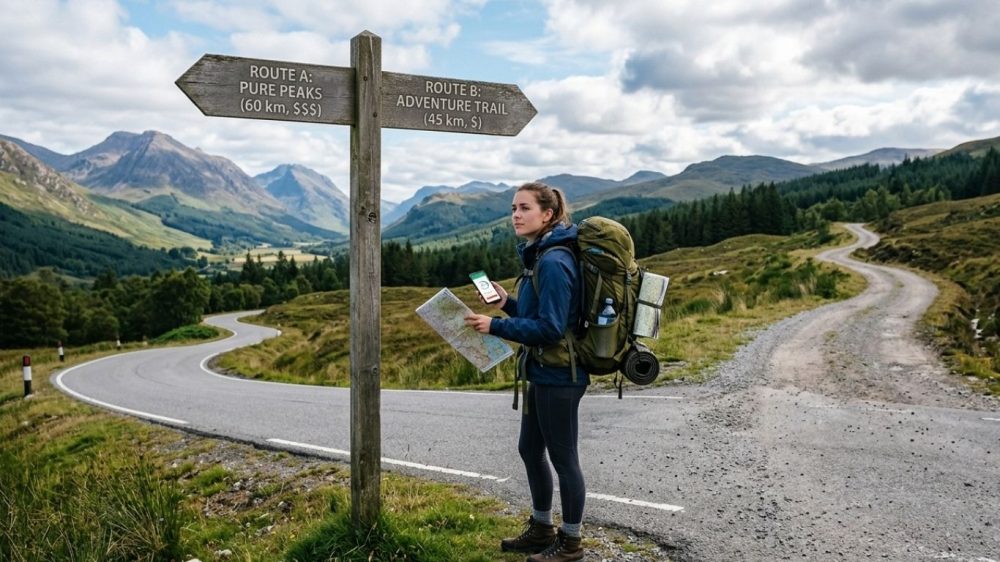
The biggest mistake is confusing ambition with good planning. A route should create momentum, not pressure.
Another common issue is booking every night in advance. That can work for major arrival cities or peak-season hot spots, but locking in your whole trip too early leaves no room for the places you end up loving. Maybe you want three extra nights in Hoi An. Maybe one island is rainy and you want to pivot. Flexibility is one of the great advantages of backpacking in this region.
It also helps to think in travel clusters. Northern Thailand fits together. Central Vietnam fits together. Cambodia’s key stops fit together. Planning by cluster keeps your route logical and reduces backtracking.
If this is your first big independent trip, keep your opening week especially simple. Arrive in a major hub, settle in, and build confidence before adding border crossings and overnight transport.
A simple way to choose your route
If you want easy and social, choose Thailand first. If food and scenery are your priorities, build around Vietnam. If temples and history pull you in, add Cambodia. If you want slower days and fewer crowds, Laos is a beautiful fit. If you want a polished finish, Malaysia and Singapore work well. If you want island adventure, save room for Indonesia.
That is the real secret behind a strong route. You do not need to see all of Southeast Asia on one trip. You just need a route that feels exciting, realistic, and right for you.
For more beginner-friendly trip planning ideas, Travel Inn Tour is built for exactly this stage of travel – when the dream is real, but the route still needs shape.
Pick the version of Southeast Asia that matches your time and energy, then let the rest wait for another passport stamp.
Be the first to comment