
The first surprise of cruising is how many decisions show up before you ever see the ship. Ocean or river. Big ship or small ship. Balcony or inside cabin. Early dining or flexible dining. For first-timers, that swirl of choices can make a vacation that sounds effortless feel oddly complicated.
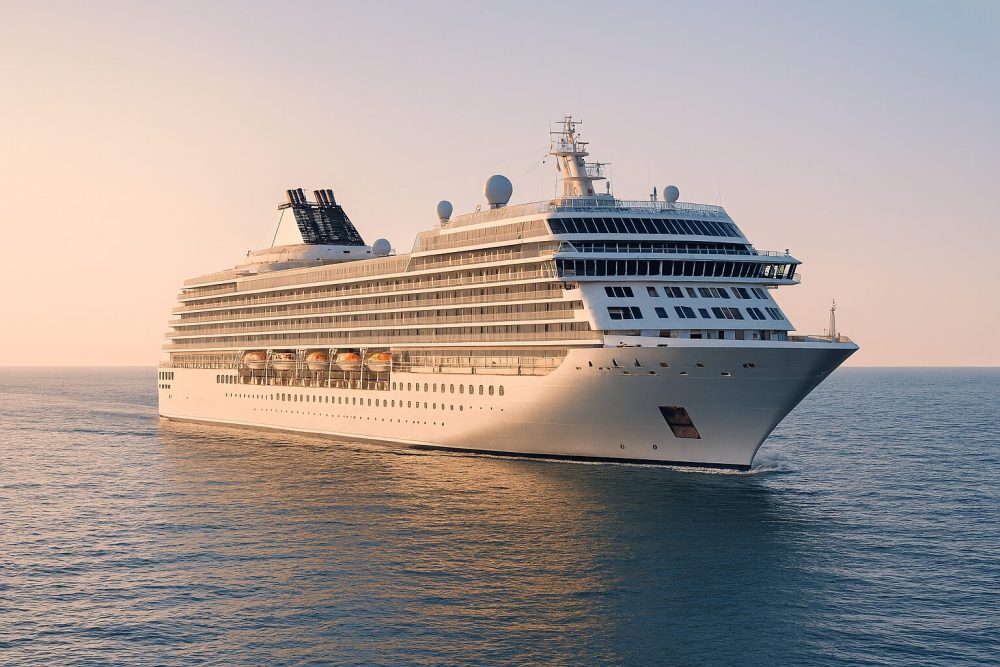
The good news is that cruising gets much easier once you know which decisions actually matter. A great first cruise is usually not about finding the most glamorous ship or the cheapest fare. It is about choosing the sailing that matches your pace, budget, and travel style so the trip feels exciting instead of stressful.
A first time cruise guide for beginners starts with the right ship
If you are booking your first sailing, the ship itself matters almost as much as the itinerary. Bigger ships usually offer more restaurants, more entertainment, and more room types. They can feel like floating resorts, which is great if you love variety and want built-in options for every mood.

Smaller ships are often easier to navigate and can feel calmer. That can be a better fit for travelers who do not want crowds or who feel intimidated by mega-ships. The trade-off is that smaller vessels may have fewer dining venues, fewer activities, and less nightlife.
For many beginners, a 3- to 7-night ocean cruise is the sweet spot. It is long enough to settle in and understand how cruising works, but short enough that you are not committing to a huge vacation format before you know if you love it. If you are worried about motion sickness or whether ship life will suit you, starting with a shorter itinerary is a smart move.
Itinerary also shapes your experience more than many people expect. A Caribbean cruise often works well for first-timers because the vibe is relaxed, the logistics are simple, and there is a strong mix of beach time and onboard fun. Alaska is stunning and unforgettable, but it can be pricier and more weather-dependent. Europe can be amazing for port-heavy sightseeing, though it may feel less restful if you are constantly rushing off the ship.
How to choose a cabin without overthinking it
Cabins create a lot of anxiety for first-time cruisers, mostly because the price jumps can be dramatic. The key is to think about how much time you will actually spend in the room.
An inside cabin is usually the best value. If you plan to spend most of your day exploring the ship, going ashore, and catching shows, it may be all you need. Many budget-conscious travelers are perfectly happy with this choice.

An oceanview cabin gives you natural light, which some travelers find worth the extra cost. A balcony can feel magical, especially in scenic destinations, but it is not automatically the best beginner choice. If the balcony upgrade strains your budget and forces you to cut excursions or dining extras, it may not be the smartest splurge.
Location matters too. Midship cabins on lower or middle decks often feel more stable, which can help if you are concerned about motion. Cabins near elevators are convenient, but they can also come with more hallway traffic. There is no perfect answer here. It depends on whether you value quiet, convenience, or price most.
What cruise fares include and what they do not
One reason first-time cruisers get caught off guard is that the fare is not always the full vacation cost. Your cabin, many meals, basic entertainment, and transportation between ports are typically included. That core value is a big reason cruises appeal to so many travelers.
But extras add up fast. Specialty dining, alcoholic drinks, soda packages, Wi-Fi, gratuities, shore excursions, spa treatments, casino spending, and some onboard activities may cost more. Port fees and taxes are usually included in the booking total, but you still want to read the breakdown carefully.
This is where a practical first time cruise guide beginners can actually use should be honest: the cheapest fare is not always the cheapest trip. A slightly higher base fare with better included perks can work out better than a low teaser fare that charges for everything once you board.

Before you book, build a rough total trip budget. Include transportation to the port, a pre-cruise hotel if needed, travel insurance, tips, and a spending cushion. That simple step makes the whole experience feel more manageable.
Embarkation day is smoother when you treat it like airport day
The first day can feel chaotic because everyone is excited and moving through the same checkpoints. You will check in, hand over larger luggage, go through security, and wait for your boarding group. It is not hard, but it does move more smoothly when you arrive prepared.
Keep your passport or accepted ID, boarding documents, medication, wallet, and any valuables in your carry-on. Your checked bags may not reach your cabin right away, so pack anything you will want for the first few hours, including a swimsuit if you want to hit the pool early.
Arriving the same day your cruise departs is risky if you are flying. Delays happen, and cruise ships do not wait for late passengers the way a hotel might. If you need a flight, arriving the day before is one of the smartest beginner moves you can make.
Once onboard, do not expect your room to be immediately ready. Use that time to explore the ship, grab lunch, and get oriented. Learning the layout on day one pays off for the rest of the trip.
Packing for a cruise is easier than it looks
Cruise packing can seem mysterious, but most of it is just smart vacation packing with a few added details. You want casual daytime outfits, comfortable shoes, swimwear, and a light layer for breezy decks or air-conditioned interiors.
Then consider the ship’s vibe. Some cruises are very relaxed, while others still lean into dressier dinners or theme nights. You do not need to overpack formalwear unless your sailing clearly calls for it. For many mainstream cruises, resort casual works just fine most evenings.
A few small items can make a real difference: motion sickness remedies, reef-safe sunscreen if relevant to your itinerary, a portable charger, and a small day bag for port visits. If you are cruising internationally, check outlet types and whether you need any medication documentation.
Try not to pack for every possible scenario. Cabin storage is usually efficient but compact. A lighter suitcase is easier on embarkation day and much less annoying at the end of the trip.
Dining, shore days, and onboard rhythm
Cruising has its own rhythm, and first-timers enjoy it more when they stop trying to do everything. There will always be more food, more trivia, more shows, and more deck chairs than you can reasonably fit into one sailing.
Dining is usually one of the highlights. Main dining rooms are included, buffets are convenient, and specialty restaurants can be worth it for a more elevated meal. But not every extra-charge restaurant is essential. If food is a major part of your vacation joy, choose one or two intentional splurges instead of booking every premium option.
Port days work the same way. Some travelers love organized shore excursions because they remove the guesswork and simplify timing. Others prefer independent exploring for flexibility and lower cost. For beginners, ship-sponsored excursions can offer peace of mind, especially in unfamiliar ports or tighter schedules.
At the same time, you do not need an excursion in every port. Sometimes the best cruise memory is a simple beach day, a quiet lunch near the harbor, or staying onboard while the ship feels blissfully uncrowded.
Common first-cruise mistakes to avoid
The biggest beginner mistake is booking based only on price. A bargain fare can still be the wrong fit if the ship is too party-focused for your style, too kid-heavy for the romantic trip you imagined, or too packed with sea days when you really wanted destination time.
Another common mistake is overcommitting. It is tempting to reserve every excursion, every dinner, and every show. But vacations need breathing room. A cruise works best when you leave space for spontaneity.
Travelers also underestimate how much the little logistics matter. Checking passport rules, reading dress codes, understanding drink package terms, and knowing boarding times are not glamorous tasks, but they prevent avoidable stress.
And yes, motion sickness matters. Many first-timers never have a problem, especially on larger ships and calmer itineraries. But if you are prone to motion sickness, prepare before you board instead of waiting to see how you feel.
The best mindset for your first cruise
A first cruise is rarely perfect in every detail. You may discover that you love sea days but do not care much about production shows. You may realize you would rather book a balcony next time, or that an inside cabin was completely fine. That is part of the fun.
Cruising is not one single kind of vacation. It can be family-friendly, romantic, budget-focused, luxurious, lively, or laid-back. Your first sailing is less about getting every decision exactly right and more about learning what kind of cruise traveler you are.
If you approach it with a little flexibility and a little planning, your first cruise can feel like the easiest kind of adventure – one where the hotel moves with you, the views keep changing, and each day gives you a fresh chance to choose your own version of vacation magic. For more beginner-friendly travel planning ideas, Travel Inn Tour can help you move from curious to confidently booked.





Leave a Comment