
The first surprise in Morocco is usually the sound. A call to prayer drifting over rooftops, scooters threading through tight medina lanes, vendors greeting you with cheerful confidence, and somewhere nearby, the clink of mint tea glasses. For first-time visitors, Morocco can feel thrilling, beautiful, and just a little intense. That is exactly why planning matters.
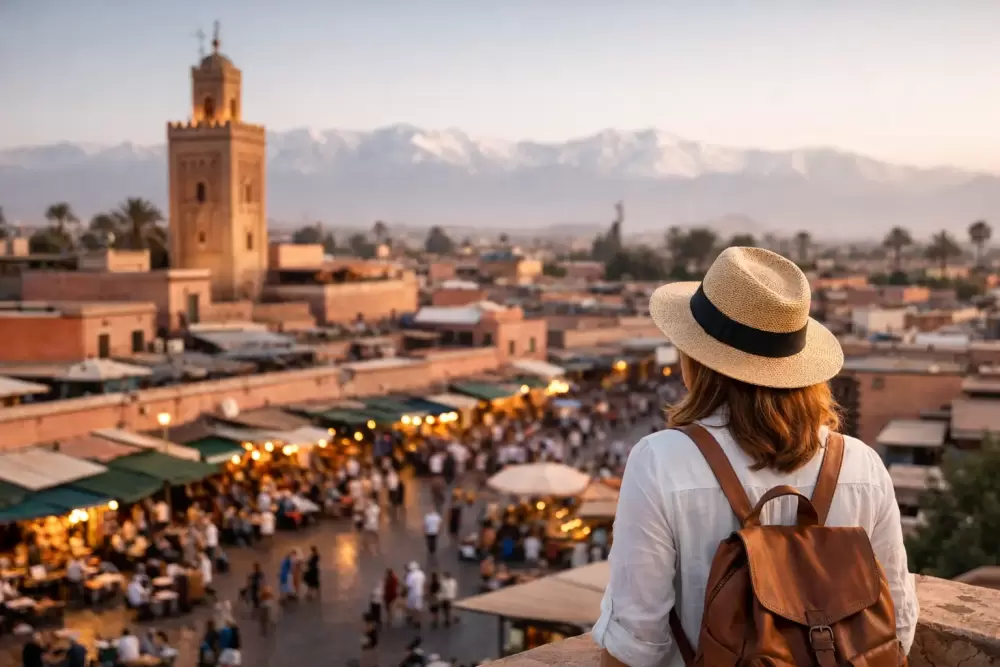
This Morocco travel guide for beginners is built to help you skip the guesswork and enjoy the magic. If you are wondering where to start, how many days you need, what to wear, how to get around, and what feels realistic for a first trip, here is the clear version.
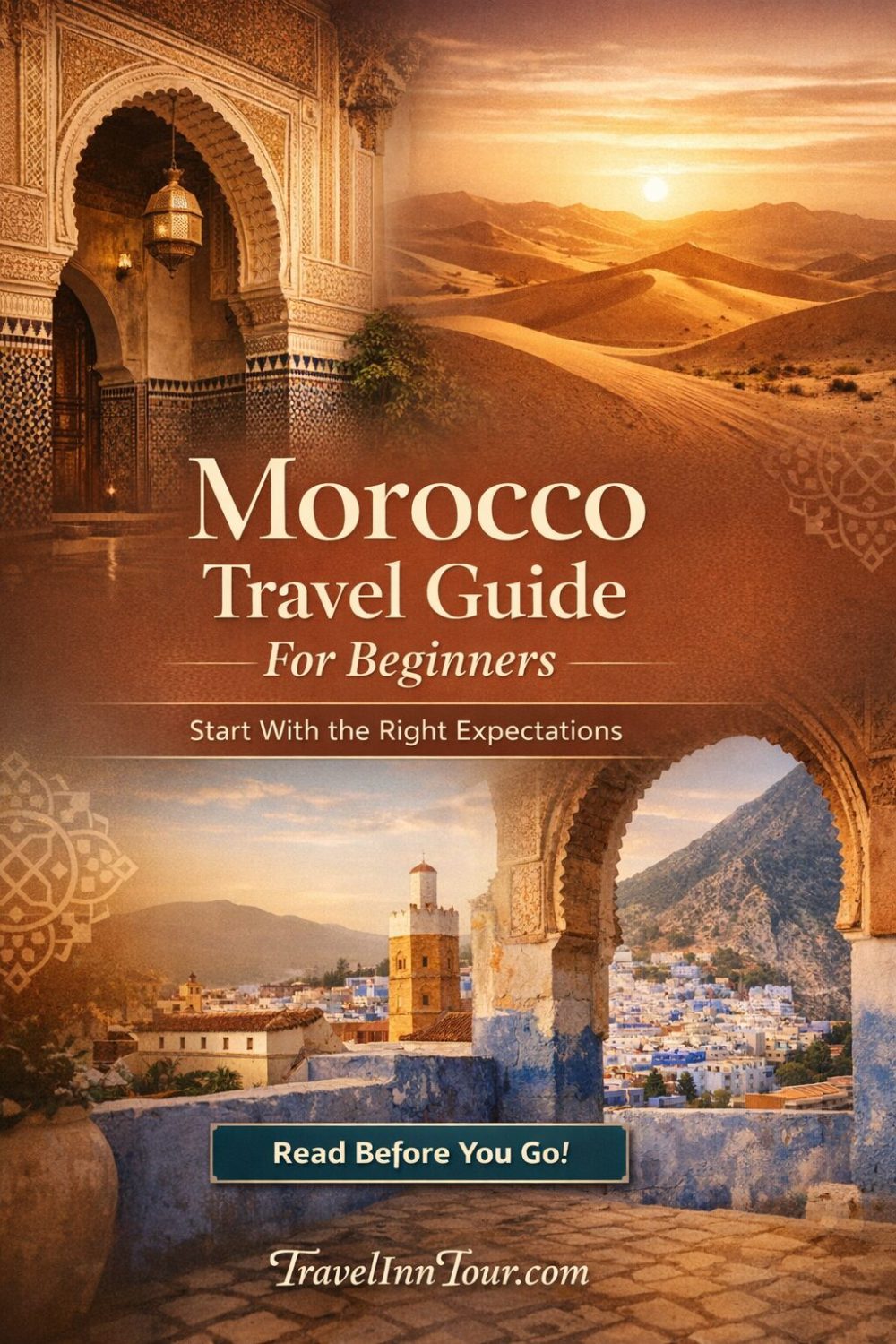
Morocco travel guide for beginners: Start with the right expectations
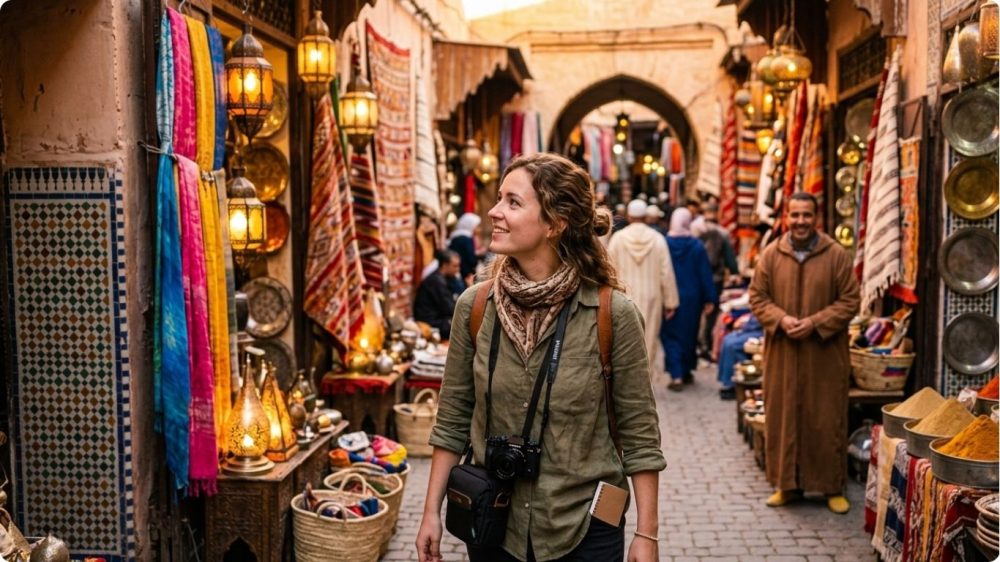
Morocco is not a one-speed destination. In one trip, you might wander through a centuries-old medina, sleep in a desert camp, sip coffee in a stylish riad courtyard, and ride a train past farmland and coastal towns. That variety is part of the appeal, but it also means your trip can feel rushed if you try to do everything.
For beginners, the smartest move is to choose two or three main stops instead of chasing the entire country. Morocco looks compact on a map, but travel days add up. Roads through the mountains can be slow, and even train travel, while comfortable on many routes, still takes time. A calmer itinerary usually leads to a better first impression.
If you have around 7 to 10 days, Marrakech plus one or two more destinations is a strong starting point. If you have closer to two weeks, you can add the Sahara or a northern city like Fes without turning the trip into a sprint.
Where first-time visitors should go
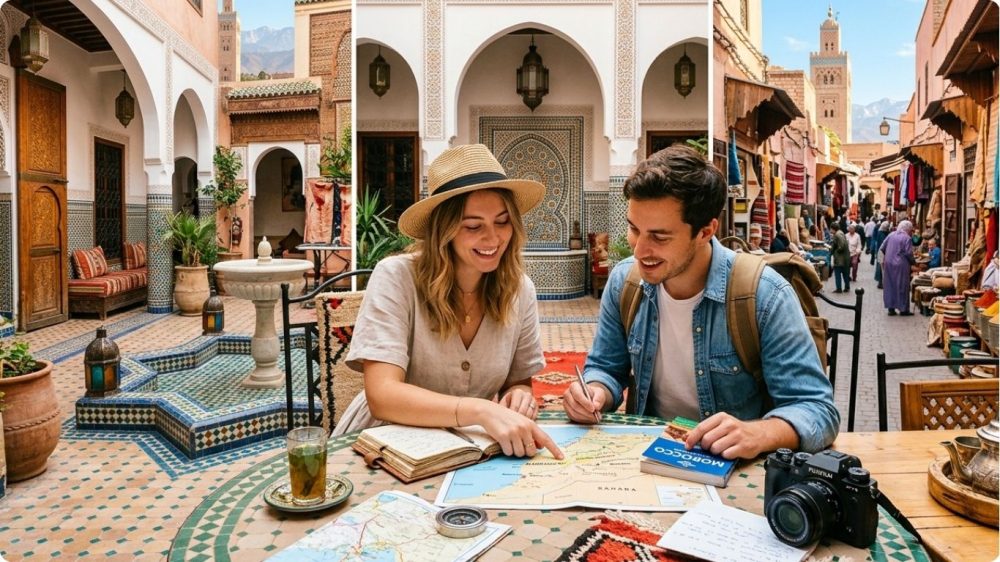
Marrakech is often the easiest entry point for a first trip. It has major sights, beautiful riads, day trip options, and enough tourism infrastructure to make things manageable. Yes, it can be busy and sensory-heavy, but it also gives you that cinematic Morocco moment many travelers are hoping for.
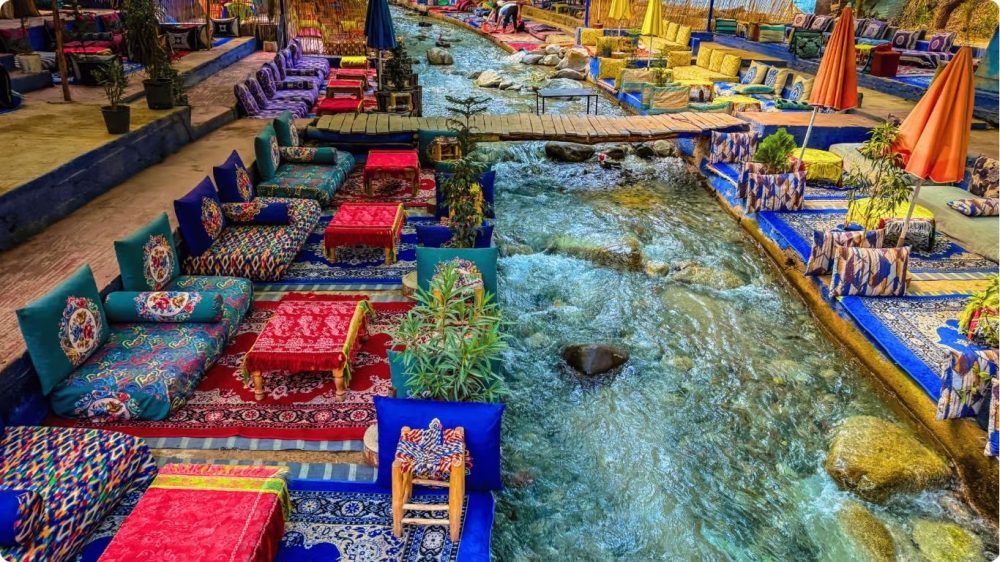
Fes is a great choice if you want a deeper historical and cultural experience. Its medina feels older, denser, and less polished in places than Marrakech. Some travelers love that raw energy. Others find it harder as a first stop. If you enjoy history and do not mind getting a little lost, Fes can be unforgettable.
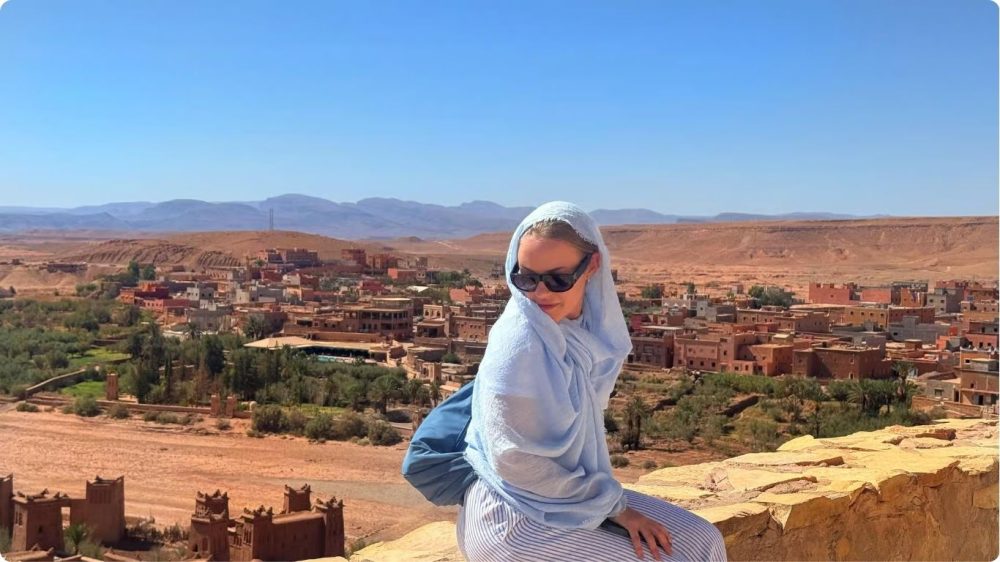
Chefchaouen draws travelers with its blue-painted streets and mountain setting. It is photogenic, slower paced, and easier to navigate than the biggest cities. The trade-off is that it can feel more like a side trip than the heart of a Morocco itinerary, especially if your time is short.

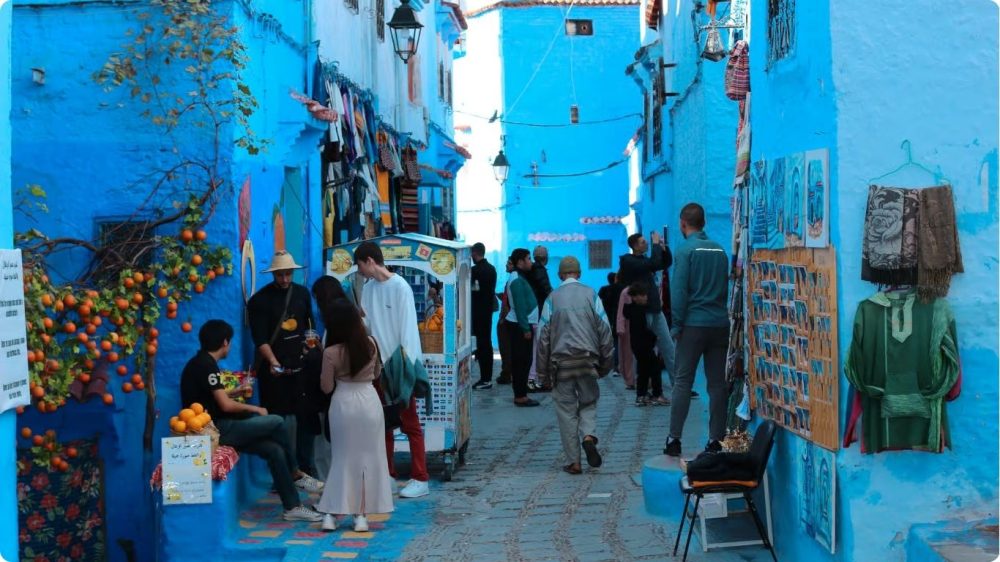
Essaouira is perfect if you want a softer landing. This coastal city is breezy, walkable, and more relaxed than Marrakech or Fes. It is an excellent add-on for couples, families, and travelers who like culture without nonstop intensity.
The Sahara Desert is often the dream, and yes, it can be worth it. Watching sunset over the dunes is pure fairytale material. Still, beginners should know that getting there takes time. Many desert routes involve long drives and one or two overnight stops. If you only have a week, forcing in the Sahara can leave you exhausted.
A simple first-trip itinerary that works
If you want an easy framework, think in clusters. Marrakech and Essaouira work well together. Fes and Chefchaouen pair nicely if you are exploring the north. Marrakech plus the Sahara is a classic choice if desert scenery is your priority.
For many first-timers, a balanced 8-day route could look like this: fly into Marrakech, spend three days there, add two days in Essaouira or another nearby stop, then return for a final night before flying home. If you have more energy and more time, replace the coastal stop with a multi-day desert trip.
This is one of those destinations where doing less can actually feel more luxurious. You want enough time to linger over breakfast in a riad, shop without rushing, and recover from travel days.
When to go and what the weather is really like
Spring and fall are usually the sweet spots. March to May and September to November tend to offer the most comfortable temperatures for city sightseeing and desert trips. These months are popular for good reason.
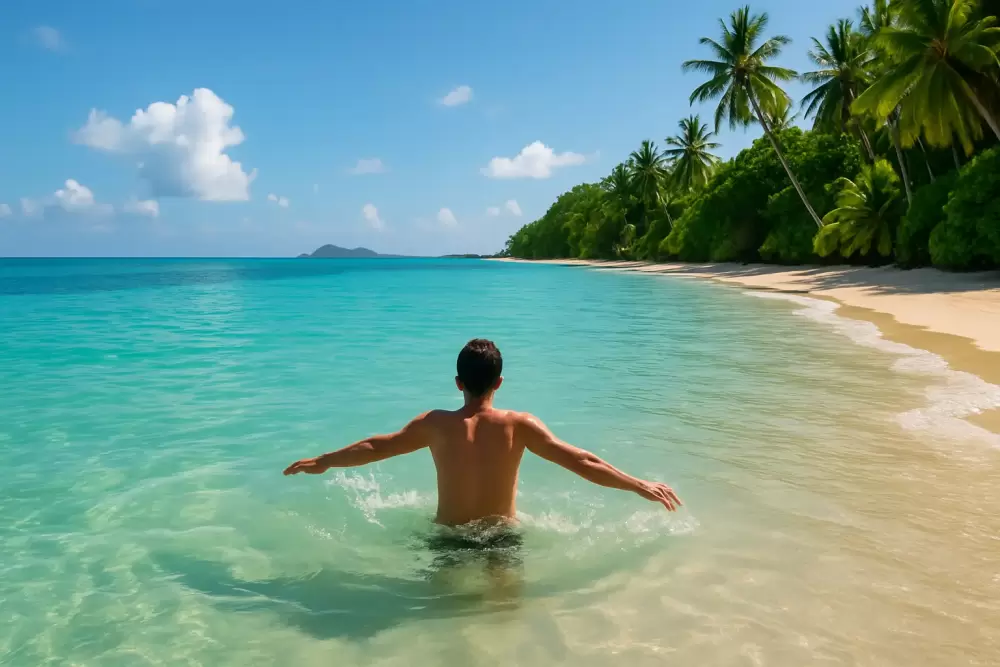
Summer can be a mixed bag. Coastal areas stay more manageable, but cities like Marrakech can get extremely hot. If you travel in July or August, plan slower days, prioritize places with pools or air conditioning, and expect afternoon heat to change your schedule.
Winter is more appealing than many beginners expect. Daytime sightseeing in cities can be pleasant, although mornings and evenings may feel cold. Desert nights get very chilly, and mountain areas can see snow. Pack layers, even if your photos goal is sunshine.
Getting around without making it complicated
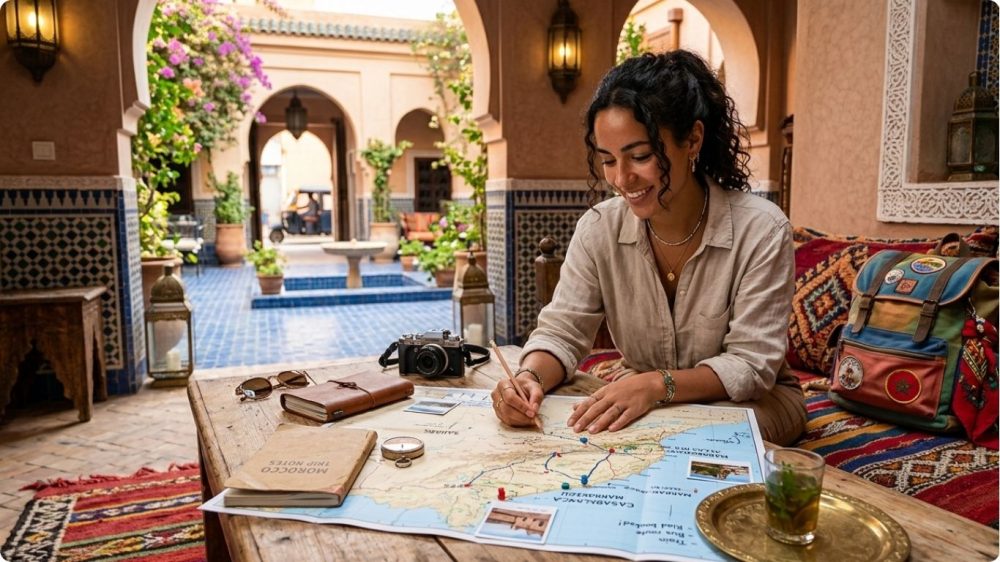
Morocco is easier to navigate than many first-time visitors assume, but your best transport option depends on your route. Trains are a strong choice between major cities such as Casablanca, Rabat, and Fes, and they can also connect you to Marrakech depending on your plan. They are generally comfortable and beginner-friendly.
For destinations not covered well by rail, private drivers and organized tours are common. This can be especially helpful for desert itineraries or mountain routes where logistics are less straightforward. It costs more than public transit, but it removes a lot of stress.
Buses are widely used and often budget-friendly, though comfort and travel times vary. If your goal is ease over absolute savings, trains and pre-arranged transfers are usually the better bet for a first trip.
Within cities, walking is part of the experience, especially inside medinas where cars cannot go. Download offline maps, keep your riad address handy, and expect that Google Maps may get confused in older neighborhoods.
What to wear and how to feel comfortable
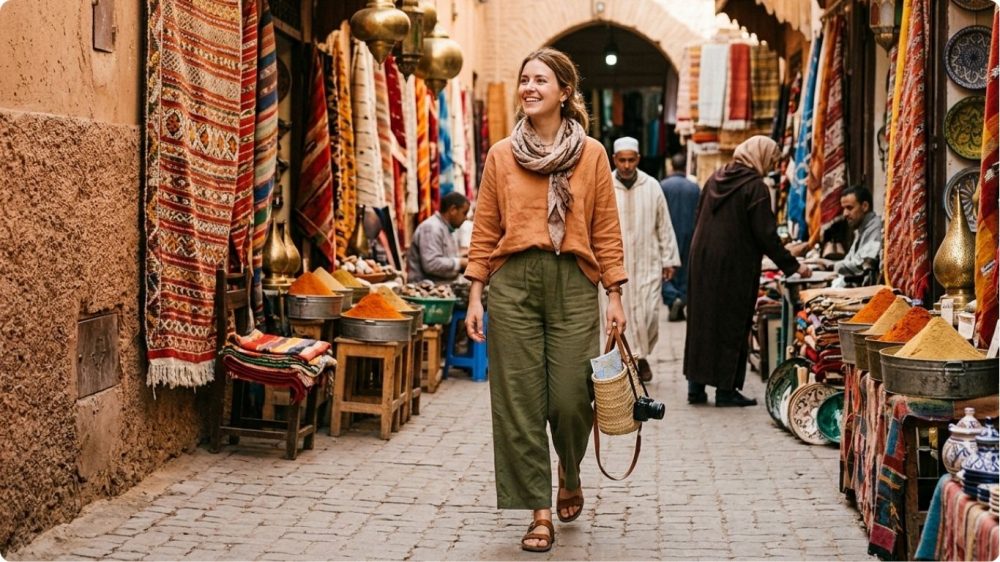
One of the biggest beginner questions is clothing. Morocco is not as strict as some travelers fear, especially in tourist-heavy areas, but modest dressing is still the easiest way to feel comfortable and respectful. For women, that often means loose pants, midi skirts, tops with some shoulder coverage, and a scarf that can be useful in religious or rural settings. For men, casual travel clothes are fine, though going shirtless away from pools or beaches is not a good look.
Comfort matters as much as respect. Medina streets can be uneven, dusty, and busy, so good walking shoes are a smart move. If you are visiting the desert, bring layers for the evening. If you are staying in riads during cooler months, know that beautiful old buildings can also feel surprisingly cold at night.
Money, bargaining, and everyday costs
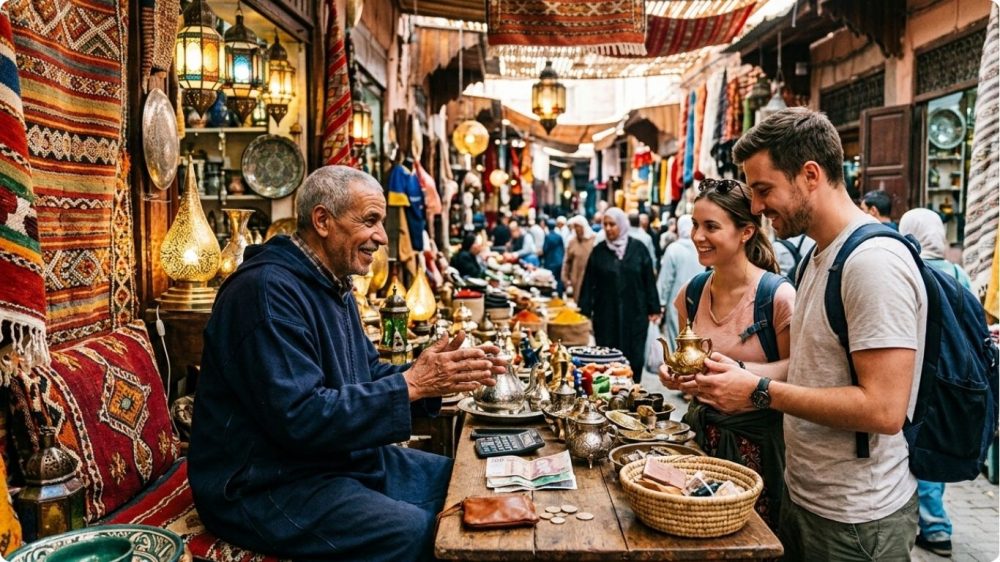
Morocco can work for a range of budgets. You can stay in charming riads without paying luxury rates, eat very well for reasonable prices, and still splurge on guided experiences when it counts. That said, costs rise fast if you rely only on private transfers and high-end accommodations.
Cash is still important, especially in medinas, smaller shops, and local cafes. Cards are accepted in many hotels and larger restaurants, but not everywhere. Keep smaller bills on hand.
Bargaining is part of shopping in many souks, and for beginners, the trick is to treat it as a conversation rather than a battle. Start lower than the first quoted price, stay friendly, and know your limit. If the process feels stressful, shop in fixed-price stores and move on. Not every purchase has to become a negotiation contest.
Safety and common first-timer concerns
Morocco is a popular destination for solo travelers, couples, and families, but like any busy travel spot, it rewards awareness. The most common issues for visitors are usually not serious crime. They are scams, overcharging, pushy sales tactics, and unwanted guiding in crowded medina areas.
A calm, confident attitude goes a long way. If you do not want help, a polite but firm no is enough. If someone offers directions and you did not ask, be cautious. For taxis, agree on the fare first if there is no meter in use. At night, stick to well-traveled areas and arrange transportation back to your hotel if needed.
Solo women can absolutely enjoy Morocco, though the experience may feel more comfortable with a bit more planning. Choosing well-reviewed riads, dressing modestly, and booking tours or transfers when arriving in a new city can make a big difference.
Food, culture, and how to enjoy the experience more
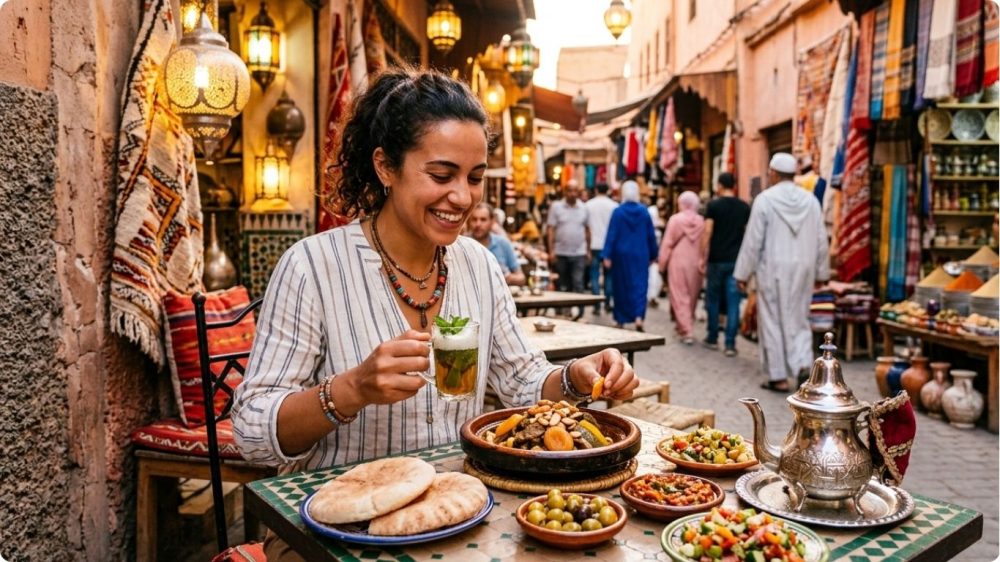
Moroccan food is one of the easiest ways to fall in love with the country. Tagines, couscous, grilled meats, fresh bread, olives, pastries, and mint tea all show up often, but meals vary by region and setting. Street food can be great, but if you have a sensitive stomach, start carefully and pay attention to how busy and clean a place looks.
Cultural etiquette is not hard to manage once you know the basics. Greet people politely, ask before photographing locals, and be respectful during religious moments and in more conservative areas. Alcohol is available in some hotels, restaurants, and bars, but it is not central to the culture in the way it is in some other vacation destinations.
The best first trip to Morocco is not the one where you cram in every famous stop. It is the one where you leave room to be surprised – by the color of the tiles, the quiet of a riad courtyard, the first sip of mint tea, and the moment the whole place starts to feel less intimidating and more like pure possibility.
save it on pinterest




Leave a Comment