
Kavala in northern Greece holds a rich legacy of faith. From this port city, travelers can reach sacred landmarks and pilgrimage routes with ease, making it a natural base for a Religious Tour from Kavala that connects visitors to centuries of worship and tradition. Its streets and monuments reflect the influence of both Christianity and Islam, offering a rare meeting point of spiritual cultures.
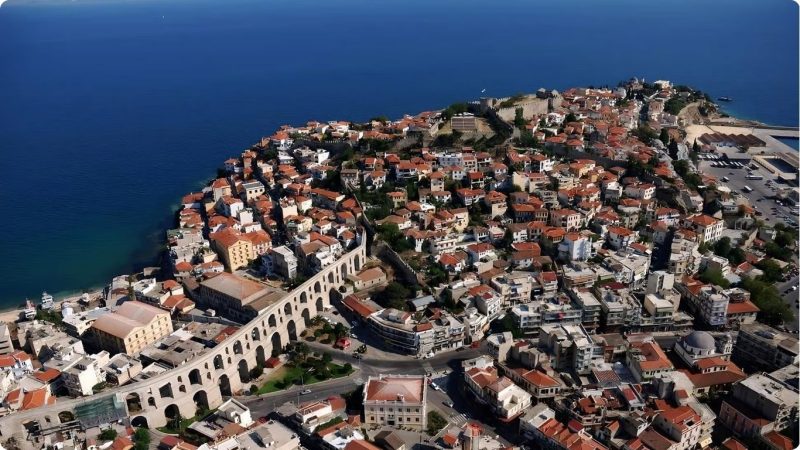
Visitors can trace the footsteps of Apostle Paul, who played a pivotal role in spreading Christianity. Kavala’s religious sites, like the ancient city of Philippi, are rich in history and culture. These sites offer a glimpse into the past and the enduring legacy of faith.
Kavala’s religious tours provide a spiritual journey through Greece’s sacred landscapes. They offer insights into the coexistence of different faiths over centuries. The city’s religious heritage is a testament to its historical and cultural development.
Kavala: Gateway to Greece’s Religious Heritage
Kavala stands as a beacon for those seeking to explore Greece’s religious heritage. This city, with its vibrant past, offers numerous sacred sites and meaningful experiences. The setting is perfect for pilgrims and history buffs alike.
The city features a diverse array of religious landmarks that tell stories of the past. From historic churches to ancient mosques, the variety reflects Kavala’s multicultural heritage. These sites are not just buildings; they are symbols of spiritual journeys and cultural synthesis.
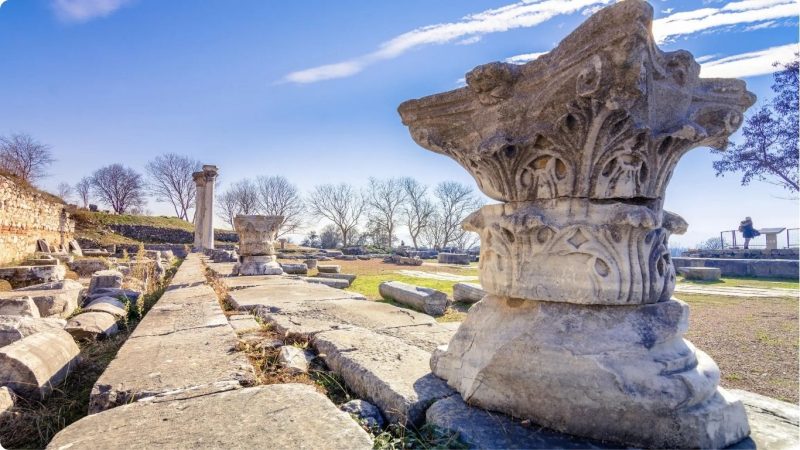
Kavala’s strategic location makes it a prime start for any religious tour in northern Greece. Key sites include the renowned Imaret and the Church of St. Nicholas. Each place offers a distinct narrative tied to religious and historical developments.
Key Highlights of Kavala’s Religious Heritage:
- Imaret: A historical building with Islamic roots
- Church of St. Nicholas: Linked to Apostle Paul
- Diverse religious festivals and events
Whether you seek spiritual growth or cultural enrichment, Kavala invites you to discover its sacred legacy.
The Apostle Paul’s Journey: Tracing Early Christianity
The journey of Apostle Paul left an indelible mark on the spread of Christianity. Kavala, known in ancient times as Neapolis, was a pivotal stop on his second missionary journey. This historic visit is a fundamental part of Kavala’s Christian heritage.
Visiting Kavala offers a chance to trace the steps of Apostle Paul. He is believed to have landed here on his way to Philippi. This journey led him to establish the first Christian church in Europe, underscoring the city’s significance in early Christianity.
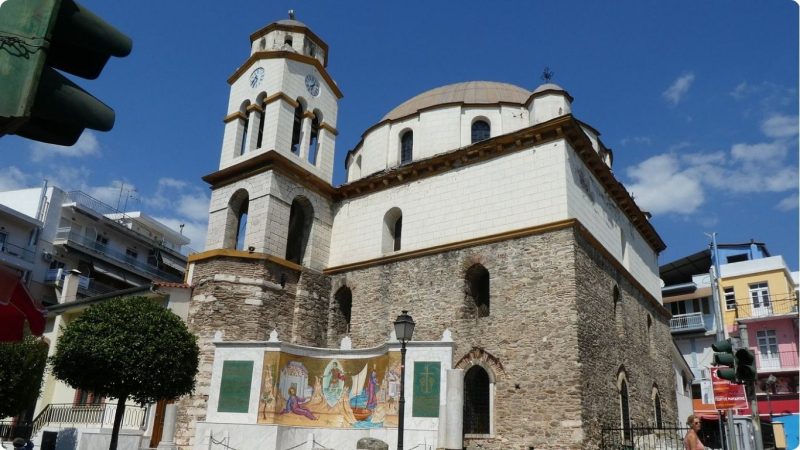
Key Sites Connected to Apostle Paul’s Journey:
- The Church of St. Nicholas: Built where Paul is said to have preached
- Ancient Philippi: Site of the first Christian congregation in Europe
- Neapolis Port: Entry point for Apostle Paul into Europe
These landmarks are not only historical treasures but also places for spiritual reflection. Pilgrims and tourists alike draw inspiration from Apostle Paul’s mission and message.
Kavala serves as more than just a reminder of the past; it connects visitors with the enduring influence of Christianity. Walking these sacred paths offers a profound glimpse into the spiritual beginnings that shaped European culture.
Philippi: UNESCO World Heritage and Pilgrimage Site
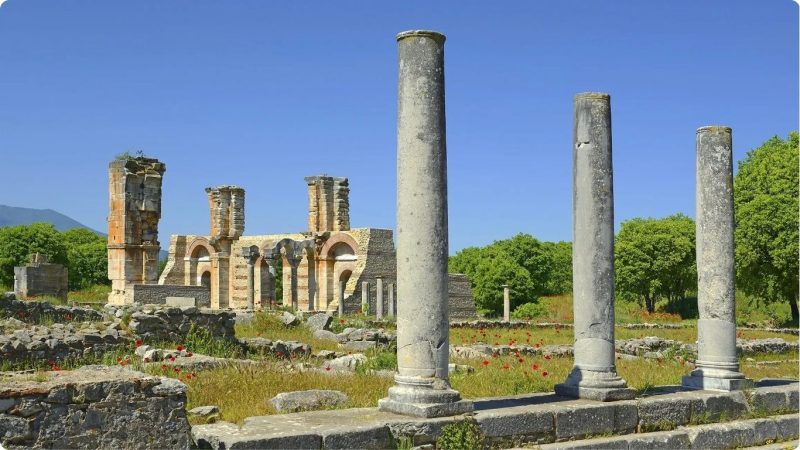
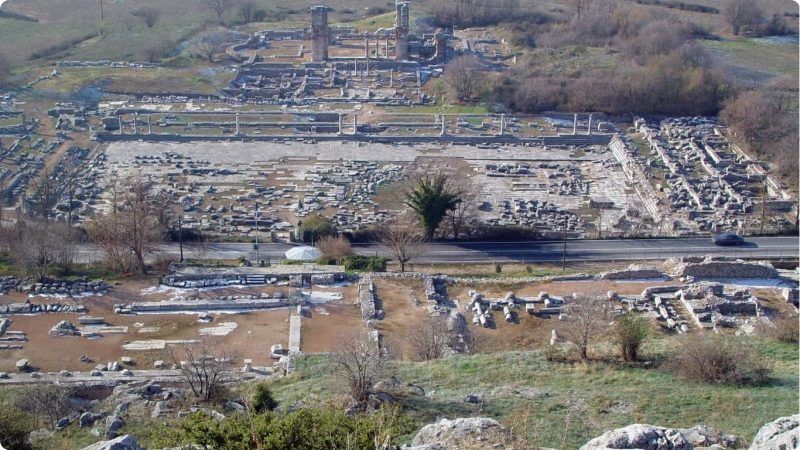
Nestled near Kavala, the ancient city of Philippi is a UNESCO World Heritage site. It stands as a significant pilgrimage destination, attracting visitors from around the globe. Founded in 356 BC by Philip II of Macedon, Philippi holds layers of rich history.
The city gained prominence when Apostle Paul visited Philippi, planting the seeds of Christianity in Europe. It was here that Paul established the first European Christian church. This pivotal moment is commemorated by the ruins of the Basilica and other Christian structures.
Philippi’s Significant Highlights:
- The Octagon: An early Christian church with stunning mosaics
- The Basilica: Monumental ruins representing early Christian architecture
- Roman Forum: Reflecting the city’s Greek and Roman history
Every year, pilgrims and history enthusiasts explore Philippi’s vast archaeological site. The blend of ancient ruins and spiritual history makes it a place of contemplation and discovery.
A visit to Philippi offers more than just historical insights. It provides a personal connection to the sacred narratives that began there. Standing amidst its ruins, one can feel the echoes of a vibrant past and the spiritual awakenings that transformed history.
The Baptistery of Lydia: A Sacred Christian Landmark
The Baptistery of Lydia is a revered site for Christian pilgrims. Situated near Philippi, it marks the spot where Lydia, the first convert to Christianity in Europe, was baptized by Apostle Paul. This site beautifully intertwines history with spirituality, offering visitors a profound experience.
[embedyt] https://www.youtube.com/watch?v=-URDfpNaMq8[/embedyt]
Standing by the banks of the River Zygaktis, the baptistery is enveloped in tranquility. It is a celebrated location for baptisms and spiritual reflections. The structure includes a modern chapel adorned with striking mosaics and intricate iconography that narrate biblical tales.
Key Features of the Baptistery:
- Site of Lydia’s baptism by Apostle Paul
- A peaceful riverside setting for reflection
- Chapel with beautiful modern mosaics
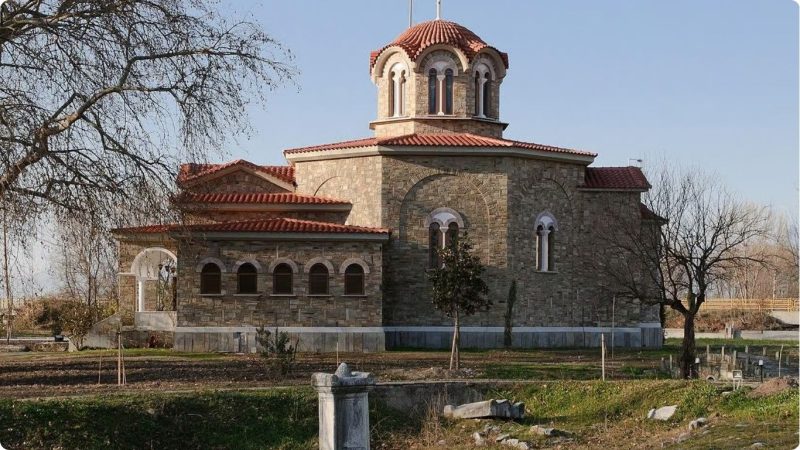
Visiting the Baptistery of Lydia offers more than just historical insight. It invites visitors to meditate on the roots of Christianity in Europe. The serene setting amplifies the spiritual significance, creating a memorable journey for the faithful.
Kavala’s Old Town: Churches, Mosques, and Multifaith Heritage
Kavala’s Old Town is a vibrant tapestry of faiths. Walking its cobblestone streets feels like stepping into another era. This area reflects a rich history where Christianity and Islam have coexisted.
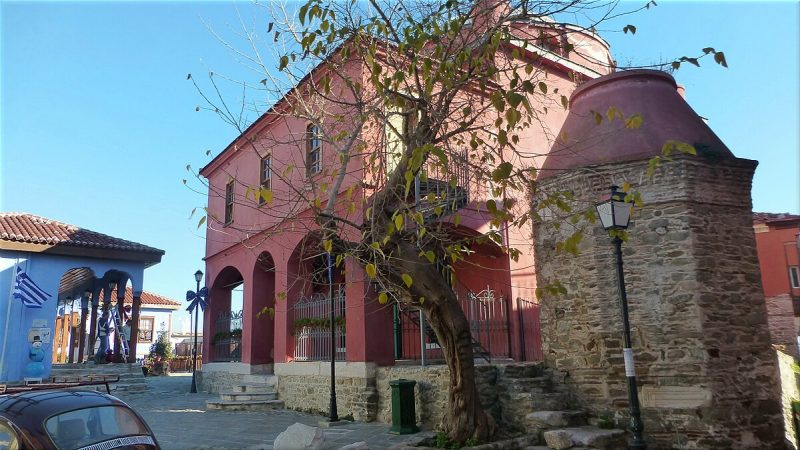
One of the major landmarks is the Church of St. Nicholas. Built on the site where Apostle Paul is said to have preached, this church is a testament to the enduring Christian heritage. Its architecture captivates, with Byzantine influences and intricate frescoes.
Nearby, the Halil Bey Mosque showcases Islamic architecture’s grandeur. Kavala’s rich past as a cultural crossroads is evident here. The mosque, with its elegant minaret, is a glimpse into the region’s diverse cultural history.
Highlighted Sites in Kavala’s Old Town:
- Church of St. Nicholas
- Halil Bey Mosque
- Imaret, a historical and religious complex
Beyond worship, these buildings embody the city’s multicultural spirit. Each site offers unique insights into the area’s religious history. Kavala’s Old Town is a must-visit for those interested in the interplay of different faiths over centuries.
Monasteries and Spiritual Retreats Near Kavala
Kavala’s surroundings offer serene escapes to monasteries and spiritual retreats. These sites provide peaceful settings for reflection and meditation. Their natural surroundings enhance the tranquility of the experience.
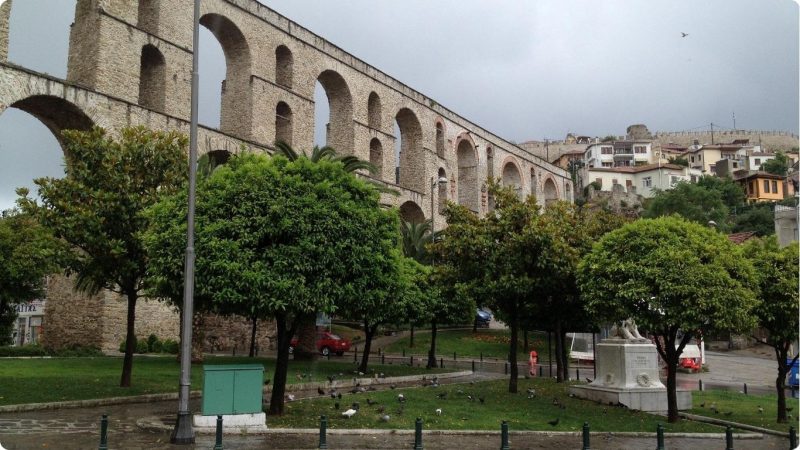
The Monastery of St. John the Baptist stands as a remarkable sanctuary. Nestled within lush landscapes, it invites visitors to unwind and connect spiritually. This monastery is not just a place of worship but a serene retreat for pilgrims seeking solace.
Visitors can explore picturesque monasteries nestled in the hills around Kavala. Walking through these sites reveals a blend of stunning architecture and calm. The balance of nature and spirituality at these retreats captivates the heart and soul.
Highlighted Retreats Near Kavala:
- Monastery of St. John the Baptist
- Monastery of Archangel Michael (off the coast)
- Monastery of St. Lydia
These monasteries offer more than just religious significance. They are gateways to understanding centuries of faith. Kavala’s spiritual retreats provide unparalleled opportunities for deep spiritual connection.
Religious Festivals and Spiritual Experiences in Kavala
Kavala hosts a variety of vibrant religious festivals throughout the year. These events celebrate the city’s rich spiritual heritage and attract many visitors. Each festival offers a unique glimpse into the traditions and values of the local community.
Attendees can participate in ceremonies filled with music, dance, and cultural performances. These gatherings are not only joyful occasions but also opportunities for spiritual growth. The atmosphere at these festivals is lively and welcoming, creating a sense of belonging for everyone involved.
Besides festivals, Kavala offers numerous spiritual experiences for visitors. From participating in prayer services to engaging in guided meditation sessions, there are countless ways to connect with your faith. These experiences enrich the spiritual journey for both locals and travelers alike.
In Kavala Greece the Feast of Saint Paul is a prominent yearly festival held in late June that aligns with the city’s liberation anniversary on June 26 and culminates on June 29.
Notable Spiritual Events in Kavala:
- Feast of St. Paul
- Assumption of the Virgin Mary
- Easter Celebrations
Engaging in these festivals and experiences allows visitors to dive deep into the spiritual essence of Kavala. These events foster a sense of unity and reverence among participants, making them unforgettable parts of a religious tour from Kavala.
Planning Your Religious Tour from Kavala: Practical Tips
Organizing a religious tour from Kavala can be an enriching experience. Start by researching the sites you wish to visit. Ensure they align with your spiritual interests and schedule.
Transportation is a crucial aspect of your planning. Kavala is well-connected by bus and ferry services, offering easy access to nearby sacred sites. Renting a car might also provide flexibility for your itinerary.
Consider the time of year when planning your trip. Kavala’s mild climate makes it a year-round destination, but religious festivals can add a special dimension to your visit. Check local event schedules to enhance your experience.
Choosing the right accommodation adds comfort to your journey. Consider staying near the Old Town or along the coastline for picturesque views and proximity to key sites.
Important Planning Considerations:
- Researching sacred sites
- Transportation options
- Timing and climate
- Accommodation choices
Prepare for your tour by packing modest attire suitable for religious sites. Finally, engage with local tour guides for deeper insights into the rich spiritual landscape of Kavala.
Beyond the Sacred: Culture, Cuisine, and Local Hospitality
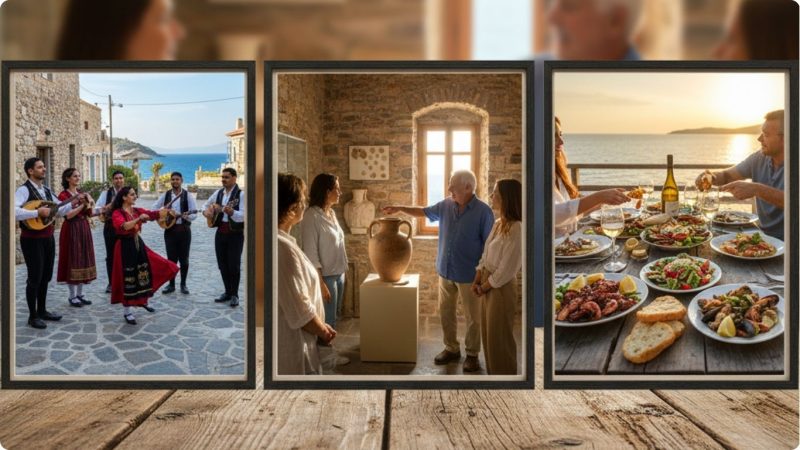
Kavala offers more than its sacred sites. After exploring, dive into the rich culture and vibrant local life. The city is renowned for its warm hospitality, making visitors feel welcome and valued.
Savoring the local cuisine is a must. Experience traditional Greek flavors, with fresh seafood being a highlight. Local taverns and markets serve dishes that reflect the region’s diverse culinary heritage.
Enhance your Kavala experience with these cultural elements:
- Traditional Greek performances
- Visits to local museums
- Sampling fresh seafood dishes
Let the local charm of Kavala elevate your journey. Relish the harmonious blend of spiritual and cultural experiences available in this historic city.
Conclusion: Embracing the Spiritual Heart of Greece
Kavala offers a unique fusion of spirituality and history. This city invites you to connect deeply with its religious heritage. Every site tells a story of faith and resilience.
As you embark on this journey, embrace the spiritual heart of Greece. Discover how the sacred and the everyday intertwine in this enchanting region. Allow Kavala’s enduring legacy to leave a lasting impression on your soul.






Leave a Comment