
Key takeaways
- Japan welcomed 42,683,600 international visitors in 2025, so book flights and popular lodging two to three months ahead to beat the crowds.
- The classic first-timer route runs Tokyo to Kyoto to Osaka, a line the shinkansen covers in a few hours end to end.
- A rail pass pays off only if your long-distance trips outvalue the flat price, so map your route before you buy.
- Spring and autumn offer the best weather but the biggest crowds; Tokyo’s cherry blossoms typically open around March 20.
- Carry cash, stay quiet on trains, and learn a few polite phrases to travel comfortably as a first-timer.
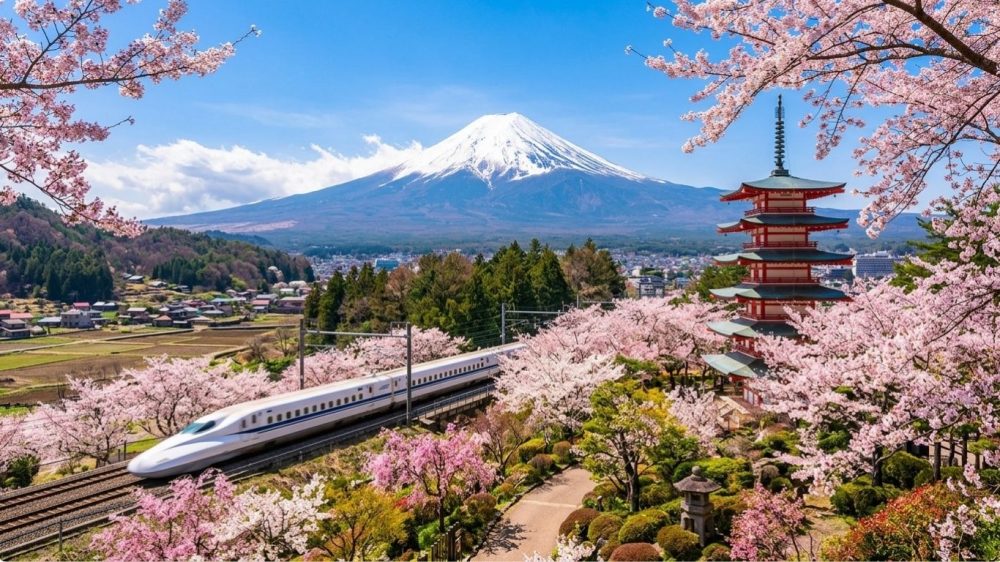
Start by picking your travel dates, then build a simple Tokyo-Kyoto-Osaka route around them and sort transit before you book anything else. Those three decisions shape your budget, your packing list and how much ground you can cover. This guide walks through how to plan a trip to Japan one step at a time, from choosing the right season to the etiquette that keeps a first visit smooth.
Japan is busier than ever. The country welcomed 42,683,600 international visitors in 2025, a record that climbed roughly 10 million above its pre-pandemic peak (Travel Voice, 2026). Popular hotels and trains fill fast, so a little planning pays off.
| Timeline | Planning Step | Action Items & Tips |
|---|---|---|
| 6–9 Months Out Phase 1 |
Season & Route Selection | Decide timing (Spring Sakura vs. Autumn Foliage). Outline core cities (e.g., Tokyo–Kyoto–Osaka corridor). Set budget & duration. |
| 4–6 Months Out Phase 2 |
Flights & Key Bookings | Track & lock in flights. Reserve demand-heavy stays like traditional Ryokans or boutique Tokyo hotels early. |
| 2–3 Months Out Phase 3 |
Transit & Attraction Passes | Compare Shinkansen fares vs. Regional/JR Passes. Reserve high-demand tickets (Ghibli Museum, teamLab, Shibuya Sky). |
| 2–4 Weeks Out Phase 4 |
Connectivity & Logistics | Order eSIM / Pocket Wi-Fi. Load digital Suica/Pasmo card on Apple/Google Wallet. Check visa requirement rules. |
| 1 Week Before Phase 5 |
Final Prep & Packing | Complete Visit Japan Web (immigration/customs QR). Inform bank of travel. Pack comfortable walking shoes & slip-ons. |
When Is the Best Time to Visit Japan?
The best time depends on what you want to see. Spring and autumn deliver the mildest weather and the famous scenery, but they also draw the largest crowds and the highest prices. In 2026, Tokyo’s cherry blossoms were forecast to open around March 20 (Nippon.com, 2026), with full bloom following about a week later.
Match the season to your interests. Cherry blossom chasers aim for late March into early April, when parks across the country fill with picnic blankets and the trees hold their color for only a fleeting week or two. Fall color peaks in November. Summer brings heat, humidity and lively festivals, while winter rewards skiers and anyone who wants quieter temples and cheaper flights.
If your top priority is low cost, travel in the shoulder weeks. Late January through early March and the rainy stretch of June usually bring the softest airfare and hotel rates, since they sit outside the two peak windows. You trade some weather certainty for real savings and thinner crowds.
How Do You Map a Route Between Tokyo, Kyoto, and Osaka?
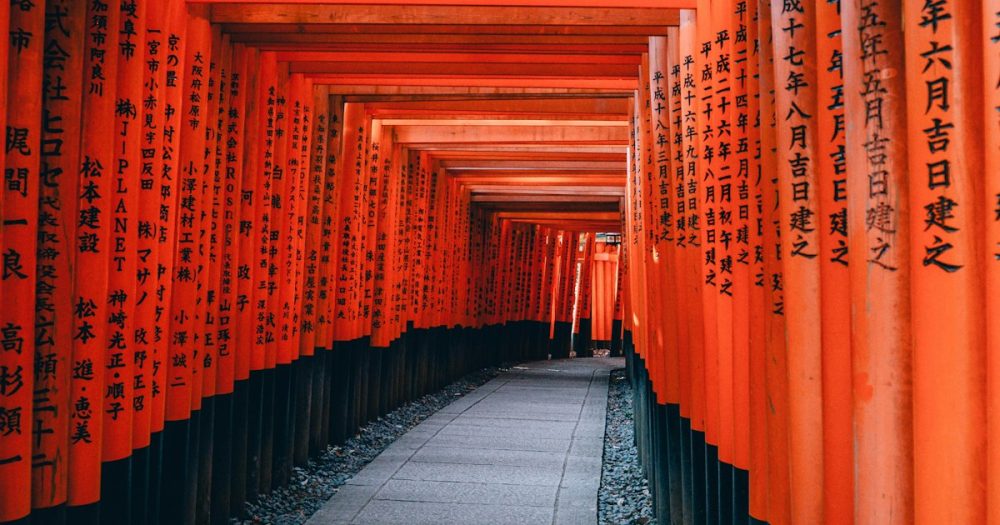
The standard first-timer route runs in a line: Tokyo, then Kyoto, then Osaka. These three cities sit along the same high-speed corridor, and the shinkansen links them end to end in a few hours. That geography makes the trio the easiest introduction to the country for anyone learning how to plan a trip to Japan.
A workable rhythm for a 7 to 10 day visit looks like this. Give Tokyo three full days for its neighborhoods, museums and day trips. Move to Kyoto for two or three days of temples, gardens and the old city. Finish with a day or two in Osaka for food, nightlife and its easy airport access.
Plan the cities in one direction so you never double back. Fly into Tokyo (Haneda or Narita) and out of Osaka (Kansai), or reverse it. An open-jaw ticket that lands in one city and departs from another saves a long return leg and frees up most of a day.
Should You Get a Japan Rail Pass?
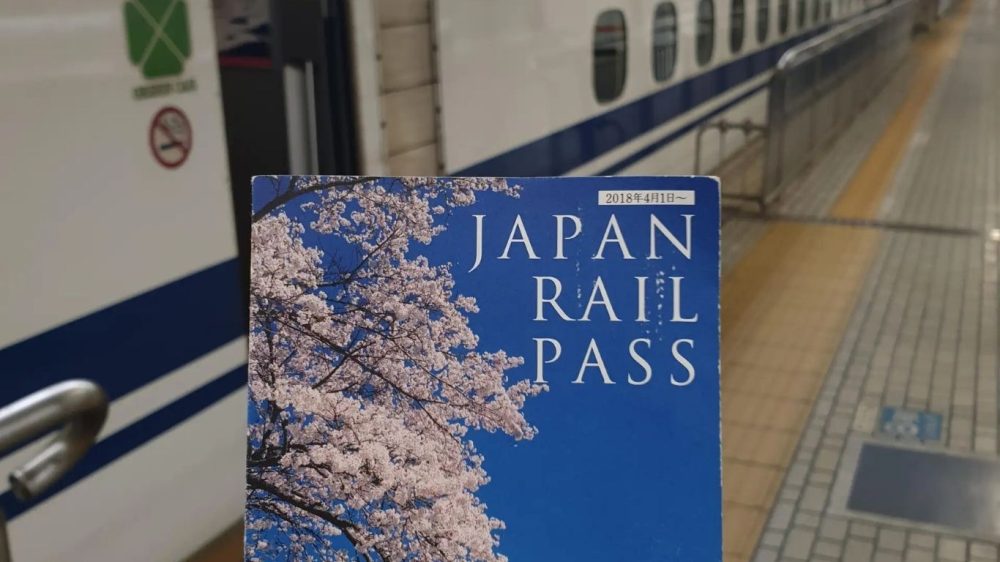
A Japan Rail Pass is a flat-price ticket for unlimited travel on most JR trains over 7, 14 or 21 days. It only saves money when your long-distance trips add up to more than the pass itself. For a short Tokyo-Kyoto-Osaka loop with limited backtracking, individual bullet train tickets often cost less than a full pass.
Do the math before you buy. Add up the fares for every long-distance ride you actually plan to take, then compare that running total against the current pass price so you can see at a glance whether the flat rate earns its keep over your specific route. Prices change often. Check the official rate close to your trip rather than trusting an old figure. If one or two big journeys dominate your itinerary, point-to-point tickets usually win.
Inside the cities, the real workhorse is a rechargeable IC card like Suica or ICOCA. Tap it to ride subways, buses and local trains, and use it to pay at convenience stores and vending machines. For moving between cities, trust the free Google Maps transit directions, which handle Japanese train schedules reliably.
How Do You Budget for Food, Lodging, and Attractions?
Budget in three buckets: lodging, food and activities. Lodging is usually the largest. A capsule hotel or hostel bed sits at the low end, business hotels fill the middle, and ryokan inns or international chains top the range. Booking two to three months ahead protects both price and availability during busy seasons.
Food can be a bargain. Convenience store meals, standing noodle bars and conveyor-belt sushi feed you well for very little, while a single high-end kaiseki dinner can cost as much as a night’s hotel. Mix the two. Attraction costs stay modest overall, since many shrines, gardens and neighborhoods are free or charge only a small entry fee.
Keep cash on hand. Japan has modernized its payments, yet many small restaurants, family shops and rural temples still prefer yen notes over cards. Draw cash from 7-Eleven or post office ATMs, which reliably accept foreign cards, and carry more than you think you will need on temple-heavy days.
What Cultural Etiquette Should First-Timers Know?
A few habits cover most situations. Trains are quiet spaces, so keep phone calls for later and your ringer off. Remove your shoes when entering homes, many traditional restaurants and temple halls where a step up or a rack of slippers signals the boundary. Tipping is not expected anywhere and can cause confusion.
Small courtesies carry weight. Learn a couple of phrases, arigato gozaimasu for thank you and sumimasen for excuse me, and you will be met warmly. Handle money and business cards with both hands, and bow your head slightly as a simple sign of respect. Queue neatly and let people exit trains before you board.
Dining has its own rhythm too. Do not stick chopsticks upright in rice or pass food chopstick to chopstick, since both echo funeral rites. Slurping noodles is normal and even welcome. When in doubt, watch what locals around you do and follow their lead quietly.
How to Plan a Trip to Japan Without Overpacking the Schedule
Lock your dates first, sketch the Tokyo-Kyoto-Osaka line second, and price your transit third. Once those three are set, hotels and day plans fall into place quickly. For your next step today, open a flight search for your chosen window and compare an open-jaw Tokyo-in, Osaka-out fare against a standard round trip. That single comparison usually decides the shape of the whole trip.
If you are weighing Japan against a more relaxed getaway, our guide to the best adults-only resorts in Costa Rica offers a different kind of itinerary to compare. For more destination guides and route ideas, Travelinntour is built to help first-timers plan with confidence.
Frequently asked questions
How many days do you need to plan a trip to Japan?
Seven to ten days suits a first visit covering Tokyo, Kyoto and Osaka. That gives you three full days in Tokyo, two or three in Kyoto, and a day in Osaka without rushing between cities.
When is the cheapest time to visit Japan?
Late January through early March and the rainy weeks of June tend to bring the lowest flight and hotel prices, since these fall outside the cherry blossom and autumn foliage peaks.
Is a Japan Rail Pass worth buying?
It depends on your route. The pass is a flat price, so it saves money only when your long-distance bullet train trips would cost more individually. Add up your planned fares first, then compare.
Do you need to speak Japanese to travel in Japan?
No. Major stations, signs and menus in tourist areas include English, and translation apps cover most gaps. Learning a few polite phrases like arigato gozaimasu goes a long way socially.
How much cash should you carry in Japan?
Carry more than you expect. Many small restaurants, temples and rural shops still prefer cash, though cards and IC transit cards are widely accepted in cities and convenience stores.




Be the first to comment