
This kyoto travel guide is meant to make your planning much easier. You can rely on this carefully shaped best 4 day Kyoto itinerary, created through experience across several trips, to help you get the most out of your four days in the city.
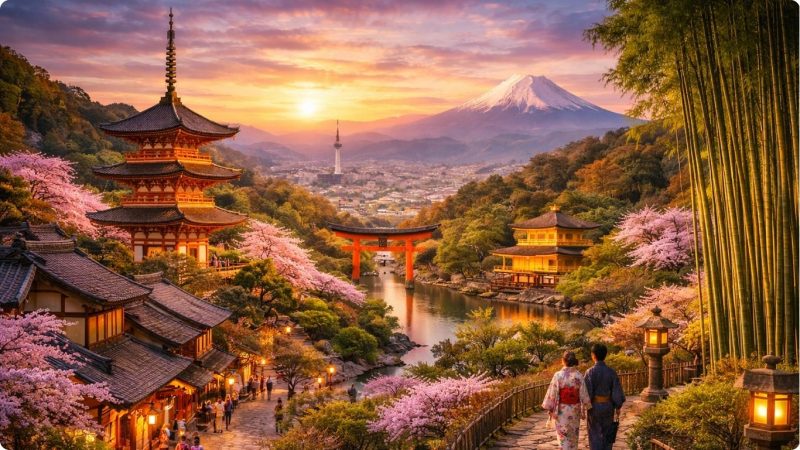
It bundles sights by region to cut travel time, advises early visits to avoid crowds, and highlights must-see neighborhoods, temples, and restaurants so you can plan each day efficiently and confidently.
Overview of Kyoto’s Attractions
Historical Significance
Dating back to 794 when Kyoto became Japan’s imperial capital, the city stayed central until 1868; you can explore 17 UNESCO World Heritage sites grouped as the Historic Monuments of Ancient Kyoto, including Kiyomizu-dera, Kinkaku-ji, and Nijo Castle. Many streets still feature wooden machiya and centuries-old festivals that shaped Japan’s political and religious history.
Cultural Highlights
You’ll encounter living traditions at every turn: sado (tea ceremony), kaiseki multi-course dining, and geisha performances in Gion. Gion Matsuri each July (originating in 869) showcases elaborate floats, while Nishiki Market supplies chefs and offers tasting stalls-plus hands-on crafts like kintsugi and Nishijin weaving are widely available.
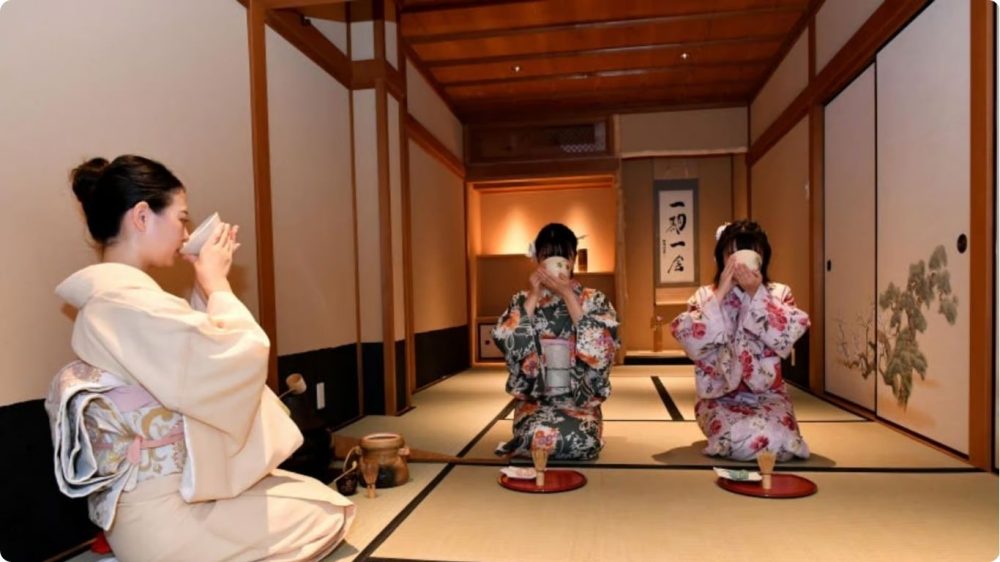
Book specific experiences to deepen your trip: reserve a 10-12 course kaiseki (typical price ¥6,000-¥30,000), join a sado lesson near Higashiyama, or take a Wabunka kintsugi workshop; most workshops run 2-3 hours and accept advance bookings to secure prime time slots.
Natural Beauty
You’ll see dramatic seasonal displays-cherry blossoms late March-early April and maple colors in November-framed by spots like the Arashiyama Bamboo Grove, the Kamo River, and the Philosopher’s Path (about 2 km). Kyoto rests between mountains (Mount Hiei, Kurama), giving you short hikes with temple views and quiet valleys.
To maximize scenery, rise early: Arashiyama’s first trains around 7:00 am beat crowds and give calm photos at Togetsukyo Bridge. Kurama-dera is a 2-3 hour round-trip hike, and gardens such as Ryoan-ji or Kōdaiji take 45-90 minutes each-plan timing by season for the best light and foliage.
Trip Planning Essentials
Choosing the Right Time to Visit
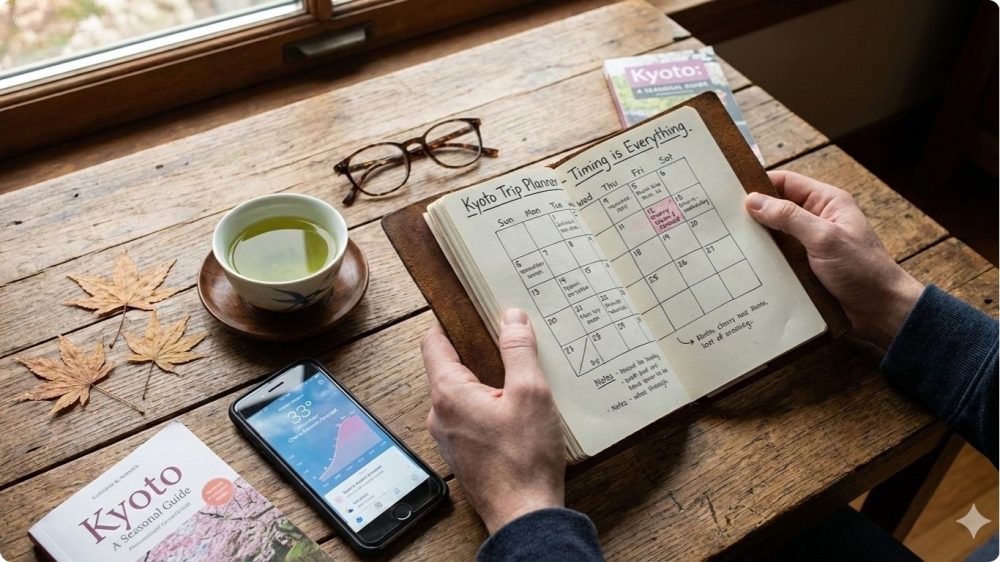
You’ll want to target late March-early April for cherry blossoms or mid‑November for peak autumn color; both windows bring heavy crowds and higher rates. Avoid Golden Week (late April-early May) and Gion Matsuri’s biggest days in July if you dislike crowds. Expect summer highs of 30-35°C and humid conditions in July-August, and winter lows around 0-5°C in January, so plan clothing and bookings accordingly.
Understanding Kyoto’s Seasons
Spring delivers sakura (late March-early April) and mild temps (10-20°C), while summer brings Gion Matsuri in July and sticky humidity. Autumn’s foliage peaks mid‑November with crisp days (8-18°C), and winter offers quiet temples and occasional snow. Each season changes crowd patterns dramatically, so align your must‑see sights-Arashiyama bamboo early mornings in spring, Philosopher’s Path during cherry bloom-for best results.
Digging deeper, you should pack in layers for spring/fall-mornings often start near 5-10°C and warm to 18-22°C by afternoon-whereas summer needs breathable fabrics and an umbrella for typhoon season (September). Book hotels 3-6 months ahead for cherry blossom and autumn foliage; I’ve seen nightly rates jump 20-50% during peaks. Festivals: Gion Matsuri runs all July with the main parade mid‑July, and Jidai Matsuri is on October 22-time your days around those events if you want to attend or avoid the crowds.
Booking Accommodations
Base yourself near downtown (Pontocho/Nishiki) or close to Kyoto Station to cut transit time; expect budget business hotels from ¥5,000-10,000, mid‑range ¥12,000-30,000, and luxury ¥40,000+. Consider a ryokan or machiya for one night to experience traditional lodging, and reserve at least 2-3 months ahead for shoulder seasons and 3-6 months for cherry blossom or autumn color.
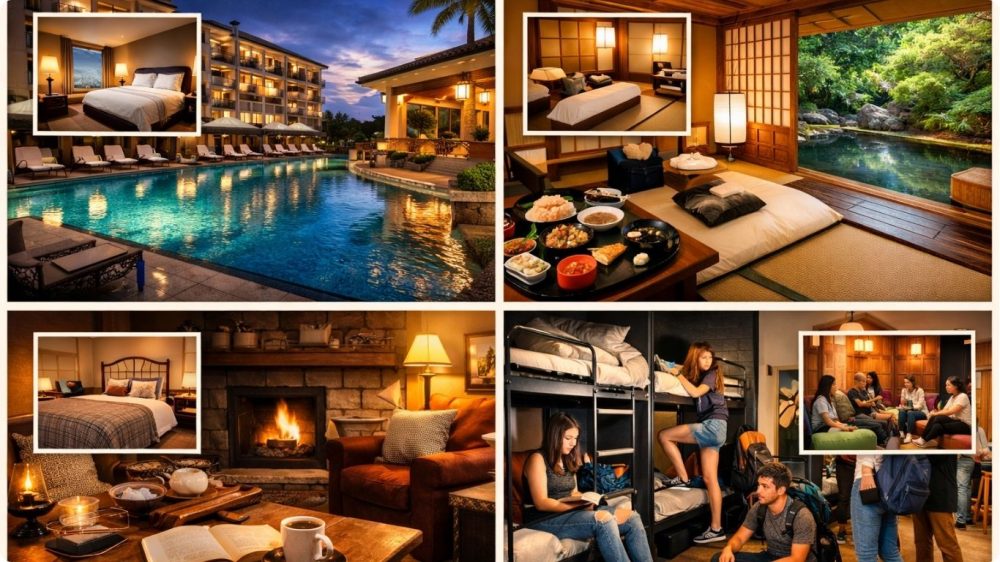
When choosing rooms, prioritize proximity to a subway or major bus stop-taxis can be ¥1,000-2,500 for short hops-and check whether the property offers luggage storage if you plan day trips. Small room sizes are typical, so look for hotels advertising “spacious” or “western style” if you need more room. For itineraries that bundle neighborhoods, split your stay: 2-3 nights central, 1 night in Arashiyama or a ryokan near Gion. Use Booking.com, Rakuten Travel, or direct hotel sites to compare cancellation policies and whether breakfast is included; my own stays (Kyoto Granbell Hotel for value, Ritz‑Carlton Kyoto for luxury) show location and service make a big difference in daily logistics.
Types of Accommodations in Kyoto
| Hotels | Wide range from budget business hotels to luxury properties; expect mid-range ¥8,000-¥25,000/night and luxury ¥30,000+ (examples: Kyoto Granbell Hotel, Ritz-Carlton Kyoto); best near Kawaramachi, Kyoto Station for transit. |
| Traditional Inns (Ryokan) | Tatami rooms, futon bedding, and often kaiseki dinners; typical rates ¥15,000-¥40,000+ per person when meals included; concentrated in Higashiyama and Gion with limited rooms per inn. |
| Short-Term Rentals & Airbnbs | Entire apartments and private homes ideal for groups or longer stays; nightly ranges ¥8,000-¥25,000; check local registration under Japan’s minpaku law and neighborhood rules. |
| Guesthouses & Hostels | Budget dorms and private rooms from about ¥2,000-¥6,000/night; social atmosphere, perfect for solo travelers and those on tight budgets; many near downtown sights. |
| Temple Stays (Shukubo) | Simple tatami rooms with vegetarian shojin-ryori and morning ceremonies; immersive cultural option with limited availability-book early for a quiet, spiritual experience. |
- Book for peak windows (cherry blossom late Mar-Apr, autumn colors in Nov) at least 2-3 months ahead.
- Pick a base near a subway or main bus line to save transit time; Kawaramachi and areas by the Kamo River are very convenient.
- Check whether breakfasts or kaiseki dinners are included-meals can significantly raise the nightly cost but add a cultural highlight.
Hotels
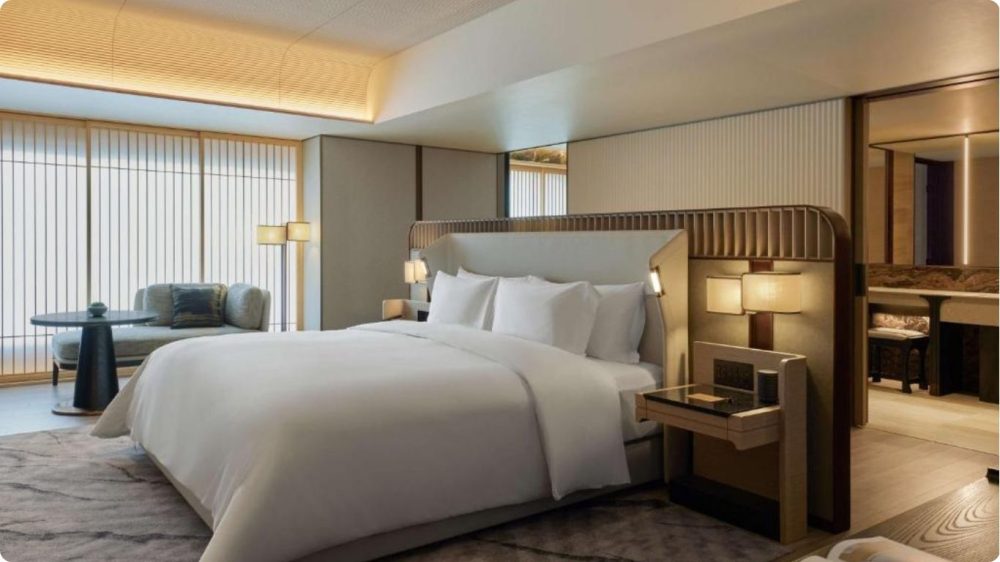
You’ll find everything from efficient business hotels to boutique stays; mid-range properties (¥8,000-¥25,000/night) are plentiful downtown, and luxury options like the Ritz-Carlton Kyoto start around ¥30,000+. If you want to walk to Nishiki Market or Pontocho Alley, prioritize Kawaramachi or the riverside for the best access to cafés and evening strolls.
Traditional Inns (Ryokan)
You should expect tatami flooring, futon bedding, and often included kaiseki meals when staying at a ryokan; many in Higashiyama and Gion emphasize tranquility and classical design, with room counts small enough that availability fills quickly during peak seasons.
More often than not, ryokan will require you to arrive by a set time for dinner, and some offer private baths rather than public onsen since Kyoto isn’t an onsen hub. You’ll get attentive service-think yukata, slipper etiquette, and staff who’ll help with luggage-so book a ryokan if you want an immersive, traditional night rather than just a place to sleep.
Short-Term Rentals and Airbnbs
You’ll gain more living space and a kitchen with short-term rentals, which makes them ideal for families or longer stays; prices vary by neighborhood but expect ¥8,000-¥25,000/night, and many listings advertise proximity to subway stops and local markets.
More to consider: since Japan’s minpaku rules tightened in 2018, some neighborhoods restrict short-term rentals and require registration-check the property’s registration number and house rules (noise, garbage sorting, check-in windows). For group trips, pick a rental near Pontocho or central Kyoto to keep walking distances short and start your days earlier to beat crowds. Knowing which accommodation type best matches your priorities-location, cultural experience, or budget-will make planning your 3-4 days in Kyoto much easier.
Key Factors to Consider Before Your Trip
- Plan mornings early – many top sights like Arashiyama and Fushimi Inari are best before 8:00 to avoid crowds.
- Bundle neighborhoods (Gion + Higashiyama, Arashiyama + Kinkaku-ji) to cut transit time and taxi costs.
- Pre-purchase a JR Rail Pass if you’ll travel between cities; it’s valid on JR lines but not on Kyoto city buses.
- Carry cash: small shops, markets like Nishiki, and some ryokans still prefer yen over cards.
- Download offline maps and get a prepaid SIM or pocket Wi‑Fi for on-the-go navigation and translations.
- Book high-demand restaurants and cultural workshops (tempura, kintsugi) at least 2-4 weeks in advance.
Transportation Options
You’ll rely on a mix of JR lines, Kyoto Subway (Karasuma and Tozai), and the city bus network – routes 100 and 206 cover many tourist loops. Purchase an IC card (ICOCA/Suica) for seamless tap-and-go fares, and use taxis selectively when transfers get messy; a short taxi from Kyoto Station to central downtown saves you 800-1,200 JPY and a lot of hassle. Aim for the first train to Arashiyama (~07:00) to beat crowds.
Local Currency and Payment Methods
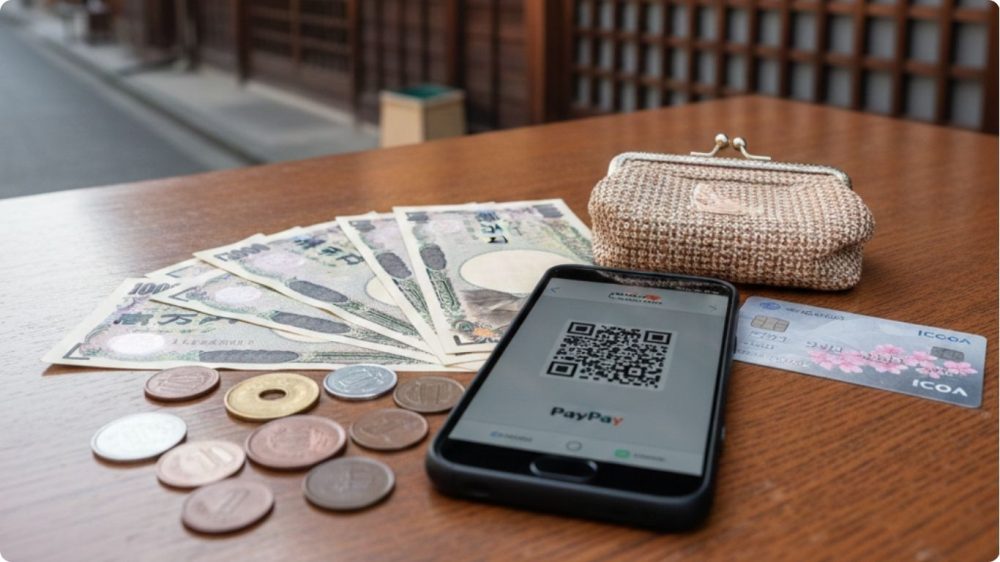
You should expect to use Japanese yen (JPY) for most purchases; while credit cards are accepted at hotels and larger restaurants, many markets and small eateries are cash-only. ATMs that accept foreign cards are available at 7‑Eleven and Japan Post offices, and having an IC card like ICOCA covers transit and convenience-store payments. Carry at least 10,000-20,000 JPY in cash when you arrive to avoid surprises.
Exchange cash at airports for convenience, but for better rates withdraw larger sums from 7‑Eleven ATMs or Japan Post ATMs in major stations once you’re in the city – they typically accept Visa, Mastercard, and Maestro.
Notify your bank before travel to reduce card blocks, and keep one backup debit or credit card stored separately. If you plan to buy souvenirs like a custom Aritsugu knife ($150-300) or reserve multi-course meals (tempura pre-fixe around ¥8,000-¥15,000), factor those cash needs into your budget and confirm payment methods when booking.
Language and Communication
You’ll find English signage at major stations and tourist sites, but staff English fluency varies – having offline map data and Google Translate is invaluable. Pre-purchase a SIM or pocket Wi‑Fi so you can look up timetables, menus, and reservation details; a data-only SIM with 3-10 GB typically covers a 3-4 day stay. Learn a few phrases like “sumimasen” and “arigatou” to smooth interactions.
This extra connectivity lets you pull up route maps, bilingual menus, and local reviews instantly, and you can download language packs for offline translation – saving time when booking last-minute reservations or checking temple hours. Additionally, many restaurants display photos or English menus during peak seasons, but for smaller izakayas and family-run shops you’ll often need to point, show addresses in Japanese, or use simple phrases; carrying a note with your hotel address in Japanese is a practical backup.
Successful Kyoto Trip Tips
- Bundle sights by neighborhood to cut transit time and save taxi fares – group Arashiyama, Kinkaku-ji and northern temples separately from downtown Gion and Higashiyama.
- Pre-book high-demand dinners (tempura, kaiseki) and a few workshops; Tempura Endo and popular ryotei often require reservations weeks in advance.
- The earlier you start (first trains ~6:30-7:30), the better your chances at Arashiyama and the Philosopher’s Path before crowds arrive.
Essential Packing List
Pack comfortable walking shoes (you’ll average 8-12 km a day), a compact umbrella, a portable charger (10,000 mAh), an IC card (ICOCA/Suica) preloaded with ¥3,000-5,000, your JR Pass voucher if using it, a SIM or pocket Wi‑Fi, a small daypack, reusable water bottle, and a few cash notes (aim for ¥10,000) since some smaller shops prefer cash.
Navigating Public Transport
Use an IC card for trains, buses and convenience stores and activate your JR Pass at Kyoto Station if needed; local buses run frequently with many lines charging a flat fare (~¥230), while Keihan, Hankyu and JR lines cover specific corridors – Keihan is great for Gion and Fushimi, Hankyu for Arashiyama, and JR for long-distance hops.
Download offline maps and timetables (HyperDia or Google Maps) before you go, check bus 100/206 for popular temple routes, and use station lockers at Kyoto Station or near Kiyomizu‑dera (¥400-¥700) to avoid lugging bags; taxis are handy late at night but expect an initial fare around ¥410-¥730 and surge during peak hours.
Dining Etiquette and Food Tips
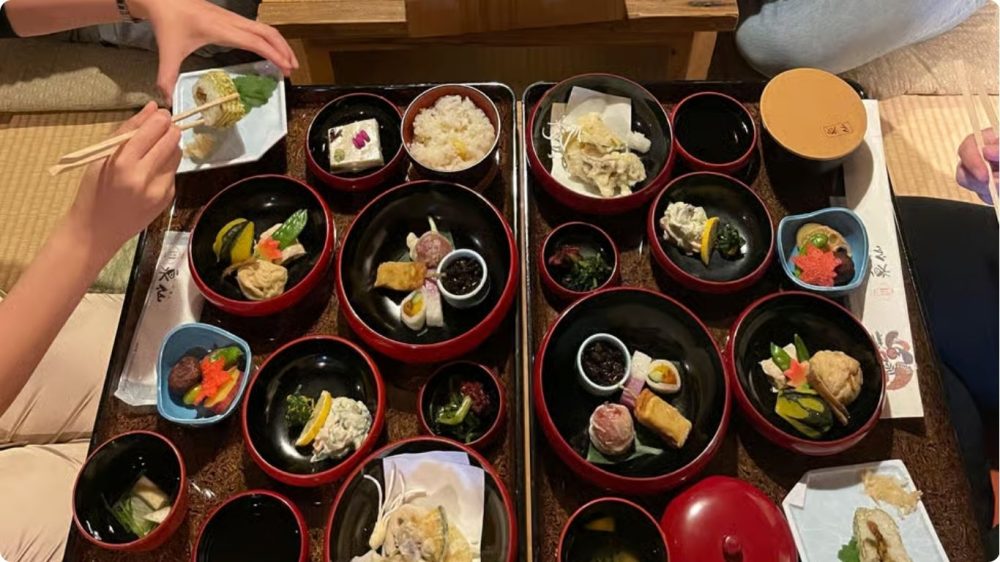
Queue quietly at popular stalls, avoid tipping (it’s not customary), wait to be seated at small restaurants, and use chopsticks properly – don’t stick them vertically in rice or pass food chopstick‑to‑chopstick; budget ¥1,000-3,000 for market meals and reserve ¥10,000+ for a full kaiseki experience.
- Don’t tip – exceptional service is built into the price.
- Many small kitchens accept only cash, so keep some yen on hand.
- Knowing to make reservations for high-end tempura and kaiseki spots prevents disappointment.
Learn a few phrases (itadakimasu before eating, gochisousama after), pour drinks for your tablemates rather than yourself, and be mindful of tatami rules – remove shoes where required; for budget street food, try Nishiki Market for ¥200-800 snacks, and book Tempura Endo or similar restaurants at least 2-3 weeks ahead during high season.
- Use “sumimasen” to get a server’s attention politely.
- If dining in a ryokan or tatami room, expect shoe removal and modest dress.
- Knowing basic phrases and etiquette improves interactions in small, family-run restaurants.
Best 4 Day Kyoto Itinerary Showcasing Kyoto’s Must-See Attractions
Recommended Duration
You should aim for 4 days in Kyoto if possible – it lets you bundle regions (downtown, Arashiyama, Higashiyama/Gion, plus a spare day) to cut transport time. With 3 days, prioritize: Day 1 downtown/Nishiki, Day 2 Arashiyama + Kinkaku-ji, Day 3 Higashiyama, temples and Gion. Allocate 2-3 hours for temple clusters and reserve 2 hours for at least one special meal (Tempura Endo runs about 2 hours).
Balancing Sightseeing with Relaxation
Balance by doing high-traffic sights early – for example take the first train to Arashiyama (~7:00) to beat crowds – then schedule low-key afternoons like a riverside walk or coffee at % ARABICA. Limit major stops to three per day and keep 30-60 minute buffers between sites so you’re not rushed.
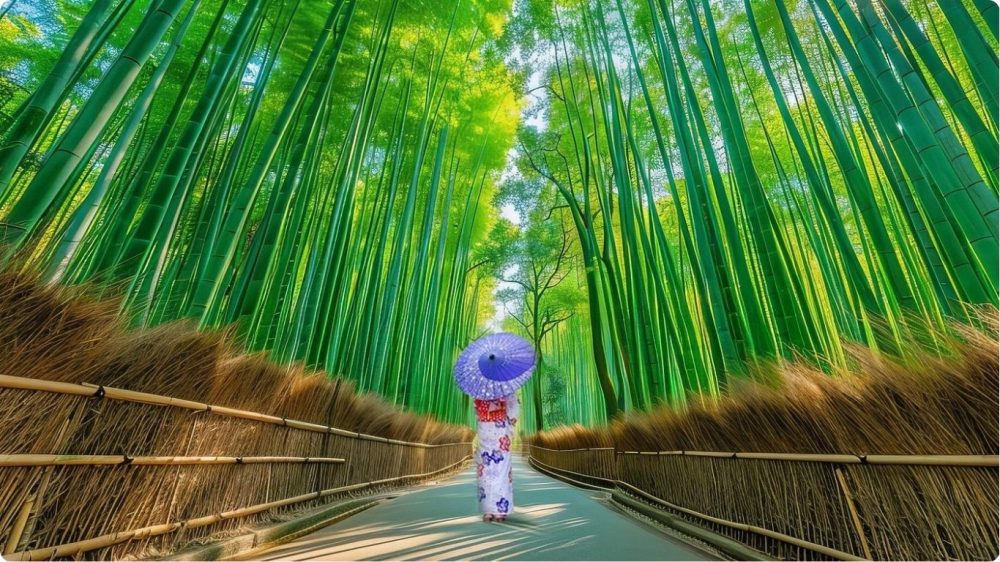
For a practical day, start at dawn in the bamboo grove (7:00-9:00), grab coffee and a light snack, spend 60-90 minutes at Kinkaku-ji after a short taxi, then enjoy a relaxed 1-2 hour lunch. Post-lunch, choose a single museum or stroll (Philosopher’s Path for 60-90 minutes) and finish with a 90-120 minute dinner in Pontocho or Gion. This pacing gives you time for photos, shopping, and an unstructured hour to sit by the Kamo River or visit a tea house without feeling like you’re racing the clock.
Importance of Flexibility
You’ll want wiggle room: Kyoto’s popularity means crowds, occasional weekday closures, and weather shifts. Build two backup options per day (a market, a coffee shop, or a short museum) and accept that swapping mornings and afternoons can save hours of queueing.
Practically, check opening days (some shops and restaurants close midweek), monitor weather (heavy rain changes Arashiyama plans), and keep transit flexibility – a short taxi ride (¥1,000-2,000) can connect distant sites faster than multiple transfers. Also use your JR Rail Pass for spur-of-the-moment side trips (Uji or Nara) if you find yourself ahead of schedule; having that pass pre-purchased gives you instant mobility when plans shift.
Step-by-Step Itinerary for 4 Days in Kyoto
| Day | Plan |
|---|---|
| Day 1 | Arrival and Downtown Exploration Get settled at your hotel then head to Kyoto Station for lunch - Honke Daiichi‑Asahi ramen is my go‑to on arrival. Spend the afternoon at Nishiki Market (don’t miss Aritsugu; budget $150-$300 if you want a custom knife), stop at WEEKENDERS COFFEE, stroll to the Kamo River at sunset, wander Pontocho Alley, and finish with Chao Chao Sanjo Kiyamachi for legendary gyoza. |
| Day 2 | Exploring Fushimi Inari and Surroundings Rise early and take the JR Nara Line to Inari Station (a 5‑minute walk to the shrine); Fushimi Inari‑taisha dates to 711 and features thousands of vermilion torii gates that snake up Mount Inari - plan 2-3 hours if you hike to the summit for views and quieter trails. Combine the shrine with nearby highlights: Tōfuku‑ji (10 minutes by train) for its autumn maples and the Gekkeikan Okura Sake Museum in Fushimi to learn about local brewing and sample sake. Go by 6-7 AM to beat crowds, wear good shoes for uneven steps, and allow an extra hour if you stop for photos at the Senbon Torii stretches. |
| Day 3 | Additional Temples and Gardens Start early at Kiyomizu‑dera to enjoy the wooden stage and city views, then walk Ninenzaka/Sannenzaka to Kōdaiji, Yasaka and Kenninji. Add Ginkaku‑ji (Philosopher’s Path) and Ryoan‑ji for the famous 15‑stone rock garden; budget 3-4 hours for a relaxed temple + garden loop and save your tempura lunch reservation for the afternoon. Sequence your route to minimize transit - Kiyomizu first, then Kōdaiji and Yasaka before heading north to Philosopher’s Path and Ginkaku‑ji. Expect admission fees in the ¥400-¥600 range at major sites, and consider booking Tempura Endo or a kintsugi workshop in advance to secure limited slots. |
| Day 4 | Day Trip Options Choose one: Nara (45 minutes) for Todai‑ji and deer, Uji (20-30 minutes) for Byōdō‑in and matcha, Osaka (15-30 minutes by rapid train) for food and nightlife, Kurama‑Kibune (~30-40 minutes) for a mountain hike and riverside dining, or Amanohashidate (2-2.5 hours) for the sandbar views. Pick Nara if you want Edo‑period temples and a 15‑meter Daibutsu; opt for Uji when you crave authentic matcha and a UNESCO site (Byōdō‑in appears on the 10‑yen coin, built 1052). Use your JR pass where possible, leave early to maximize daylight, and match the day trip to your interests - history, tea, food, or hiking - for the best return on a single‑day outing. |
Pros and Cons of Different Itinerary Lengths
3-Day vs 4-Day Itinerary: Pros vs Cons
| Pros | Cons |
|---|---|
| See Kyoto’s highlights in 4 days: Fushimi Inari, Kinkaku-ji, Arashiyama, Gion. | Very tight schedule; little room for delays or long meals (Tempura Endo takes ~2 hours). |
| Lower accommodation cost and fewer transit days – good for multi-city Japan trips. | Less chance to visit outskirts like Ohara or Nara without rushing (each is a 45-90 min trip). |
| Easier to plan if you’re on a fixed itinerary or short on vacation time. | Limited flexibility to wait for ideal visiting times (early mornings reduce crowds). |
| For experienced travelers, bundling regions cuts transport time effectively. | Fewer opportunities for immersive experiences like a kintsugi workshop or long tea ceremonies. |
| Good if you prefer a fast-paced, highlight-driven trip. | Higher daily intensity; you may miss slow neighborhood exploration (Sannenzaka, Philosopher’s Path). |
| Best for travelers prioritizing cost and seeing must-sees quickly. | Less buffer for weather, closures, or a missed train. |
| Works well with early starts (first train to Arashiyama ~7:00) to beat crowds. | Dining reservations and popular temple entry times may collide, forcing compromises. |
| Add a 4th day to relax pace, add Nara/Ohara, and split long meals across the trip. | Means one more hotel night and extra cost – mid-range hotels typically $100-200/night; luxury $400+. |
Advantages of a 4-Day Itinerary
Adding a fourth day gives you breathing room to explore beyond the center – think a full day in Nara or a slow morning in Ohara, plus dedicated time for experiences like a kintsugi workshop; you’ll reduce rush and enjoy longer meals without sacrificing top sights.
With the extra day you can stagger early starts (take the 7:00 train to Arashiyama one morning and sleep in another), book long pre-fixe meals like Tempura Endo without compressing the rest of the day, and handle delays-train strikes or weather-without derailing your whole trip. Practically, that extra day increases sightseeing time by 33% if you originally planned three days, which often translates to one additional neighborhood or a relaxed day trip to Nara (45-60 minutes by train) or Uji for tea tastings.
Limitations and Considerations
Even with four days you’ll face crowds during peak seasons (cherry blossom in April, autumn foliage in Nov), and popular temples still fill early; plan early entries, book key dinners in advance, and factor transport times-some taxi rides are faster but cost more than local buses or trains.
Plan strategically: bundle sights geographically to cut transit (e.g., Higashiyama cluster in one half-day), pre-download Google Maps for offline navigation, and pre-purchase passes like the JR Rail Pass when useful. Expect weekend vs weekday differences-many shops and small museums close on Mondays-so schedule around opening days. Finally, weigh costs: one extra night means more lodging but often yields better experiences and lower daily stress, especially when you want that leisurely Tempura Endo lunch or time to buy a ¥15,000-¥30,000 Aritsugu knife without rushing.
In-Depth Look at Kyoto’s Must-See Temples-A Perfect Best 4 Day Kyoto Itinerary
Kinkaku-ji (Golden Pavilion)
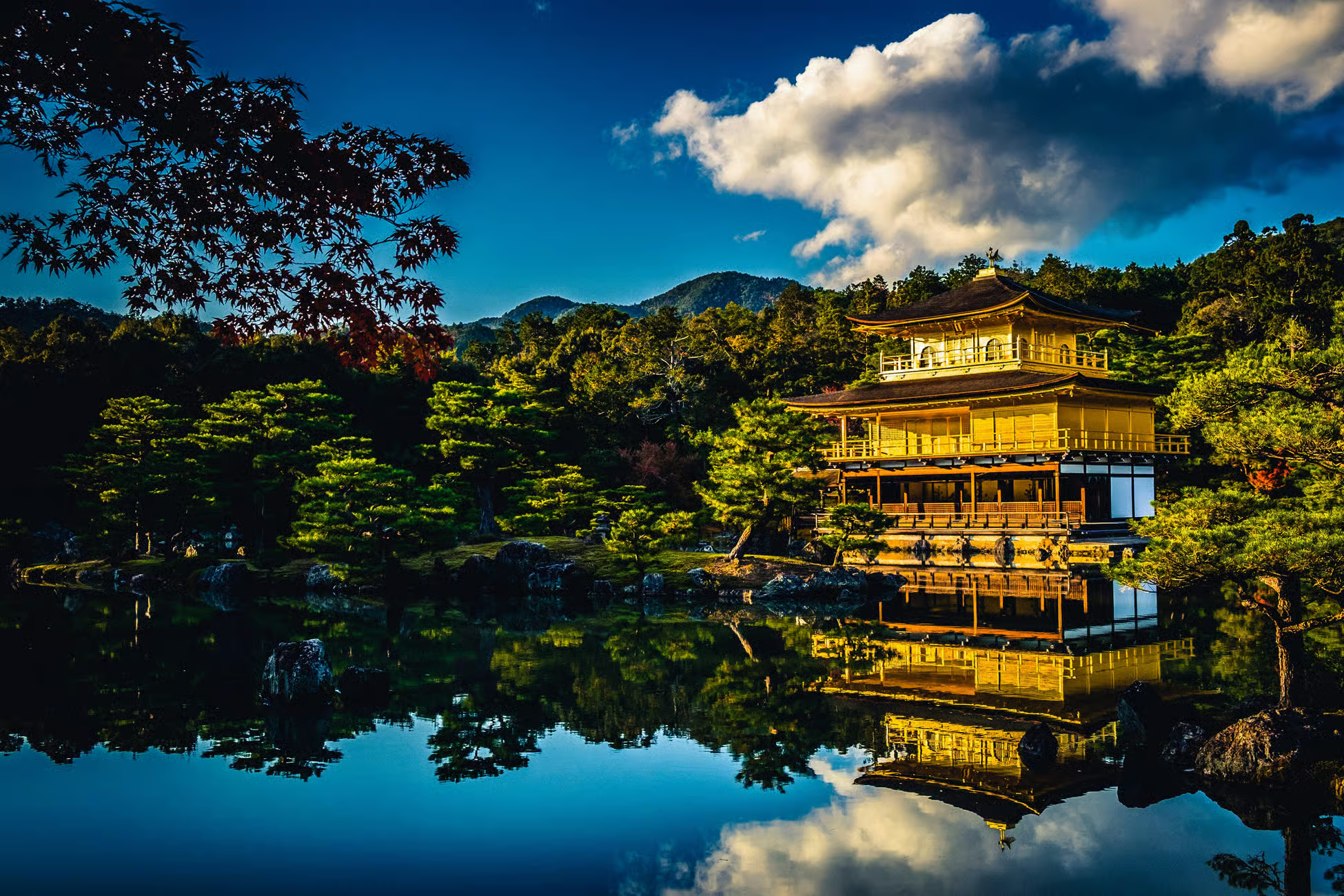
Standing on the edge of Kyōko-chi (Mirror Pond), Kinkaku-ji was first built as Ashikaga Yoshimitsu’s retirement villa in 1397 and reconstructed after the 1955 arson; its top two floors are covered in gold leaf that creates striking reflections. You should arrive early (opens 9:00) to secure photos without tour buses, and plan about 45-60 minutes to walk the garden circuit and gift shop area.
Kiyomizu-dera Temple
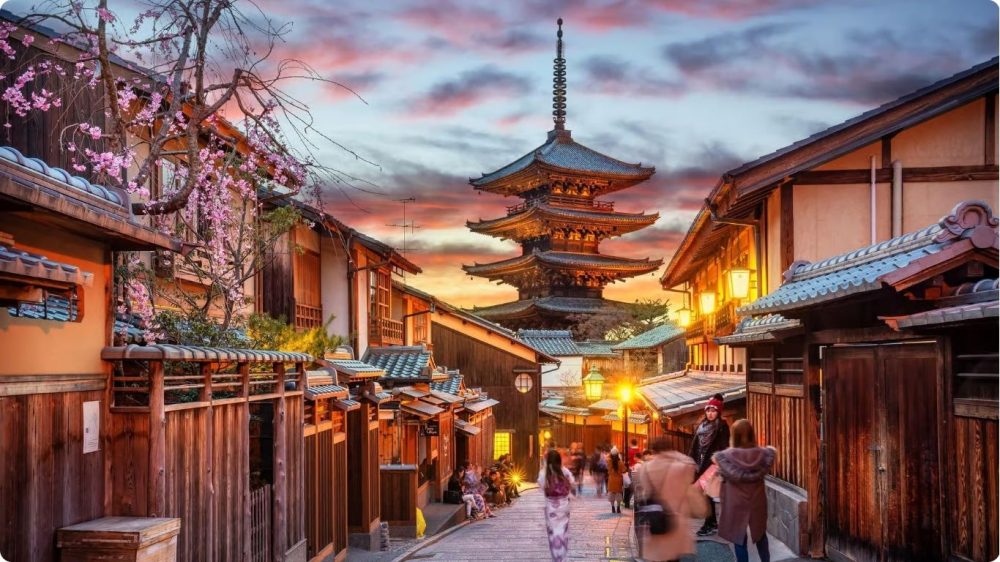
Kiyomizu-dera traces back to 778, with the present main stage rebuilt in 1633; the 13-meter-high wooden terrace projects over the hillside, offering panoramic views of Higashiyama and Kyoto below. You should budget time for the walk up through Ninenzaka and Sannenzaka and expect an entry fee of about ¥400 for the main hall.
You’ll want to sample water from the Otowa Waterfall-three channels promise longevity, academic success, or love, so pick wisely-and visit Jishu Shrine for its “love stones” (18 meters apart) as a playful test of luck. Check seasonal dates for evening illuminations during cherry blossom and autumn foliage, which transform the complex but attract heavy crowds.
Fushimi Inari Taisha
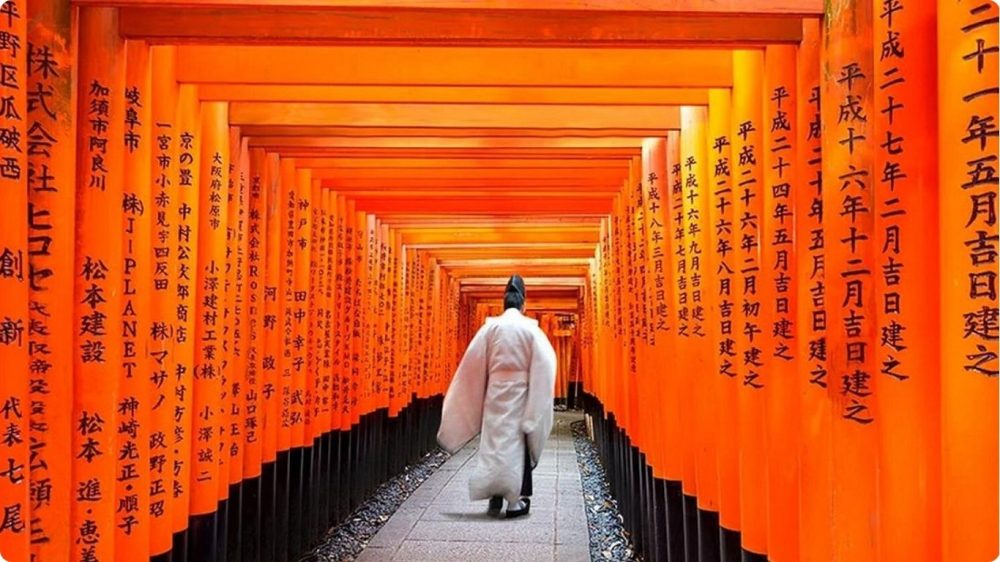
Founded in 711 and dedicated to Inari, the rice deity, Fushimi Inari is best known for roughly 10,000 vermilion torii donated by businesses and families, creating the iconic tunnel paths up Mount Inari. You should expect a 30-45 minute walk to the Yotsutsuji viewpoint, while the full summit loop is about 4 km and typically takes 2-3 hours round-trip; entry is free any time of day.
You can read donor names on the torii as you walk and notice countless fox statues acting as Inari messengers. Start before 8:00 or near sunset to enjoy atmosphere and photography with fewer people, wear comfortable shoes for the steep sections, and plan a stop at the small tea stalls and shrines scattered along the trail.
Exploring Kyoto’s Neighborhoods-Best 4 Day Kyoto Itinerary
Gion District
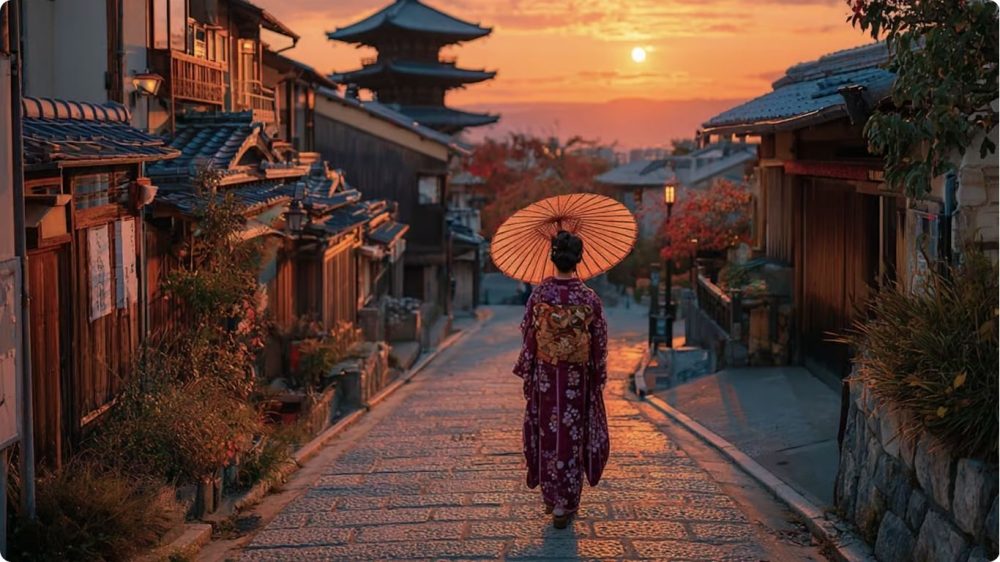
You’ll want to stroll Hanamikoji Street around dusk for the best chance to spot geisha and maiko-this narrow lane, lined with 17th-century teahouses, takes about 20-30 minutes to wander at a relaxed pace. You can pair that with a visit to nearby Yasaka Shrine and an evening along Pontocho Alley for river views and lively dining; allocate 1-2 hours to soak in the atmosphere and peek into traditional tea houses and souvenir shops.
Arashiyama Area
You should aim for the first train (around 7:00 am) to beat crowds at the Arashiyama Bamboo Grove, then cross Togetsukyo Bridge for classic photo views and a walk along the Katsura River. Plan 3-4 hours to include Tenryu-ji’s garden, % ARABICA Kyoto Arashiyama (opens ~9:00), and riverside cafes; taxis help move between spots if you’re short on time.
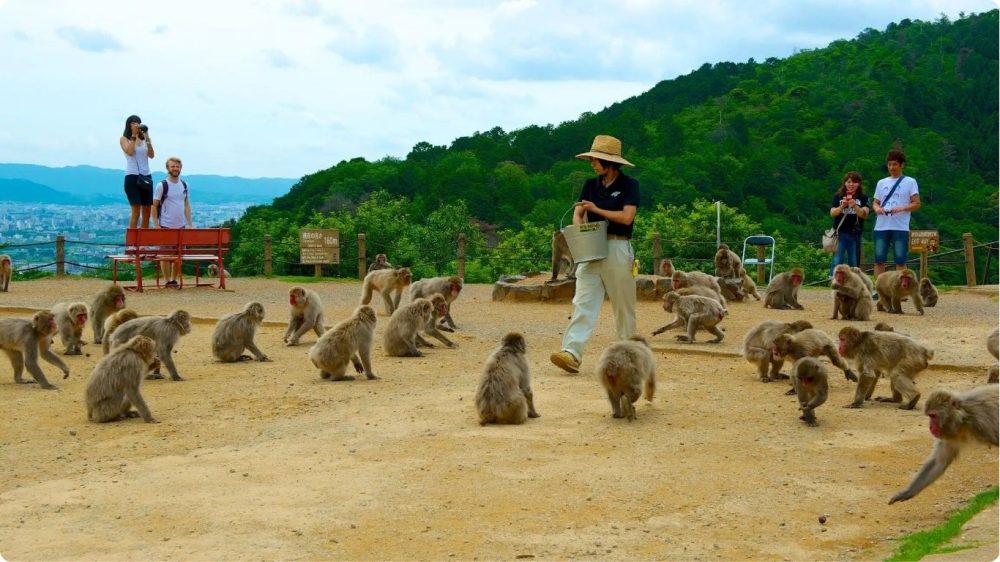
For more depth, hike the 30-minute trail up to Iwatayama Monkey Park for panoramic city views and wild macaques, or book the Sagano Scenic “Romantic” Train in autumn for valley colors. You’ll also find local tofu shops and boat rentals on the river; during peak fall and cherry seasons, reserve restaurants or attractions in advance to avoid long waits.
Philosopher’s Path
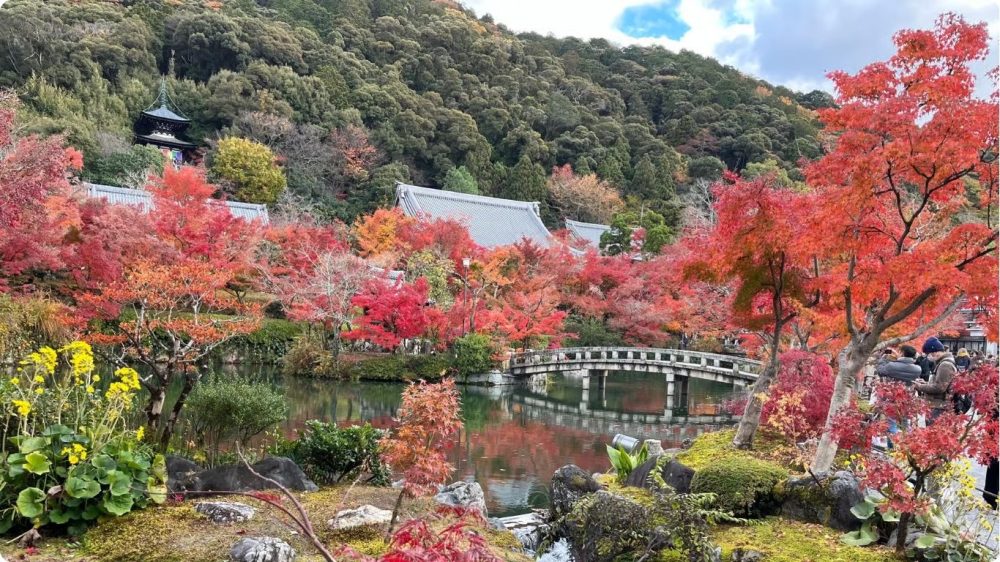
You’ll walk roughly 2 km along the Philosopher’s Path, which opened in 1890 and links Ginkaku-ji to the southern neighborhoods; it’s lined with cherry trees and several small boutiques. Start at Omen Ginkaku-ji for udon, then stroll at a leisurely pace-allow 1-2 hours-and finish with a detour to Hōnenin Temple for quiet gardens and fewer crowds.
Expect galleries, artisan shops, and cozy tea houses tucked along the route, and consider extending your walk a short distance to Nanzen-ji for its impressive sanmon gate. If you want blossoms, target late March-early April and go early morning or weekday afternoon to enjoy the path with minimal people; plan an extra 30-45 minutes for side temples and photo stops.
Dining and Culinary Experiences
Traditional Kyoto Cuisine
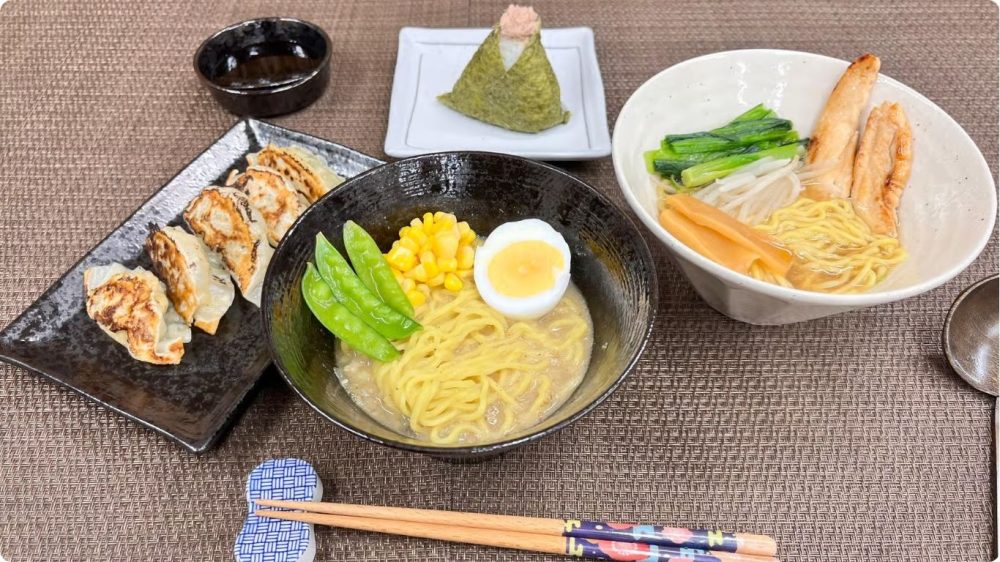
You’ll find Kyoto’s culinary identity in kaiseki (multi-course meals typically 6-12 courses), obanzai (home-style Kyoto dishes), and yudofu (simmered tofu served near temples). Seasonal kyo-yasai vegetables and locally grown Uji matcha anchor many plates, so plan meals around what’s fresh-spring bamboo shoots, autumn matsutake mushrooms-and expect subtle, elegant flavors that emphasize balance and presentation.
Recommended Restaurants
For quick comfort, head to Honke Daiichi-Asahi by Kyoto Station for ramen; for gyoza, Chao Chao Sanjo Kiyamachi is a must. Book Tempura Endo Yasaka (North) for a pre-fixe tempura experience, and try Tarokich in Gion for yakitori. Don’t skip Nishiki Market stalls for snacks and % ARABICA for coffee between temple visits.
Book kaiseki and tempura well in advance-Tempura Endo often takes about 2 hours and fills up. Expect ramen and gyoza to cost under ¥1,500, casual izakaya meals ¥2,000-¥4,000, while kaiseki or high-end tempura commonly start around ¥8,000-¥15,000 per person. Go early to avoid lines, and choose weekday lunches for lower crowds and better reservation availability.
Unique Food Experiences
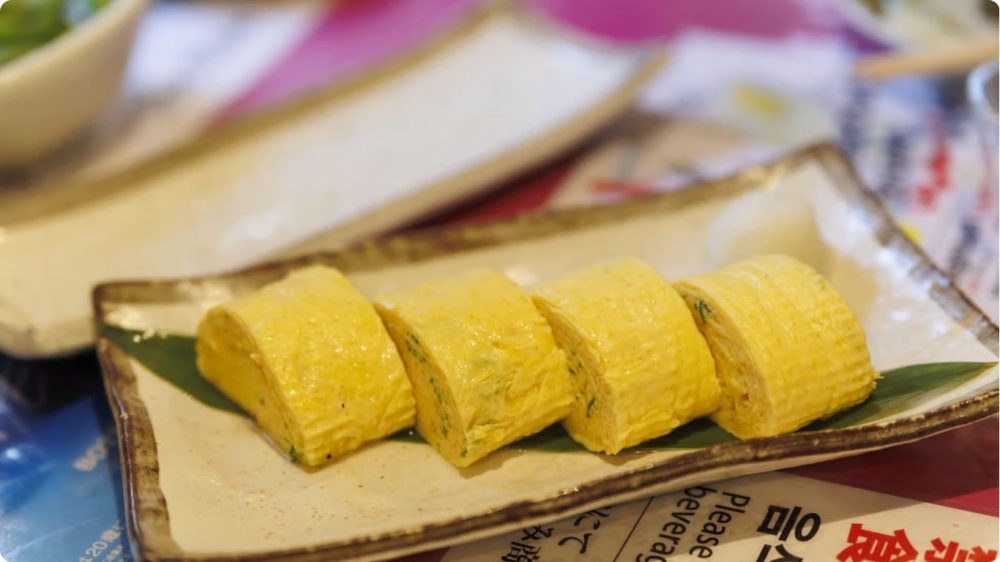
You can pair sightseeing with immersive food experiences: attend a 60-90 minute tea ceremony in Uji to taste ceremonial matcha, take a 2-3 hour Nishiki Market food tour to sample 8-12 bites, or join an izakaya-hopping evening in Pontocho for small plates and local sake. These activities reveal Kyoto’s food culture beyond standalone restaurants.
For deeper dives, visit the Fushimi sake district for brewery tours and tasting flights of 3-5 sakes at places like Gekkeikan, or book a 2-3 hour cooking class (typically ¥6,000-¥10,000) to learn obanzai or udon techniques. Guided tours often include vendor introductions and insider tips on where to find seasonal specialties.
Cultural Etiquette and Local Customs
Understanding Japanese Culture
You’ll notice bowing, quiet public spaces, and meticulous attention to detail-bow angles signal intent (about 15° casual, 30° polite, 45° very formal). Train etiquette means no phone calls and low voices; about 80% of commuters stay silent during rush hours. Many businesses still prefer cash, ATMs at 7‑Eleven accept international cards, and IC cards (Suica, ICOCA, PASMO) make local travel easier. Observing these small, consistent behaviors will change how locals react to you and make your days in Kyoto smoother.
Dos and Don’ts in Kyoto
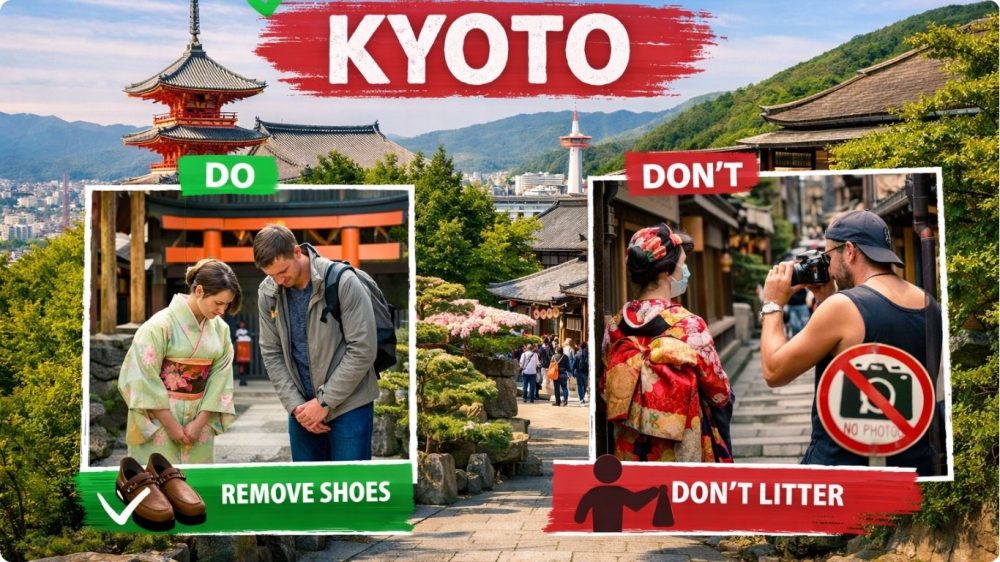
Do remove your shoes where indicated, use slippers in entryways, and queue patiently at bus stops and temples. Don’t tip (service is included), avoid eating while walking through historic streets, and respect no‑photo signs in inner temple halls and private geisha districts. You’ll find that following these simple rules-particularly in crowded spots like Fushimi Inari or Arashiyama-keeps interactions pleasant and keeps access to certain areas open.
For temples and shrines: perform temizu at the chozuya (wash left hand, right hand, rinse mouth-not with the ladle touching lips), and at Shinto shrines follow the common sequence of two bows, two claps, one bow at the main offering box. In ryokan and some restaurants, leave shoes at the genkan and never wear outdoor shoes on tatami-use the provided indoor slippers, and step onto tatami barefoot or with socks. When paying, place cash or card on the small tray rather than handing it directly.
Engaging with Locals
You should use simple phrases-“sumimasen” to get attention, “arigatou gozaimasu” to thank someone-and speak modestly; many people in tourist areas know some English, but politeness bridges gaps. Offer a small bow when thanking hosts, and avoid loud gestures or rapid movement in tight spaces. A few practiced phrases will open doors and show respect for local norms.
When asking for help, show your map or screen-people respond well to visual cues. If you’re invited into a home or private space, wait for your host to indicate where to sit and follow their lead during meals or rituals; accept food with both hands when offered. With geisha or maiko in Gion, observe from a distance, don’t call out, and never attempt to take posed photos or touch them. Small, considered actions earn the warmest responses.
Conclusion
Now you have an efficient, practical roadmap in the best 4 day Kyoto itinerary follow the region-bundling approach, book key reservations, rise early to avoid crowds, and balance temples, markets, and neighborhood strolls so your days are streamlined, culturally rich, and unforgettable.
Share It On Pinterest




Leave a Comment